Ski Gear
Norda Unleashed 98 CA vs Ti: Which Build Fits Your Skiing?
The Norda Unleashed 98 comes in a fiberglass CA build and a metal Ti build. Here is how the two differ on groomers, in moguls, and in mixed resort conditions.
Introduction
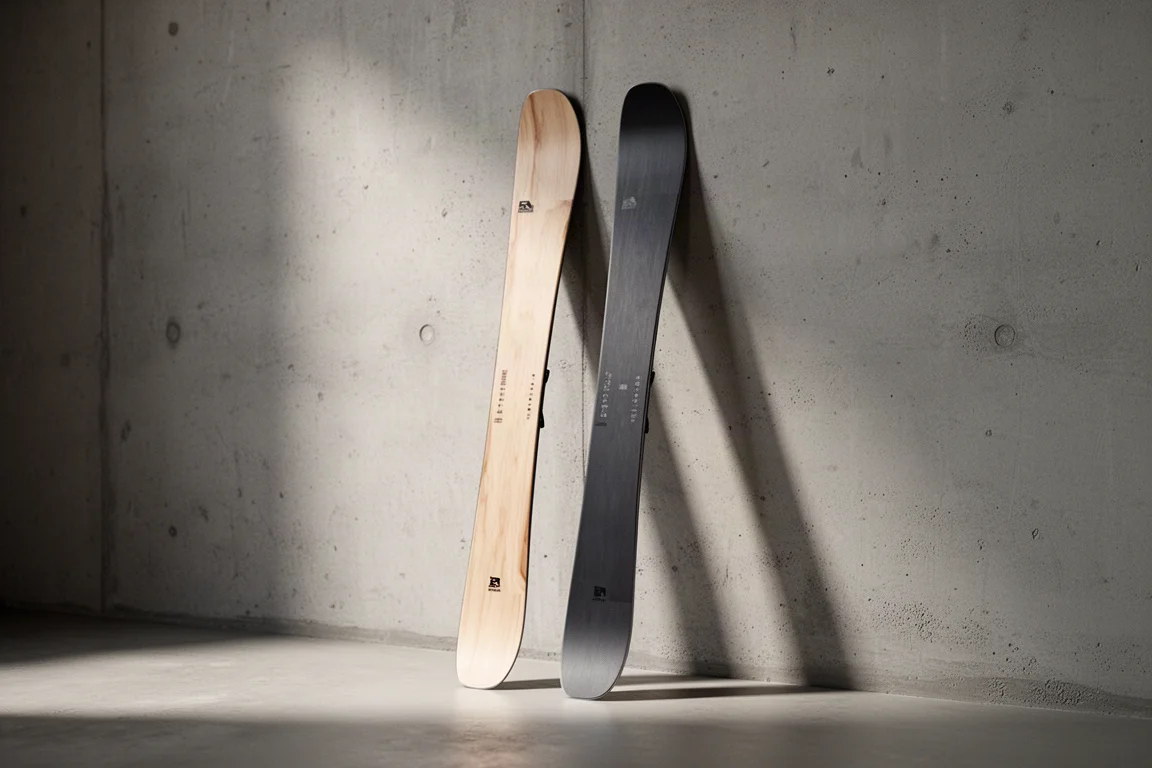
The Norda Unleashed 98 has become a reference point for skiers who want a twin-tip that still carves cleanly. The line now splits into two builds that share one shape: the Unleashed 98 CA and the Unleashed 98 Ti. The difference comes down to what sits inside the ski. The Ti keeps its metal layer. The CA removes it and leaves a wood core wrapped in fiberglass.
That single change shifts how each ski feels on snow, and it also shifts the price. This guide walks through what each version does well, where the trade-offs appear, and which one is likely to suit the way you actually ski.
What the CA and Ti Versions Have in Common
Both skis use the same twin-tip shape, the same wood core platform, and the same long effective edge the Unleashed family is known for. That shared geometry is what produces the round, complete turns the shape is recognized for, whether or not metal is part of the layup.
In practical terms, both versions are built for skiers who split their time between groomed runs and softer, bumpier terrain. Neither is a dedicated race ski, and neither is a pure park twin-tip. They sit in the all-mountain space where one pair of skis needs to handle a mixed day without complaint.
The construction difference is straightforward. The Ti version adds metal to the layup. The CA version leaves it out entirely and adds nothing in its place.
Norda Unleashed 98 CA: Fiberglass Build, Playful Ride
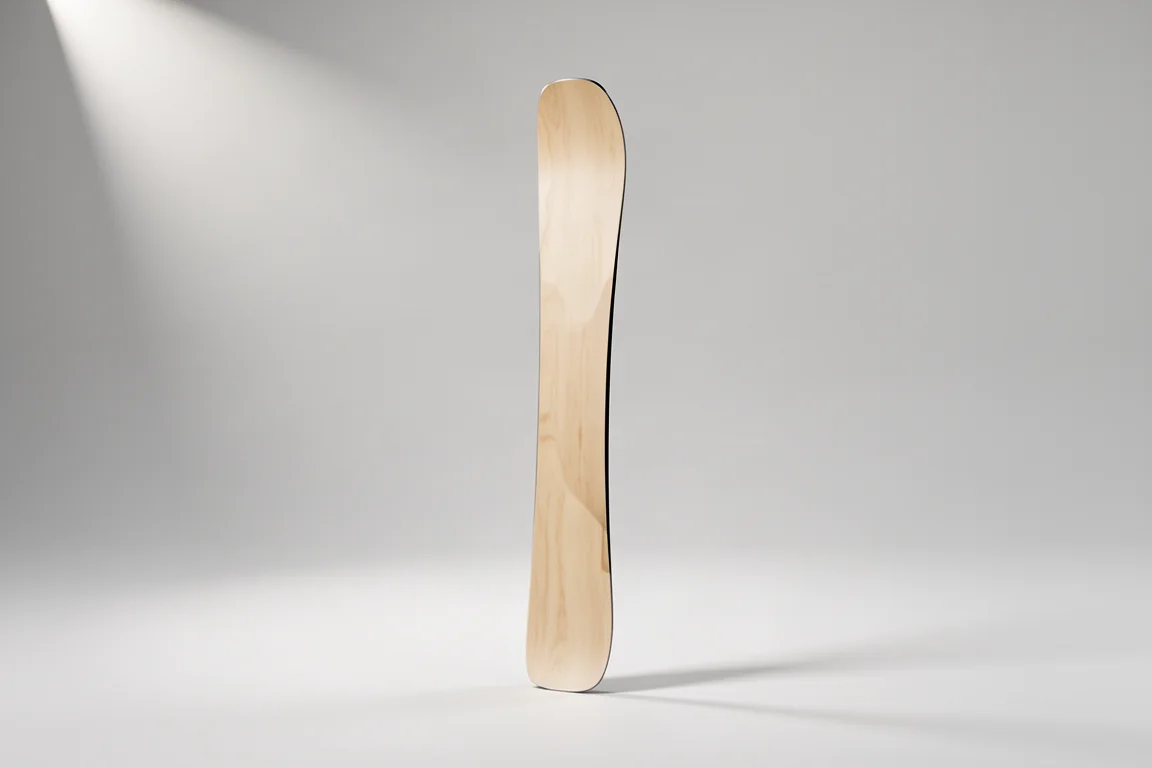
The CA designation refers to fiberglass rather than carbon. Take the standard Unleashed 98, remove the metal, and you have this ski: a wood core and fiberglass, nothing more. The $599 price point was central to the design brief, which keeps a well-shaped twin-tip within reach.
On snow, that translates into a light, eager feel. The flex is easy to bend, and even at shorter lengths the ski holds a surprising amount of torsional stiffness, so grip underfoot stays solid on moderate pitches. It also recovers quickly. When a pole plant sinks into deep soft snow or a bump catches you off guard, the ski gives you room to collect yourself instead of punishing the mistake.
The trade-off appears when you ride it flat. At moderate to higher speeds the CA loses some longitudinal stability, and you can feel the tips and tails begin to flap. Put it on edge, though, and the ski settles down and carves smoothly through the entire length of the flex.
Norda Unleashed 98 Ti: Metal Core, Smoother Edge Hold
The Ti keeps the metal. The result is a damper, smoother ride that holds edge contact from tip to tail in a way that is visually obvious when you watch it move across the snow. It is more powerful, though not dramatically so, and noticeably quieter underfoot on firm groomers.
Where it separates itself is at full commitment. Aggressive skiing, higher speeds, and steeper pitches all favor the metal build, and the longer options in the lineup add surface area and smoothness for taller or heavier skiers. The cost of that composure is effort: the Ti takes a bit more input to bring around in tight bumps and asks you to plan ahead rather than react.
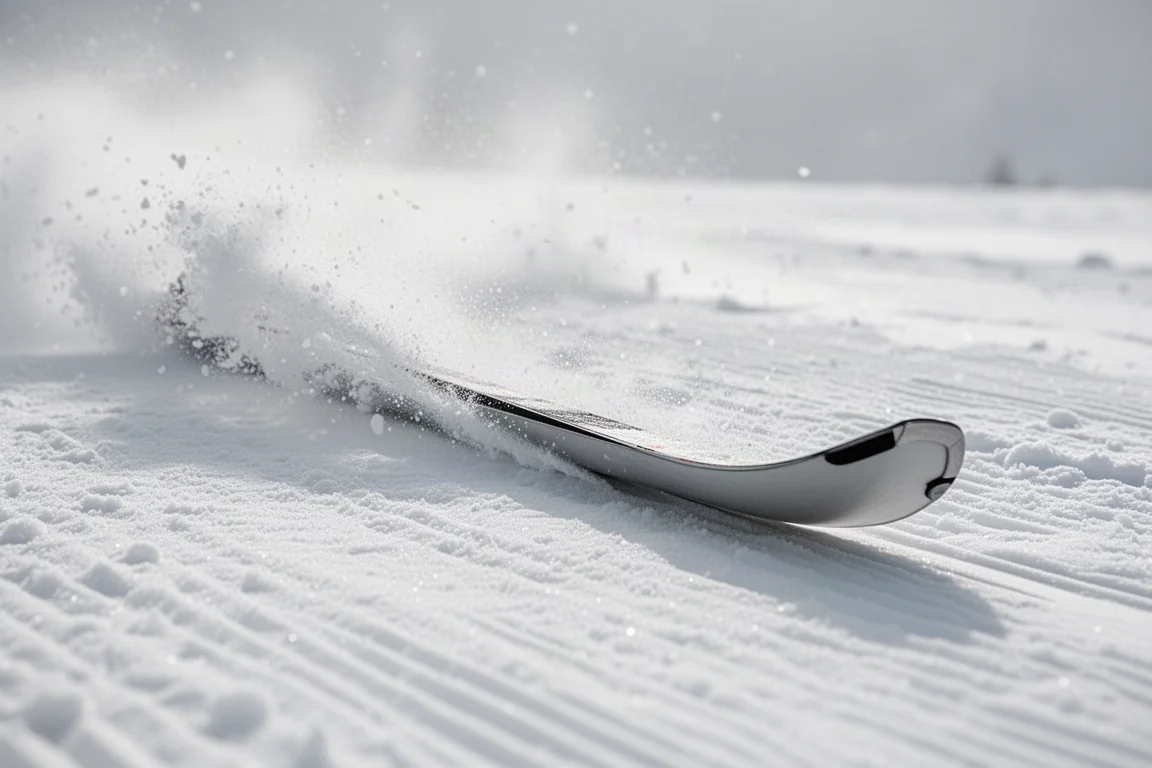
On a firm, bumpy, low-visibility descent, the metal version is the one most skiers will want underfoot, simply because it tracks better when the snow is inconsistent and you cannot see far ahead.
If your days are mostly groomed laps with occasional soft-snow detours, the extra damping matters less, and the smoother feel becomes a preference rather than a requirement.
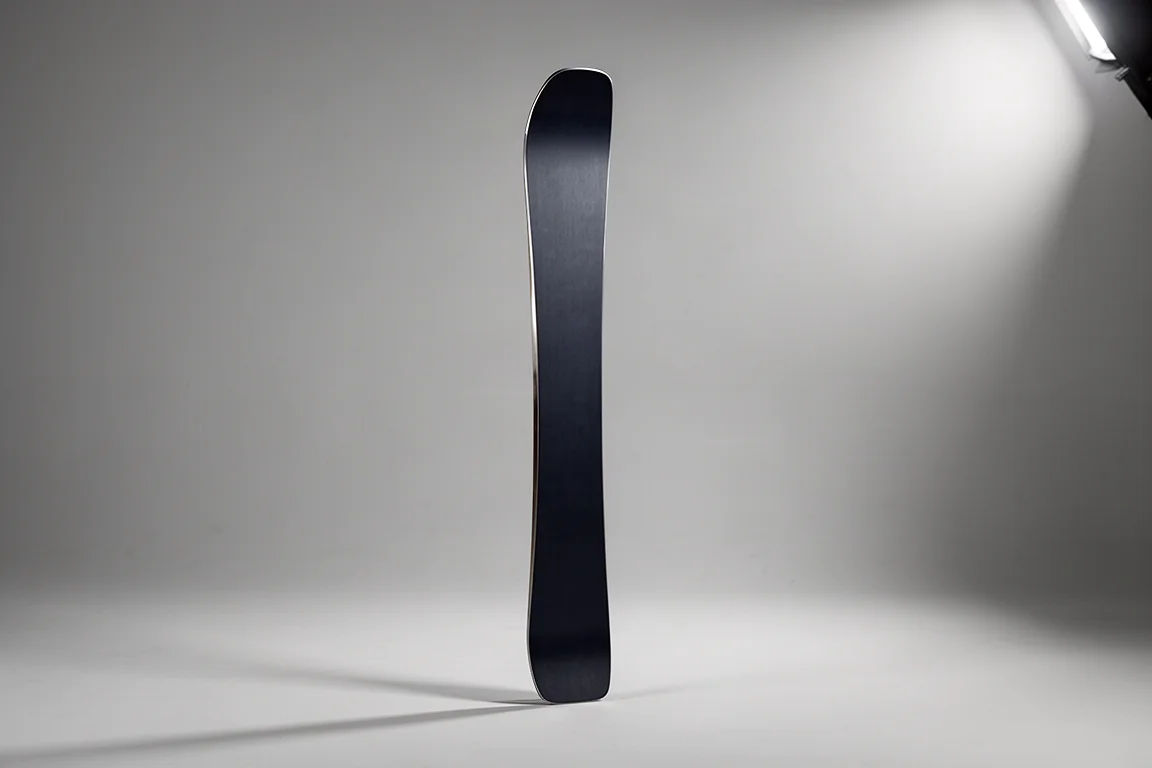
Length Options and How They Change the Ride
The lineup runs through 174, 180, and 186 lengths, and the length you pick changes the experience as much as the layup does. The 174 carries a 17.4 m turn radius, making it the quickest and most maneuverable option and a good match for lighter or younger skiers who want a ski they can bend without fighting it.
Mid-length skiers on the 180 get a balance of stability and agility. The 186 suits taller, heavier, or more aggressive skiers, where the added surface area smooths out the ride and supports the shape’s natural turn. Choosing a length that is too short for your size is the more noticeable limitation of the two.
Terrain and Conditions: Where Each Version Shines
Both versions are fun on groomers. The twin-tip shape produces clean, round turns, and on soft snow the CA feels loose and easy in a way that encourages experimentation.
Moguls are where the split becomes clear. The CA is playful and forgiving, letting you get away with more, while the Ti rewards a more deliberate line. In difficult, choppy, low-visibility conditions, the damping of the metal build makes it easier to stay composed. Tree skiing was not part of this session, so treat that terrain as an open question, though the shape’s quick flex and twin-tip profile point in that direction.
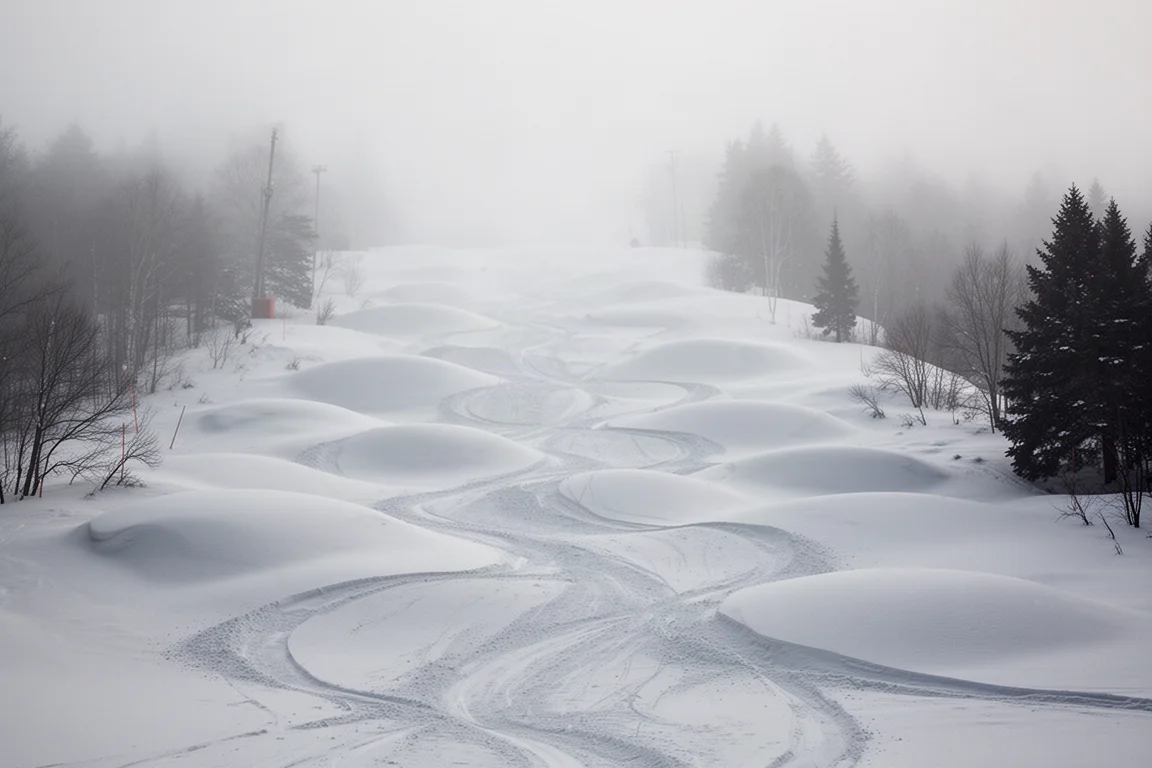
One useful note for anyone deciding between the two: neither version runs out of ability in typical resort conditions. The limits show up mainly when you push flat-out speed or spend the day in tight, hard bumps.
Price and Value: What the CA’s $599 Brings
At $599, the CA stands out in a market where ski prices keep climbing and a quality pair increasingly approaches four figures. That price was a stated goal of the design, and the savings come from the layup rather than from shortcuts. Removing the metal is a design decision, not a downgrade.
The Ti costs more, and the premium buys damping, smoothness, and stronger edge hold at speed. If those traits matter to you, the extra spend is easy to justify. If they do not, the CA delivers most of the same shape and character for considerably less.
Buying Advice: Choosing Between the CA and the Ti
The simplest way to frame the decision is speed and intent. If you ski fast, drive your edges hard, and prefer a ski that stays calm when conditions turn rough, the Ti is the natural pick. If you ski at a moderate pace, enjoy a lighter and more playful feel, and want a ski that is easy to bend and quick to recover, the CA covers that ground well.
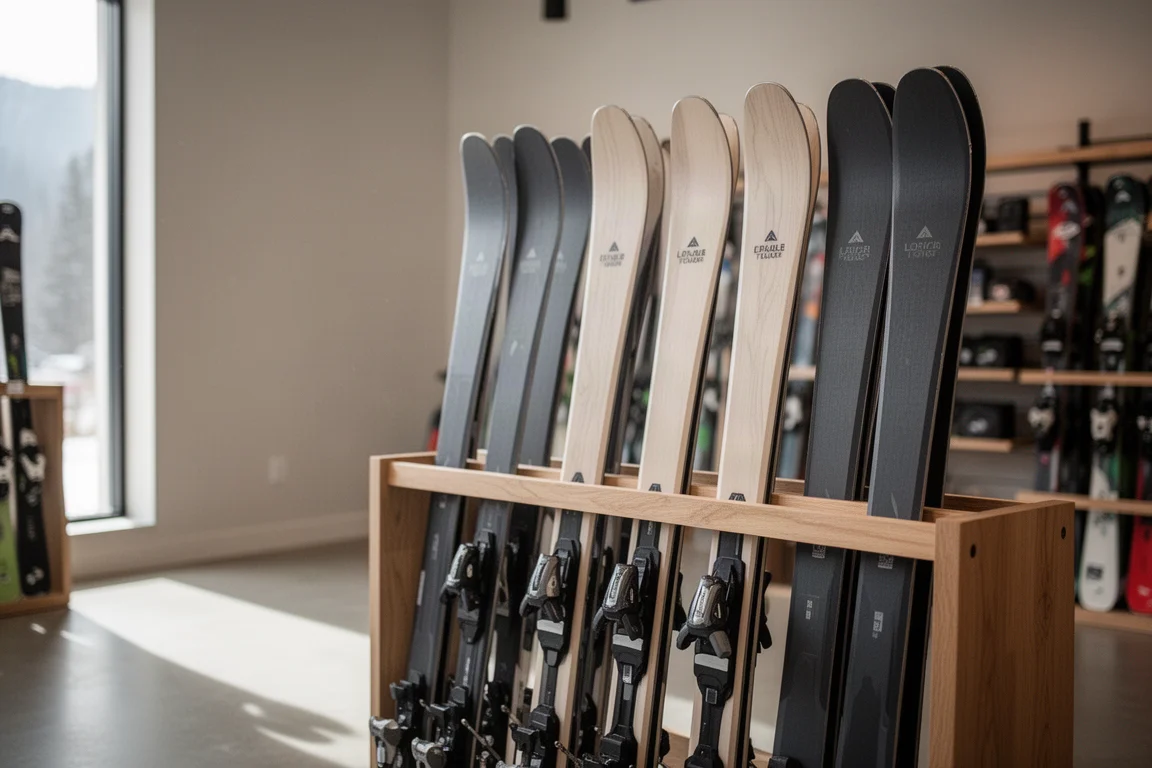
A common instinct is to assume the more expensive ski with metal must be the better one. That is not how these two work. They are built for different styles rather than different skill levels, and the CA is not a step down. Lighter and younger skiers, including growing teenagers, may find the CA in a shorter length genuinely easier to ski and more rewarding, while heavier or more aggressive skiers will get more out of the Ti.
Either way, both versions share the same shape, so the geometry you like stays the same. You are choosing a feel and a price, not a different ski.
Conclusion
Same shape, two very different personalities. The Norda Unleashed 98 CA trades metal for a fiberglass build and comes out lighter, more playful, and far friendlier on price. The Norda Unleashed 98 Ti keeps the metal and returns a damper, smoother, more composed ride at speed. Pick the one that matches how hard and how fast you actually ski, and either version will serve a mixed day on the mountain well.
Further reading
Related Reviews

Ski Gear
2023 Blizzard Hustle vs Rustler: Six Freeride Skis Compared
Blizzard's 2023 Hustle collection rebuilds the Rustler shape with a lighter core and no metal. Here is how all six skis differ, and which one suits your riding.

Ski Gear
2023 Skis of the Year: Atomic Maverick 88 TI, Salomon QST 106, and Look SPX 12 Pro
Three standout ski picks for all-mountain carving, powder days, and reliable binding performance, with practical buying notes for 2023 models.

Ski Gear
2025 Nordica Enforcer 104 Review: A Directional Charger Replaces the 104 Free
The 2025 Nordica Enforcer 104 drops the Free name and the twin-tip personality, gaining weight, stiffness and composure in rough snow. Here is what changed and who it suits.