Trail Running Shoes
Norda 005 Review: The Lightest Trail Super Shoe We Have Tried, Compared Against Tecton X, Ultra Glide and Speedland
The Norda 005 promises to be the lightest and fastest trail super shoe ever made. We put it on icy roads next to the Hoka Tecton X, Salomon Ultra Glide and Speedland GS:TAM to see if it stacks up.
Introduction
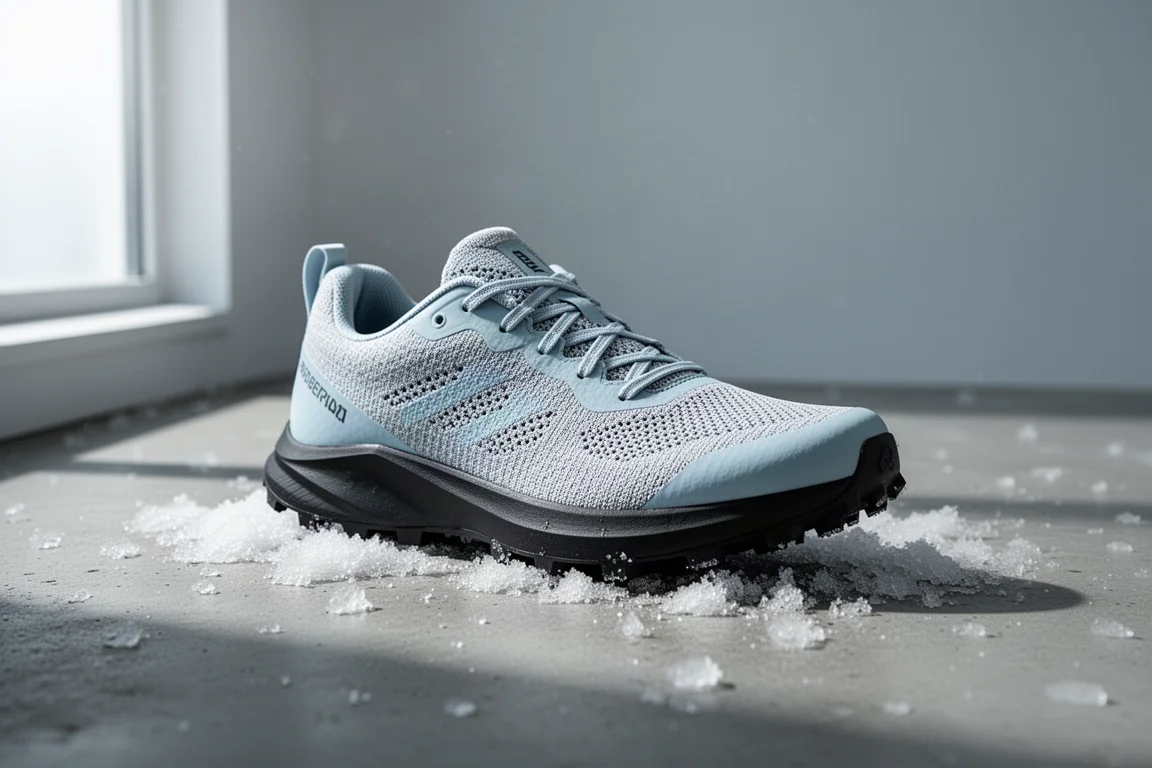
Norda bills the 005 as the lightest and fastest trail super shoe ever created. That is a big promise built on a lot of marketing words, so the fair question is whether the shoe can actually back it up. After putting serious miles into it in genuinely hostile winter conditions, including an icy, slush-covered ten-mile run, our verdict is that this is one of the most impressive trail shoes we have tested across any category, with a flawless execution of its concept and an easy top-of-the-class claim for speed-focused trail running.
The comparison set here is serious. The Norda 005 goes up against the Hoka Tecton X, the Salomon Ultra Glide, and the Speedland GS:TAM, three of the strongest trail super shoes and ultra workhorses available. Each one brings a genuinely different personality to the trail, and understanding those differences is the key to picking the right shoe for your running.
What Makes the Norda 005 Different
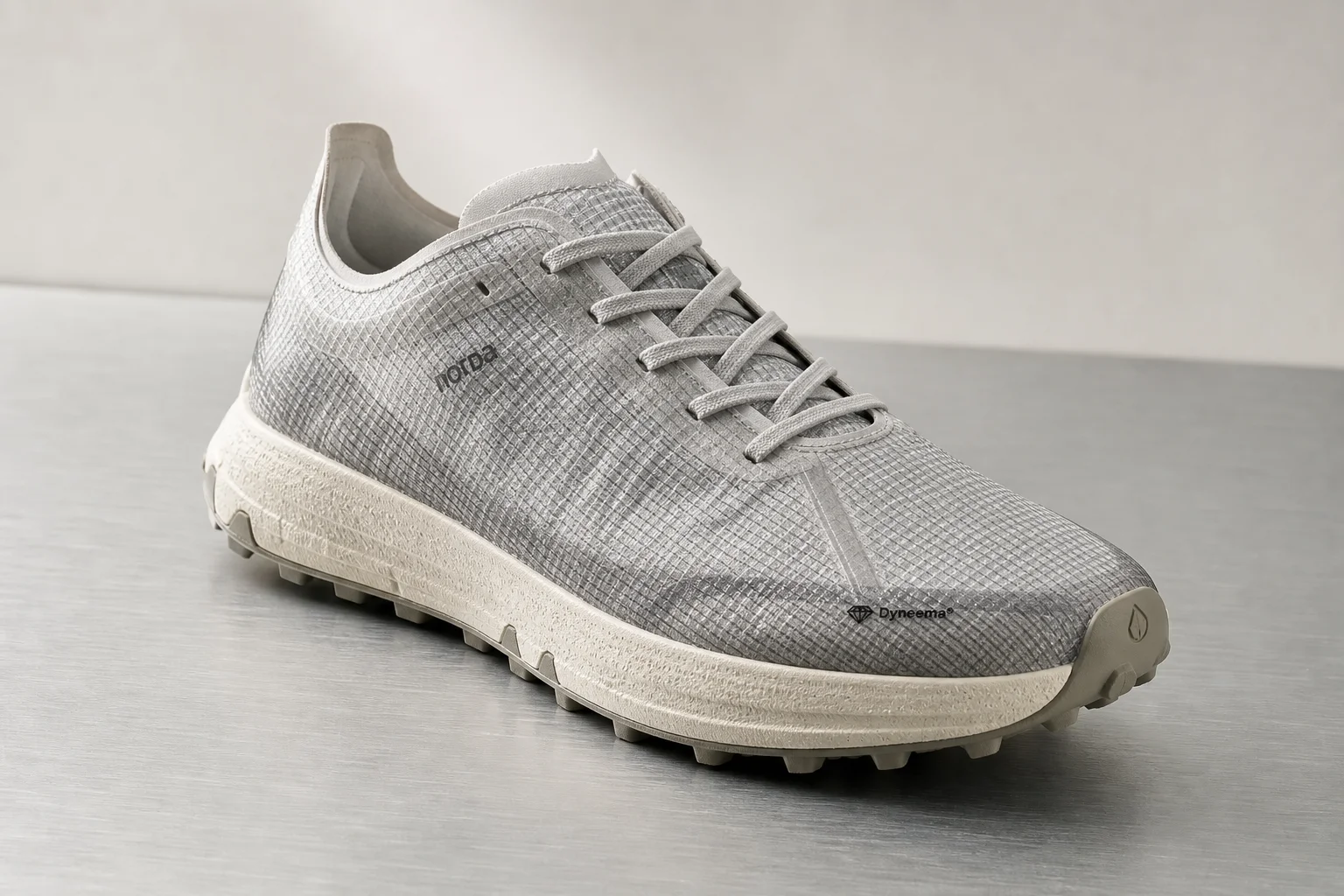
Norda is a strictly trail-focused brand built on a simple idea: source the highest quality materials available and assemble them into the best possible trail shoe. The upper is made with Dyneema, a fiber marketed as among the strongest and lightest in the world, and both the midsole platform and outsole come from a Vibram collaboration. The 005 uses an entirely TPE (Arnitel) midsole paired with a Vibram Megagrip Elite Light Base outsole, and notably there is no plate inside.
The most striking number is the weight. On the scale, a pair of the 005 rang in at 246 grams per shoe, with both sides weighing exactly the same, a small detail that speaks to the quality control behind the product. For context, that is lighter than many road daily trainers, and dramatically lighter than every direct trail competitor we measured. The stack height came in at around 36 to 37 millimeters, slightly under the Tecton X and Ultra Glide but far lighter than either.
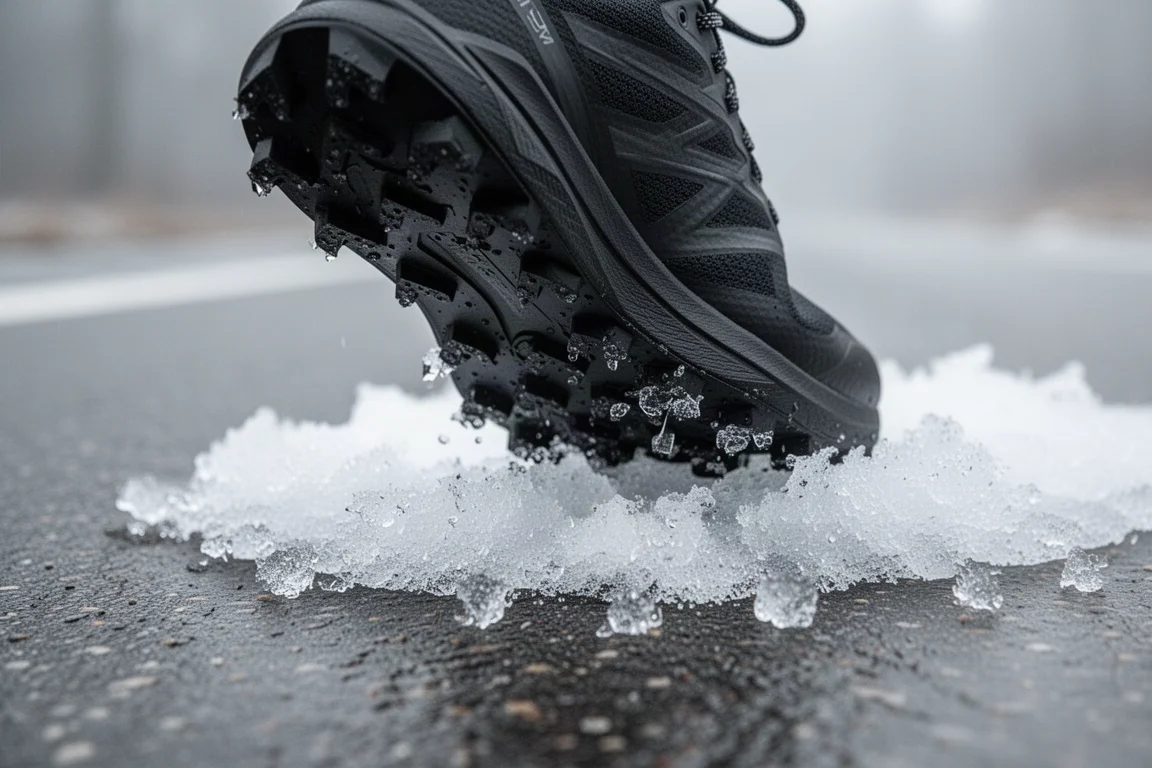
The midsole feels softer than expected, with a genuine bounce-back that makes it feel like a proper super shoe rather than a stripped-down trainer. The outsole carries noticeably fewer lugs than the older Norda 001, which is part of how the weight was shaved down, but the compound is so sticky that grip is outstanding. The trade-off is that this rubber is not friendly on dry pavement; it grips and slows you down, so this is not a road-to-trail hybrid shoe.
Running the Norda 005 on Ice and Snow
The test conditions could not have been better for stress-testing the outsole: an ice storm had left everything coated in a layer of hard-packed ice and slush. On that surface, the 005 delivered an extraordinary level of confidence. The run included sustained sub-7-minute pace pickups on icy roads, and the shoe never felt sketchy. The combination of low, stable geometry and the Megagrip Elite compound made icy sections feel like ordinary running.

On foot, the shoe feels low, peppy, and quick, closer to a razor-sharp lightweight trainer than a max-cushion cruiser. The foam is energetic but not the bounciest in this class; the real secret sauce is how light it is and how quickly you can turn it over. Ground contact feels short and snappy, and the stability inspires hard effort on uncertain terrain, which is exactly the quality that matters most in a trail shoe.
The one caveat worth flagging: on dry pavement, the outsole is sticky and hard, and the shoe clearly announces itself as a trail shoe. If 20 percent or less of your run is on roads to reach the trail, that is fine. Beyond that, a true road-to-trail hybrid is a better choice.
How It Compares to the Trail Super Shoe Field
Hoka Tecton X
The Tecton X is the benchmark for pure propulsive fun on trails. It carries a full-length plate, a soft and bouncy ride, and a sensation many describe as the road super shoe experience translated to the trail. It measured 301 grams with a 37.5 millimeter stack, and it is the shoe that delivers the wildest bounce and propulsion in this group. It is not the lightest or the most stable option, and it is not the most technical shoe on gnarly terrain, but it has run everything from snow-covered ultras to fast trail races without complaint. If you want maximum energy and propulsion, this is the one.
Salomon Ultra Glide
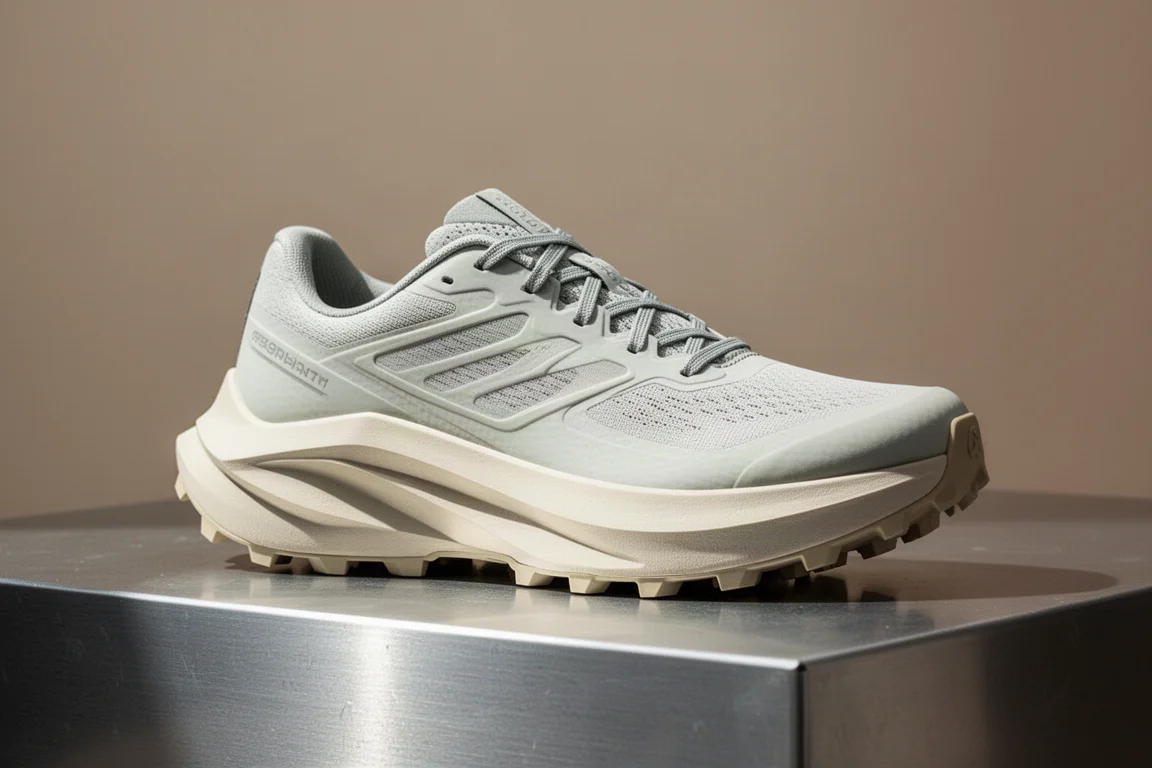
The Ultra Glide is the comfort king of this group. Its magic lives in a dual-foam midsole: a more standard carrier foam on the outside and a lively race-grade energy foam inside. It measured 334 grams with a 37.5 millimeter stack, and it earned its reputation over a three-hour trail run with gliding, unbothered comfort. The fit is the main compromise, with some heel-collar and tongue bunching that most runners can live with. Think of it as a fast, cushioned cruiser for ultras, where the goal is stability, support, and the absence of anything bothersome rather than outright speed.
Speedland GS:TAM
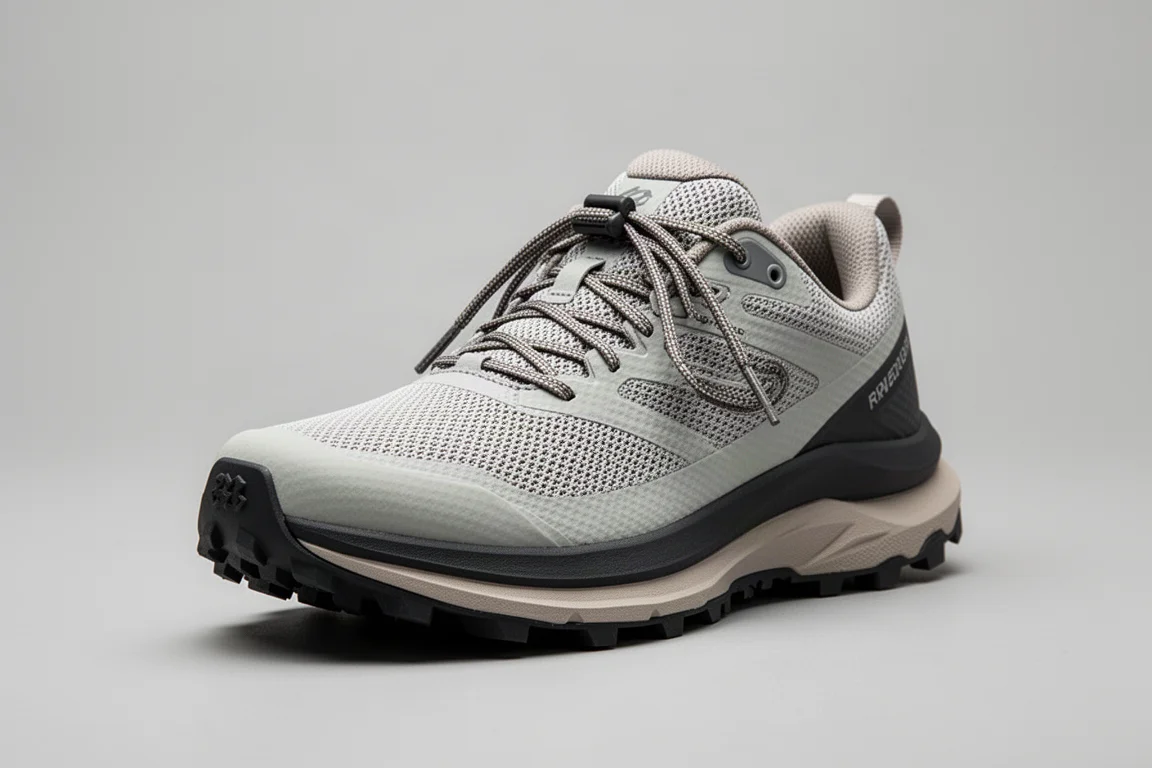
The Speedland GS:TAM is an absolute tank, and the heaviest running shoe in this comparison by a wide margin at 367 grams with a carbon fiber plate and a 35 millimeter stack. It is firm, stable, and bouncy, and it is built for large, powerful athletes barreling down trails for dozens or hundreds of miles. The weak point is the outsole: the rubber underperforms in wet conditions, with real slipping on slick surfaces. This is a specialist’s shoe with a distinct identity rather than an all-rounder.
Norda 005: Where It Lands
Against this field, the Norda 005 wins on a specific axis: speed, lightness, and security in the same package. The Tecton X and Ultra Glide are both much heavier and taller; other lightweight trail options in the wider market tend to run narrow through the midfoot with weaker stability. Nothing else we have tried combines this much confidence, this much grip, and this little weight. In terms of a grade, this is an A-plus execution of its concept, comparable in spirit to the best premium road super trainers, just for the trails.
Buying Advice: Who Should Pick Which Shoe
The fit detail that matters most: Norda shoes run about half a size small, so go up half a size from your usual, which also leaves room for thicker winter socks. The Dyneema upper cinches down beautifully with no bunching, sheds water impressively, and the heel collar issue that bothered some runners on the older 001 was not present here.
If you are a winter runner in a snowy region who wants the absolute best for ice and snow and is willing to invest in premium gear, the Norda 005 is the clear pick. Expect to pay around $300 at MSRP, though the brand’s shoes do show up on sale fairly often, and given how durable the previous generation proved to be over years of use, the cost per mile can be reasonable. If you instead want maximum bounce and propulsion for race day, choose the Tecton X. If all-day ultra comfort is the priority, the Ultra Glide is the better fit.
One honest limitation across all of these: no shoe eliminates the risk of slipping on pure black ice, which is a different and more dangerous surface than the textured ice these were tested on. In truly treacherous conditions, dedicated traction devices remain the safer answer.
Conclusion
The Norda 005 lives up to its bold billing. It is genuinely the lightest trail super shoe we have put on a scale, it is fast enough to rip sub-7-minute miles on ice, and it wraps all of that in one of the most refined uppers and fit profiles in the category. The Hoka Tecton X still owns big bounce, the Salomon Ultra Glide still owns ultra comfort, and the Speedland GS:TAM serves a very specific heavy-duty niche. But for a speedy, confident, secure trail shoe that gets almost nothing wrong, the Norda 005 sits at the very top of its class.
Further reading
Related Reviews
Trail Running Shoes
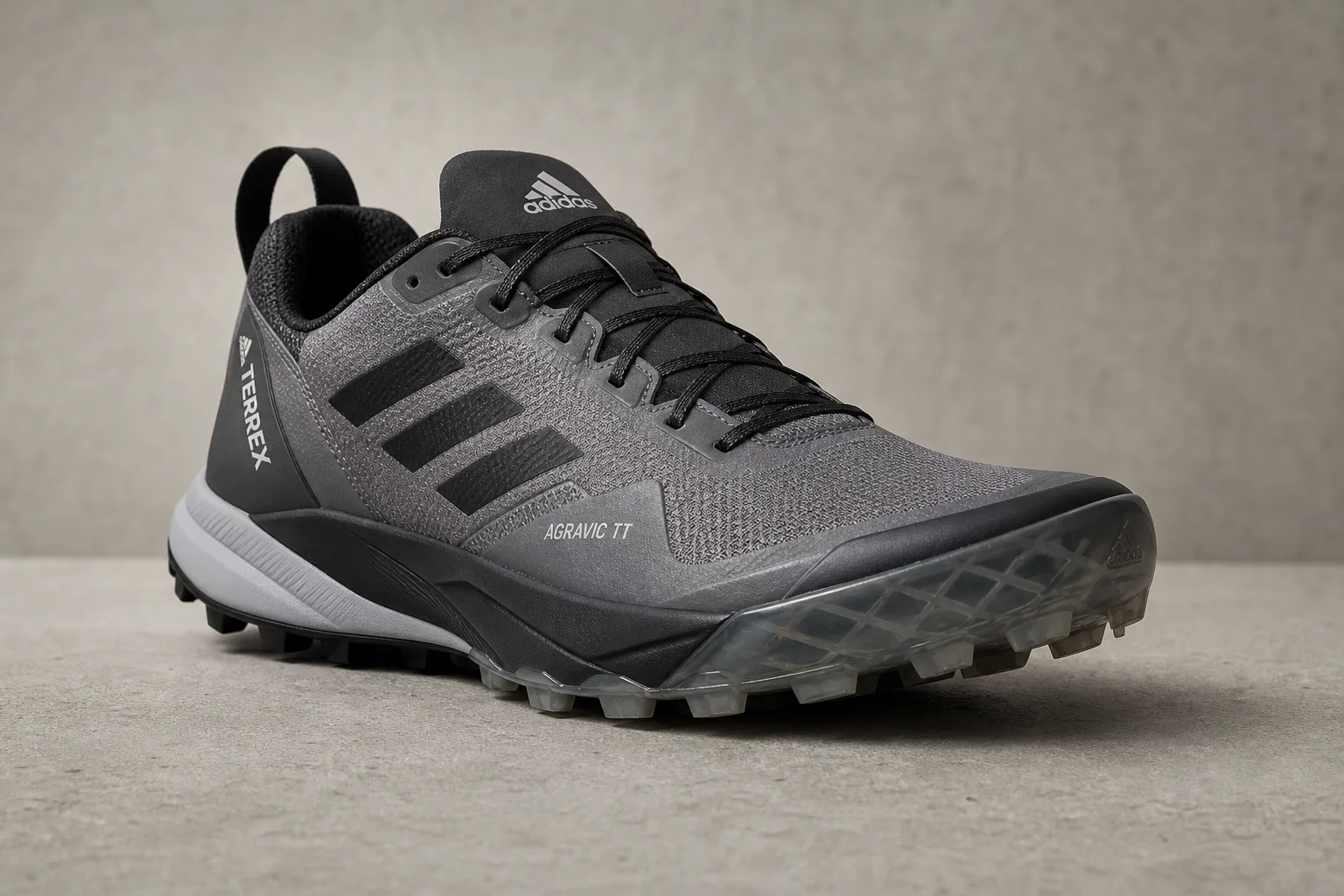
Adidas Terrex Agravic TT Review: A Technical Trail Shoe Built for Rocky Terrain
The Adidas Terrex Agravic TT combines a full-coverage rock plate with a firmer midsole to deliver protection and stability on technical, rocky trails. A capable choice for runners who prioritize underfoot defense over lightweight cushioning.
Trail Running Shoes
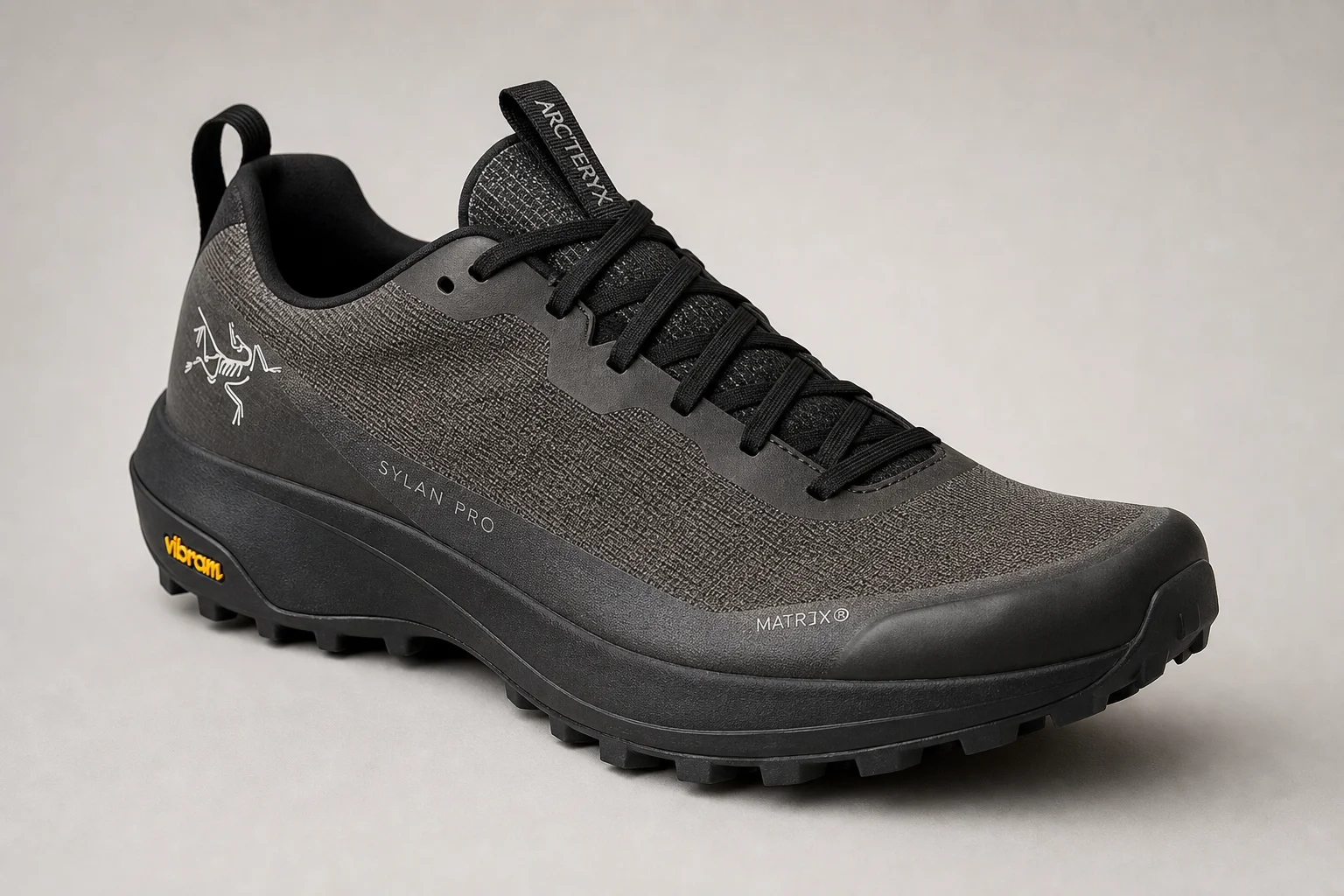
Arc'teryx Sylan Pro Review: A Rocker-Focused Mountain Running Shoe Tested on 20 Miles
The Arc'teryx Sylan Pro brings a pronounced rocker geometry and secure fit to mountain terrain. We tested it on a 20-mile Sawtooth loop to evaluate its climbing efficiency, protection, and handling of technical descents.
Trail Running Shoes
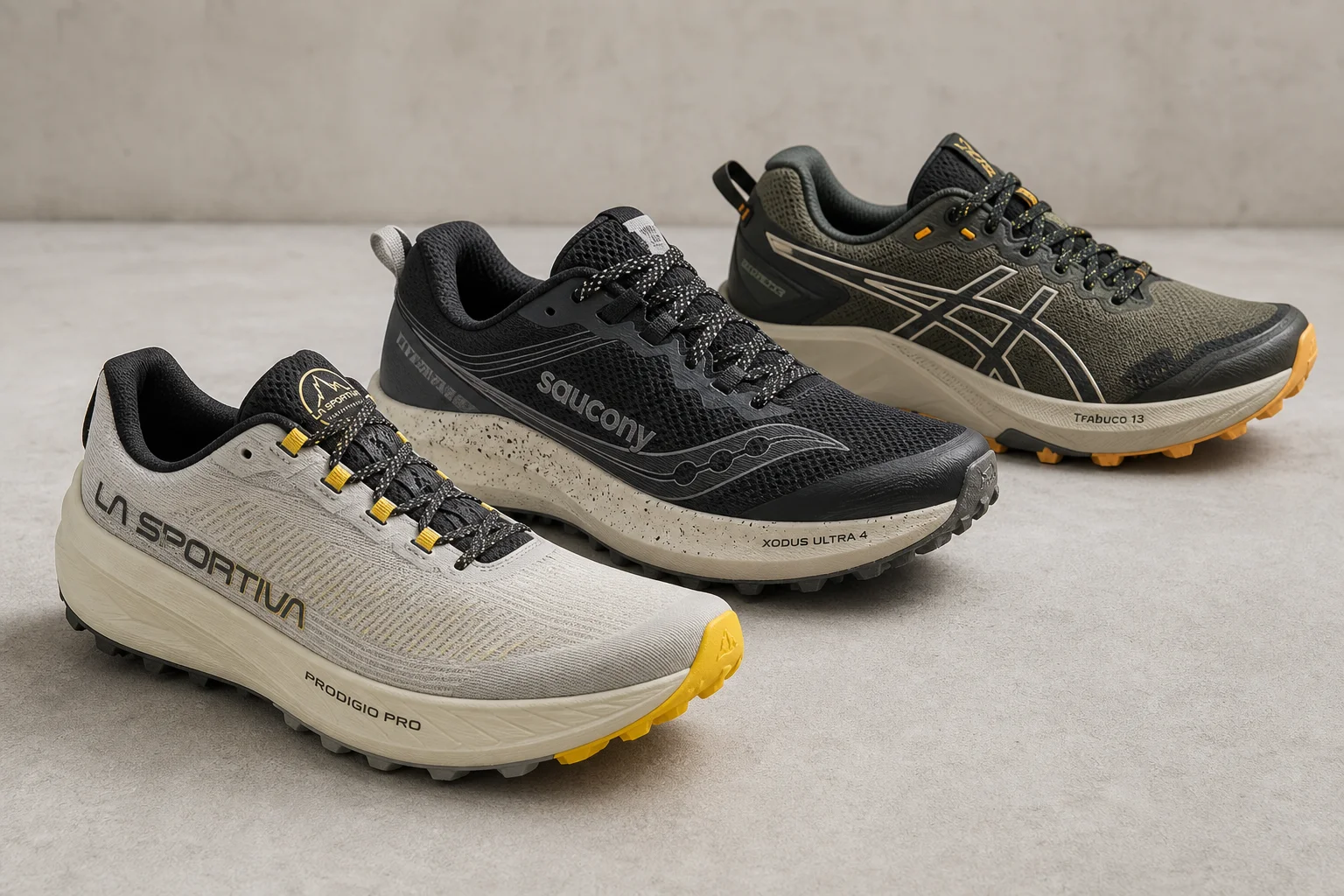
Best All-Mountain Trail Running Shoes: Three Versatile Options for Any Trail
A focused roundup of three all-mountain trail running shoes that handle technical terrain, long distances, and variable conditions with real strengths and practical trade-offs.