Trail Running Shoes
Norda 001A vs 001AG+: Durability-First Trail Shoes Compared
Two premium cushioned trail shoes built for ultra miles, with Dyneema uppers, Vibram grip, and very different weather protection trade-offs.
Introduction
Norda’s original 001 earned a cult following among ultra runners for one simple reason: it lasts. The latest generation doubles down on that identity with two main variants, the standard Norda 001A and the weatherised Norda 001AG+, alongside a more extreme Spike edition for snow and ice. Both shoes tested here are cushioned daily trail shoes designed for long miles, with distinctive styling and an unusually strong focus on durability.
After extensive testing in both models, the picture is clear: these are excellent, beautifully engineered trail shoes with a few deliberate compromises worth understanding before you spend premium money.
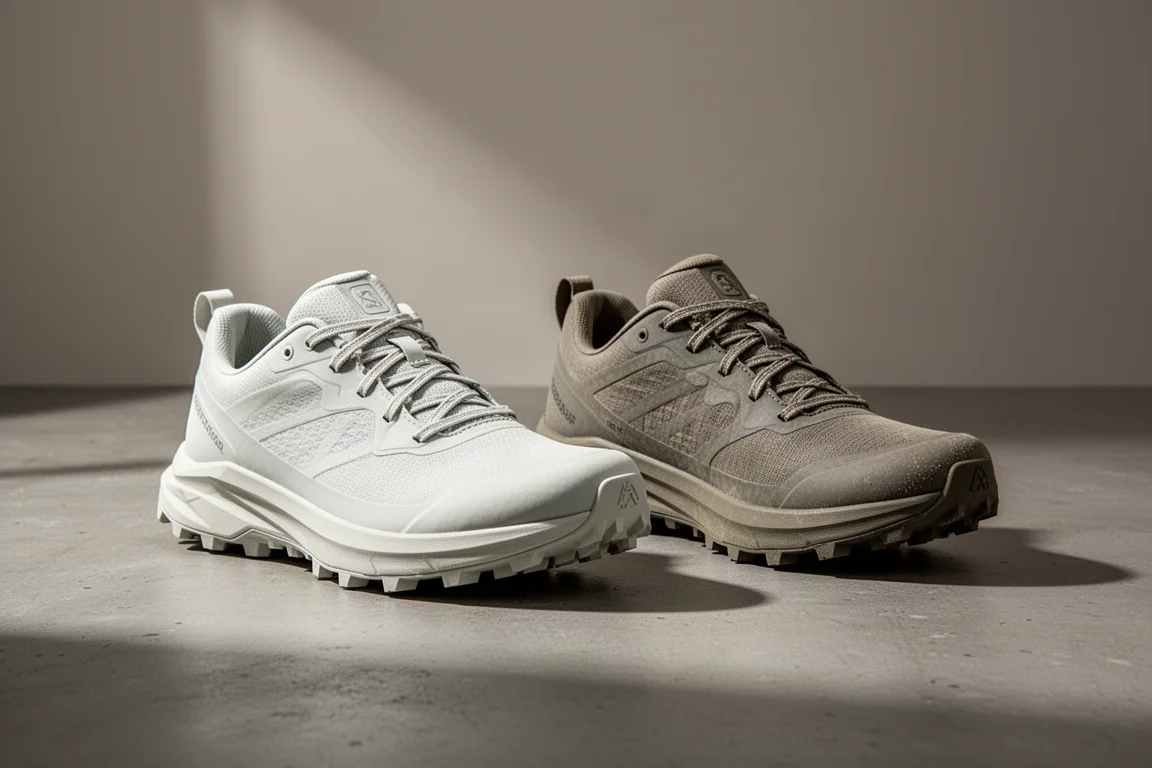
First Look: The Norda 001A Line-up
The 001A is the core shoe: a cushioned trail runner with a durable, structured upper and a midsole built to outlast conventional foam. The 001AG+ adds a weatherproof membrane without adding weight, aimed at riders and runners who face cold, wet conditions more often than not.
Styling is unmistakably Norda, and the light colourways look great on dry trails. That said, pale uppers take some courage if your local trails are frequently muddy.
Specs and Construction
Both the 001A and the AG+ share the same platform: 26 mm of cushioning at the heel, 21 mm in the forefoot, and a 5 mm drop. Norda lists both at 268 g (9.45 oz) in a US size 8.5. Pricing is firmly premium: the 001A costs £260 or $295, while the AG+ sits at $325 or £285.
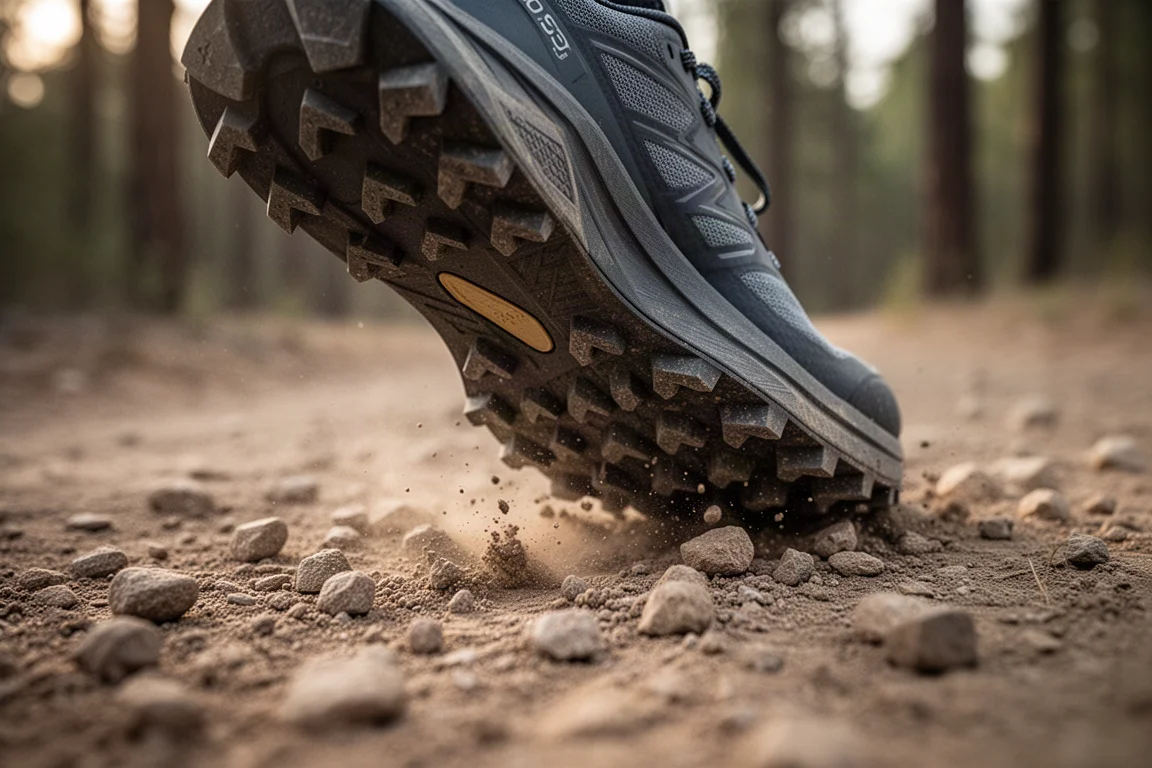
The midsole uses a proprietary Norda x Arnitel TPE blend, claimed to deliver 30 percent more rebound than the original 001 while weighing 10 percent less, all while retaining durability designed to go beyond 1,000 km. The upper is cut from sustainable bio-based Dyneema fibres, a material billed as 15 times stronger than steel at the same weight. The AG+ laminates a breathable graphene weather membrane into that upper for warmth and water resistance. Grip comes from Vibram Megagrip rubber with 5 mm lugs and a light base construction to save weight without losing stickiness.
Fit and Comfort
Norda recommends going half a size up in both shoes, and the advice is worth following. Sizing up delivered a roomy forefoot and solid midfoot lockdown. The toe box is generous, approaching the roominess of wider-fit brands, and the lock-lacing system makes dialling in a secure fit easy.
Comfort, however, has a break-in curve. The stiff, sparsely padded upper feels awkward at first and softens with miles. One tester logged around 40 km with no rubbing at all, praising the comfortable, structured fit. Another found the heel cup rubbed at the base of the heel and would happily trade a few extra grams for more padding there. Overall, this is not an instantly inviting, disappearing fit; it rewards patience and rewards you with durability instead.
On the Trail: Ride, Grip, and Weatherproofing
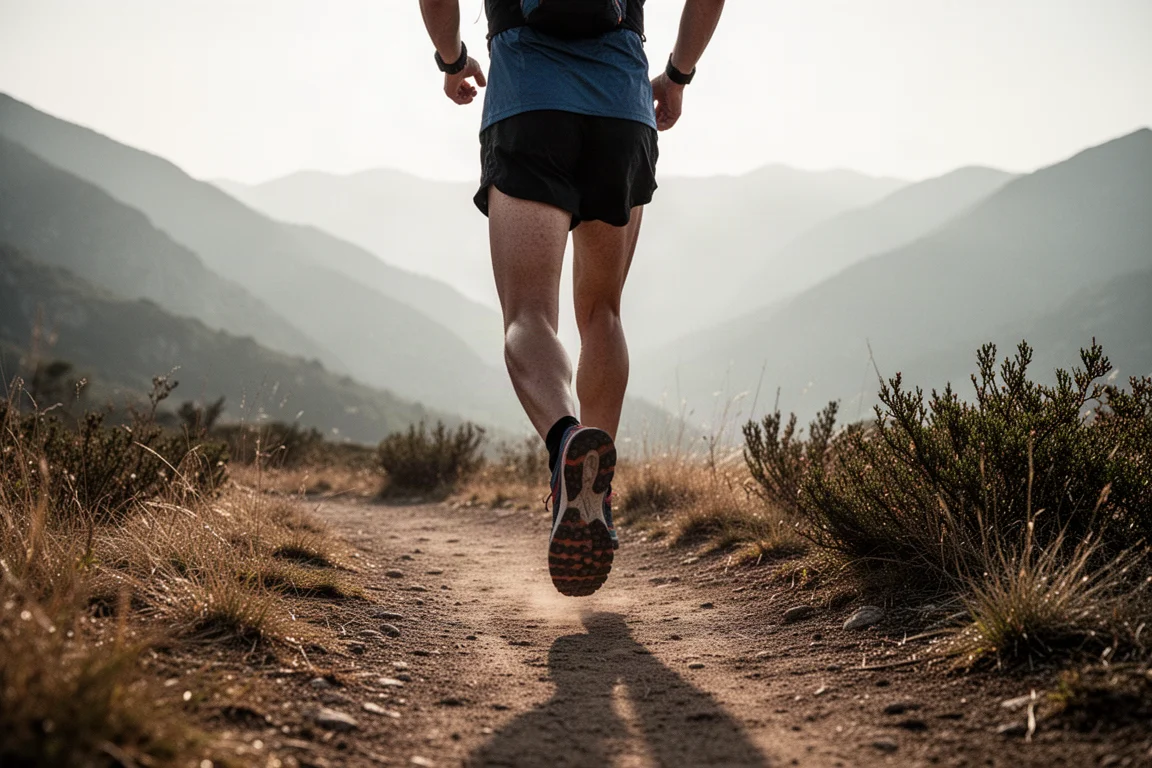
The midsole produces a mildly energetic ride, helped by a softening ETPU insole, with a good balance of softness, protection, and a hit of responsiveness. The platform feels grounded rather than plush, keeping you connected to the trail, especially through the forefoot. Feedback is muted compared with bouncier modern super trainers for the trails, which is a positive when descending steep terrain where control matters more than rebound.
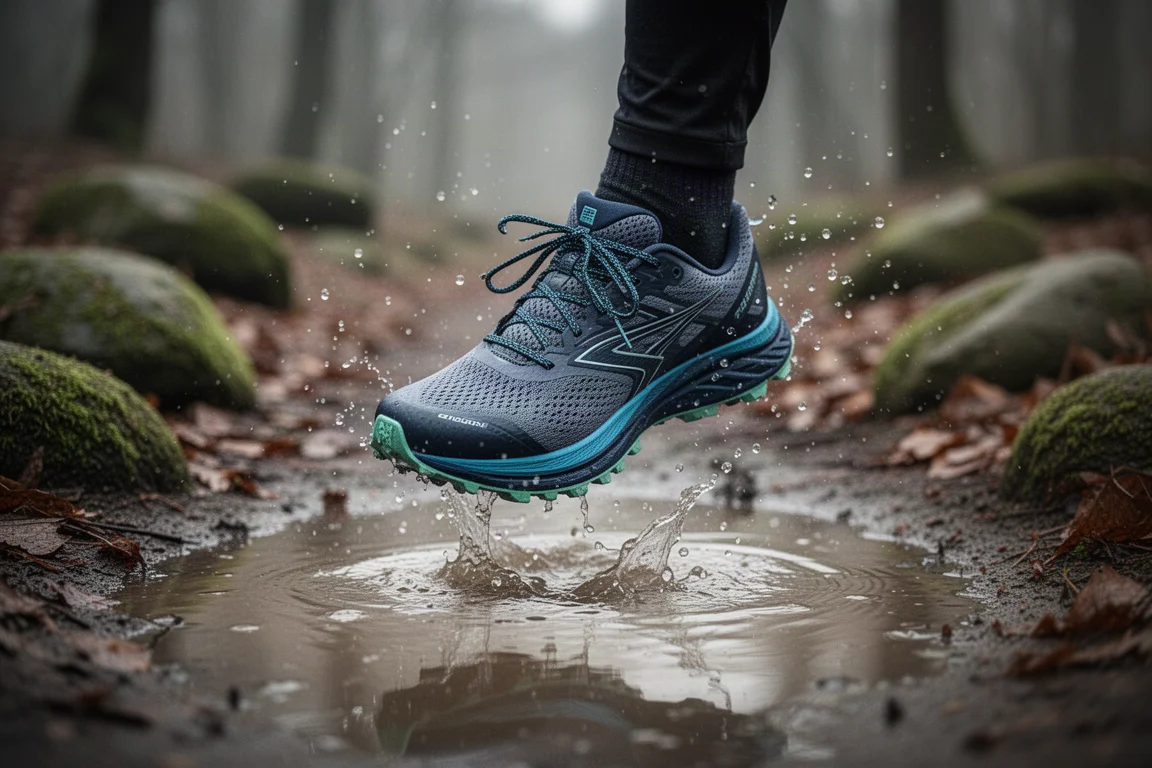
Grip is a genuine highlight. The shoes stuck confidently to wet rock, soggy singletrack, hardpack, grass, and forest floors, and stayed surefooted without feeling bogged down on runnable ground. On the AG+, the waterproofing is among the best tested: sustained assaults on deep puddles let nothing through. The trade-off is warmth, as the membrane can run hot in milder conditions. And while the shoes handle short road sections comfortably, long road stretches are not their natural habitat.
Durability: The Standout Trait
If there is one reason to pick a Norda, it is longevity. The AG+ test pair showed no signs of weakness over the test miles, and previous generations have been praised for being remarkably tough. Between the bulletproof Dyneema upper and the resilient midsole, there is a real possibility these shoes will still feel fresh long after typical trail shoes have broken down. The 5 mm lugs are also not deep enough for really boggy, muddy ground, so treat them as a dry-to-moderate-condition shoe rather than a winter mud specialist.
Who Should Buy Which Model
For most buyers, the standard 001A is the smarter investment. It delivers the same performance as the AG+ for noticeably less money, and the waterproofing of the G+ version is a nice-to-have rather than a must-have for many runners. If you regularly run in cold, wet conditions and value keeping water out above breathability, the AG+ earns its premium.

If you are an ultra runner, or a trail runner who wants one premium do-it-all pair with comfort and longevity above all else, the 001A in particular makes a compelling case. It runs nippy for its weight, feels smooth on harder surfaces, and is comfortable enough for very long days out.
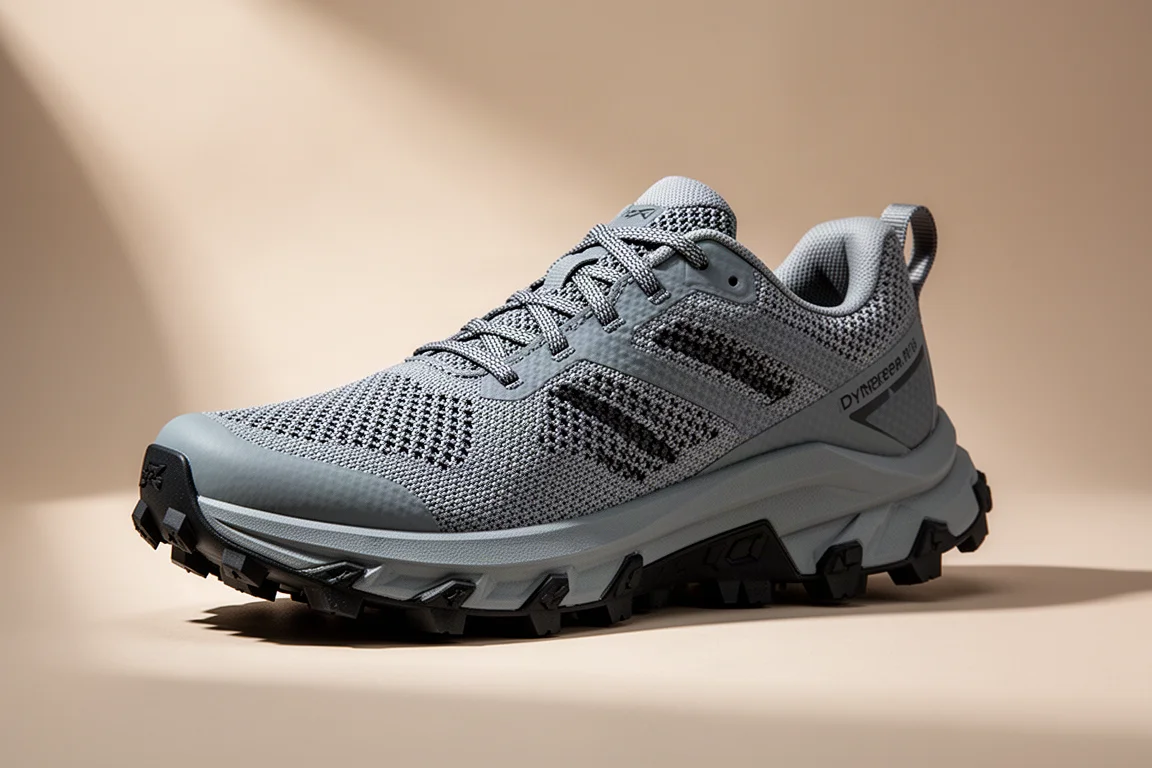
The AG+ remains the pick for wet-weather specialists, but at its higher price it is harder to justify unless that weather protection is genuinely part of your routine.
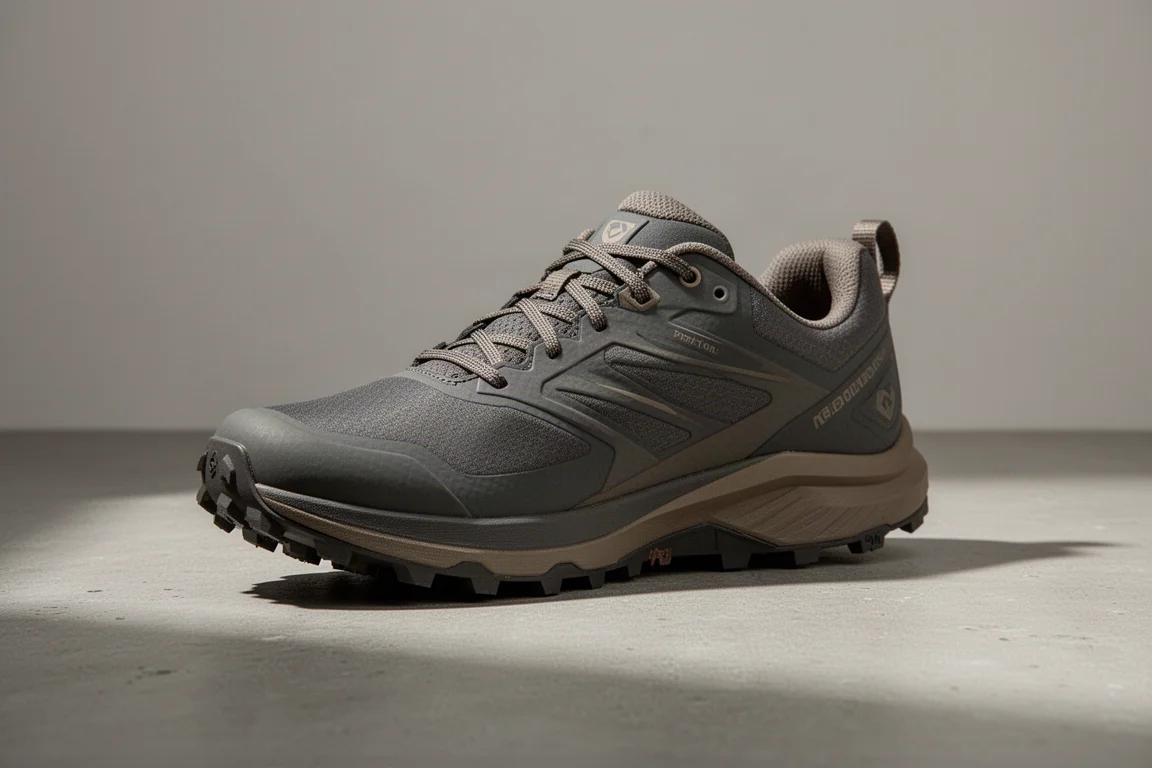
Buying Advice
Value is the honest sticking point. At these prices, more affordable rivals such as the Hoka Speedgoat 7 or The North Face Vectiv Enduris 4 cover the same types of runs and trails for less money, and for many runners they do everything needed. Choose the Norda if durability, premium materials, and that distinctive design matter enough to justify the investment, and size up half a size when you order.
Conclusion
The Norda 001A and 001AG+ are excellent, cleverly designed trail shoes built by people who clearly run long. Fantastic grip, a balanced ride, and standout longevity offset a stiff initial fit, limited deep-mud capability, and a high price. The 001A is the stronger recommendation for most runners; the AG+ makes sense only if waterproofing genuinely matters to you.
Further reading
Related Reviews
Trail Running Shoes
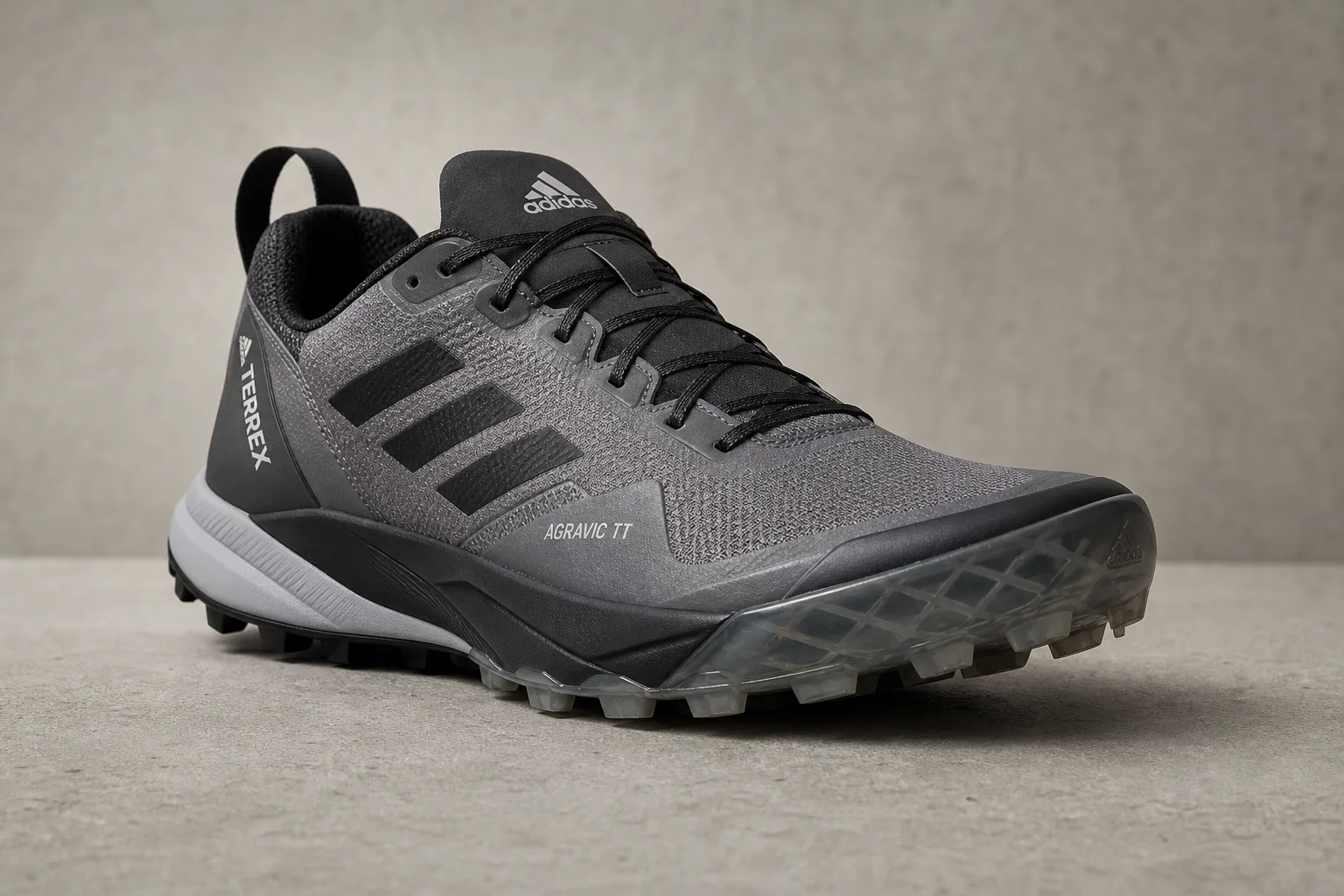
Adidas Terrex Agravic TT Review: A Technical Trail Shoe Built for Rocky Terrain
The Adidas Terrex Agravic TT combines a full-coverage rock plate with a firmer midsole to deliver protection and stability on technical, rocky trails. A capable choice for runners who prioritize underfoot defense over lightweight cushioning.
Trail Running Shoes
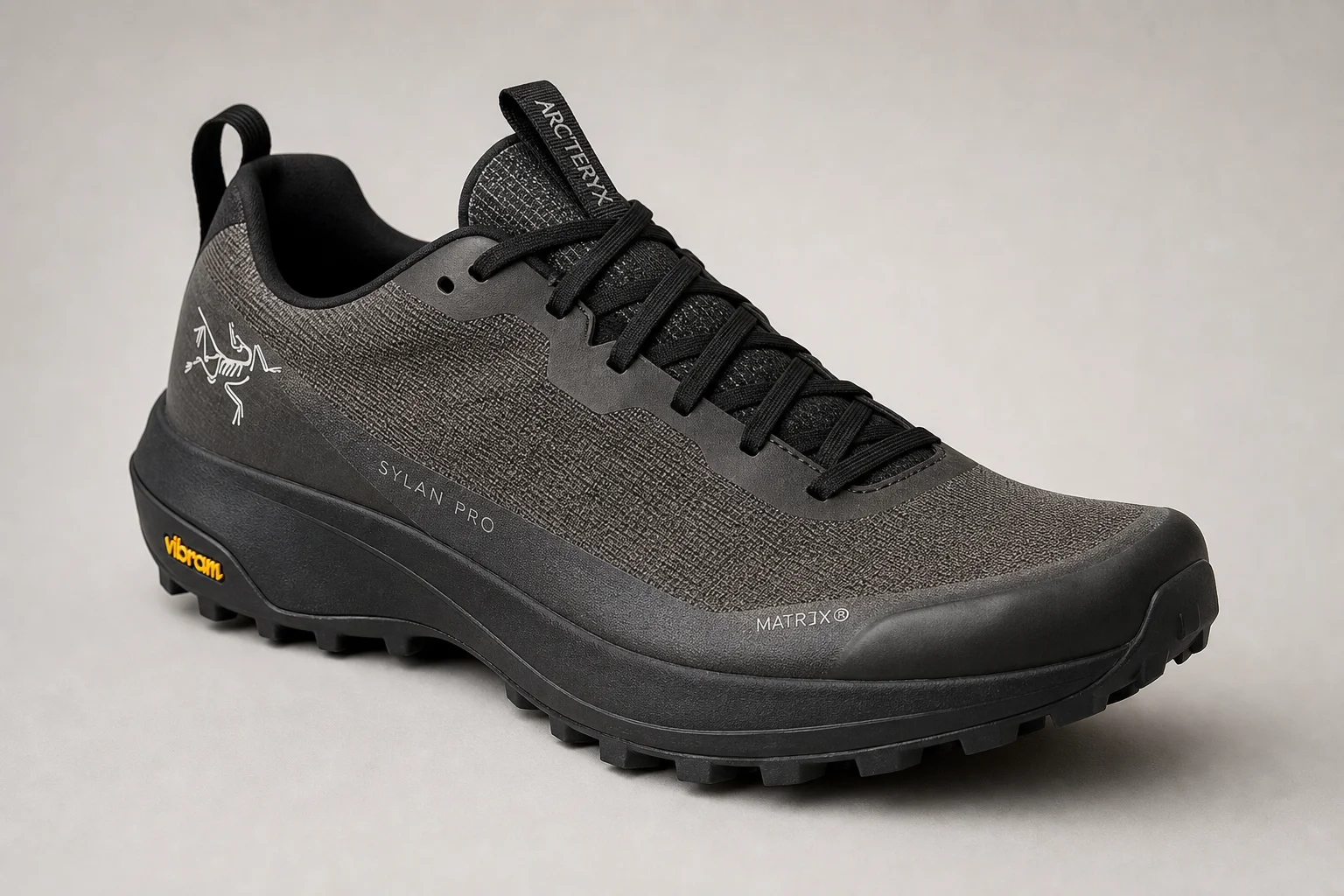
Arc'teryx Sylan Pro Review: A Rocker-Focused Mountain Running Shoe Tested on 20 Miles
The Arc'teryx Sylan Pro brings a pronounced rocker geometry and secure fit to mountain terrain. We tested it on a 20-mile Sawtooth loop to evaluate its climbing efficiency, protection, and handling of technical descents.
Trail Running Shoes
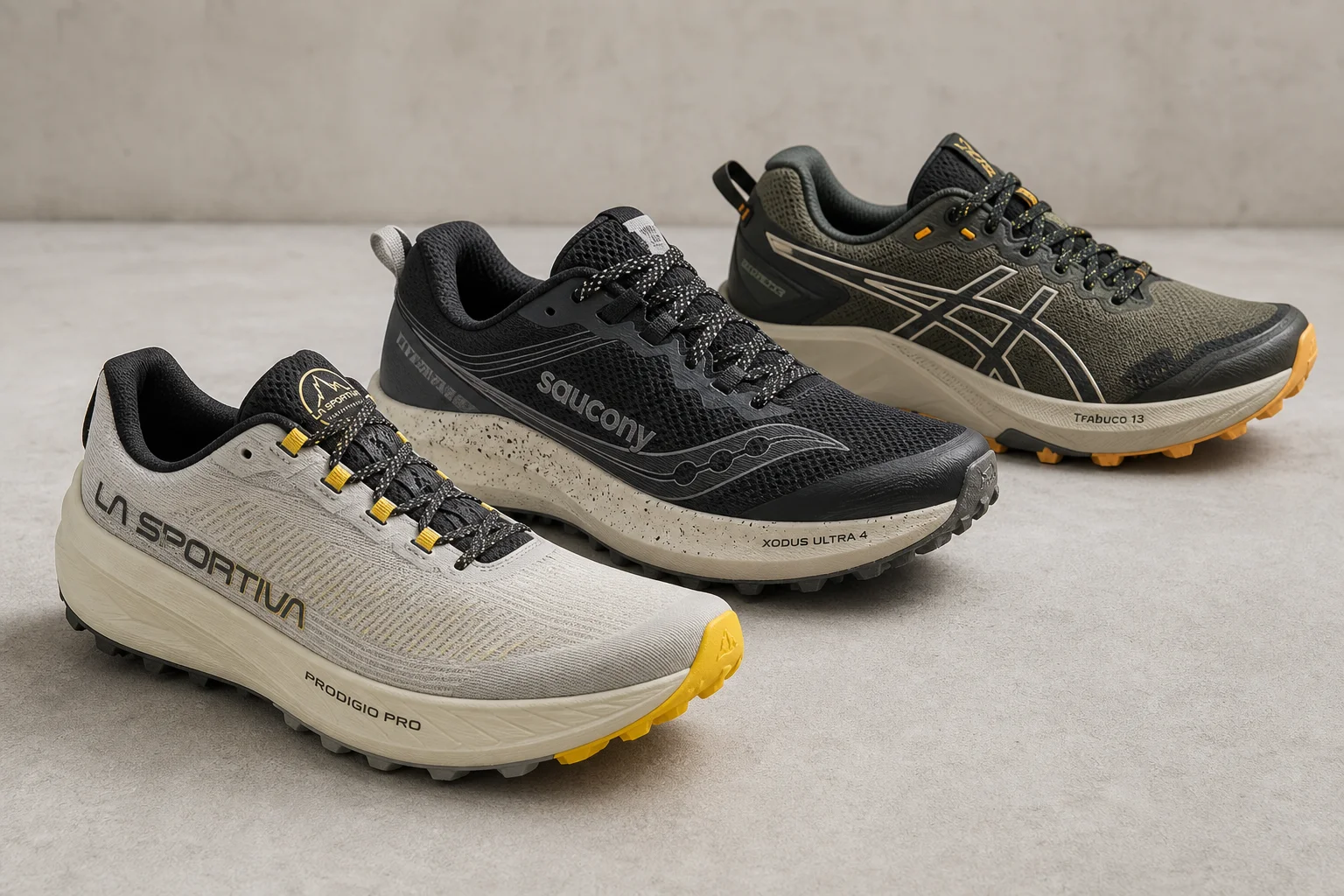
Best All-Mountain Trail Running Shoes: Three Versatile Options for Any Trail
A focused roundup of three all-mountain trail running shoes that handle technical terrain, long distances, and variable conditions with real strengths and practical trade-offs.