Trail Running Shoes
NNormal Kjerag Review: A Modern Minimal Trail Shoe Built to Last
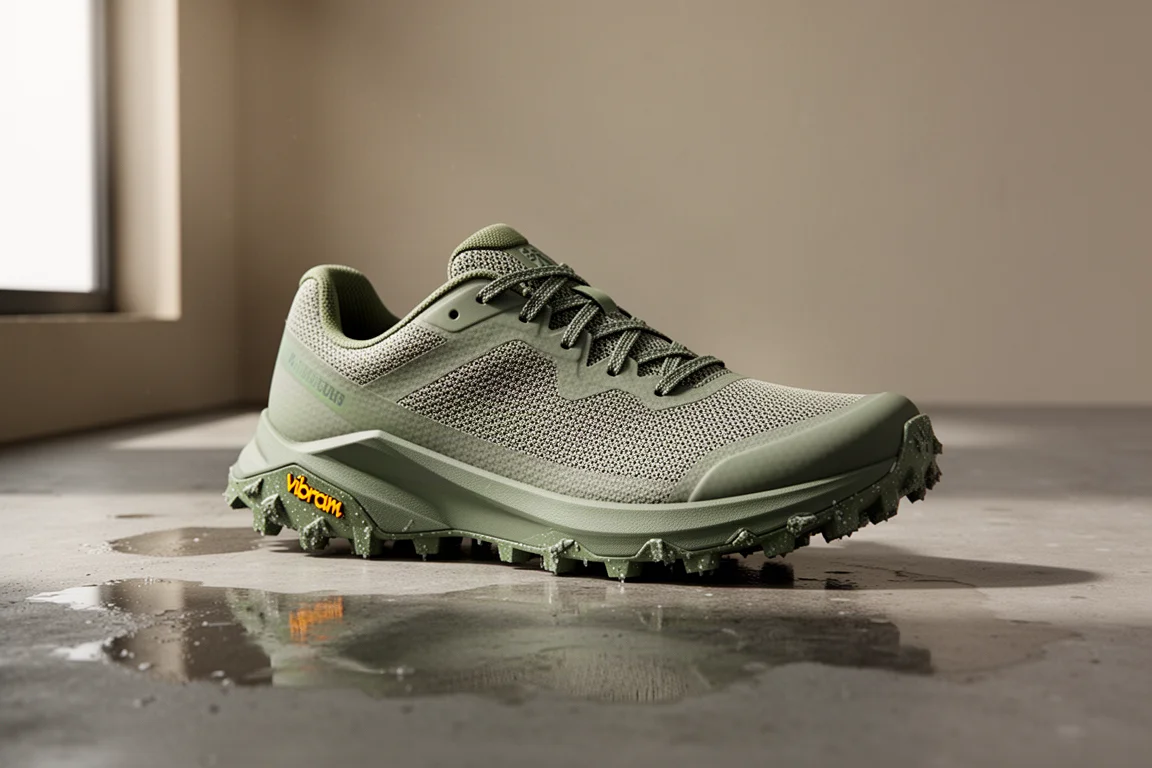
The NNormal Kjerag pairs a low 25/19mm stack with Vibram Megagrip and a tough woven upper, delivering ground feel and control for trail runners who want to stay connected.
Introduction
The NNormal Kjerag has been out long enough to prove it is not a passing experiment. There is no update on the horizon, so what you see now is what you will be buying: a shoe that has already gathered plenty of praise and some criticism across the trail running community. It is the first shoe from NNormal, the brand dreamed up by Kilian Jornet, whose “new normal” idea is simple: make genuinely great, sustainable trail shoes that last a long time and can handle a wide range of terrain.
After recent runs in it, the Kjerag fits best in a category best described as modern minimal. It is minimal in the sense of a low stack and lots of ground feel, not minimal in the old-school razor-thin sense.
Who This Shoe Is For
The stack sits at 25mm in the heel and 19mm in the forefoot, which is unusually low in today’s trail shoe market. There is no rock plate hidden in there either. The only thing between your foot and the trail is the Xure midsole, which is softer than expected for such a low build and offers a touch of responsiveness, though mostly you get a consistent, connected feel that will break in over time.

If you want control and ground feel, this shoe delivers both in abundance. Runners who prefer high-stack cushioning and maximum protection should look elsewhere, because the Kjerag makes no concessions in that direction.
Grip That Rewards Dry Ground
The outsole is a Vibram Megagrip Lite Base with 3.5mm lugs, and the rubber itself is excellent. On dry rock, sandy trails, stream crossings, and rocky sections, grip was confident and dependable. Vibram remains the benchmark for both grip and durability, and it shows here.
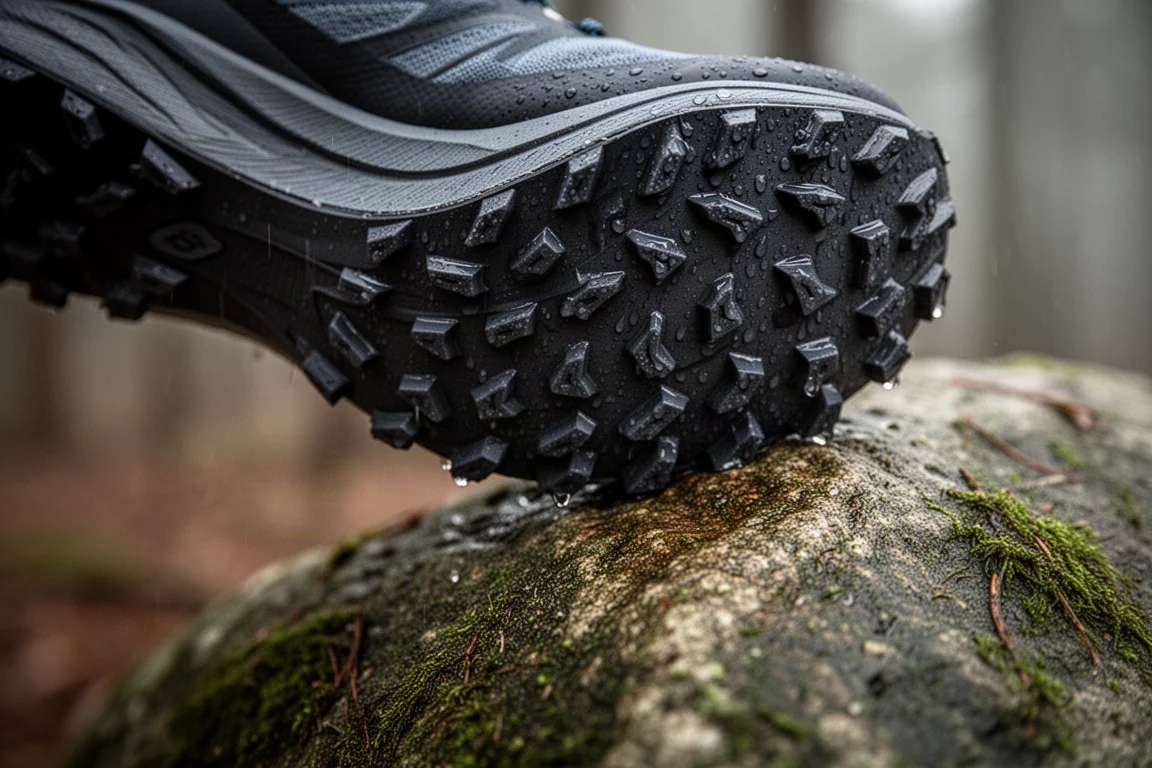
The 3.5mm lug depth is the main criticism some runners raise. It is fine for dry terrain, but in deeper mud the shoe simply is not designed for it. That is a fair trade-off for the versatility and longevity the sole provides everywhere else.
A Woven Upper That Shrugs Off Abrasion
The upper is a jacquard matrix woven material that is tightly constructed and clearly abrasion resistant. It does not feel like it will break down anytime soon, which fits with reports of runners putting serious mileage, well beyond typical shoe lifespans, into a single pair. Minimal overlays wrap around where the upper meets the midsole, and they feel equally secure.

The Fit Is the Reason to Come Back
The fit is the standout. It runs slim enough that most people should go down a half size, especially for racing or shorter, faster efforts. One tester with an average-to-slightly-wide foot still found it comfortable, which suggests it can accommodate more foot shapes than its slim look implies.
The heel hold is particularly impressive. Heel slip is usually the weak point of a trail shoe, but here the heel locked in without any lacing tricks, staying put through technical trail work. The one genuine flaw is the tongue, which is fairly flimsy and folds in on itself when cinching down the laces.
Things to Consider Before Buying
On really technical trails, the Kjerag performed well, but expect tired feet afterward. The shoe is quite flexible and offers little protection underfoot, so the terrain will make itself known. That is by design, not a defect, but it matters for how you will feel the day after a long technical run.
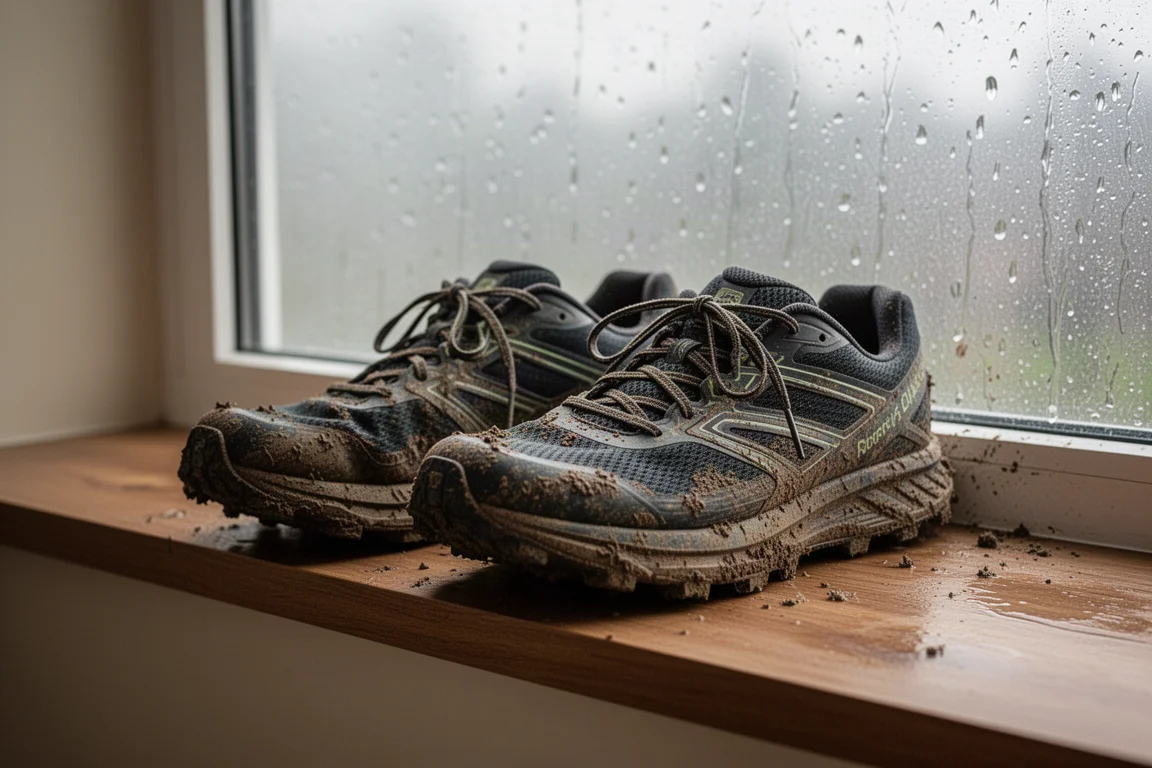
If you are used to generous stack heights and plush cushioning, this is not your shoe. If you want more protection, a mid-stack option in that direction is a better fit. But if you want a traditional trail shoe feel with modern materials, control, and durability measured in years rather than months, the Kjerag is an easy recommendation.
Conclusion
The NNormal Kjerag is a confident, focused shoe: low stack, soft-but-consistent Xure midsole, Vibram Megagrip traction, an abrasion-resistant woven upper, and one of the better trail shoe fits around. Its weaknesses are specific and easy to judge against your own needs: shallow lugs for mud, a flimsy tongue, and minimal underfoot protection. For runners who value ground feel and long-term durability, it is a shoe worth owning.
Product link
View more details for NNormal Kjerag
This product is mentioned in the review. Check the specifications, options, and compatibility before buying.
View more details for NNormal KjeragFurther reading
Related Reviews
Trail Running Shoes
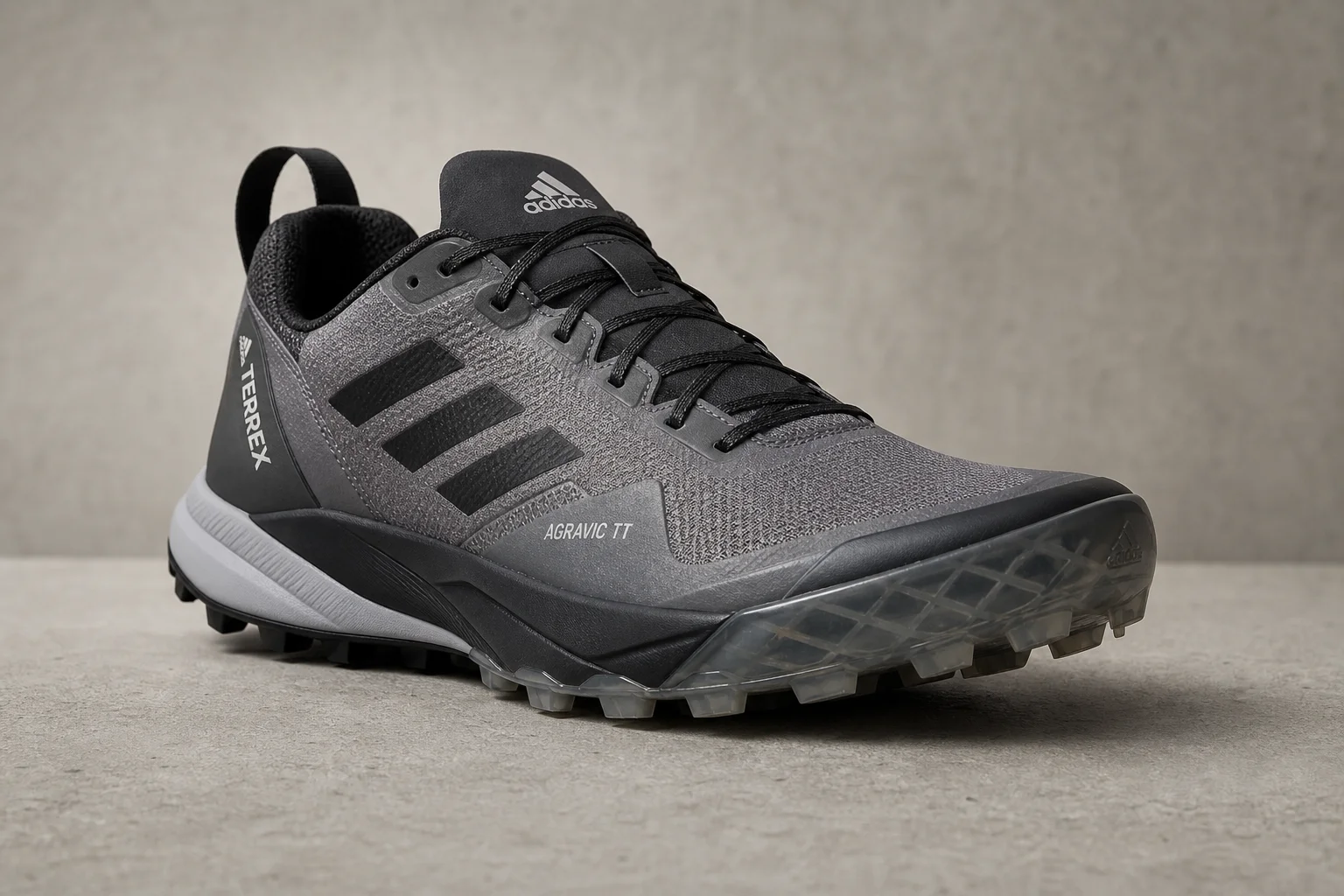
Adidas Terrex Agravic TT Review: A Technical Trail Shoe Built for Rocky Terrain
The Adidas Terrex Agravic TT combines a full-coverage rock plate with a firmer midsole to deliver protection and stability on technical, rocky trails. A capable choice for runners who prioritize underfoot defense over lightweight cushioning.
Trail Running Shoes
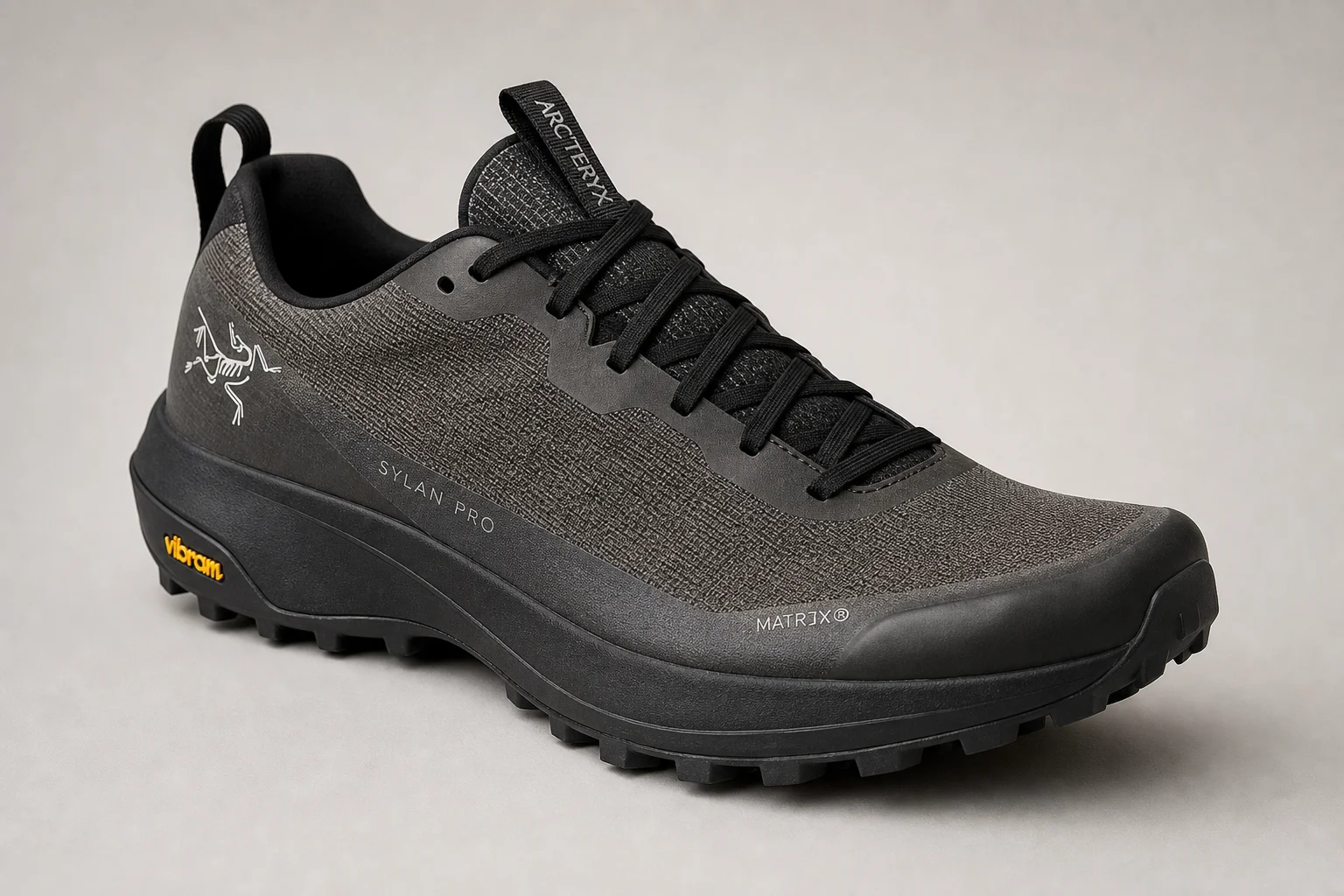
Arc'teryx Sylan Pro Review: A Rocker-Focused Mountain Running Shoe Tested on 20 Miles
The Arc'teryx Sylan Pro brings a pronounced rocker geometry and secure fit to mountain terrain. We tested it on a 20-mile Sawtooth loop to evaluate its climbing efficiency, protection, and handling of technical descents.
Trail Running Shoes
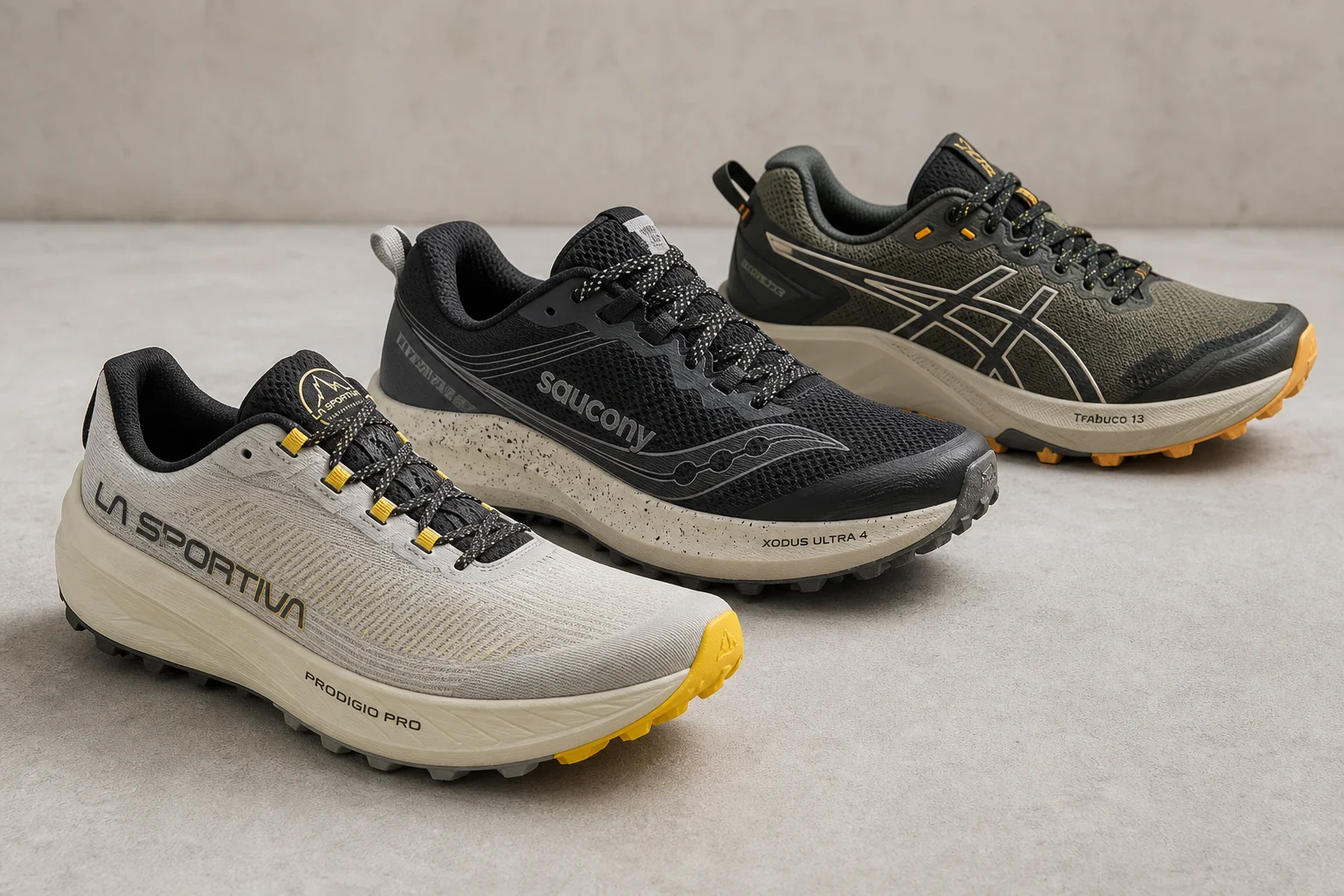
Best All-Mountain Trail Running Shoes: Three Versatile Options for Any Trail
A focused roundup of three all-mountain trail running shoes that handle technical terrain, long distances, and variable conditions with real strengths and practical trade-offs.