Trail Running Shoes
Nnormal Kbo Review: A Modular Trail Running Shoe With Switchable Midsoles
The Nnormal Kbo lets you swap midsole inserts to change the shoe's feel, but its narrow fit and weight are worth thinking about first.
Introduction
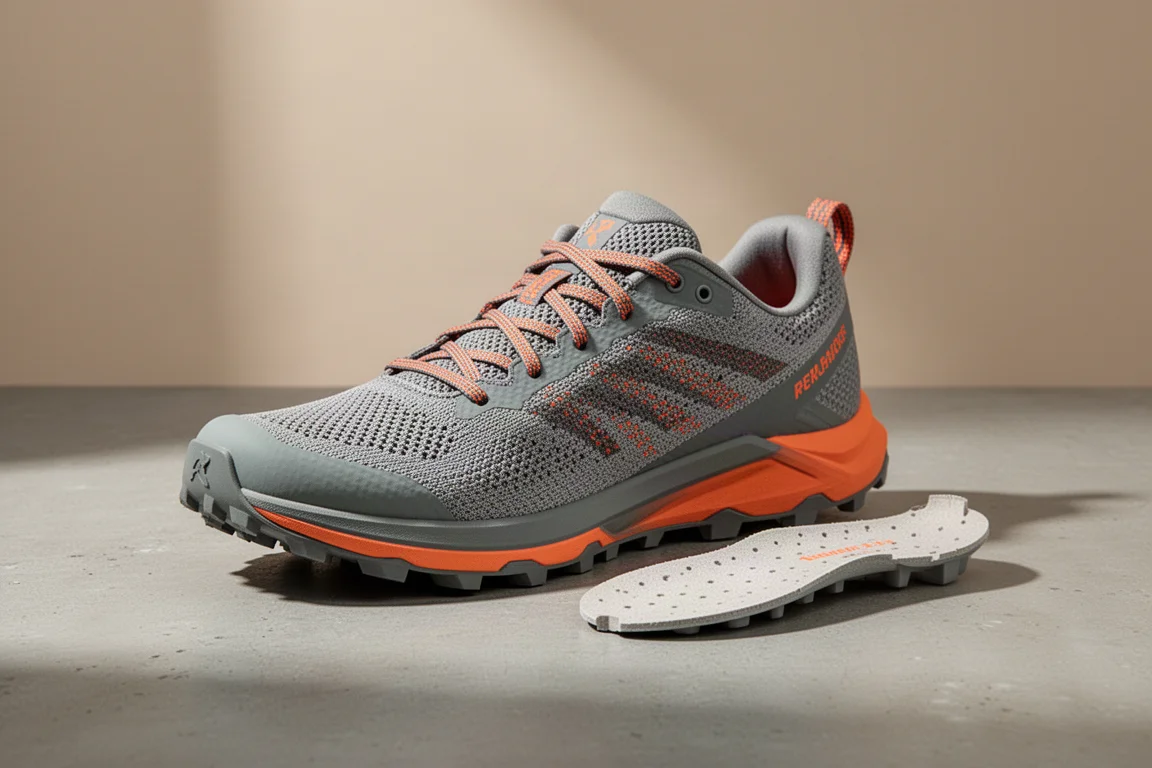
Most trail running shoes arrive looking like variations on a familiar theme, but the Nnormal Kbo genuinely does something different. Nnormal, the collaboration between Mallorca-based shoe brand Camper and Spanish mountaineer and trail runner Kilian Jornet, has built a modular trail shoe with a party trick: you can swap the midsole inserts in and out to give the same shoe a noticeably different feel and performance.
The idea is simple on paper. The shoe itself is essentially an upper and outsole, and the cushioning comes from one of three interchangeable midsole setups. Pick the insert that matches the run you have planned, pop it in, and head out. It is a clever concept, and one that raises an obvious question: is this what the future of running shoes looks like?
At a Glance: Price, Weight and Specs
The Kbo retails in the UK for £200, and that price includes the modular shoe plus two of the three available midsole setups:
- Soft midsole: a soft EVA supercritical foam aimed at easier, slower-paced recovery runs
- Reactive midsole: a TPU supercritical foam built for speed, with high levels of rebound
- Bounce midsole: a Pebax supercritical foam for maximum comfort on longer trail efforts
On the scales, the modular shoe on its own weighs 264g in a UK 9.5, which is remarkably light for a shoe with a full outsole. With the soft midsole installed it comes in at 348g, and with the slightly lighter reactive midsole it drops to 342g. That is heavier than you might expect for a shoe designed with speed in mind, especially with Kilian Jornet involved in development.

The official stats turned out to be hiding inside the shoe itself, on a small label on the medial side of the heel: a 6mm heel offset, 28mm of stack at the heel, 22mm under the forefoot, and a 4mm lug depth on the outsole. Those figures put it in the realm of a moderately cushioned, moderate-drop trail shoe.
Construction and Upper
The bulk of the upper is a lightweight Matrix Evo knitted material, designed to be light, breathable and highly durable all at once. Matrix uses a woven construction made from individually coated polyamide and Kevlar threads, and the material has a track record of holding up to tough, challenging trail miles.
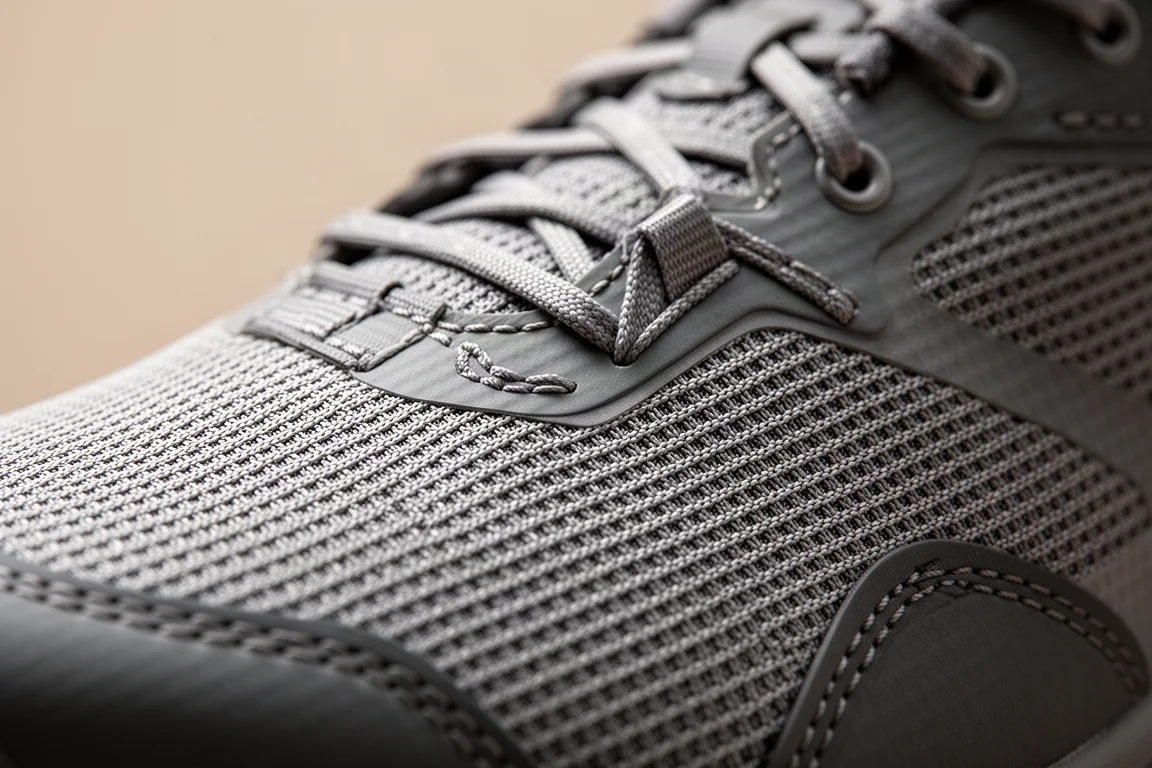
Elsewhere, the details are thoughtfully done. The tongue is gusseted inside the upper but very thin, with close to zero padding. There is a moderate level of padding around the ankle collar and in the heel cup, a standard lacing system with overlays around the lace eyelets for extra durability, and an added toe bumper up front for reinforcement. Unusually for a modern running shoe, there is stitching connecting the outsole to the upper, which should add a good level of durability.
Underfoot is a sticky Vibram Megagrip Litebase rubber outsole, which should perform well on rocky or wet rocky trails.
First Run: Soft Midsole Setup
The first loop went out with the soft midsole installed, and the immediate impression was plushness. It feels nice and comfortable underfoot, and one worry did not materialise: despite the midsole coming up quite high, there were no edges pressing into the foot at all. Compared with Nnormal’s Tomir 2.0, which some find a bit firm, the soft setup offers noticeably more plushness and comfort. It also felt very comfortable on hard surfaces, including the short sections of road on the route.

The main caveat came from fit. The length felt true to size in a UK 9.5, but the upper feels quite shallow in the toe box and at the midfoot once the deep midsole is in. Half a size up to a UK 10 would likely have provided more volume, which matters on longer runs when feet expand.
Second Run: Reactive Midsole Setup
Switching to the reactive midsole changed the character of the shoe immediately. It is a bit firmer, though still plush and cushioned. The cushioning feels slightly shallower in depth, which leaves a bit more room and volume in the upper, and the shoe feels closer to the ground, more connected, more responsive and more nimble.
The fit caution applies even more strongly here. The Kbo has a narrow toe box and shallow midfoot volume, and the midsole inserts themselves have quite high walls. If your foot does not sit exactly within the midsole and you rub against the outer edge, that could cause real problems over distance. This is a shoe for fairly narrow foot shapes.
Things to Consider Before Buying
A few practical points are worth weighing up before you commit:
- Sizing: go up half a size. Even on relatively narrow feet, the upper felt tight, and longer runs would likely need the extra volume of a UK 10.
- Fit shape: if you have a wide foot or simply like a roomy toe box, this probably is not the shoe for you.
- Weight: 342g with the reactive midsole in a UK 9.5 is heavy for a speed-focused setup. Under 300g would be a more compelling target for quicker training sessions or race day.
- Terrain: with a 4mm lug depth, this is a dry trail, spring-summer-autumn option rather than something for super muddy, boggy routes.
- Modular mechanism: some people find the midsoles tricky to get in and out. They have to fit very precisely and be very secure, so a bit of force and a bit of a knack are involved. It does get easier with practice, but long-term durability under repeated swapping is something only time will answer.
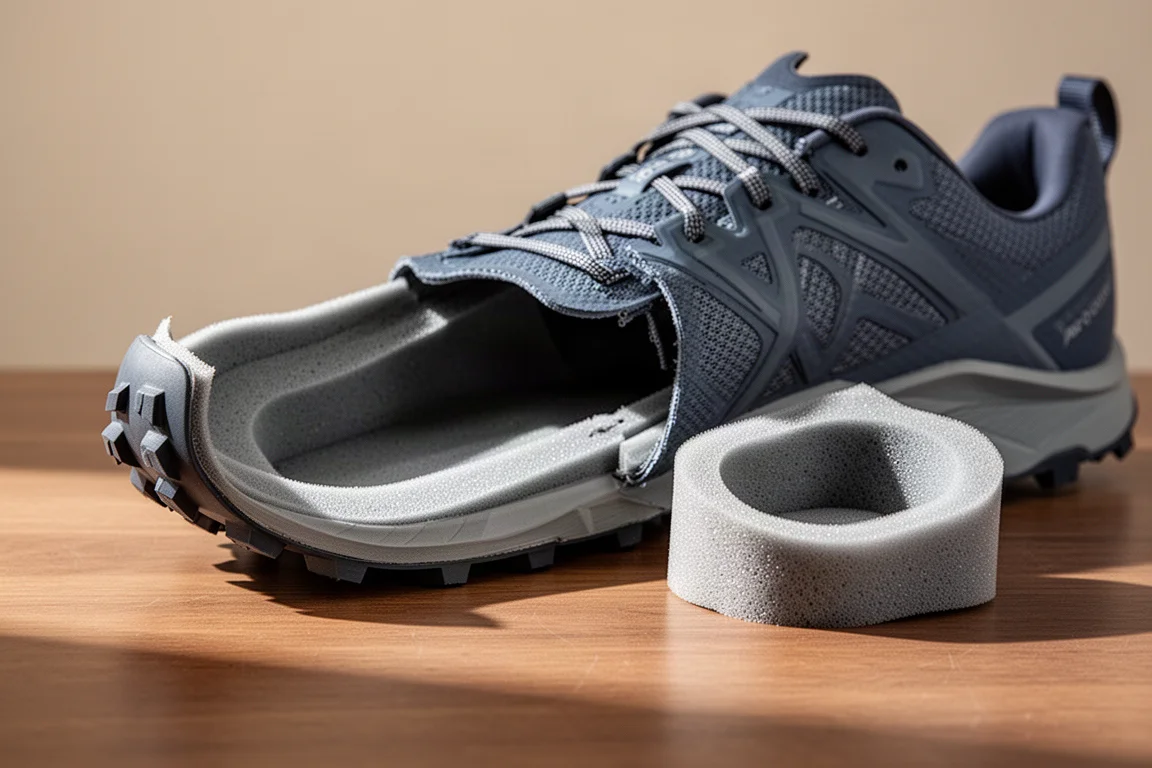
On the plus side, despite the lack of an obvious rock plate, underfoot protection was genuinely good, with sharp stony sections handled comfortably.
Buying Advice
The Kbo makes sense for runners with narrow feet who want one shoe that can cover both recovery plod and quicker technical sessions by swapping inserts. The soft midsole is the comfort pick, while the reactive setup suits faster running on technical trails. If your priority is a lightweight racer, the weight may put you off with either insert. Buy the half size up, keep your first run short at five or six miles to check the fit, and be prepared for a short learning curve with the midsole swaps.
Conclusion
The Nnormal Kbo is one of the most innovative trail running shoes in recent memory, and credit goes to Nnormal for bringing a concept Kilian Jornet has worked on for many years to the marketplace. It is not perfect: the fit is narrow, the weight is higher than expected, and the swap mechanism takes some getting used to. But it performed well on both midsole setups, held up over nearly nine miles on its first outing, and offers a genuine glimpse of what modular running shoes could become. If the concept fits your feet and your terrain, it does not disappoint.
Product link
View more details for Nnormal Kbo
This product is mentioned in the review. Check the specifications, options, and compatibility before buying.
View more details for Nnormal KboFurther reading
Related Reviews
Trail Running Shoes
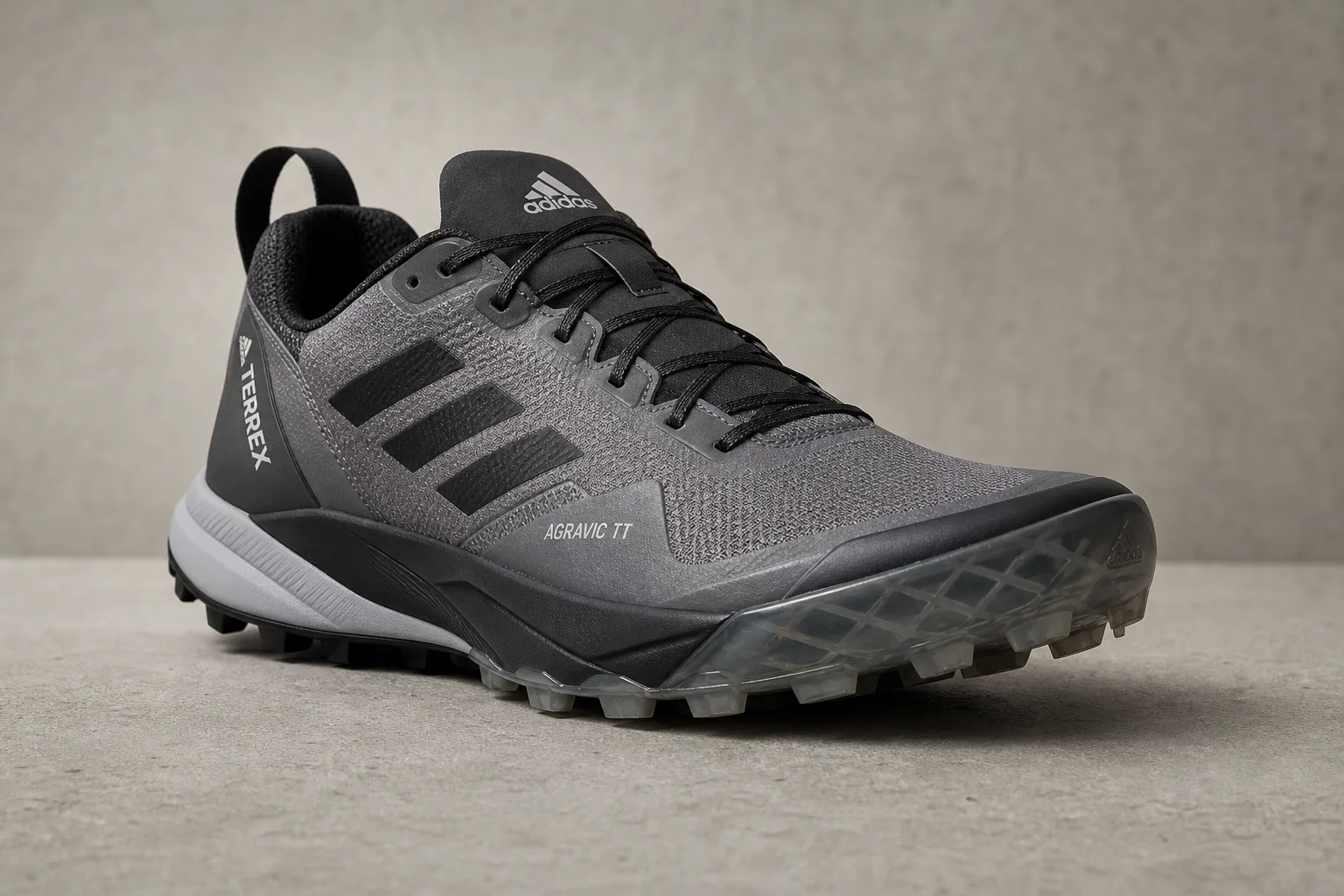
Adidas Terrex Agravic TT Review: A Technical Trail Shoe Built for Rocky Terrain
The Adidas Terrex Agravic TT combines a full-coverage rock plate with a firmer midsole to deliver protection and stability on technical, rocky trails. A capable choice for runners who prioritize underfoot defense over lightweight cushioning.
Trail Running Shoes
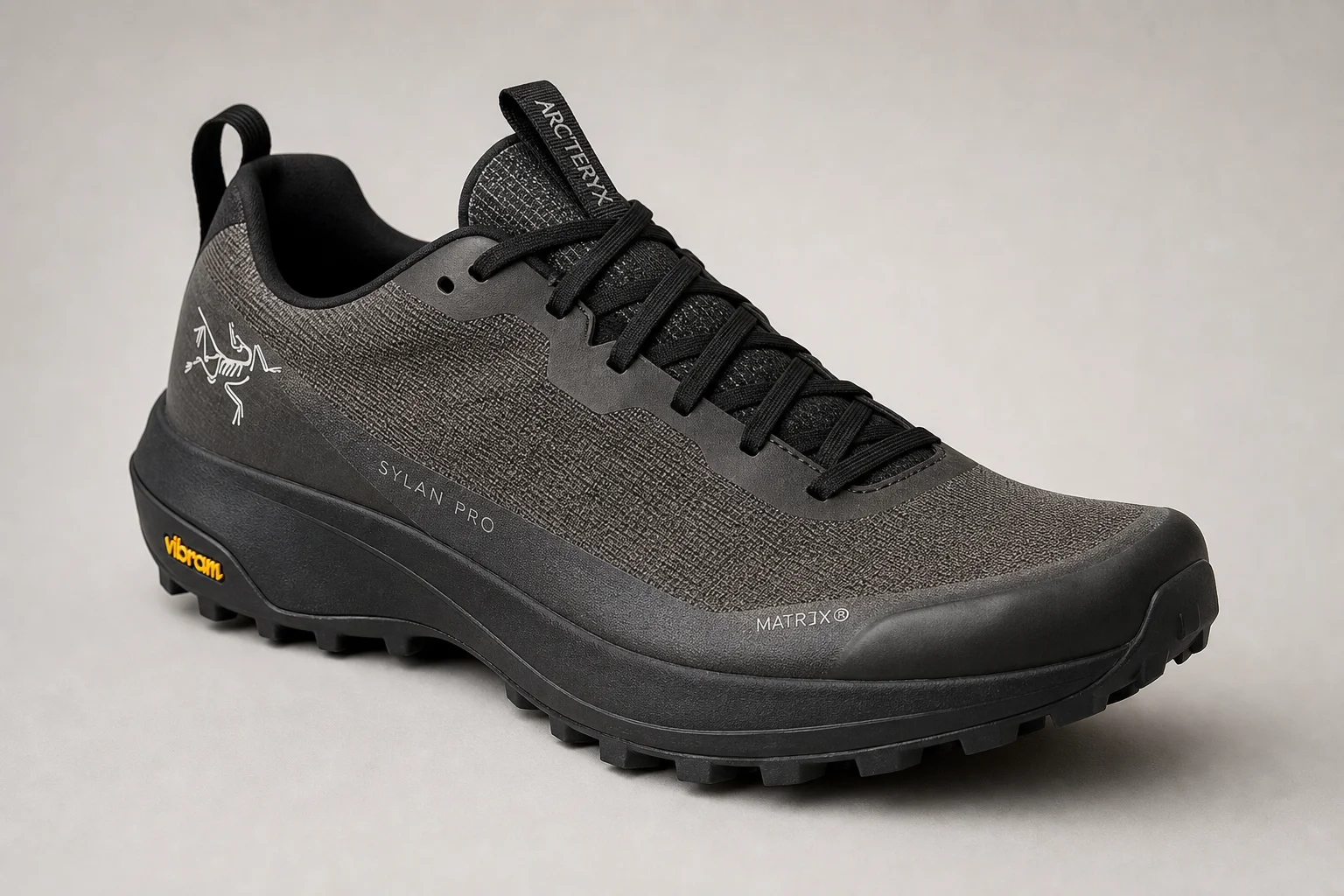
Arc'teryx Sylan Pro Review: A Rocker-Focused Mountain Running Shoe Tested on 20 Miles
The Arc'teryx Sylan Pro brings a pronounced rocker geometry and secure fit to mountain terrain. We tested it on a 20-mile Sawtooth loop to evaluate its climbing efficiency, protection, and handling of technical descents.
Trail Running Shoes
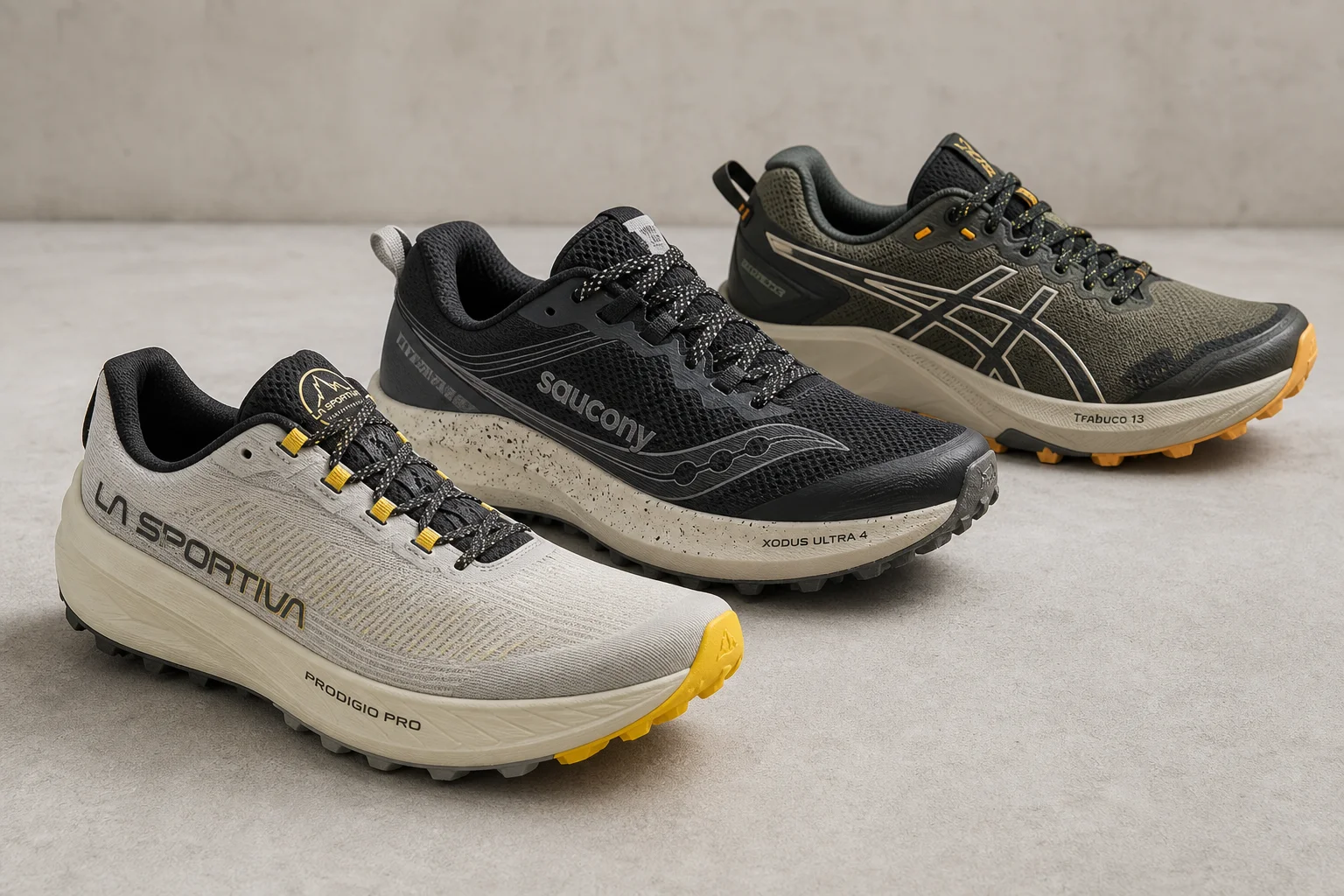
Best All-Mountain Trail Running Shoes: Three Versatile Options for Any Trail
A focused roundup of three all-mountain trail running shoes that handle technical terrain, long distances, and variable conditions with real strengths and practical trade-offs.