Snowboard Bindings
Nitro Team Pro Binding Review: Comfort Meets All-Mountain Charging
A damp, comfortable snowboard binding that still delivers real response for aggressive riders, tested over a full day of variable conditions.
Introduction
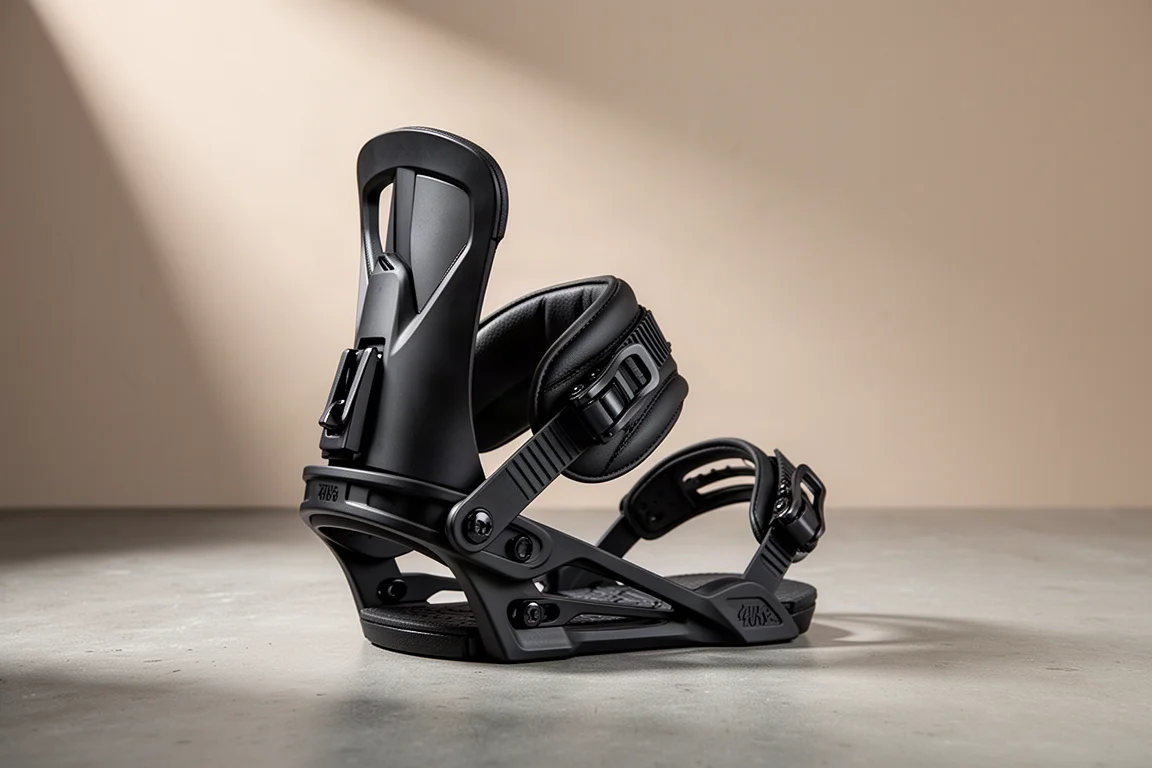
The Nitro Team Pro sits in an interesting spot. On paper it looks like a high performance binding, yet it ships with a padded ankle strap, the kind of detail that used to signal comfort-first design. After a full day of riding on it, the picture that emerged was of a damp, comfortable binding that still has enough response to satisfy riders who like to charge.
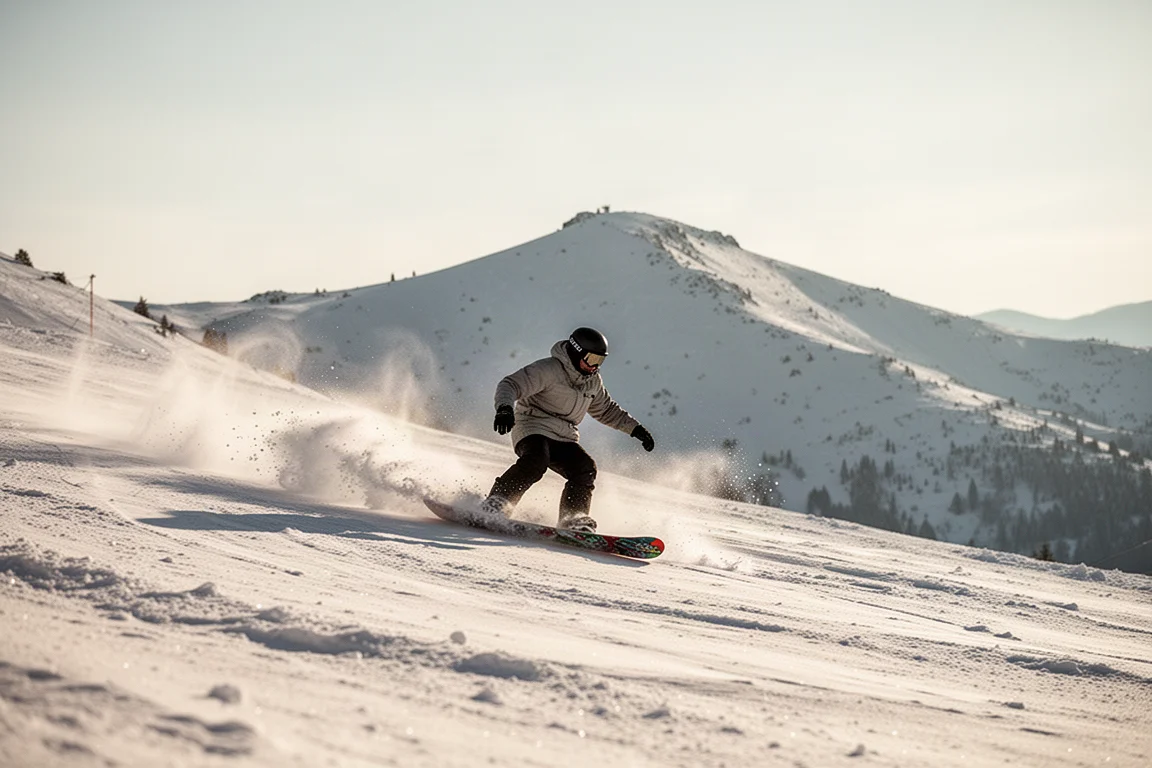
Testing took place over a full resort day that started sunny with soft snow and slowly firmed up as wind and clouds rolled in. That mix of soft morning snow and firmer afternoon conditions turned out to be a good stress test for a binding claimed to cut down on chatter.
First Impressions and Adjustments
Out of the box, the Team Pro is fairly adjustable while still being pretty standard in its layout. The highback has a forward lean adjuster with a screw inside the highback: unscrew it, slide it down, and set it before you ride, since it is not something you can change on the fly. The highback can also be rotated across three placements, though it is not something most riders will need to touch.
The heel cup adjusts by loosening two screws, one on each side, and sliding it into one of three locations so the boot sits fully centered. The straps use a flip tab system, so once you set one binding you can simply match the tab count on the other. The toe strap position also needs to be set before the binding is mounted to the board, and the binding uses a mini disc for micro adjustments to stance width plus a movable toe ramp.
Strap Performance
The padded ankle strap is the detail that raises eyebrows, but it proved more responsive than its padding suggests. One early quirk: when the strap looked centered, it would not tighten as much as expected. Shifting it slightly off center and smaller solved it, and after a couple of runs to dial it in, it gripped well, stayed comfortable, and delivered all the response needed. The outer side of the strap is larger and carries the pressure, which adds responsiveness without becoming uncomfortable.
The toe strap is a standout. It has a rubberized inner surface that grips extremely well, even on a square toe box that looks better suited to a rounded one. There were no pressure points, no discomfort from the chunkier outer side, and it held the boot down securely even during hard, drag-prone turns. It keeps its shape, does not crush the boot, and ranks among the favorite toe straps in recent memory.
Ratchets and Durability Notes
The ratchets are big, solid, and easy to grip. They release with one finger, engage with one finger, and work fine with mittens. The toe strap also has a large release, so nothing requires much effort.
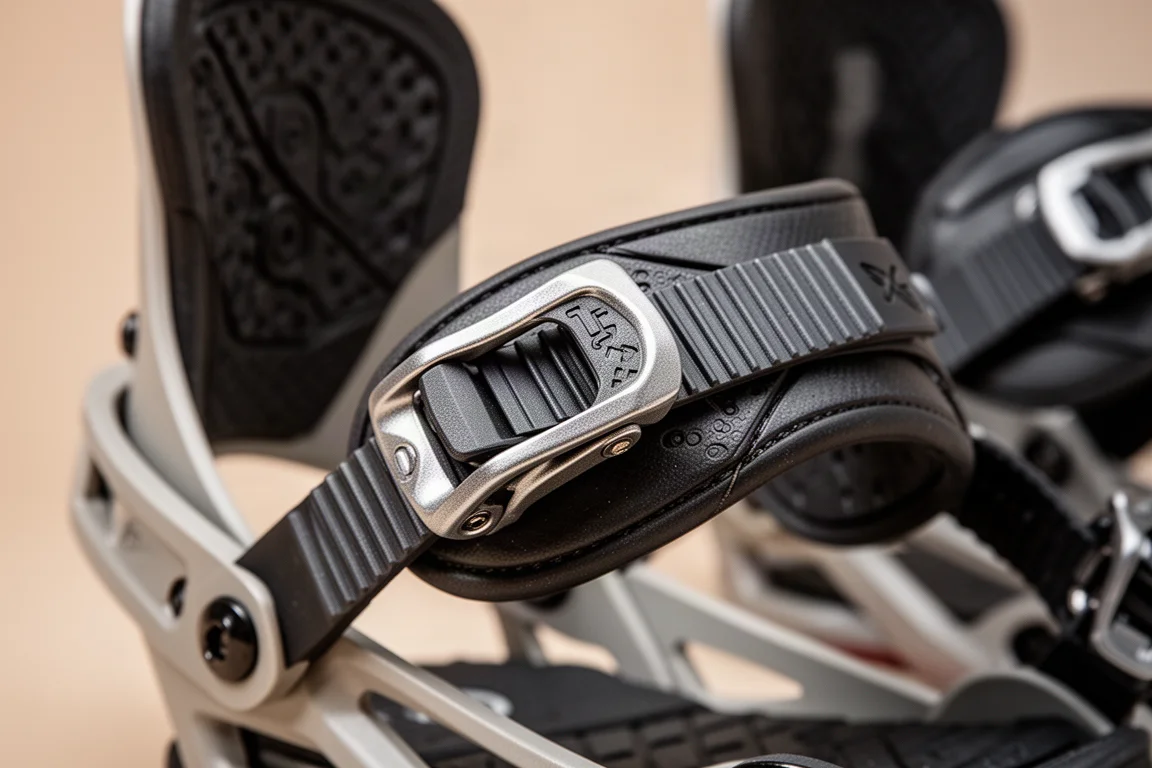
One durability note: the toe strap ladder on the test pair got chewed up by the ratchet while the other binding stayed perfect. On inspection this appeared to be an older ladder design that ended up on the sample pair, with the newer design showing zero wear. It is not something to hold against the production binding, and the ratchet housings are solid, keeping the screws from loosening or working out of the straps.
Ride Feel and Comfort
The asymmetrical highbacks sit a bit tall, so riders with low-cut boots may feel them in the calf. With a higher-cut boot they lined up perfectly with the cuff, and a small wing at the top adds lateral hold, making the binding feel more responsive rather than letting lateral play run free. Overall it is not the loosest binding, nor the most precise, sitting in a balanced middle with enough response to drive into toeside turns.
The flex picture is nuanced. It feels more locked in than loose, but still allows flex without clamping like a vice. The larger outer strap adds response on the outside of the board, while the smaller inner side leaves room to drive the knee toward the board’s center. The mini disc also lets the board flex naturally underfoot instead of creating a dead spot.
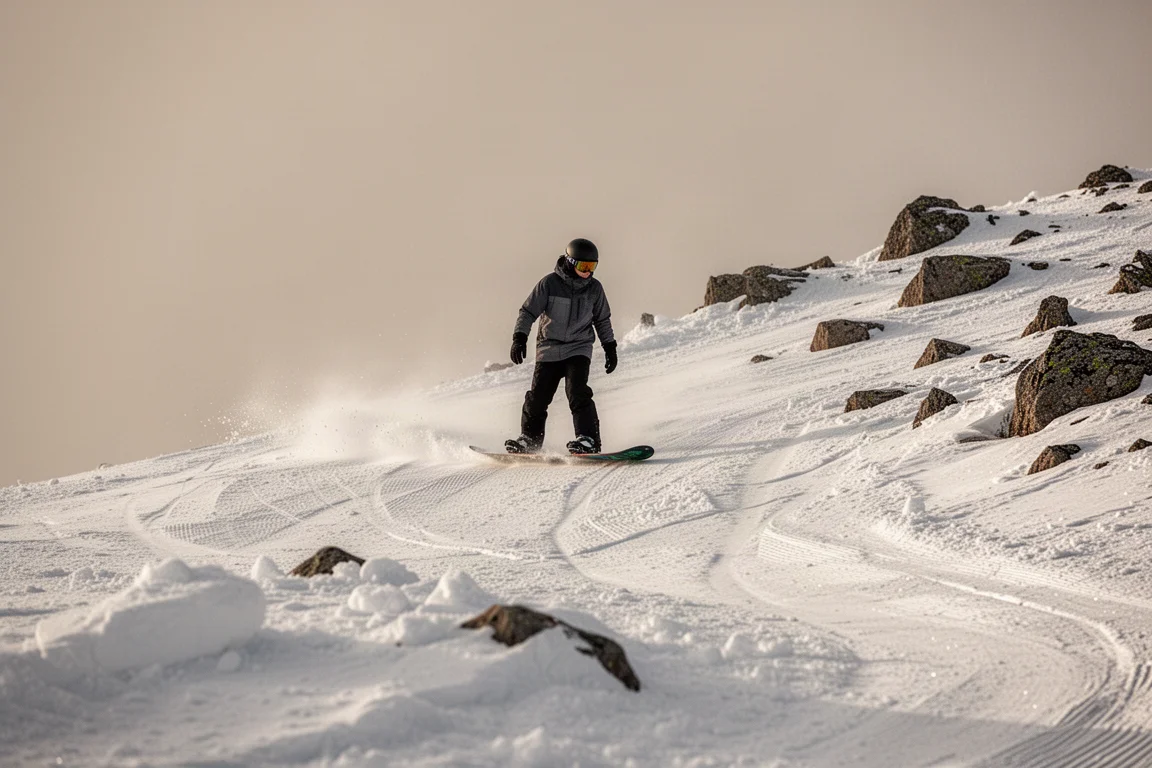
The real headline is the damp ride. An air cushion in the heel provides serious vibration damping, cutting down the crusty, rough snow at the edges of the run almost entirely, especially on heelside. It rides like a comfort binding with the performance of a performance binding. The ankle strap stayed comfortable all day when ratcheted fully tight, something that usually requires loosening at every lift ride.
Who This Binding Is For
This binding suits two very different riders. The first is the aggressive rider who needs something to cut down on chatter because the board alone does not do it, and who will take the binding everywhere and put it through the ringer across the whole mountain.
The second is the rider who needs maximum comfort, whether recovering from a knee or hip replacement or simply wanting to stay out longer without vibrations shooting up through the feet. Both ends of that spectrum are well served here, and comparable bindings worth researching include the Yes Airmaster, the Ride C8, and the Union Atlas.
Conclusion
The Nitro Team Pro is a comfortably damp, performance-capable binding that is easy to adjust, grips boots of all shapes, and keeps chatter under control. The only real gripe was the chewed ladder on the sample pair, which appears to be an old part on a pre-production unit rather than a production flaw. For riders who want comfort without giving up the ability to charge, this binding is easy to recommend and, frankly, underrated.
Product link
View more details for Nitro Team Pro
This product is mentioned in the review. Check the specifications, options, and compatibility before buying.
View more details for Nitro Team ProFurther reading
Related Reviews

Snowboard Bindings
2024 Union Ultra Snowboard Bindings Review: A Cushy, Freestyle-Focused Favorite
Two seasons on the 2024 Union Ultra: a lightweight, tweakable freestyle binding with standout comfort, a damp molecular bushing, and thoughtful hardware fixes.

Snowboard Bindings
32 Team Phase Binding Review: A Fast Entry Binding Built for Freestyle Laps
The first binding from 32 uses the Phase chassis for quick step-in entry with a softer, freestyle-leaning flex. Here's how it performed on the snow.

Snowboard Bindings
Arbor Cypress Snowboard Binding Review: A Laid-Back Cruiser That Can Charge
A closer look at the Arbor Cypress binding's adjustability, strap feel, and that oddly tall highback before you decide to buy.