Snowboards
Nitro Slash Review: A Traditional Camber Freeride Snowboard Built for Speed
The Nitro Slash pairs a fully directional shape with traditional camber and a wide platform. Here is how it behaves in powder, chop, and hard charging turns.
Introduction
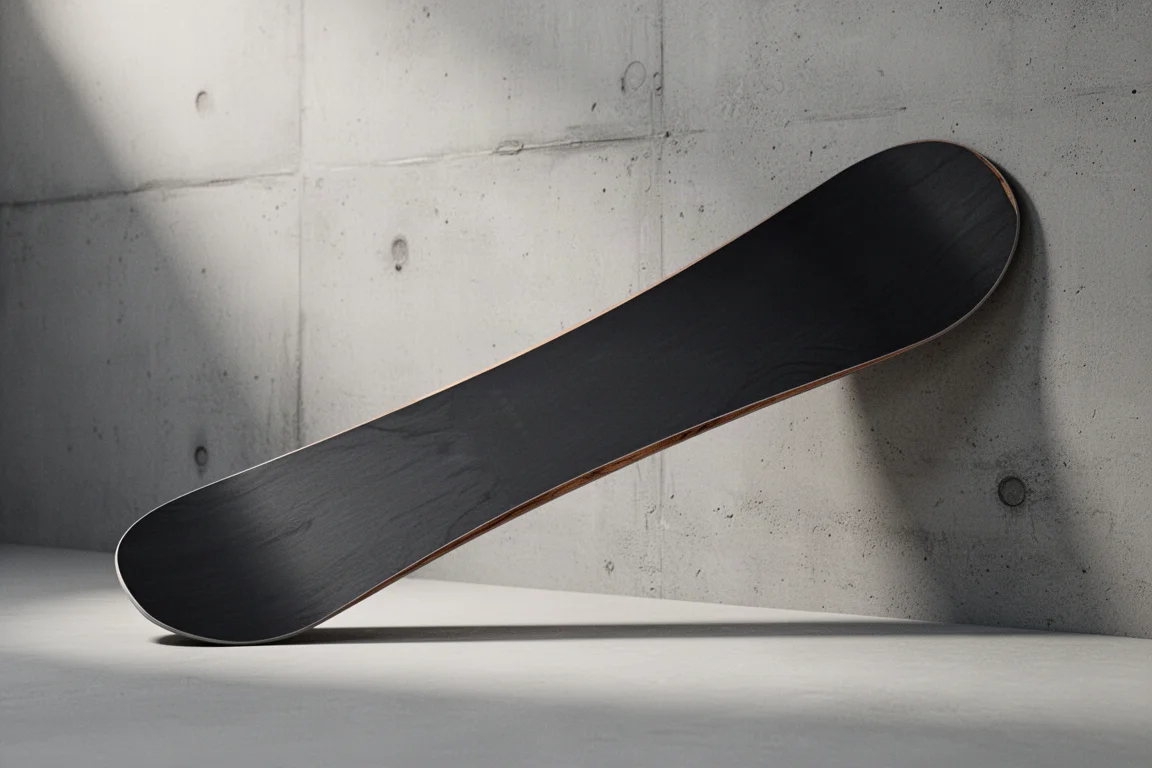
The Nitro Slash sits in Nitro’s Quiver series, a family of boards built around specific terrain and conditions rather than all-mountain compromise. This one is defined by Nitro’s True Camber, which is traditional camber running from contact point to contact point. That continuous arc underfoot is the source of the board’s character: it stores load, delivers snap and pop, and provides drive when you push into it.
It is also a wide platform. The Slash comes in three sizes, all of them wide: 151, 156 and 162. Testing took place at Copper Mountain on an overcast day with roughly six inches of fresh snow, another storm rolling in, and low to moderate winds. Conditions covered fresh powder, chop, and exposed rocks, which is a fair representation of what an early season storm leaves behind.
Who the Nitro Slash Is For
This is a board for the powder-chasing freeride rider who understands how to put the pedal to the floor. It is not a casual cruiser and it is not designed to flatter lazy riding. The Slash wants input, and it pays that input back with stability and speed.
Width is the first thing most riders will notice. Even with a size 10 boot, the extra platform underfoot is obvious, and it changes how the board feels both edge to edge and in soft snow. If you have ever complained that there are no cambered powder boards left, this is one of the more convincing answers to that complaint, because it pairs a wide, floaty shape with a profile that still grips and drives.
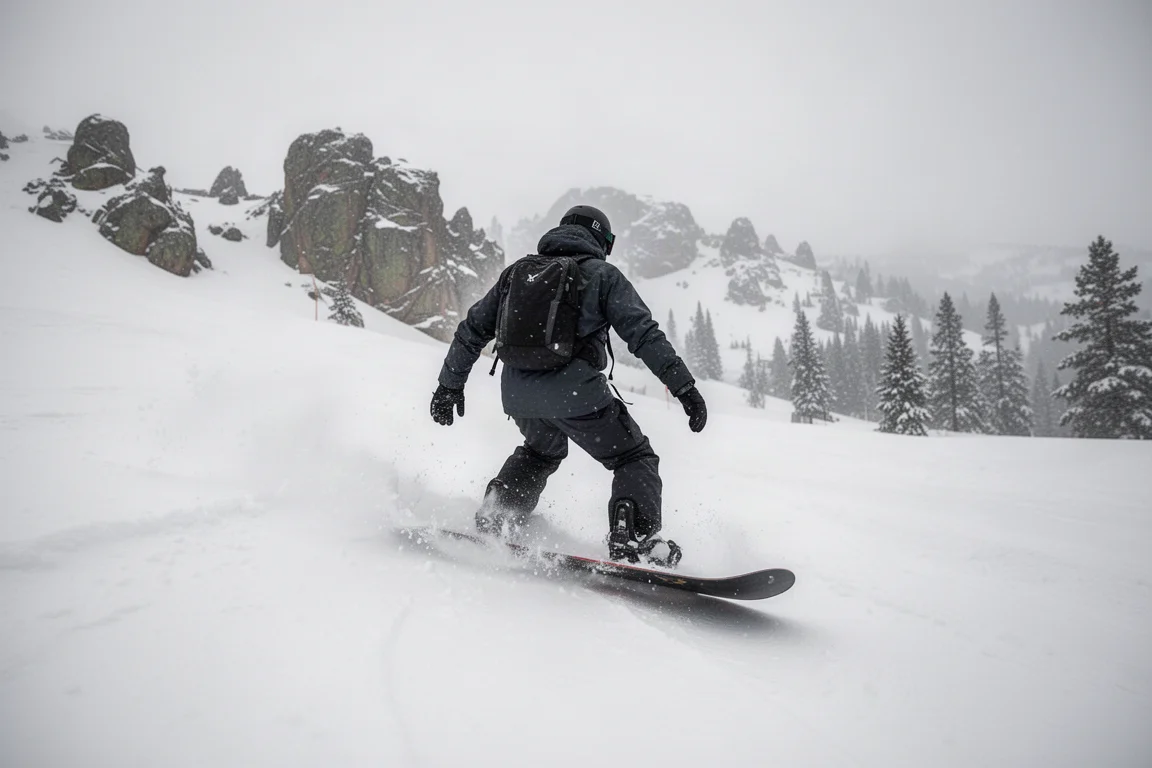
Riders who prefer a loose, playful feel in powder will find the Slash demanding. Riders who like to load a board up, ride from the back foot, and push through whatever is in front of them will find it much more natural.
Main Strengths: Camber, Stability, and Float
The defining strength is stability through the middle and rear of the board. From inside the front insert pack back through the tail, the Slash is solid. That is the stiffest section of the deck, and it means you do not have to manage a nervous board when you are locked into a flat base. It plows through everything in its path as long as you stay calculated about it.
The flex sits on the softer side of directional freeride, which lands it closer to the middle of the freeride spectrum. It is fully directional in its nature: a softer nose that progressively stiffens back toward the tail, with a modest amount of torsional flex. The added width contributes noticeable rigidity, so the board reads stiffer in practice than the flex rating alone might suggest.
Float in powder is strong, and the camber profile gives the board an authoritative feel underfoot rather than a vague, surfy one. When conditions turn rough, it behaves like a chunder buster, holding its line and absorbing inconsistent snow without getting knocked around.
Turn Performance and Edge Drive
The Slash rides like two different decks on edge. At slower speeds on mellower terrain, it is sluggish edge to edge and not especially quick or nimble. You feel yourself leveraging body weight into the edge and spending real energy just to get the board over. This is a direct consequence of the wide platform and the camber profile.
Open it up and the board comes alive. When you ride aggressively and carry speed, it rails turns and lays a trench. The power comes from under the back foot and out toward the tail, so driving your knee into the center of the board pushes energy through the tail and through the end of the camber zone. That is where the drive comes from, and it is what makes fast, committed turns feel so rewarding.
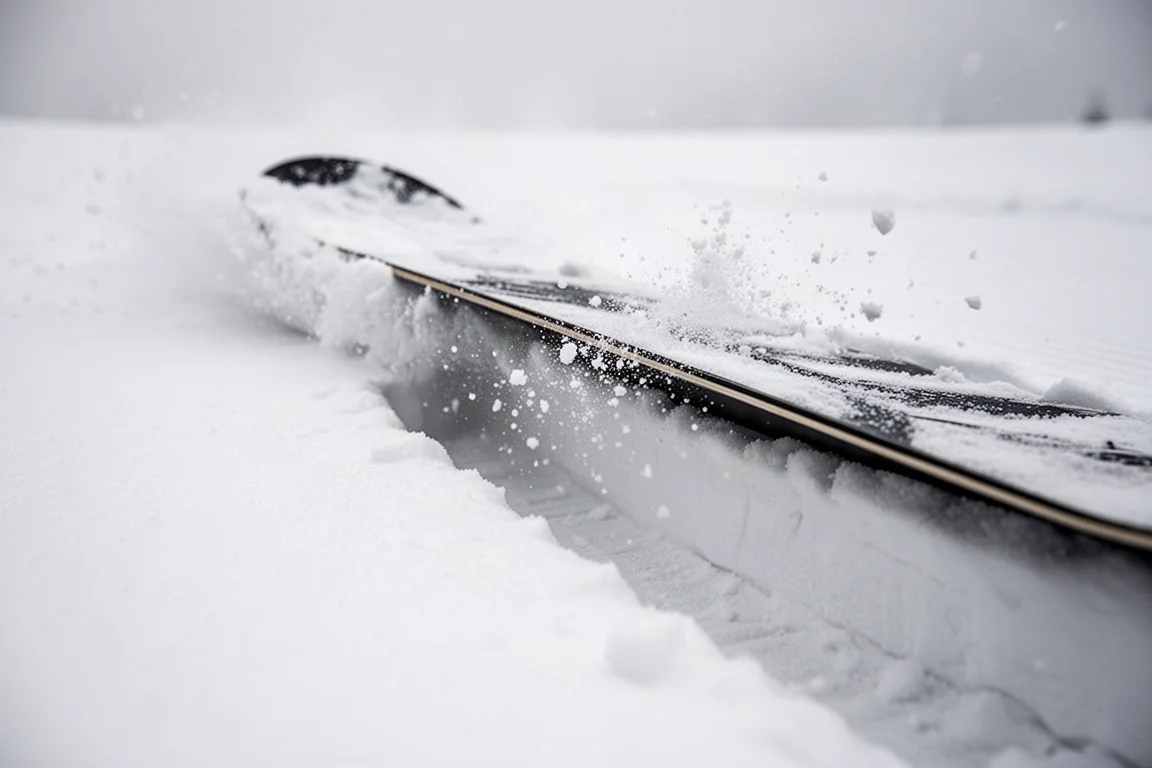
The practical summary is that the Slash is suited to mellow carves when you are going slowly, and genuinely capable of aggressive, high-speed carves when you commit. The board rewards the second approach far more than the first.
Things to Consider Before Buying
Pop is the main trade-off. Traditional camber has to be loaded up aggressively, and the Slash takes muscle to snap. The tail is not the snappiest part of the board, and you need more speed and more power than you expect to clear anything in your path. When you get it right, the result is good. When you get it wrong, it is not.
Buttering is a chore. Setback, camber, the flex pattern and the added width all work against it. Even powder butters require a lot of space on the nose to find the sweet spot, and locking in with the shorter, stubbier tail means you end up doing more high-speed wheelies than clean presses. Riders who know how to manhandle a cambered board, especially in powder, will manage it. Lighter snow and less steep terrain make the effort more noticeable.
High-speed chatter is also worth noting. The nose can get a little unsettled when you ride very fast into uneven terrain, and that vibration resonates back under the front foot. It is a narrow condition rather than a constant flaw, but it is part of the picture.
Sizing, Width, and Setup Notes
The Slash is offered in 151 wide, 156 wide and 162 wide, so every size in the range is built around a wider footprint. That width is central to how the board floats and how much leverage it takes to get on edge, and it is the reason the board feels as planted as it does in soft snow.
Setup during testing used K2 Thraxis boots with Rome Black Label bindings, a pairing that matched the board’s stiff, directional character well.
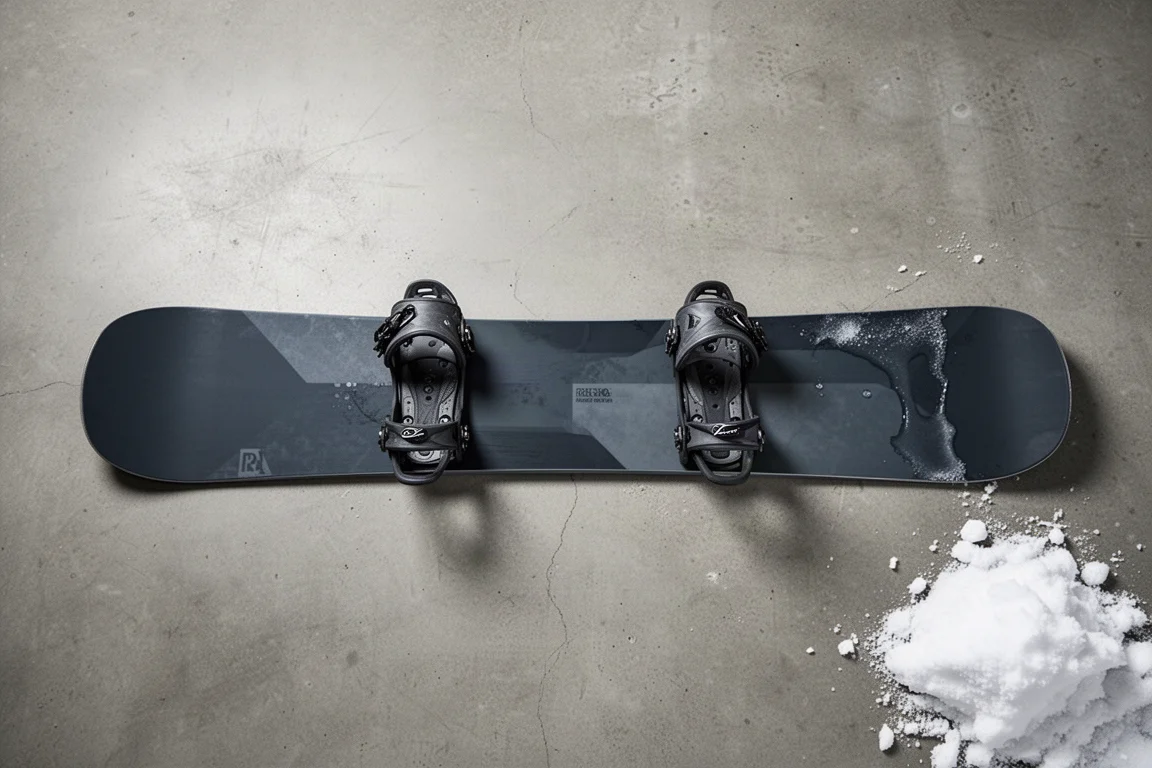
Because the board is fully directional, stance position matters more than it would on a twin. Moving through the insert pack changes how much of the board’s stability you can access, and the stiffest, most supportive zone sits from the front insert pack back through the tail.
Comparable Boards and Binding Pairings
Riders cross-shopping the Slash will likely be looking at the Ride Superpig, the Rome Stalefish and the Amplid Surfari. All three occupy similar territory as wide, directional freeride decks, so the choice usually comes down to how much camber and how much edge hold you want underfoot.
For bindings, the recommendations that suit this board are the Nitro Team Pro, the Ride C9 and the Union Atlas. Each offers the kind of supportive, responsive flex that matches a cambered freeride shape and does not undercut the drive the board is built to deliver.
Buying Advice
The Nitro Slash makes the most sense for riders who already know they want a wide, directional freeride board with real camber underfoot and who are comfortable riding from the back foot with speed. It is stable, it floats well, and it holds a hard-charging turn better than its flex suggests.
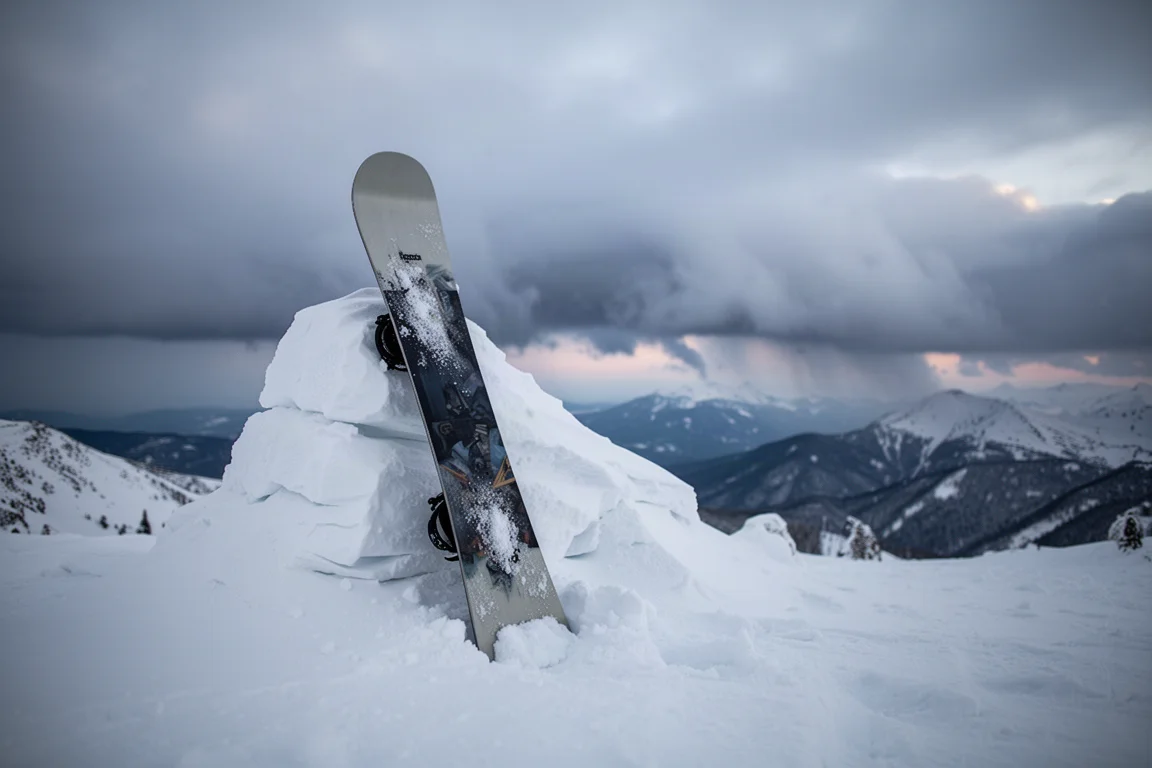
If your riding is mostly slow, mellow and playful, the effort required to get this board on edge and to load its pop will likely frustrate you. If your riding is fast, aggressive and powder-focused, the Slash delivers exactly what it promises: a board that pushes through everything in front of it and asks only that you commit.
Conclusion
The Nitro Slash is a specialist, and it is honest about it. Traditional camber from contact point to contact point gives it load, snap, pop and drive, while the wide, fully directional shape keeps it floating in fresh snow and stable through chop. It takes muscle to snap, it is a chore to butter, and it is sluggish at low speed, but point it downhill with purpose and it rewards you with trench-laying edge drive and genuine composure in rough snow.
Product link
View more details for Nitro Slash
This product is mentioned in the review. Check the specifications, options, and compatibility before buying.
View more details for Nitro SlashFurther reading
Related Reviews

Snowboards
32 Middle Earth Scott Stevens Pro Model Snowboard Review: A Park Board With a Reversed Flex
A medium traditional camber park board with carbon V reinforcement that is stiffer in the tips and more playful between the feet. Here is how it rides and who it suits.

Snowboards
32 Snafu Review: A Directional All-Mountain Freestyle Board with Serious Pop
The 32 Snafu pairs a directional camber-rocker profile with a stiffening tail for powerful carves, big ollies, and a surprisingly damp ride.

Snowboards
32 XXX Pat Fava Pro Snowboard Review: A Stiff Camber Beast for Hard-Charging Riders
A full-width traditional camber deck that rewards aggression with stability and edge power, but demands effort everywhere else.