Snowboard Bindings
Nitro Rambler Review: A Budget-Friendly Snowboard Binding for Beginners
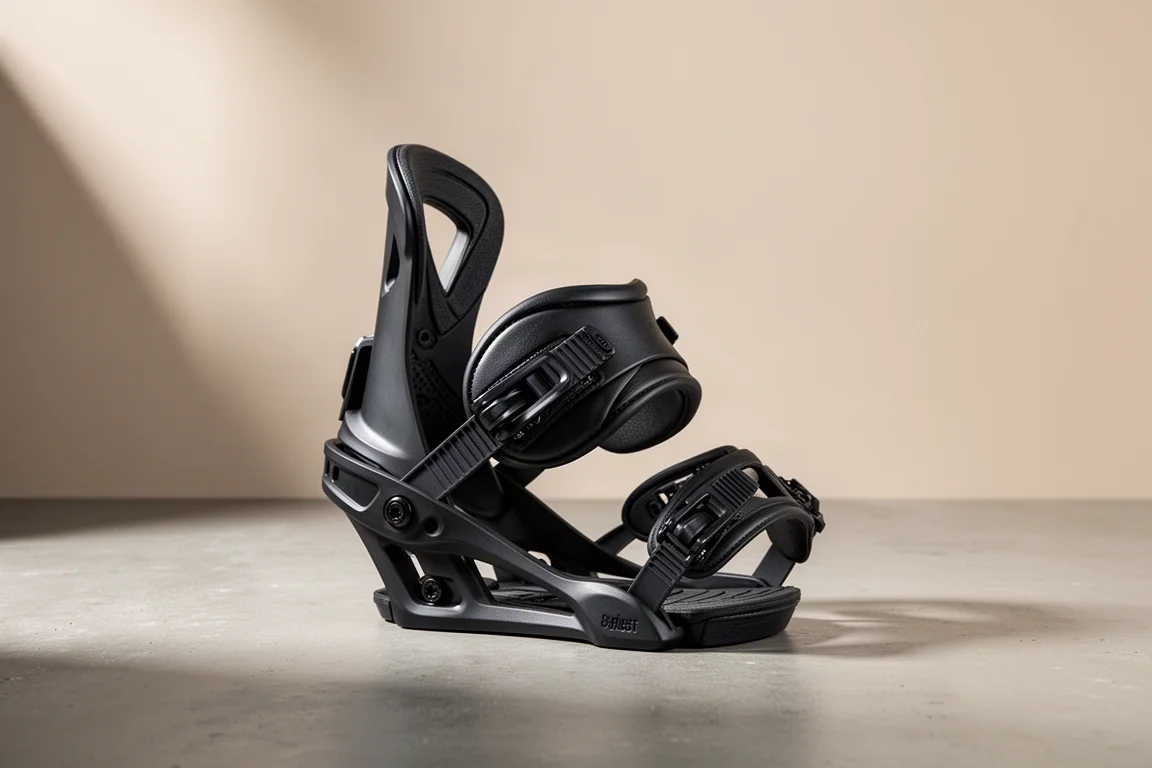
The Nitro Rambler keeps things simple with molded straps and a firmer highback, making it a sensible pick for beginner to lower intermediate riders.
Introduction
The Nitro Rambler sits squarely in the entry-level tier of the binding market. It is built for beginner to lower intermediate riders who want a dependable binding that does not break the bank, while still offering the customizability you would expect from a modern binding. This review covers how it performs on the mountain, where its compromises are, and who it actually makes sense for.
Riding Conditions and First Impressions
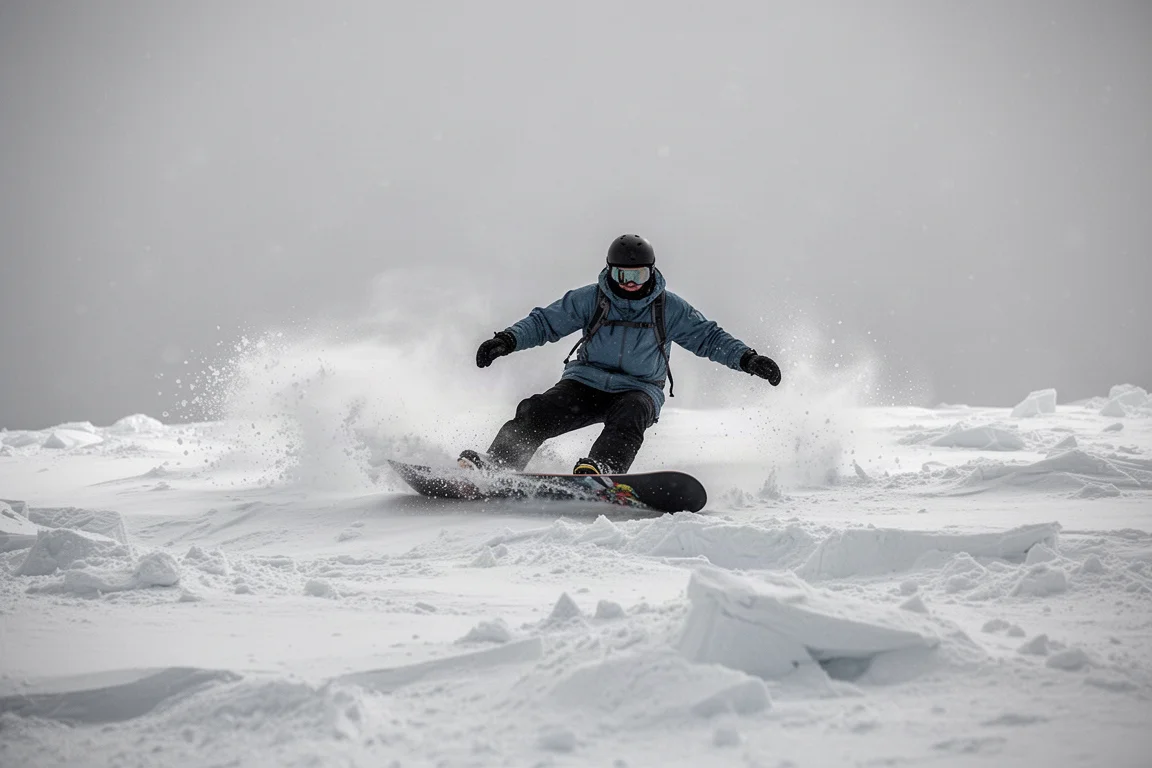
Testing took place on a challenging flat-light day, where the ground and sky blended together and riding relied heavily on feel. Snow off the groomed strip was hard, crusty, and uneven. The Rambler’s lively character actually helped here: with minimal padding under the binding, you feel everything going on beneath your feet, which makes it easier to read variable snow and react before being tossed around. That kind of feedback is genuinely useful for newer riders still learning how different snow behaves.
As the day improved, the binding stayed firm up top and a little softer lower down, never getting truly soft. Heel-side landings and carving were well dampened by the padding under the heel, but on toe side you feel more of the terrain directly.
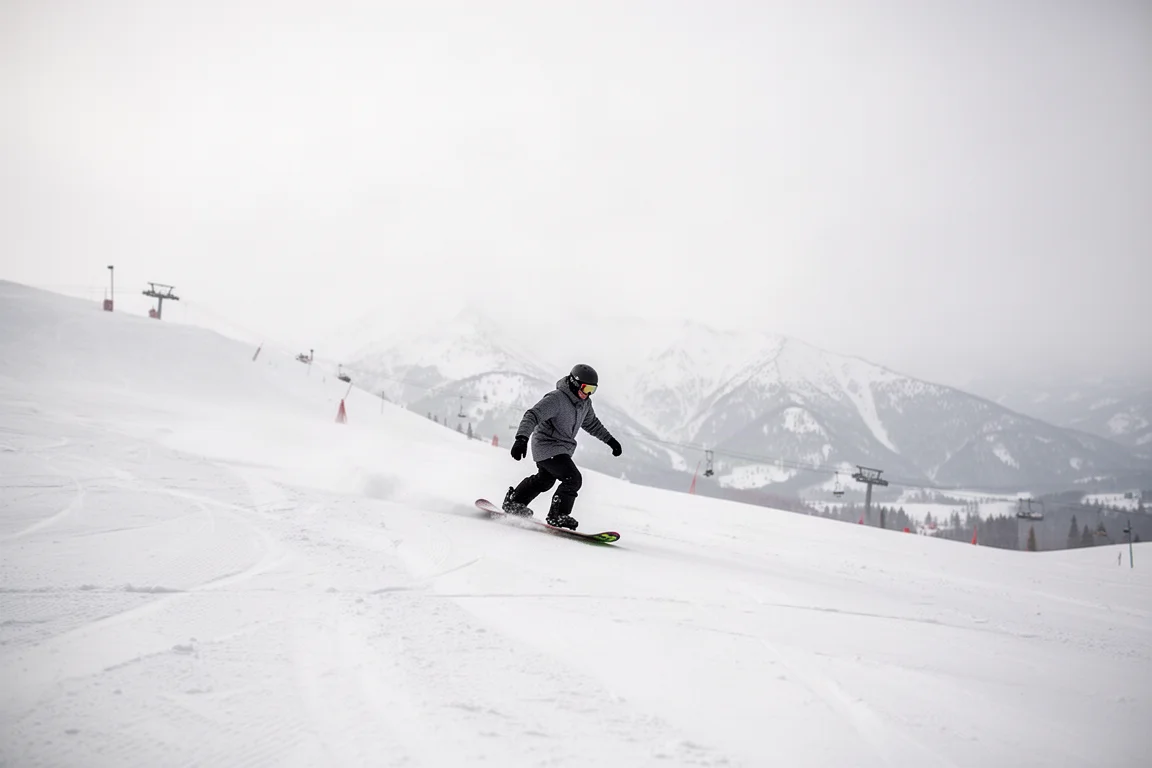
If you have sensitive knees or want a heavily dampened, plush ride, this is not the binding for you. Chatter is reduced enough to stay comfortable, but the terrain transmits through the board clearly.
Straps and Adjustability
Both straps on the Rambler are molded rather than padded, which keeps the price down but also keeps things bare bones. The ankle strap is very soft laterally, offers little lateral locking, and has no padding, so whatever cushioning you get comes from your boot. It is still comfortable to wear, just do not expect it to hold you in aggressively. The toe strap stretches and molds around the boot well, works worn over or on top of the toe, and caused no discomfort even ratcheted down hard on a stiff toe box.
Adjustability is standard and thorough. The highback uses a classic flip-tab forward lean system, and its rotation can be changed with three settings if you want that, though it is not recommended for most riders. The heel cup can be slid forward or back after mounting to center your boot, the ankle straps adjust with the same flip-tab system, the tow strap can be repositioned, and the mini disc system allows sideways micro adjustment for stance width. A toe ramp can also be slid out slightly to reduce toe drag.
Ratchets and Fit
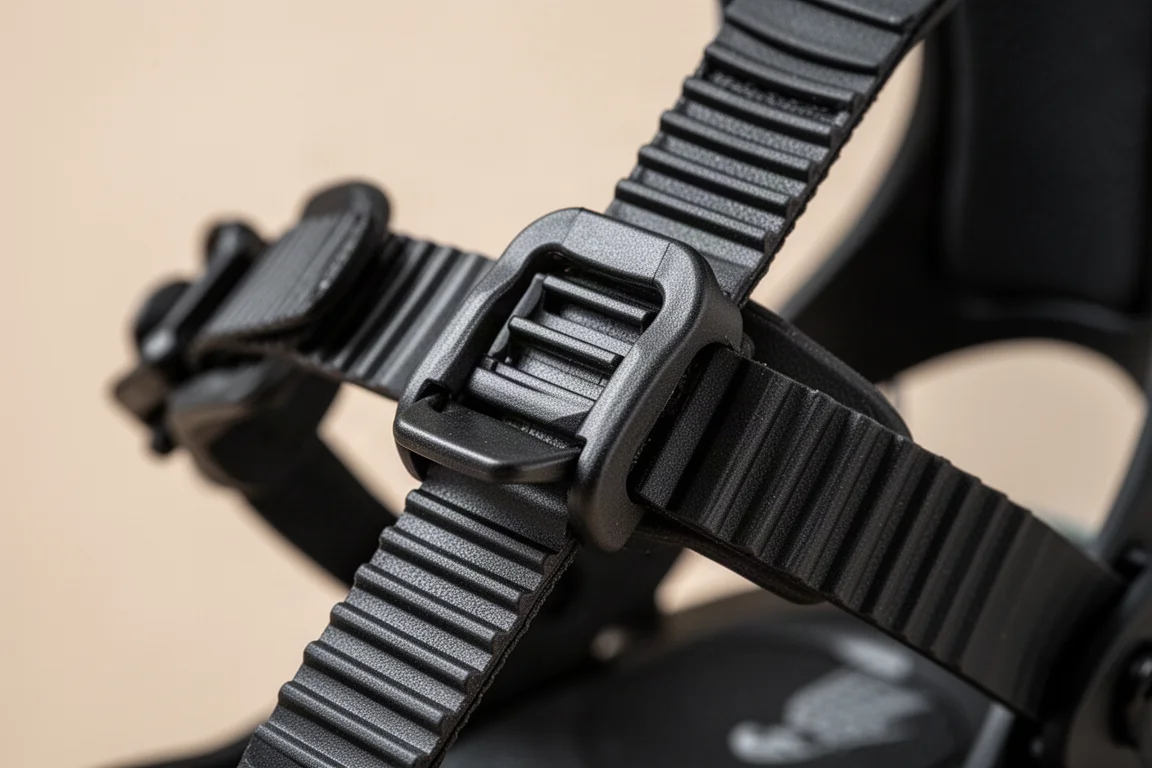
The ratchets are the same units used across the rest of the line, and they work smoothly and reliably. Getting in and out is easy even with thick mittens, and no wear showed on the ladders during testing. The one small gripe: the ratchet does not grip the first tooth of the ladder, so you need to push past it to the second or third tooth before ratcheting down. It is a minor annoyance, mostly relevant for beginners who want the strap to catch a bit sooner.
Highback and Response
The highback is the strongest part of this binding. It has decent padding up top, so even lower-cut boots stay comfortable, and it is firmer than most beginner-oriented highbacks. Since the molded straps allow a lot of lateral flex, the firmer highback provides much of the binding’s response, particularly at the lower portion where it curves around the outside of the boot and grips better. Forward lean and rotation adjustments are there if you want them.
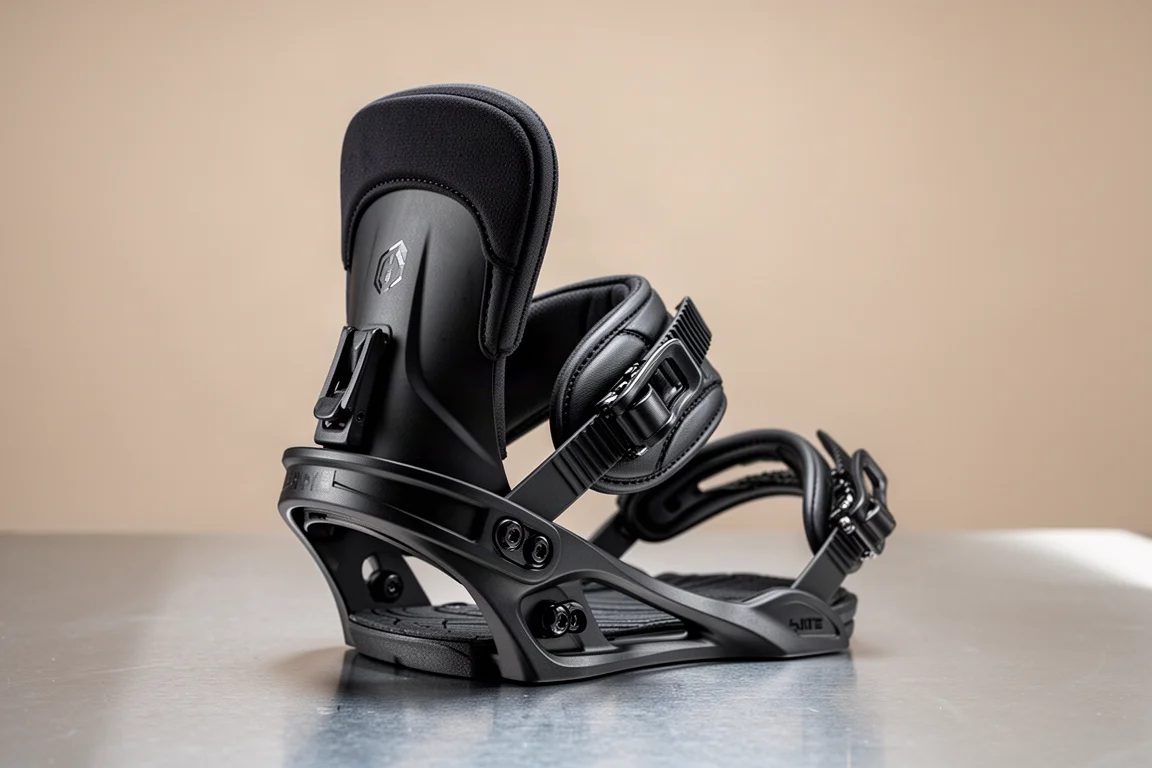
Overall the Rambler sits on the softer side of the flex spectrum, softer than the middle of the road, but with enough response to hold you as you progress. The chassis sits slightly higher on the boot, and the small disc lets the board flex naturally underneath your foot. That balance of lateral play plus heel-to-toe response makes sense for learning: you can shift your weight side to side and figure out turn initiation without feeling completely loose or accidentally dropping an edge.
Buying Advice
This binding is made for beginner to lower intermediate riders who need to save money, want molded straps that last, and still expect the adjustability of a modern binding. The firmer highback gives you responsive heel-to-toe transitions, while the extra lateral play keeps things forgiving while you learn. If you progress beyond the intermediate level, you will likely find it too lively and under-dampened, and you should look at something with more features and comfort.
Comparable bindings worth cross-shopping include the Salomon Hologram (referred to in some circles as the Solomonic alternative), the Bent Metal Joint, and the Union STR. Checking those alongside the Rambler helps confirm which flex and feature set fits your riding style.
Conclusion
The Nitro Rambler does everything “all right” in the best sense for its audience: forgiving enough to learn on, responsive enough to progress with, and priced for riders who need to keep costs down. It is not built for advanced riders seeking damping and premium features, but for the beginner and lower intermediate crowd, it is a well-matched, practical choice.
Product link
View more details for Nitro Rambler
This product is mentioned in the review. Check the specifications, options, and compatibility before buying.
View more details for Nitro RamblerFurther reading
Related Reviews

Snowboard Bindings
2024 Union Ultra Snowboard Bindings Review: A Cushy, Freestyle-Focused Favorite
Two seasons on the 2024 Union Ultra: a lightweight, tweakable freestyle binding with standout comfort, a damp molecular bushing, and thoughtful hardware fixes.

Snowboard Bindings
32 Team Phase Binding Review: A Fast Entry Binding Built for Freestyle Laps
The first binding from 32 uses the Phase chassis for quick step-in entry with a softer, freestyle-leaning flex. Here's how it performed on the snow.

Snowboard Bindings
Arbor Cypress Snowboard Binding Review: A Laid-Back Cruiser That Can Charge
A closer look at the Arbor Cypress binding's adjustability, strap feel, and that oddly tall highback before you decide to buy.