Snowboards
Nitro Dropout Snowboard Review: A Camber-Dominant Fun Shape for All-Mountain Freestyle
A directional twin with CamRock profile, power pods for quick steering, and plenty of pressability, but the pop falls short of expectations.
Introduction
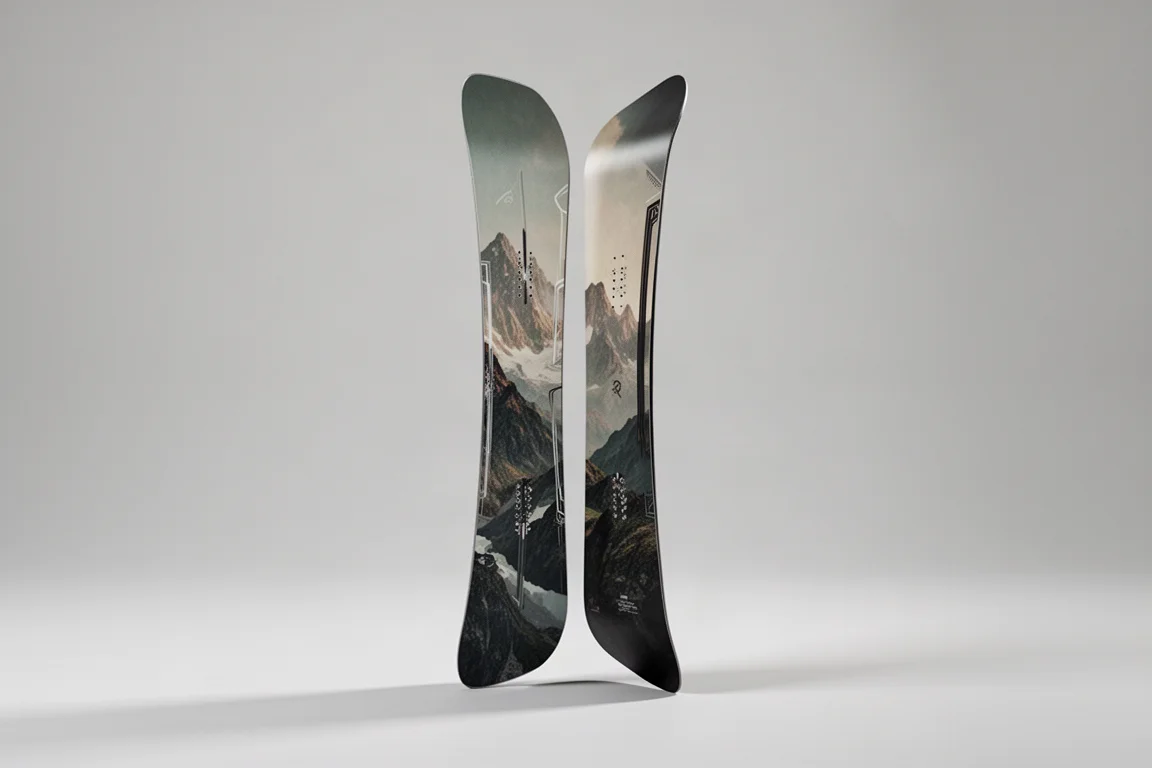
The Nitro Dropout is an all-mountain freestyle board built around a fun, head-turning shape. It is a directional twin at heart, and Nitro’s CamRock profile keeps it primarily camber dominant, with a small rocker section in the nose and tail and camber through the rest of the board. The idea is straightforward: keep the load, pop, snap and drive of a cambered deck, then use that short rocker at the ends to ease turn entry and exit and create a sweet spot for pressing.
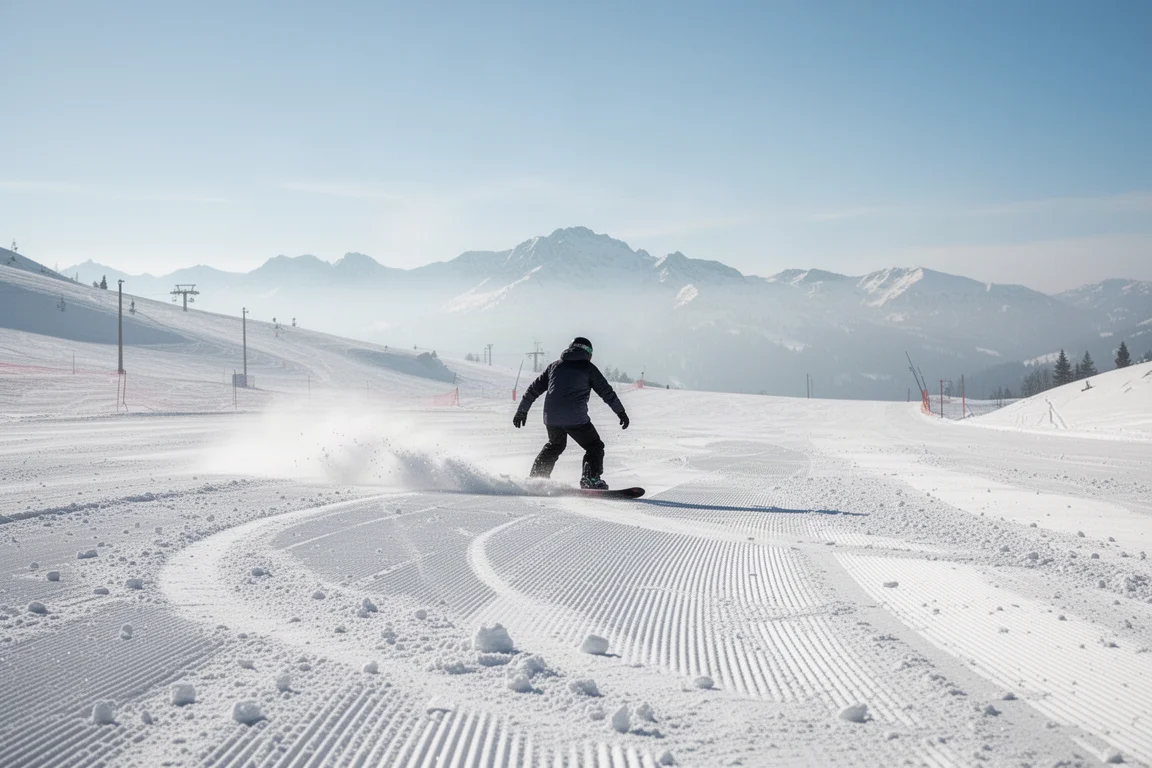
It comes in 153, 156 and 159, and it was tested in a realistic spring mix: bluebird skies with moderate to high winds, warmer temperatures, leftover chop and chunder, and stretches of perfect corduroy. For context on the setup, it was ridden with Rome Black Label bindings and K2 boots.
How It Rides
The flex sits at a middle-of-the-road level, nothing revolutionary, with softer tips where the nose is slightly softer than the tail. The middle of the board stiffens up, and there is an abundance of torsional flex. On mixed terrain, stability is adequate but not effortless: keep your knees bent, because you can get bucked around. There is noticeable chatter in the tips that resonates back underfoot, and in rutted, cruddy terrain the board does not always push through everything. If it hits something very hard underneath, you can get knocked off line, much like any other board in this class.
Buttering, Pressing and Jibbing
This is where the Dropout makes the most sense. The micro rocker zones in the nose and tail are the sweet spot to line up when you pop a 180 onto the nose and press into it, or when you press on the tail with your weight out over the end. The flex is forgiving enough that you can bend the board to your whim, and despite the pointy nose, it does not hook when you press into softer snow. You can lock in and hold a press and get some pop out of it at the end, though not a lot.
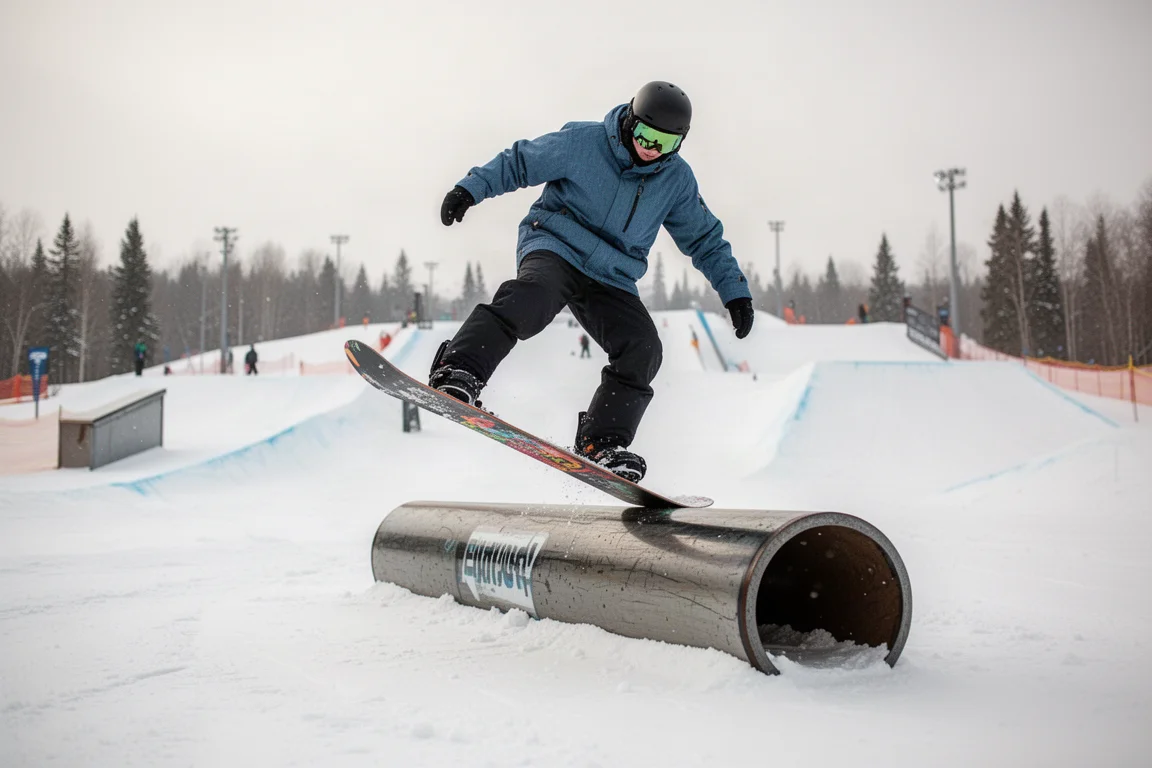
For jibbing, it locks in and holds, and the camber section hugs around the feature without fully clapping up. It is not the first board to reach for a jib session, but for a rider cutting through the park and hitting a fat tube or a flat rail, it gets the job done. Anything beyond small to medium jumps is not really what this deck is built for.
Carving and Steering
One of the nicest qualities is that it steers right on your foot. The power pods are an added contact point that bump out right under the inserts, letting you torsionally twist the board and steer with it. That helps with short, tight, quick setup carves. When you really lay the board over and drive off the tail into the camber, you can lay out a carve as well.
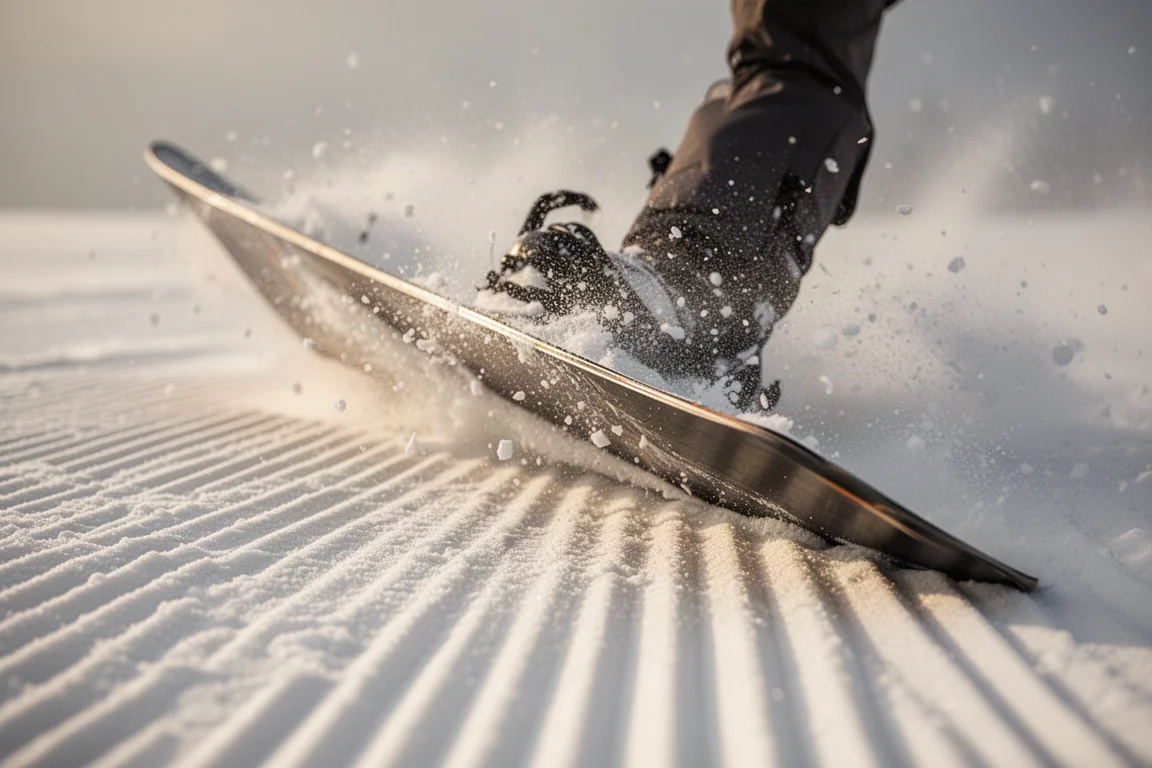
The awkward zone is the medium carve. The board will lock in and swoop, but it is not the most aggressive, and in rutted terrain it will kick out on you. It handles it, but it does not want to do it. This is a board that prefers either tight quick carves or deep hard carves, and the in-between feels a little weird.
Pop and Jumping
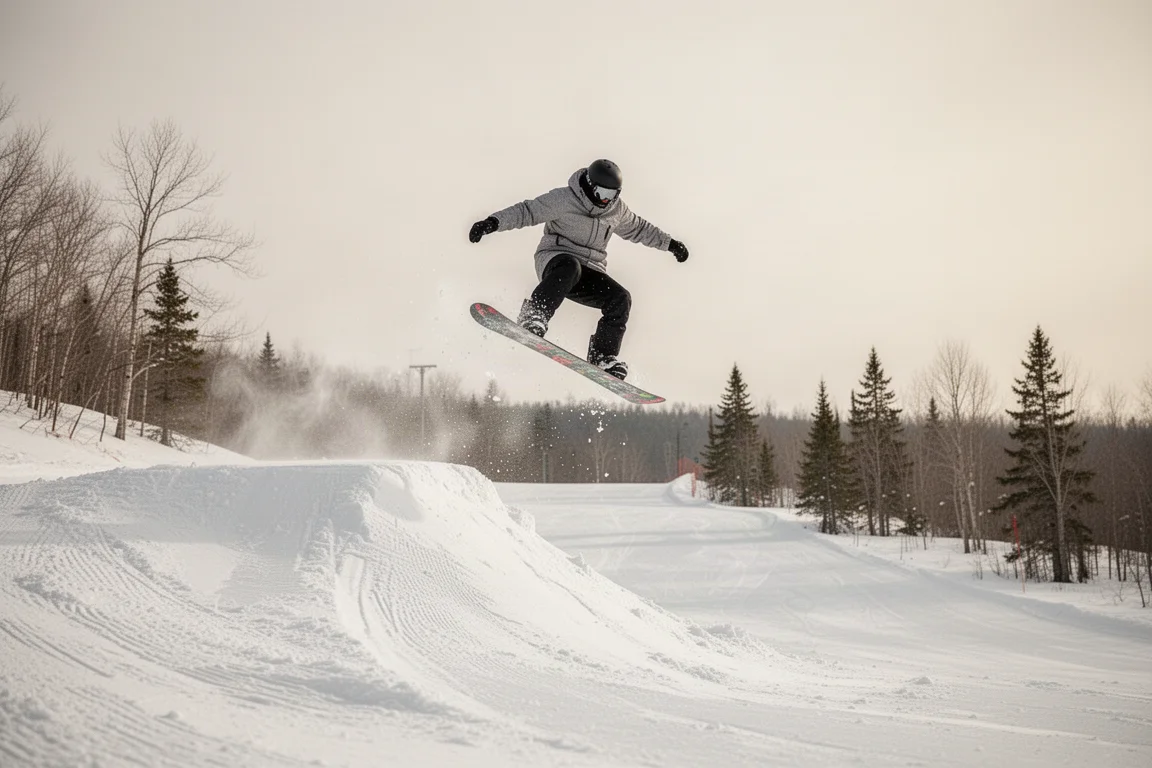
With a camber-dominant profile, you would expect a ton of snap. There is not much here. The pop is consistent, and you know what you are going to get, but when you load it up and roll back on that rocker zone in the tail, the rebound is underwhelming: you get a little bit less back than what you put into it. You can launch a side hit, clear a cat track gap, or ollie over a fallen skier, so it will get the job done, but it is not mind-blowing.
Things to Consider Before Buying
Compared to a previous ride on the same board, it simply did not feel as poppy, which was a letdown, even though everything else worked well. The turning character, the shape, and the overall playfulness are genuine strengths. People may tell you that you cannot ride a shape like this in the park, but you can. If pop is a priority, look elsewhere; if steering precision and press performance matter more, this deck delivers.
Buying Advice
Comparable boards worth checking include the Rome Stale Cruiser, the Bataleon Beyond Medals, the GNU Anti-Gravity, the Nitro One, the Bataleon Blaster full wrap, and the Bent Metal Action. If your style leans toward all-mountain freestyle with a fun shape that you can press and steer on a dime, the Dropout is a strong match. If you want explosive snap off the tail, it is not the right fit.
Conclusion
The Nitro Dropout is a fun directional twin for the all-mountain freestyle rider, with excellent steering, forgiving presses, and a shape that turns heads. The trade-off is modest pop and only average stability in cruddy terrain. It is a board you buy for the way it turns and plays, not for the way it launches.
Product link
View more details for Nitro Dropout
This product is mentioned in the review. Check the specifications, options, and compatibility before buying.
View more details for Nitro DropoutFurther reading
Related Reviews

Snowboards
32 Middle Earth Scott Stevens Pro Model Snowboard Review: A Park Board With a Reversed Flex
A medium traditional camber park board with carbon V reinforcement that is stiffer in the tips and more playful between the feet. Here is how it rides and who it suits.

Snowboards
32 Snafu Review: A Directional All-Mountain Freestyle Board with Serious Pop
The 32 Snafu pairs a directional camber-rocker profile with a stiffening tail for powerful carves, big ollies, and a surprisingly damp ride.

Snowboards
32 XXX Pat Fava Pro Snowboard Review: A Stiff Camber Beast for Hard-Charging Riders
A full-width traditional camber deck that rewards aggression with stability and edge power, but demands effort everywhere else.