Snowboards
Nitro Cheap Thrills Review: A Soft, Playful Freestyle Snowboard
A close look at the Nitro Cheap Thrills, a soft flat-to-rocker freestyle board that shines on butters, jibs, and small features, and asks you to back off at speed.
Introduction
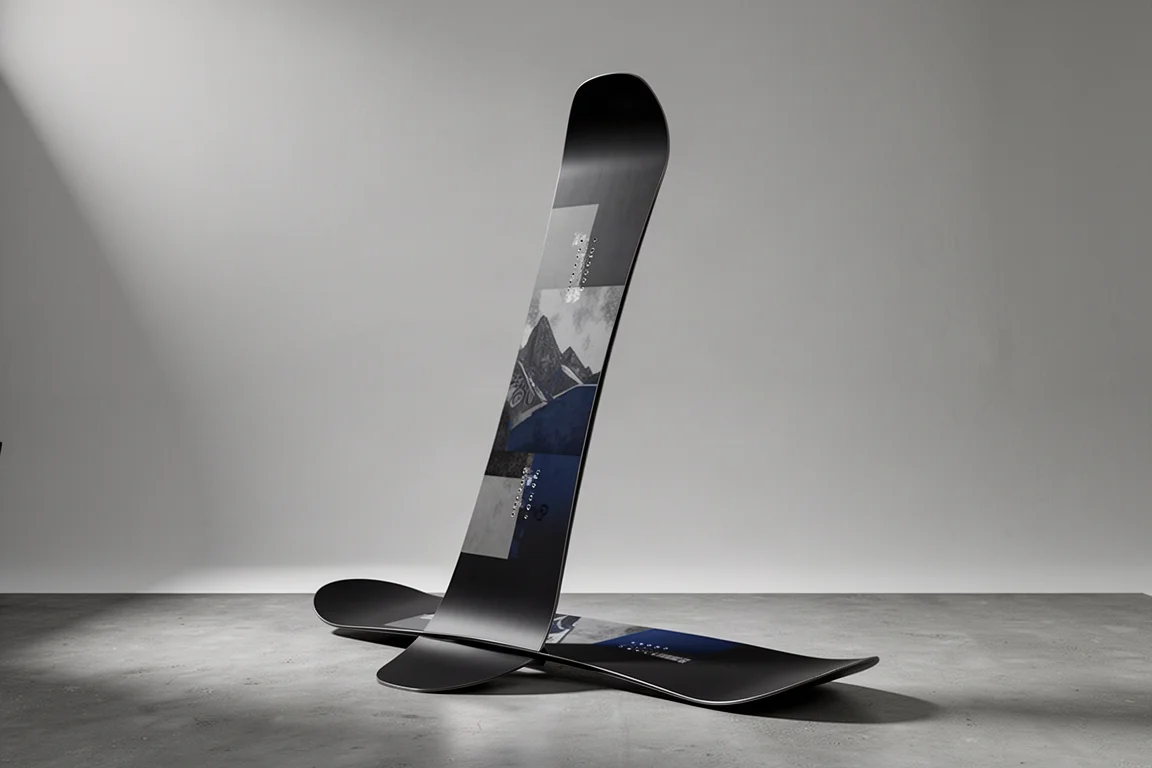
The Nitro Cheap Thrills is a soft, freestyle-first snowboard built around Nitro’s Flat Out camber profile. That profile stays completely flat past the inserts and then transitions into rocker in the tip and the tail, a shape choice that shapes almost everything the board does well and almost everything it does not.
It is offered in 148, 152, 155, 157, 155 wide, and 157 wide, so a broad range of riders can find a length that fits.
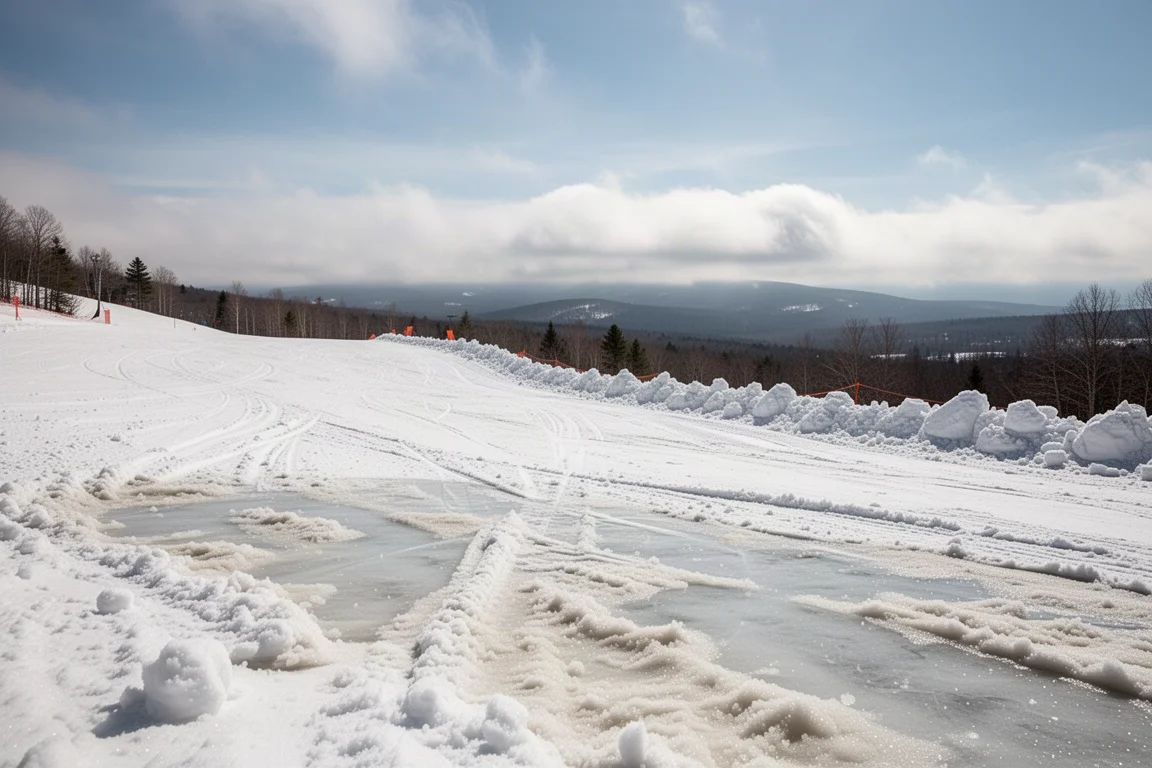
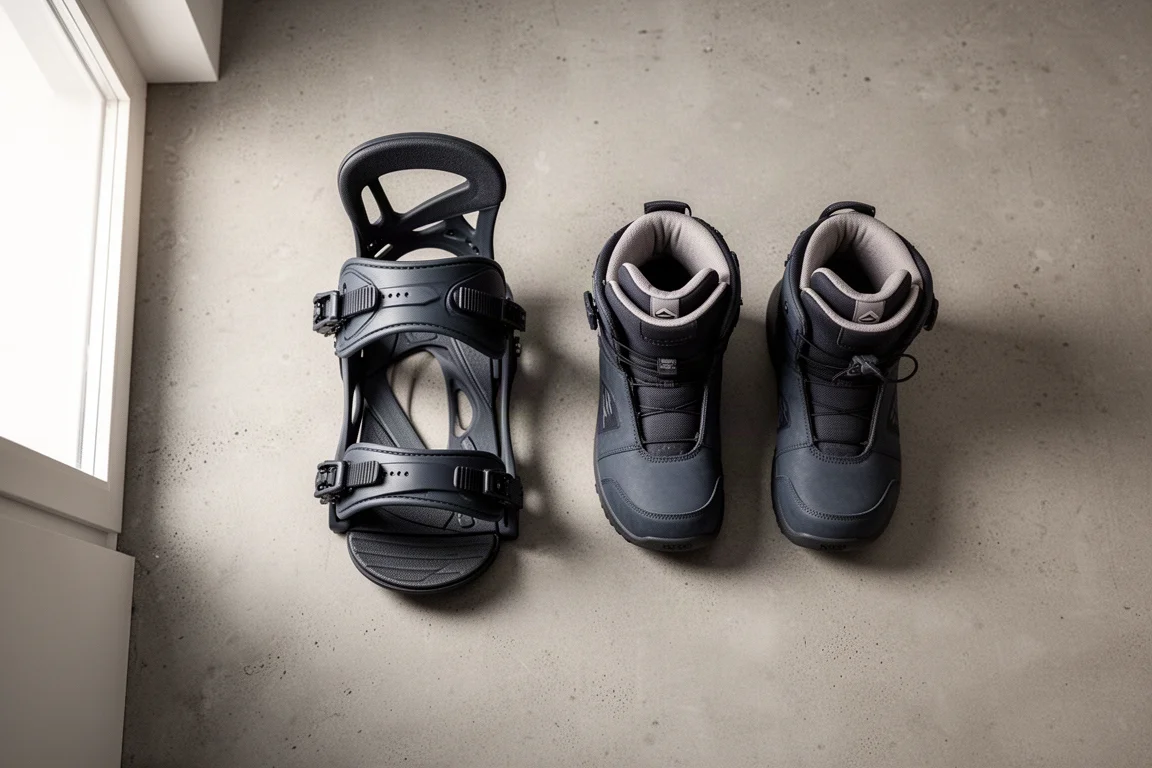
The board was ridden at Copper Mountain on a spring day with mostly blue skies and clouds rolling in off in the distance, in slushy soft snow, creamy snow, a little ice, chunder, push mounds, and mashed potatoes, paired with Rome Black Label bindings and K2 Thraxis boots. Those conditions are a fair test for a soft park deck, and they expose both its playfulness and its limits.
What the Nitro Cheap Thrills Is
The defining feature is the Flat Out camber profile. From insert pack to insert pack the base is completely flat, and only out at the tip and tail does the rocker lift the contact points off the snow. That combination delivers a more skate-like pop while making turn entry and exit easier, because the rockered ends are not fighting to dig in.
In the hand, the flex story is straightforward. This is a soft park board, though not a full noodle. The tips are softer, and the rocker accentuates that softness, then the flex stiffens up slightly at the insert pack. The word is slightly. Torsionally there is a lot of give, and the board can be twisted noticeably.
What that translates to on snow is a board that feels everything. From the tip all the way through the middle, input reverberates through the deck rather than being absorbed by it. In rutted-out terrain the board gets knocked around, which is why a bent-knee, active stance matters more here than it would on a stiffer freeride shape.
Who This Board Is For
This is a board for someone who rides a small resort, or for a freestyle-focused rider who spends the day on features rather than hunting speed. It also suits the progressing freestyle rider who wants something easy to learn new tricks on.
Soft and playful is the whole brief here, and there is nothing wrong with that. What it is not is the snappiest or the most assertive deck in its class. Riders who measure a board by how hard it pushes back, or who want to rail turns at speed, are looking at the wrong shape.
Main Strengths: Butters, Jibs, and Small Features
Buttering is where the Cheap Thrills makes its strongest case. The flat section underfoot supplies stability, and from there it is as simple as rolling back onto the tail for a tail press and forward onto the nose for a nose press. The sweet spot sits roughly midway between the insert and the contact point, right around the tip-up kick, and keeping your weight about midway out is where the press locks in.
You do not need to press aggressively. A laid-back input lets the board swivel and sizzle through the press. Push into it hard and you will overpower it, flex it out, and wash out. There is a tiny amount of rebound during a butter, but it never fights you and never feels like something you have to force through.
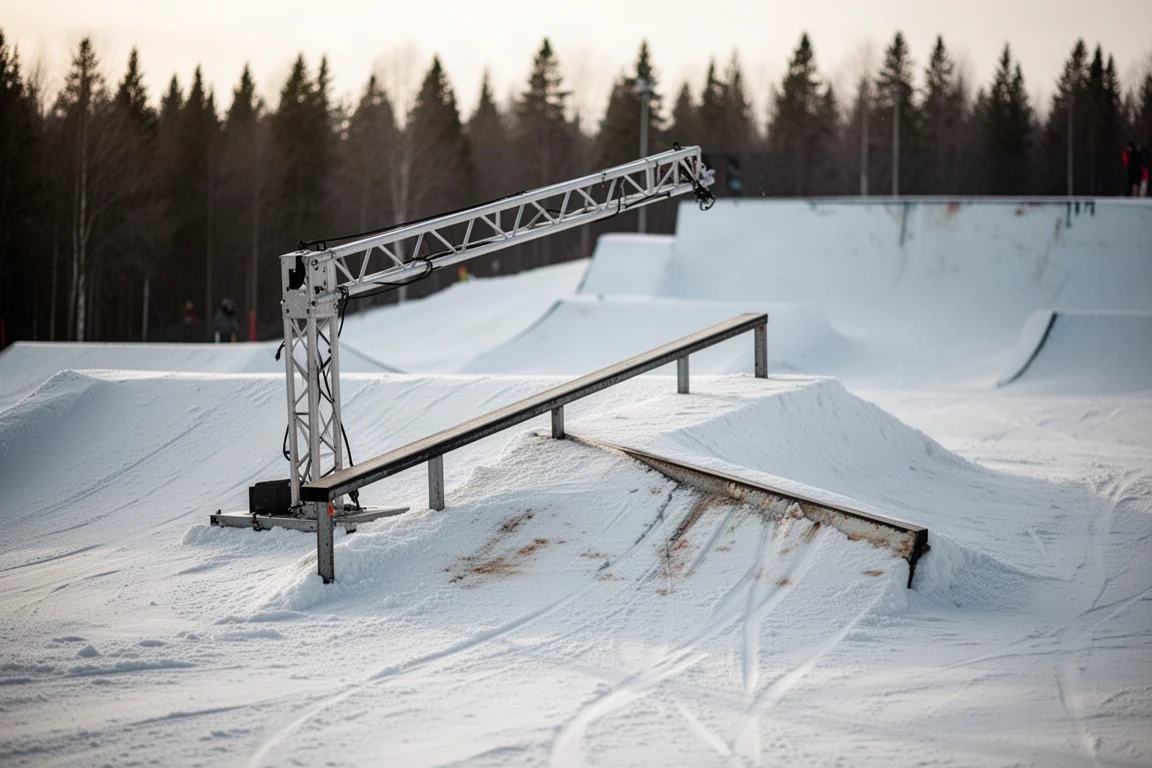
Jibbing follows the same logic. Lean back for a tail press, lean forward for a nose press, and stay on that midway sweet spot while you are on the feature. Locking into a press is easy and looks good, but any real muscle flexes the board out. On a feature, an aggressive sideways approach comes down hard and the board claps out, while lighter feet get a different result entirely: the board hugs the feature, contours around it, and locks in. Pop off the end of a feature is limited. What you put in is what you get out, and there is no reactive spring to launch you clear.
For jumps, small to medium features are the strong suit. Anything bigger runs into the same stability problem on the landing, and the lip ends up doing far more of the work than the board does. Coming in hot only works if the lip can genuinely kick you. This is not really a jump board, though it can serve as one for a rider who is progressing.
The nimble edge-to-edge transmission is worth calling out as well, and the rocker at the tip and tail contributes to it. With the contact points slightly elevated, the board transitions from edge to edge quickly and without digging in, which is exactly the behavior you want when you are setting up for a feature rather than carving a line.
Carving, Speed, and Big Landings: Where It Gives Ground
Stability at high speed is simply not part of the design. The board transmits every undulation from the tip through the middle, and in rutted terrain it gets pushed around. Keep your knees bent and expect to manage the surface rather than float over it.
Carving has a similar ceiling. The board lacks the rigidity to rail a hard carve, so what it does well are setup turns and mellow, swooping turns. Push hard from the center back and the tail folds and kicks out. That is not a flaw so much as a boundary: this board is meant for a rider who only needs to turn when getting around someone or setting up to hit a feature.
Things to Consider Before Buying
The main thing to understand before buying is that this board rewards finesse and punishes force. Overpower it in a press and it flexes out. Get aggressive and sideways on a jib and it claps out. Expect it to spring you off the end of a feature and it will not.
Riders coming from stiffer all-mountain decks will notice the difference immediately, especially in chopped-up or icy conditions where the soft flex and rockered ends let the board get deflected. If your typical day involves high-speed traverses, firm groomers, or large jump lines, the Cheap Thrills will feel like it is asking you to slow down.

It is also worth being honest about progression goals. A rider who wants a board that grows with them into bigger features may outgrow this flex quickly, while a rider focused on park laps, presses, and small-to-medium jumps will find the limits rarely come up.
Setup, Bindings, and Comparable Boards
Binding pairing matters on a board this soft. Recommended options include the Nitro Rambler, the Union Contact Pro, and the Rome Vice, all of which suit a freestyle-focused, mid-soft setup.
If you are cross-shopping, comparable boards in this space include the Rossignol Sawblade and the Telos Adit. Looking at them side by side helps confirm whether you want the mellow, playful end of the freestyle spectrum or something with more snap.
Buying Advice
Buy the Nitro Cheap Thrills if your riding is built around a small resort, park laps, and freestyle progression. Butters, presses, and small to medium features are where it feels most at home, and its soft flex makes learning new tricks genuinely easier. The flat section underfoot keeps presses stable, and the rockered tip and tail keep turn entry and exit easy and edge-to-edge transitions quick.
If instead you want speed, hard carving, or confident landings on large jumps, this is not the deck to build around. Match the board to the riding you actually do most often, and the Cheap Thrills delivers exactly what it promises: a mellow, playful, jib-friendly board that serves its purpose well.
Conclusion
The Nitro Cheap Thrills is a deliberately soft freestyle snowboard with a clear personality. Its Flat Out camber profile, flat through the middle and rockered at the ends, produces a skate-like pop and relaxed turn engagement, while the soft tips and generous torsional flex make butters and presses unusually approachable. It gives up high-speed stability and hard-carve rigidity by design, and it will not spring you off the end of a feature. For the freestyle rider it was built for, that trade is the point.
Product link
View more details for Nitro Cheap Thrills
This product is mentioned in the review. Check the specifications, options, and compatibility before buying.
View more details for Nitro Cheap ThrillsFurther reading
Related Reviews

Snowboards
32 Middle Earth Scott Stevens Pro Model Snowboard Review: A Park Board With a Reversed Flex
A medium traditional camber park board with carbon V reinforcement that is stiffer in the tips and more playful between the feet. Here is how it rides and who it suits.

Snowboards
32 Snafu Review: A Directional All-Mountain Freestyle Board with Serious Pop
The 32 Snafu pairs a directional camber-rocker profile with a stiffening tail for powerful carves, big ollies, and a surprisingly damp ride.

Snowboards
32 XXX Pat Fava Pro Snowboard Review: A Stiff Camber Beast for Hard-Charging Riders
A full-width traditional camber deck that rewards aggression with stability and edge power, but demands effort everywhere else.