Kitchen Appliances
Ninja CREAMi Review: A Compact Ice Cream Maker That Surprised Our Testers
Six recipes, one machine: how the Ninja CREAMi handled ice cream, sorbet, dairy-free, gelato, and milkshakes in real kitchen testing.
Introduction
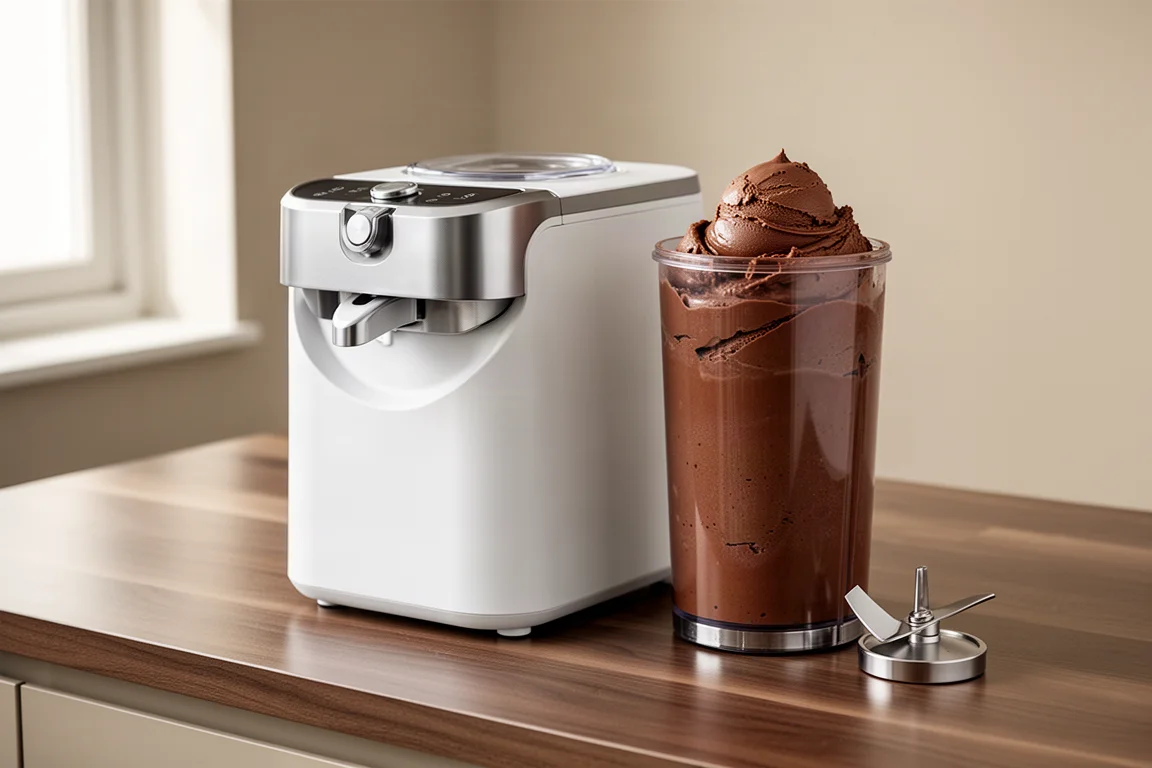
The Ninja CREAMi claims to turn almost anything into ice cream, sorbets, milkshakes, and smoothie bowls. That claim alone is enough to raise eyebrows, but what makes this machine genuinely interesting is where the idea comes from. It closely mirrors a professional kitchen tool called a Pacojet, a high-speed processor used in restaurants for ice creams, pates, and parfaits. The original version is quoted at several thousand pounds, and pricing is only available on direct request. The CREAMi brings a similar process to the home counter for a couple of hundred pounds.
The premise is unusual. Instead of churning as it freezes, you prepare your base, freeze it solid for 24 hours, and the machine then shaves the frozen block microfine at high speed to create a creamy texture. Our testers put it through six recipes from the included recipe book, from beginner-friendly chocolate ice cream to a custard-based gelato.
Test One: Easy Chocolate Ice Cream
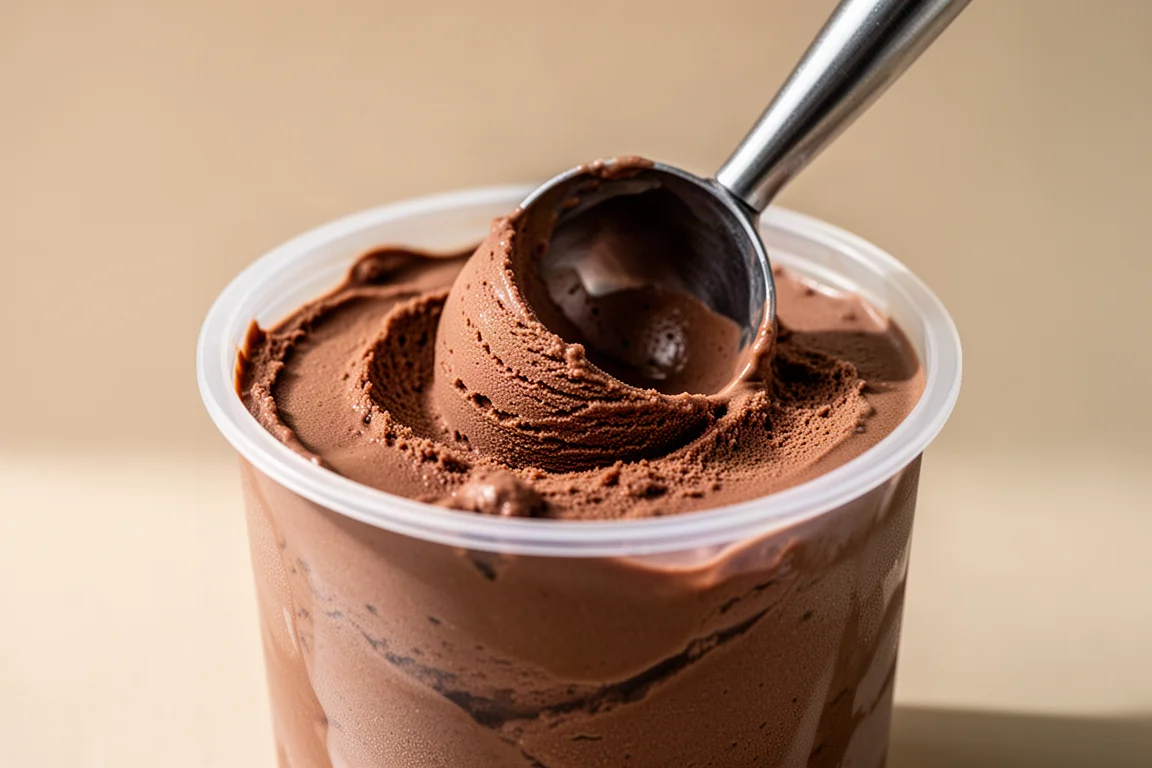
The first test was the easy chocolate ice cream recipe straight from the book. It is a no-cook base: a precisely measured 18 grams of cream cheese warmed slightly, then whisked with cocoa powder, castor sugar, and vanilla extract, followed by double cream and whole milk, weighing everything carefully. The mix pours into the tub up to the max line and freezes for 24 hours.
Operation is satisfyingly simple. The tub pops into the base, the blade locks into the lid with a twist, and the ice cream setting runs for a couple of minutes while the machine microfine-shaves the block and retracts the shaft when finished.
The first spin came out chalky and sandy rather than thick and scoopable, but a respin fixed it. The result was smooth, creamy, and genuinely luxurious. One important learning: the recipe book says the tub should be frozen within a range of roughly minus 12 to minus 25 degrees. A very cold freezer sits at the extreme upper end of that range, and the first batch was slightly too cold. Letting it warm a few minutes before spinning made a real difference.
Test Two: One-Ingredient Sorbets
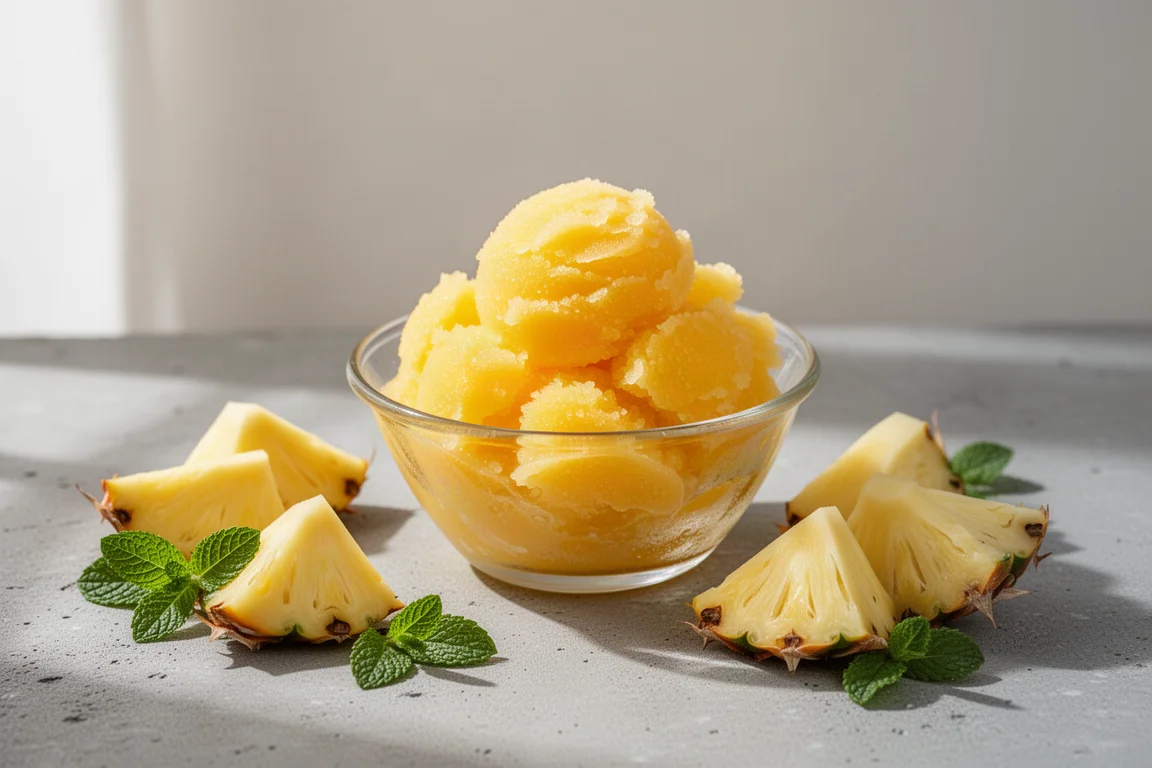
The sorbet setting is designed for fruit-based recipes with high water and sugar content, and the pineapple test could not have been easier: one ingredient, poured straight in. There is no minimum fill, only a maximum. The result was a clear step up from the first chocolate batch, with genuine pineapple flavour. A respin made it even smoother and creamier, impressive given there is no dairy involved.
A second sorbet made from two cans of pre-mixed Pimms cocktail was more instructive in what not to do. It expanded well past the max line, spilled over, and made a mess in the freezer. Even after that, it still produced a usable frozen result, though it was wetter and softer, likely because the sugar and alcohol content kept it from freezing hard enough. Fresh raspberries mixed in afterwards softened things further, which is worth noting: the mix-in guidance explicitly recommends against fresh fruit because it softens the base too much.
Test Three: Dairy-Free Ice Cream
The dairy-free test used the light ice cream setting with a lower fat, lower sugar base: oat cream, oat milk, vanilla, three pitted dates, and light agave syrup. After freezing, the mix-in stage crushed hard add-ins such as cookies and frozen fruit evenly through the base. The result was well mixed with a beautiful consistency, a genuinely solid option for anyone avoiding dairy.
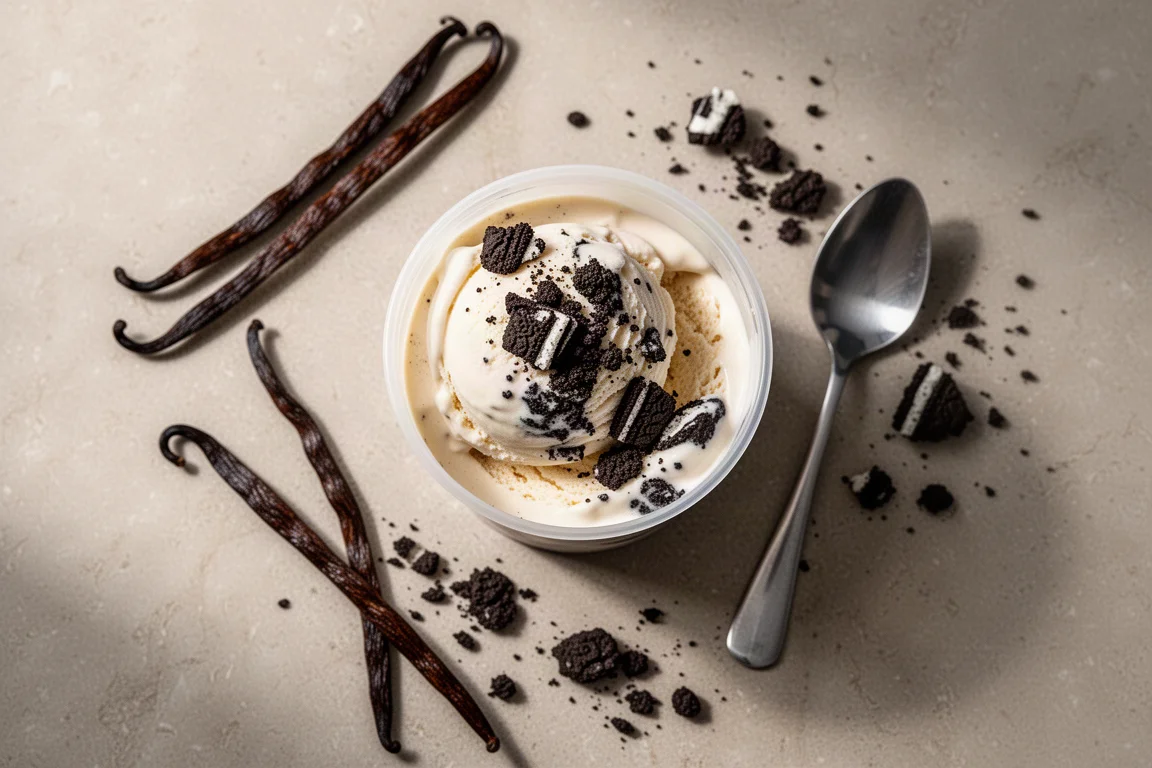
Two practical lessons emerged here. First, giving the tub 10 to 15 minutes out of the freezer before spinning noticeably improves the churn in a very cold freezer. Second, the mix-in stage is designed for hard add-ins, not soft or fresh ingredients.
Test Four: Salted Caramel Gelato
The most involved recipe was a salted caramel gelato with a proper custard base: caramel made from scratch, cream warmed in, then thickened with egg yolk and sugar, chilled, and frozen solid. Gelato is denser and heavier than ice cream and melts slower, which is what makes it so rich.
This batch was very soft, and in hindsight it should have gone straight from the freezer to the machine rather than resting 20 minutes like the others. The caramel flavour ran quite bitter, described as an adult, mature caramel. This is a recipe that rewards precision.
Test Five: No-Cook Strawberry Ice Cream
The no-cook strawberry recipe was the standout of the day. Strawberries, sugar, syrup, and lemon juice are mashed roughly with a fork and left for 10 minutes so the sugar draws out the fruit, then cream is added and the mix frozen for 24 hours. The result was the best consistency of all the tests: very creamy, real strawberry flavour, and described as better than most strawberry ice creams you can buy. With shortbread mixed in, it became something like a very cold strawberry cheesecake.
Test Six: Milkshake Mode
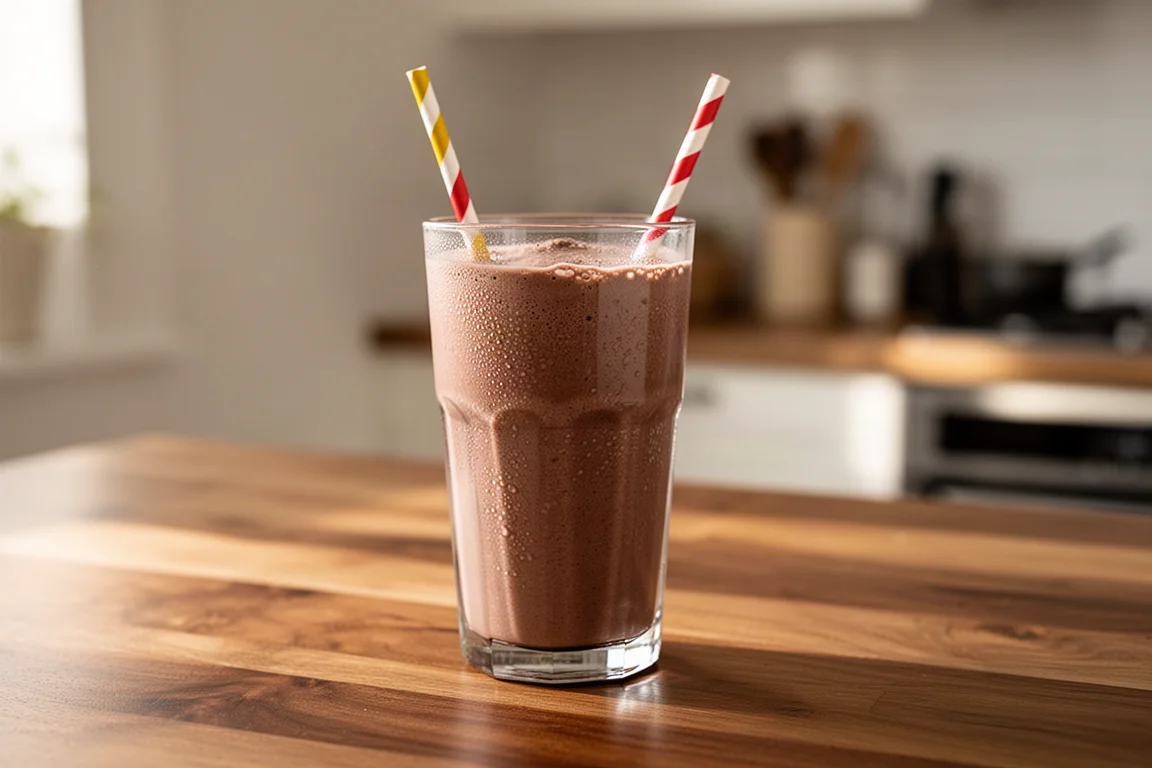
The final test turned the earlier chocolate ice cream into a milkshake with whole milk and the dedicated milkshake setting. The verdict: thick, it holds, and it is genuinely slurpable. Blended ice cream became a proper milkshake in one spin.
Should You Buy It?
As our testers put it, £200 is a lot of money for what is essentially a blender, but it is a very powerful one, and turning a solid frozen block into genuine ice cream is impressive. After a shaky first spin blamed on an extremely cold freezer, every subsequent recipe got better.
The practical advantages over conventional ice cream makers are real: the machine is slim enough for a worktop, and the multiple tubs fit in a freezer far more easily than a bulky pre-freeze bowl or a large standalone unit. Expect a short learning curve: plan for 24-hour freezing, watch your freezer temperature, and lean on the respin function when the first spin runs chalky.
The bottom line from testing: it does a good enough job to warrant the money, and more than one tester would have taken the review unit home on the spot.
Conclusion
The Ninja CREAMi is a compact, genuinely capable frozen dessert machine with a professional-kitchen lineage behind its concept. It shines brightest on simple recipes such as one-ingredient sorbets and no-cook fruit ice creams, handles dairy-free bases and mix-ins well, and rewards a little practice with settings and timing. If you enjoy frozen desserts and want a machine that earns its counter space with multiple flavours on rotation, it is an easy recommendation.
Product link
View more details for Ninja CREAMi
This product is mentioned in the review. Check the specifications, options, and compatibility before buying.
View more details for Ninja CREAMiFurther reading
Related Reviews
Kitchen Appliances
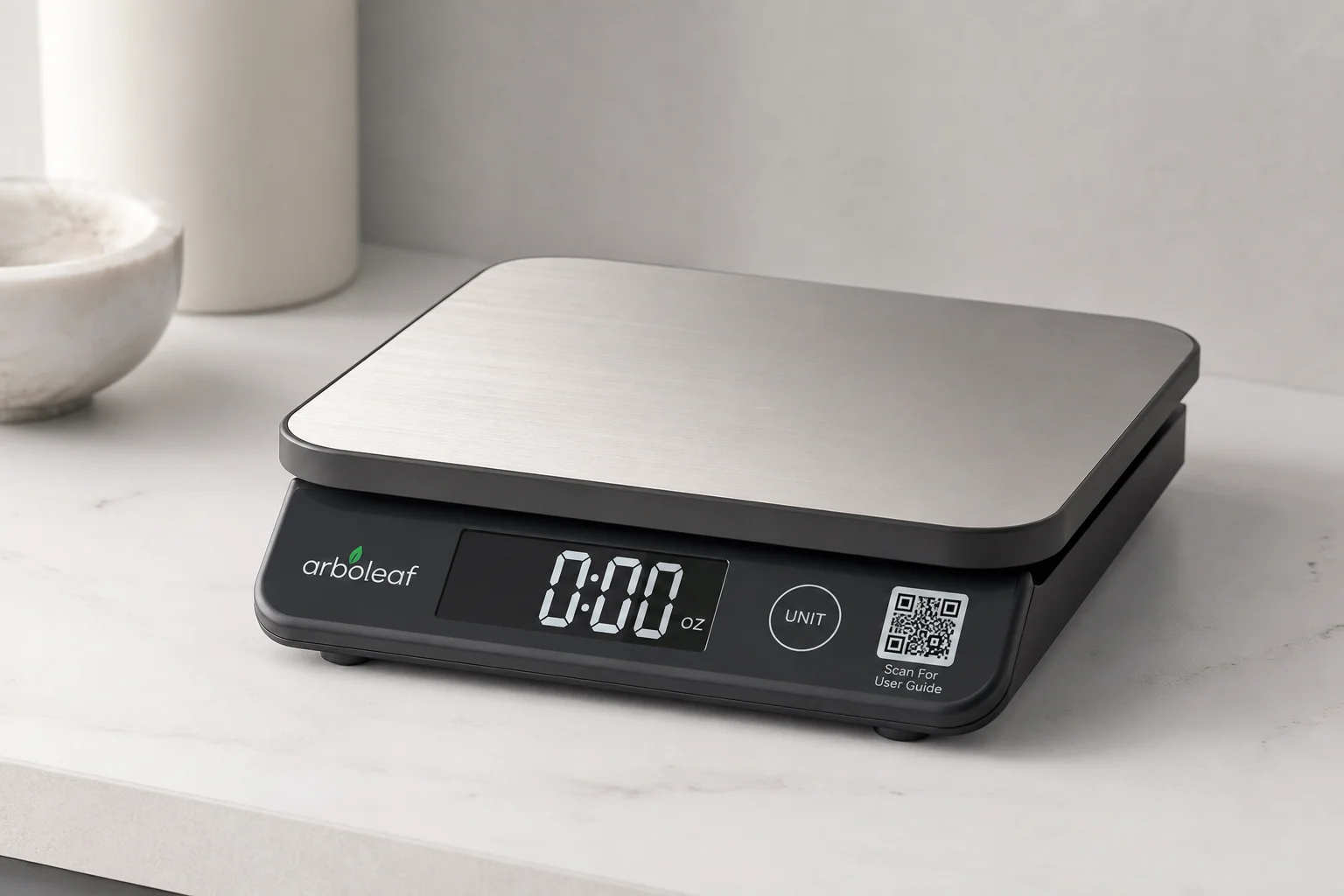
Arboleaf Smart Kitchen Scale Review: Connected Cooking Made Simple
A Bluetooth-enabled kitchen scale that syncs with a nutrition-tracking app, offering real-time weight monitoring and recipe guidance for home cooks.
Kitchen Appliances
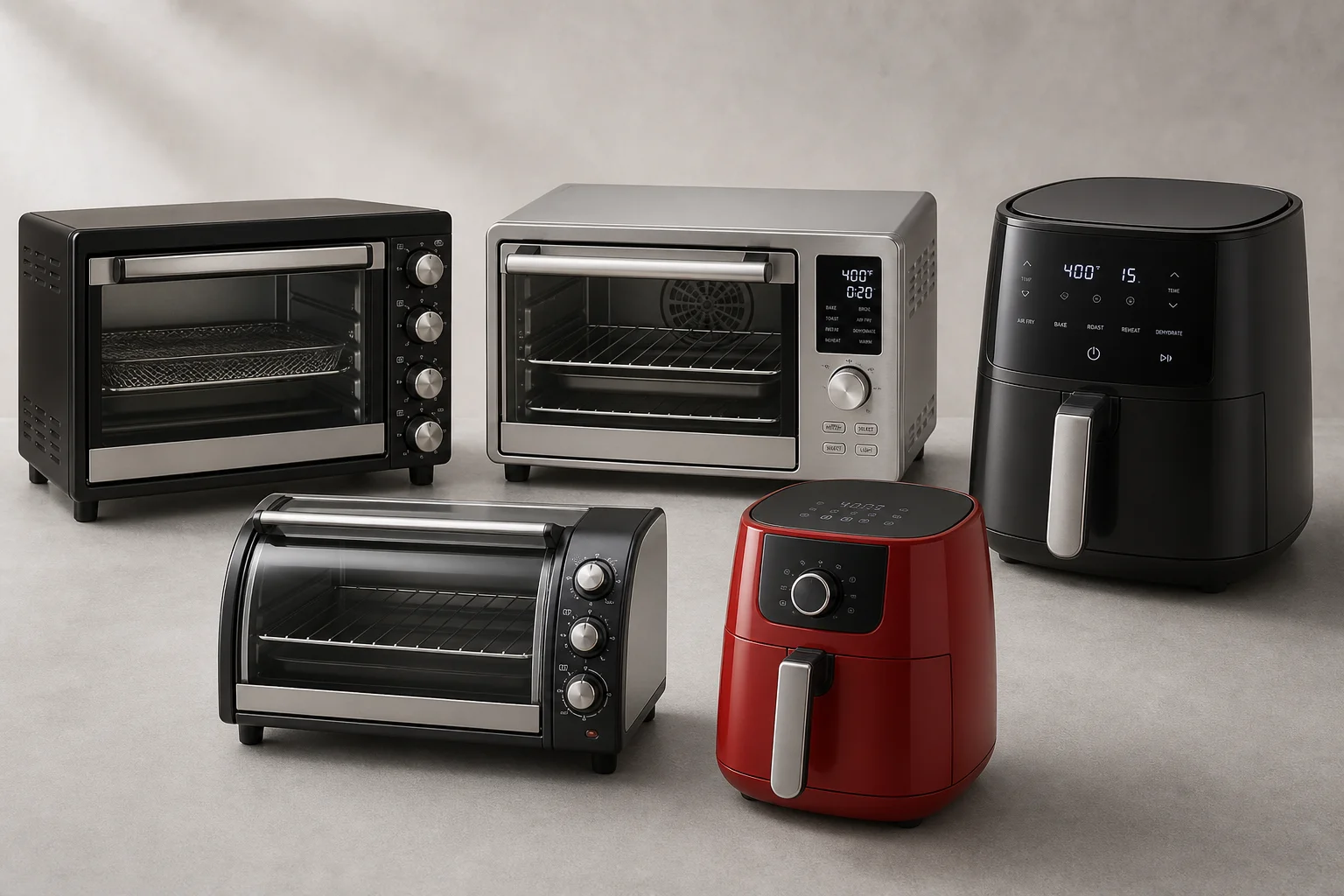
Best Air Fryer Toaster Ovens Under 100: Five Practical Options for Budget-Conscious Kitchens
Five air fryer and toaster oven combinations that deliver real cooking performance without breaking the bank, each with distinct strengths for different kitchen needs.
Kitchen Appliances
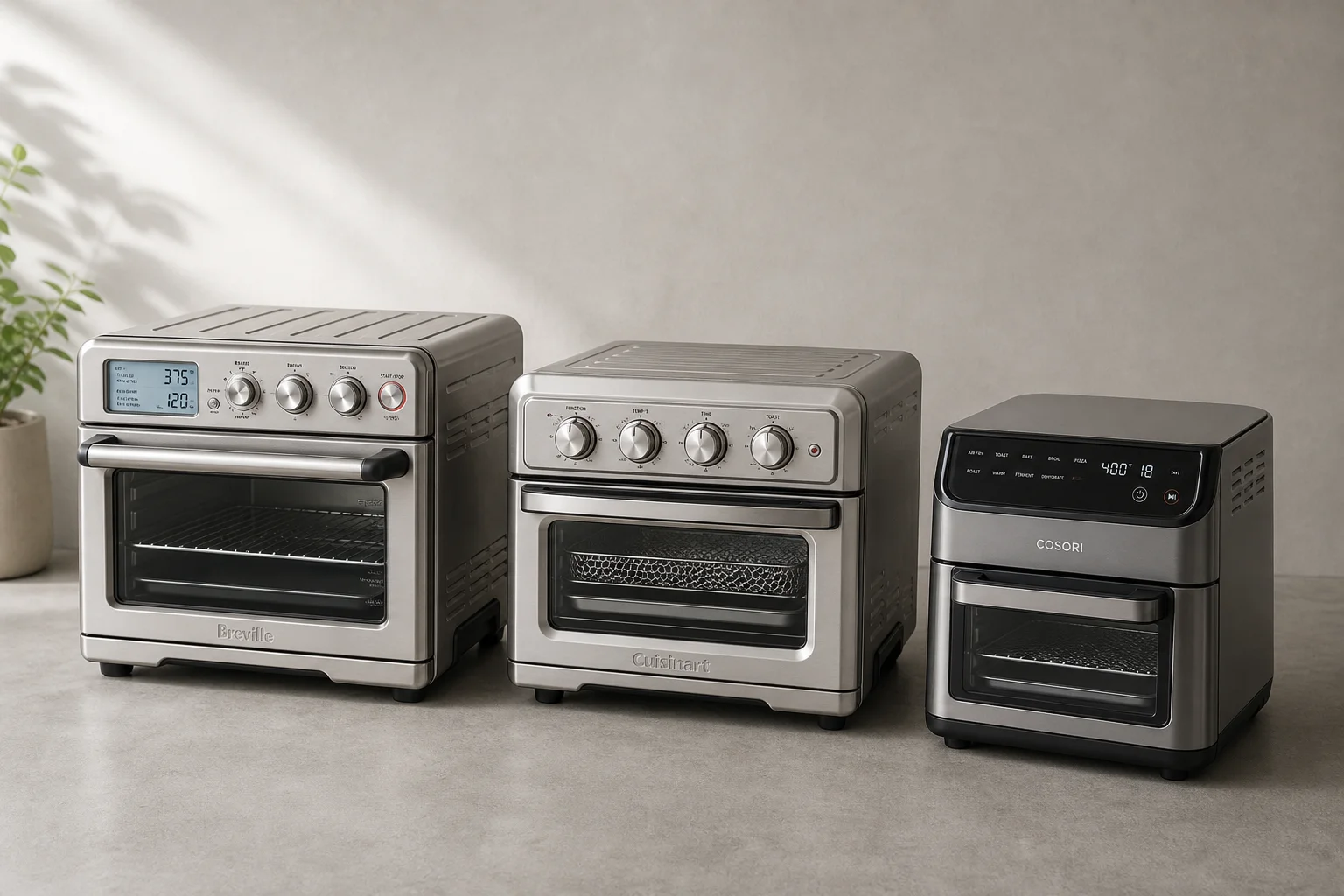
Best Air Fryer Toaster Ovens: Three Top Picks for Multi-Function Cooking
Three high-performing air fryer toaster ovens tested for versatility, ease of use, and real-world cooking results. Find the right fit for your kitchen.