Ski Gear
Nine Ski Designs That Missed the Mark: What to Check Before Buying Older Gear
A practical look at nine ski and snowboard designs with well-documented weak points, from brittle tip guards to delaminating top sheets, and what to inspect before buying used gear.
Introduction
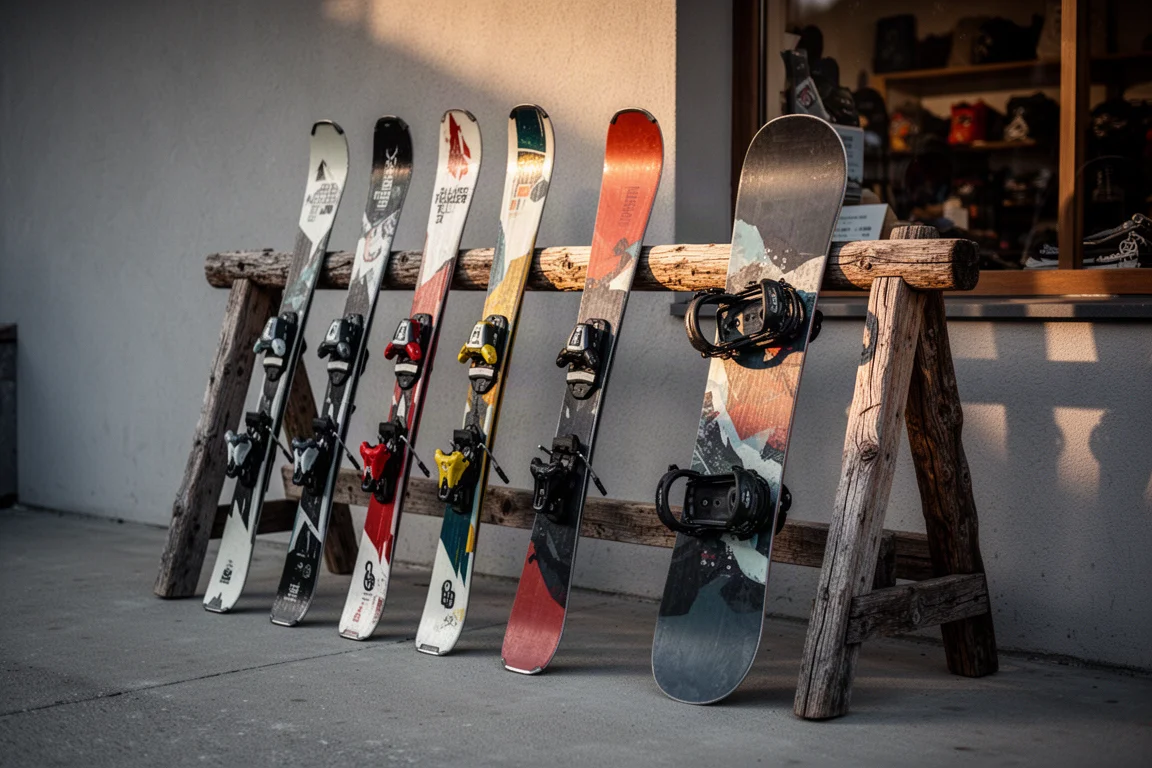
Ski swaps and secondhand listings are full of older models, and a few of them deserve a closer look before you commit. Over the past three decades, a handful of designs earned a reputation for specific problems: brittle tip guards, delaminating top sheets, proprietary bindings, and materials that simply did not hold up. Knowing those weak points makes it far easier to judge whether a used pair is a bargain or a project.
This guide covers nine ski and snowboard designs with well-documented shortcomings. Each entry explains what the design set out to do, where it went wrong, and which riders might still get along with it.
How to Read This List
Every entry below focuses on a specific failure rather than a brand. A single weak model does not define a manufacturer, and several of the brands here went on to build some of the most successful race and freestyle products of their era. The purpose is simply to know what to inspect.
A few themes repeat: weight that only suits strong, heavy skiers; proprietary parts that are hard to replace; and materials that age badly.
Race skis appear often here because race development is where new construction ideas get tested first. When a design worked, it filtered down into everyday carving skis. When it did not, the model was usually dropped after a season or two.
Mini Skis: A Category That Never Worked
Mini skis were a short-lived category in which several manufacturers built miniature skis intended to sit somewhere between skates and conventional skis. They were very short, they did not turn smoothly, and the bindings were minimal clip-in designs.
Because they had no brakes, riders had to use leashes to stop them sliding away. They were also cheaply assembled, and they are rarely seen on the mountain today.
The one genuine advantage was weight. A pair could be strapped to a pack for a hike with almost no penalty. As a downhill tool, though, they were sketchy, and the category is a useful reminder that short does not automatically mean easy.
Head World Cup Ti SL (2002): Heavy and Demanding
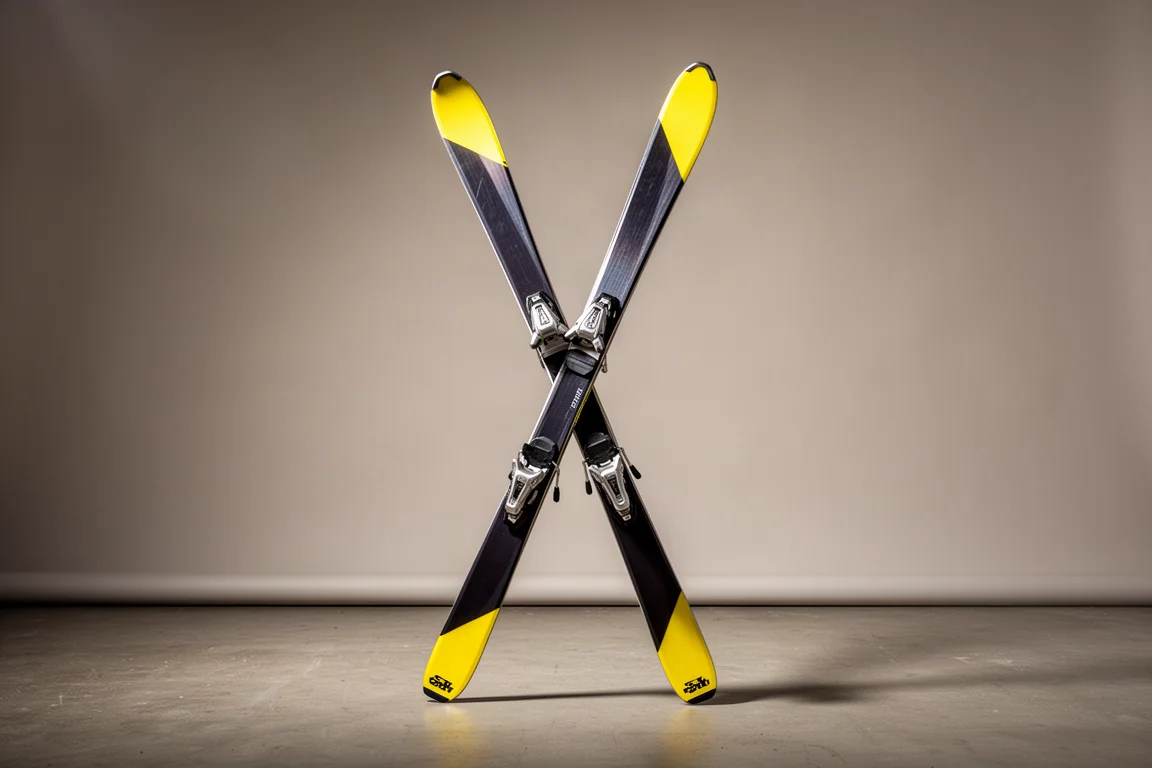
The 2002 Head World Cup Ti SL was a slalom race ski with a distinctive bright yellow tip. The build was dense, with a large number of layers, and that made it bulky and difficult to load into a turn.
For lighter skiers the ski felt closer to a GS model in its turn radius than a slalom ski. It took a great deal of input to get it turning, and it was not a forgiving choice for a smaller or younger racer.
That said, the density was not a mistake in itself. The ski was built for heavier, stronger skiers who could flex it properly, and in the right hands it would have behaved very differently.
Dynastar Trouble Maker: An Early Twin Tip With Durability Problems
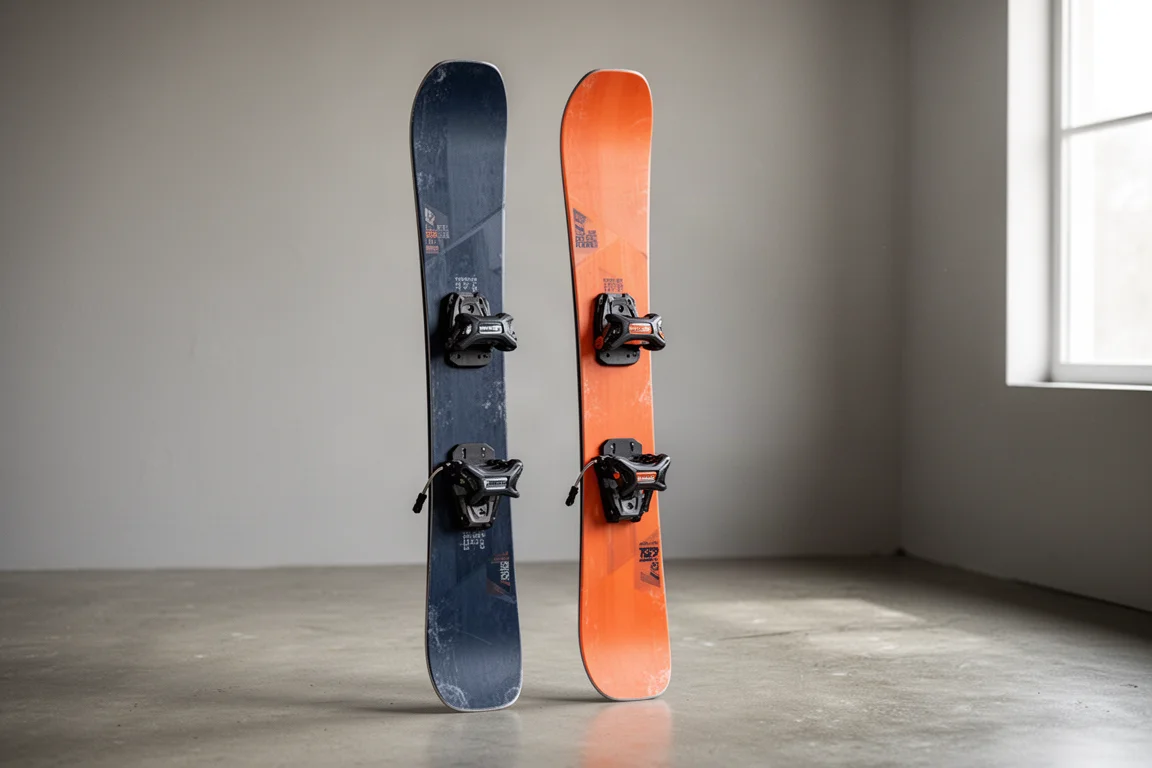
The Dynastar Trouble Maker, from around 2007 to 2008, was one of the brand’s first twin tip designs and part of the early wave of freestyle skis. That heritage is real: the model helped move freestyle ski design forward.
Durability was the problem. The skis delaminated badly, and edges separated from the sidewall even on basic boxes rather than rails. Secondhand abuse may have contributed, but the failures continued afterwards. They were also heavy for the era, rusted quickly, and offered weak edge hold with noticeable chatter, including on soft spring snow.
Atomic Race 5 GS (2005): Stiff Flex, Awkward Bindings
The 2005 Atomic Race 5 GS was stable, but it was also extremely stiff, and smaller or lighter skiers found it nearly impossible to turn. That firmness is characteristic of the GS side of the range, which is built for powerful racers.
The bigger complaint was the binding system. These bindings only fitted Atomic skis, which was common before cross-compatible mounts became standard. To hold the brakes up for waxing or tuning, the design used a metal clip instead of a rubber band, and the clip did not hold the brakes all the way up. In a base grinder, that meant plastic from the bindings was being shaved off and burning.
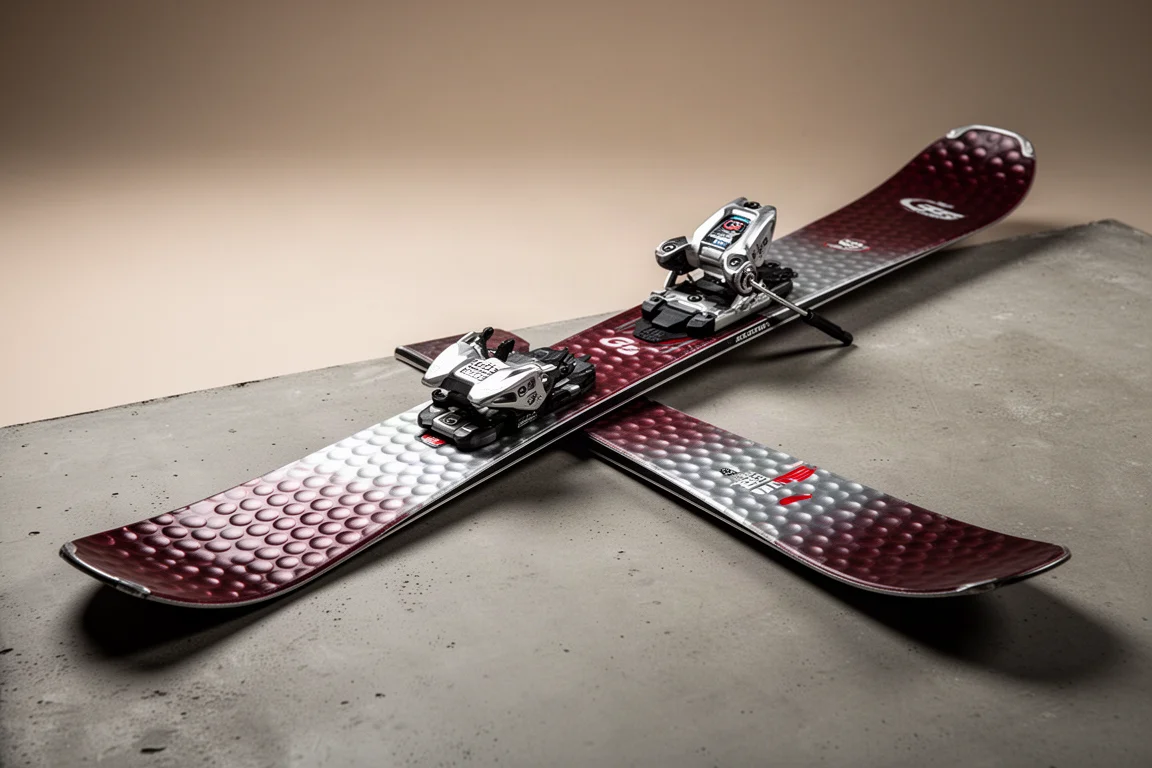
The top sheet used a golf ball texture that was claimed to improve aerodynamics. In practice it was a gimmick, and the texture delaminated quickly on many pairs. Some owners received several replacement pairs inside the warranty period before the breakages continued outside it.
Volkl P60 Slalom: A Good Ski With a Brittle Tip Guard
The Volkl P60 was, by most measures, a good slalom ski. It was light, responsive, and well suited to lighter or less aggressive skiers who were not trying to overload the ski. Its design lineage leads directly toward the Volkl Race Tiger, one of the most famous slalom race skis ever built.
The failure was small and fatal: the rubber tip guards. In slalom, gates bounce off shin guards and then off ski tips, and the P60’s tip guards could not take it. They snapped off and flew away roughly once a week or once every two weeks during training. Without a tip guard, the tip could delaminate or shatter outright, which earned the ski the nickname “fairy slippers.”
Shops rarely stocked replacements, so ordering from the manufacturer took time, and skis kept breaking in the meantime. That is why used P60s are hard to find today: many simply did not survive a season of gates.
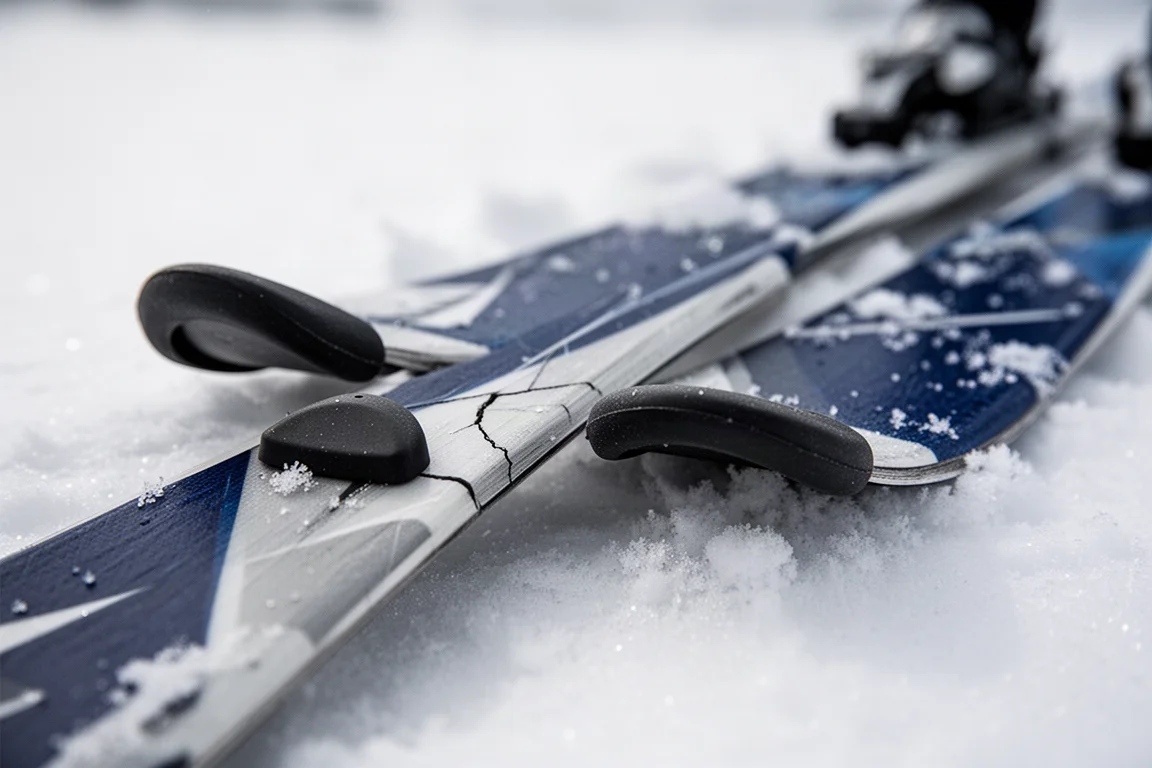
If you do find a pair, check the tip guards first and confirm that spares are still available before you commit.
Elan Nail Snowboard: Rigid and Brittle
The Elan Nail was a snowboard with a stiff, brittle feel. It would bend under load in a way that suggested it might break, and it was not smooth through a carve. It also lacked the pop that makes a board enjoyable off jumps.
Softer boards of the same period carved more predictably and felt livelier, which made the Nail a frustrating board to spend time on. Its one clear advantage was cost: secondhand examples sold for very little, which is how many riders ended up on one in the first place.
Elan Amphibio 14 (2016): A Demo That Went Wrong
The Elan Amphibio 14 is a modern carving ski, and the experience recorded on a 2016 demo was poor enough to score half a point out of five. The ski flopped into its turns, would not hold an edge, and built pressure in an unnatural way that felt borderline dangerous.
There is an important caveat. A bad tune can produce exactly these symptoms. If the file was run backwards, or the tips and tails were not detuned, a good ski will feel overly reactive at the tip and then lose grip through the rest of the turn. Other skiers on the same demo day reported similar behaviour, which points to the preparation rather than the design.
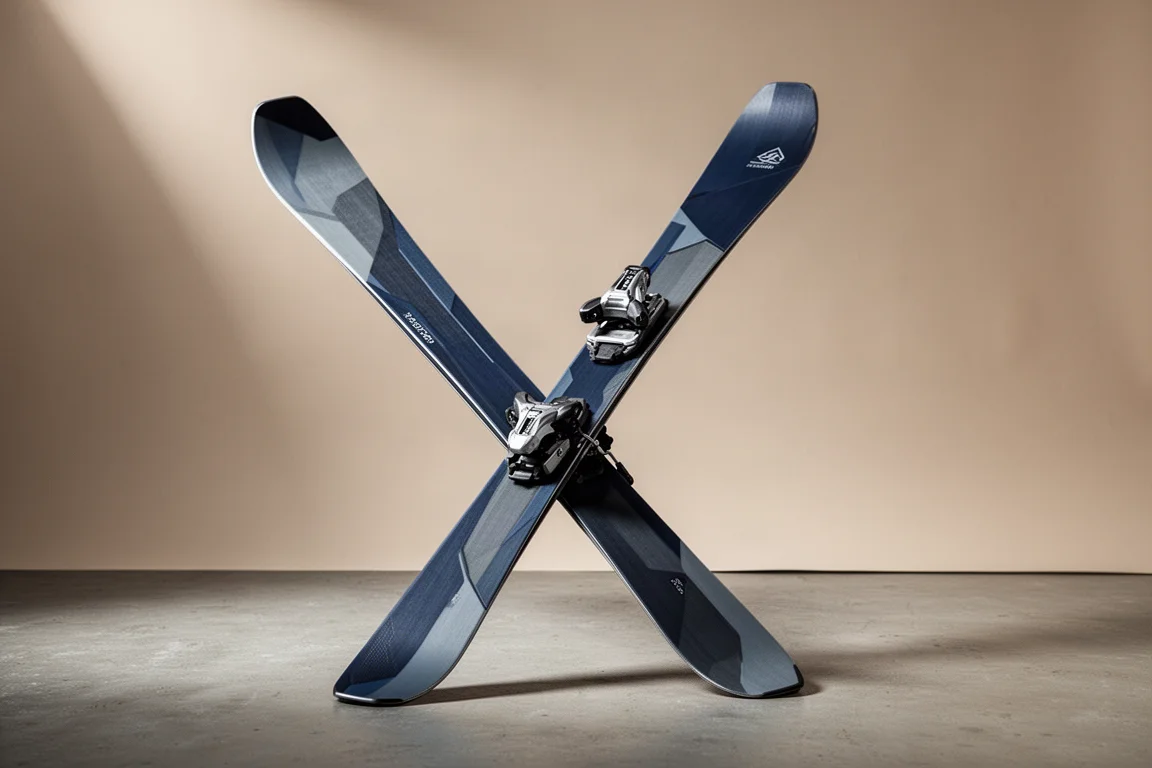
Bomber Slalom Ski (2010): Too Much Ski for the Course
Bomber’s first ski range, around 2010, deserves some slack as a first attempt. The GS model from that era performed acceptably. The slalom ski did not.
It was heavy and beefy, closer to a pontoon than a slalom ski, and it was hard to turn in the short radii that slalom demands. It ranks among the least enjoyable slalom skis of its time. The impression is that a GS design was carried over rather than reworked for slalom geometry.
Bomber later repositioned itself as a luxury brand, with prices well above mainstream race skis, which is a separate consideration for buyers comparing it with established race builders.
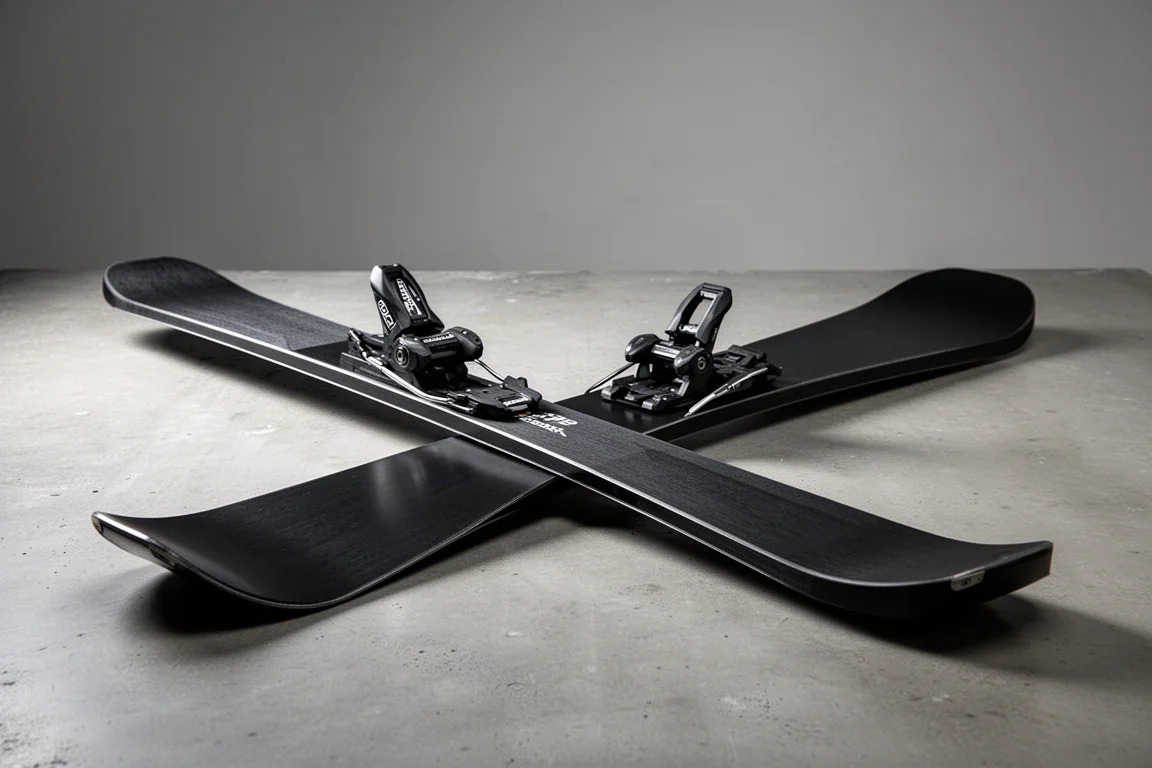
Rossignol 9X Race: A Dead, Lifeless Feel
The Rossignol 9X Race arrived just before the Radical series, the line that became closely associated with World Cup success for the brand. The 9X is the cautionary tale that came before it.
To cut weight and cost, wood was removed from the core and replaced with a composite material. The result was a ski that maxed out pressure very early in the turn and would not release into the rest of the arc. In slalom it felt dead and gave nothing back. In GS it chattered noticeably on hard snow. The skis also snapped in half and delaminated, and few people who owned them had anything positive to say about them.
There is one genuinely desirable part: the Look Pivot binding. The binding was discontinued and later became a premium item, which is why old 9X race skis still get stripped for their hardware.
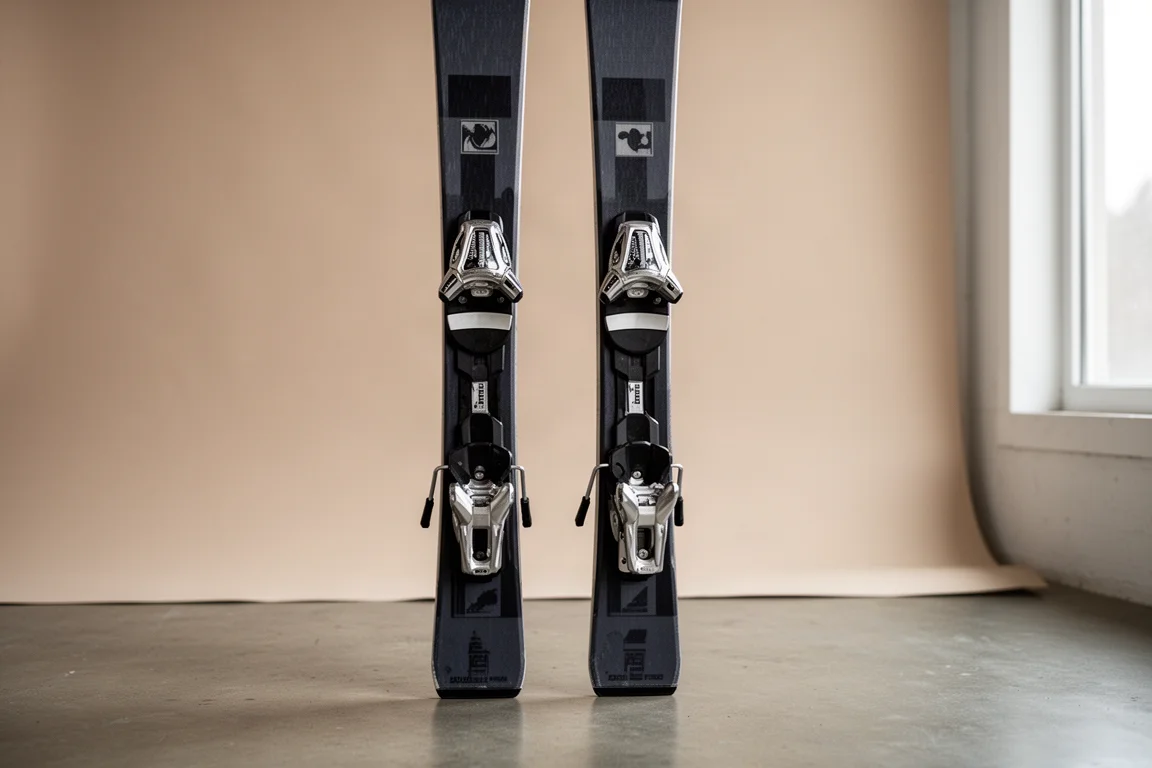
Volant Super Carve: Premium Metal, Real Problems
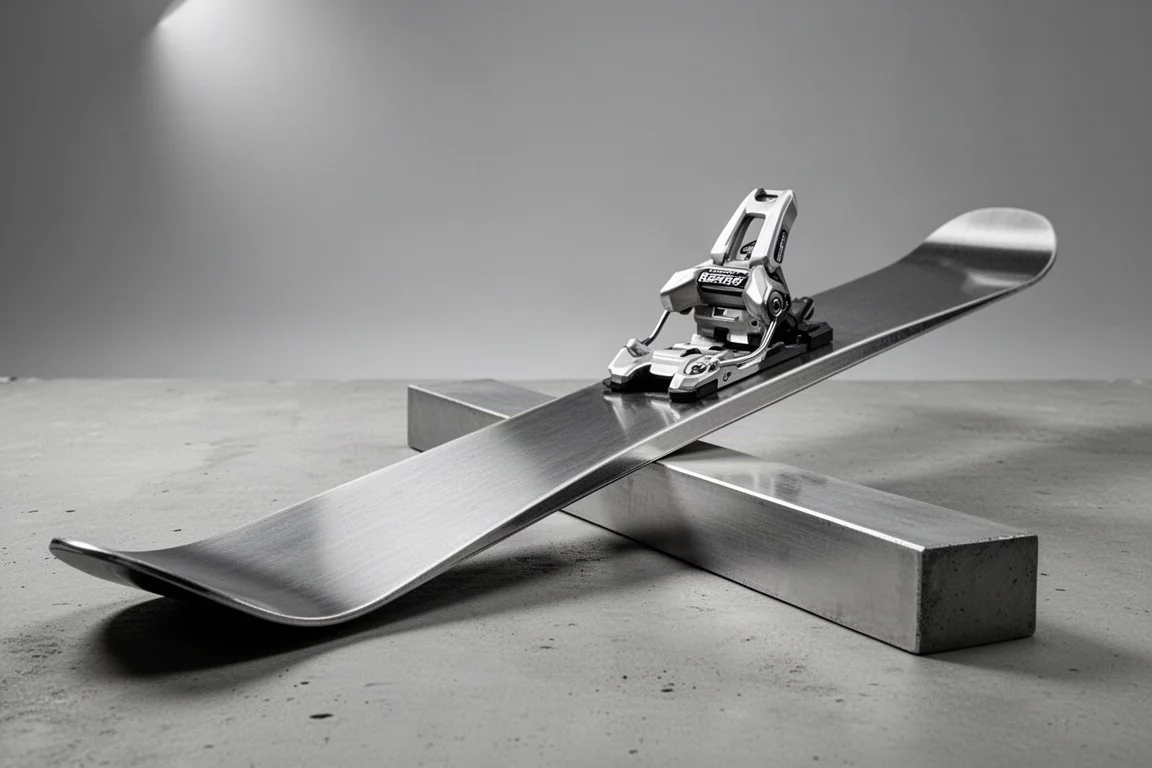
The Volant Super Carve, from around 2001 to 2002, was an all-metal ski sold at a premium well above comparable models. It was also extremely heavy and, for a lighter or younger skier, nearly impossible to turn.
Two structural failures stand out. The metal delaminated at the tips, and the glue holding the centre of the ski to the top sheet did not hold, so the metal and the base could separate. Owners had to be careful how they set the skis down, and repeated regluing was often needed.
The Super Carve was aimed at heavier adult skiers, so some of the difficulty comes down to rider weight and strength. Even so, a premium ski that falls apart at the seams is hard to justify, and this one left a lasting scepticism about high-priced ski lines.
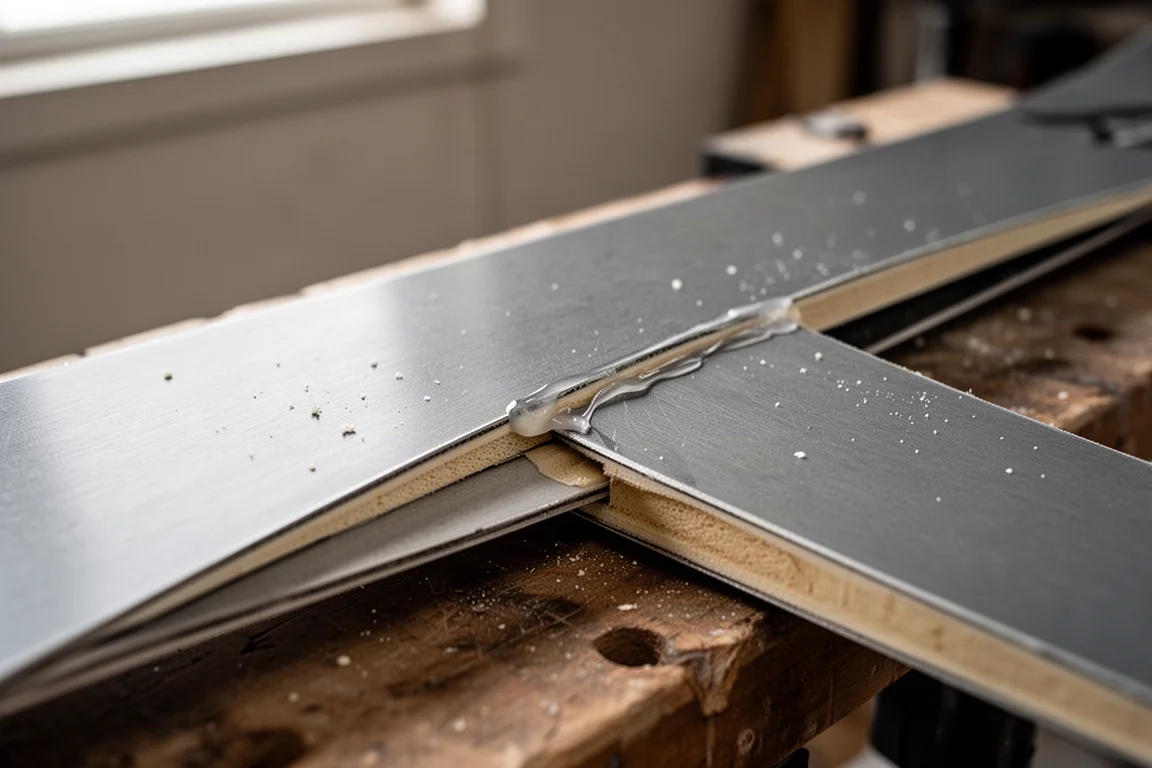
If you are considering a metal ski of this era, inspect the tips and the bond between the top sheet and the core before anything else.
Buying Advice for Older and Used Skis
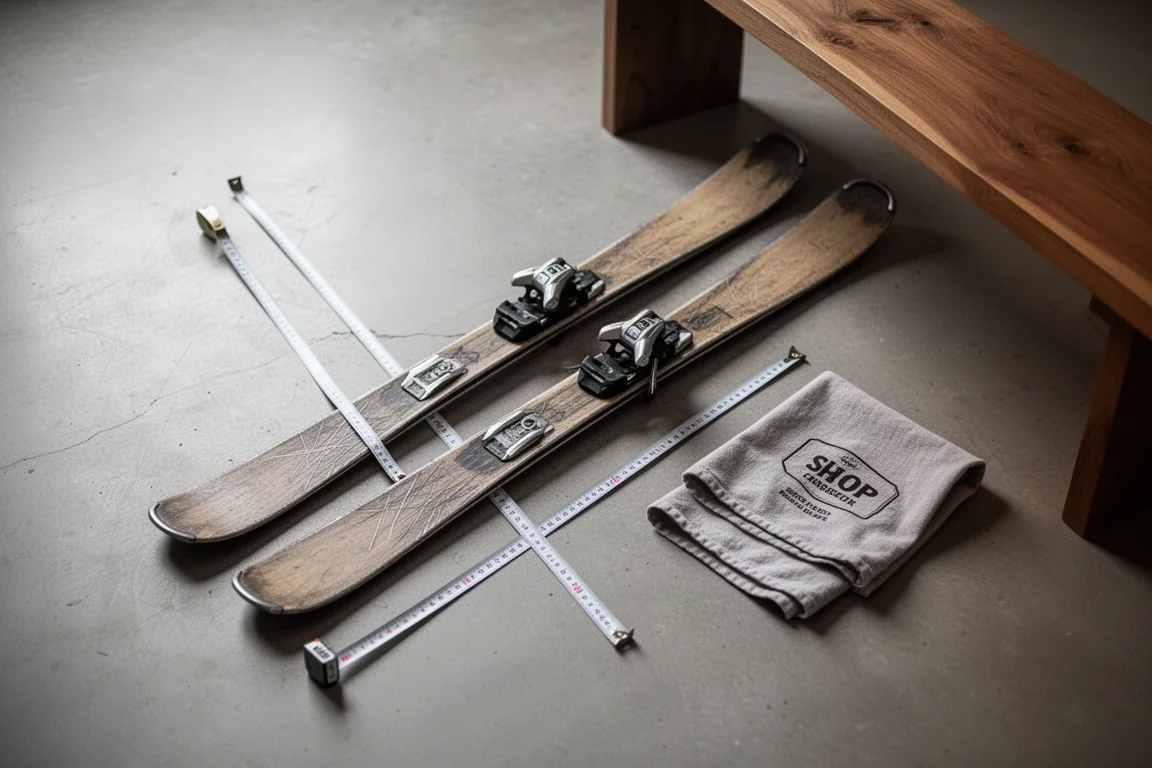
Older skis can still be excellent value, but the models above show what to check before you hand over money. Start with construction: tip guards, top sheets, and edge-to-sidewall bonds are the first things to fail on the designs listed here.
Next, check parts availability. Proprietary bindings, rubber tip guards, and unusual metal components can be impossible to source, which turns a cheap pair of skis into a shelf ornament.
Then consider whether the ski matches your size and strength. Several of these models were built for heavy, powerful skiers, and a stiff race ski from the early 2000s will not behave like a modern carving ski under a lighter rider. Finally, if you are buying a used ski with a reputation for breakage, look for evidence of repairs, regluing, or replaced bindings before you commit.
Conclusion
None of these nine designs is worth chasing for its own sake, but each one shows where a specific idea went wrong. Brittle tip guards, composite cores, proprietary bindings, and over-heavy metal construction all left their mark, and knowing those weak points makes the used market far easier to navigate. If a pair checks out on construction, parts, and fit, an older ski can still deliver a great deal of value.
Further reading
Related Reviews

Ski Gear
2023 Blizzard Hustle vs Rustler: Six Freeride Skis Compared
Blizzard's 2023 Hustle collection rebuilds the Rustler shape with a lighter core and no metal. Here is how all six skis differ, and which one suits your riding.

Ski Gear
2023 Skis of the Year: Atomic Maverick 88 TI, Salomon QST 106, and Look SPX 12 Pro
Three standout ski picks for all-mountain carving, powder days, and reliable binding performance, with practical buying notes for 2023 models.

Ski Gear
2025 Nordica Enforcer 104 Review: A Directional Charger Replaces the 104 Free
The 2025 Nordica Enforcer 104 drops the Free name and the twin-tip personality, gaining weight, stiffness and composure in rough snow. Here is what changed and who it suits.