Trail Running Shoes
Nike ZoomX Zegama Review: Big Cushion, Big Compromises
A max-cushion trail shoe with ZoomX foam under a carrier layer, a protective gaiter upper, and some real trade-offs on weight, stability, and price.
Introduction
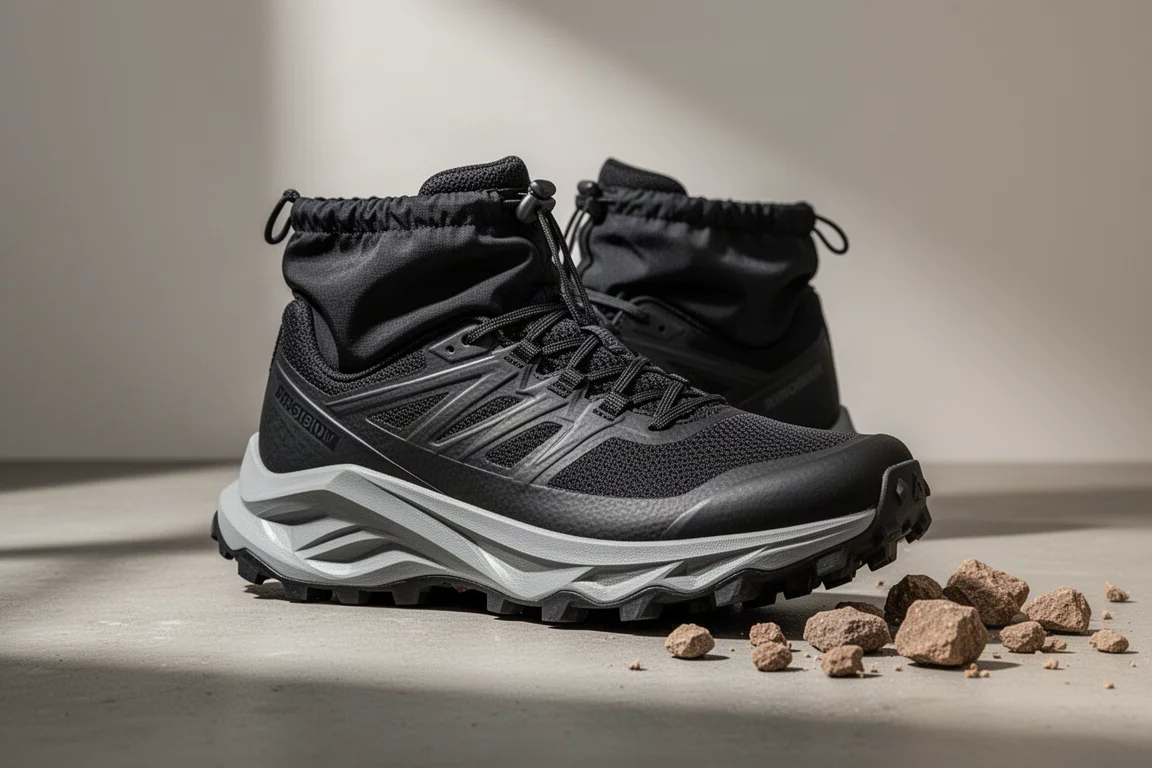
The Nike ZoomX Zegama is an ambitious idea: take ZoomX, the brand’s most coveted racing foam, wrap it in a protective carrier foam and a big cushioned stack, and send it out on the trails. On paper that sounds like a dream long-run trail shoe. After a couple of initial runs, it feels more like a shoe with a very narrow audience and a lot of compromises.
Who This Shoe Is For
This is a maximum-impact-protection trail shoe, and Nike makes no secret of it. The question is what that protection costs. In our UK size 11, the Zegama weighs a hefty 341 grams, and that weight is noticeable from the first stride. If you want a plush, high-stack shoe for long, non-technical trail days and you genuinely like a lot of foam underfoot, this could work for you. If you want a responsive, flat, ground-feeling trail shoe, this is not that.

Upper: The Best Part of the Shoe
The upper is a focused, locked-in fit, closer in construction to the Pegasus Trail 3 than anything else. There is a reasonable amount of width in the toe box, but the toe box height is not overly generous, which helps lock the forefoot into the shoe. The padding around the tongue sits in the right place for standard lacing, and the gaiter around the heel collar worked very well, keeping debris out on soft dirt.
A few caveats: the tongue padding does not extend far enough to protect the top of the foot if you use a runner’s knot, and the gaiter could irritate the skin around the ankle if you wear low-profile socks. Breathability and toe protection were both fine on dry, warm days, and there were no rubs or blisters. After the first run, the upper earned a 2.7 out of 3.
Midsole: Lots of Foam, Not Much ZoomX Magic
The midsole is where things get complicated. ZoomX sits inside a carrier foam, and that carrier layer largely nullifies the ZoomX bounce. What you get is a firm-ish, very high ride, closer to a firmer trail version of the Vomero 16 than an Alphafly or Invincible. The heel stack measures around 42 millimeters, and you certainly know you are on a lot of foam, but not in a good, stable way.
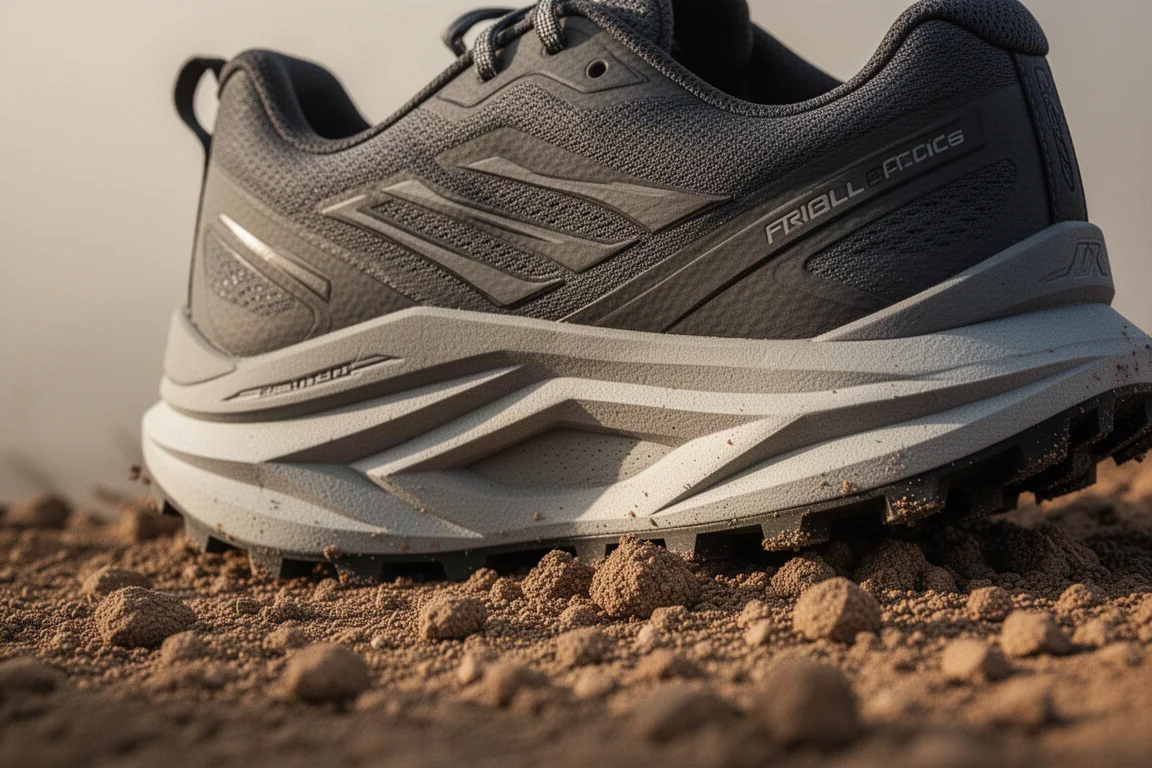
The bigger problem is the sidewalls. They dug into the arch on the left foot to the point of real pain, almost like wearing a stability shoe that keeps trying to correct your landing. The shoe actually felt better on flat asphalt than on trails, and the midfoot and forefoot felt overly flexible, which hurt stability further. Softer soil and uphill running were fine, and there is decent impact protection on descents, but it feels like overkill. The midsole scored 1.8 out of 3.
Outsole and Traction
Traction was serviceable. On soft and compacted dirt the grip was genuinely good, with a solid feel of grabbing the floor. On gravel the pattern coped, but sharper stones pressed through the forefoot and midfoot, which suggests the rock plate, wherever it is and whatever it is made of, is not doing much. There was no wet-terrain testing, but the rubber formula used here has a reputation for being slippery on smooth stones.
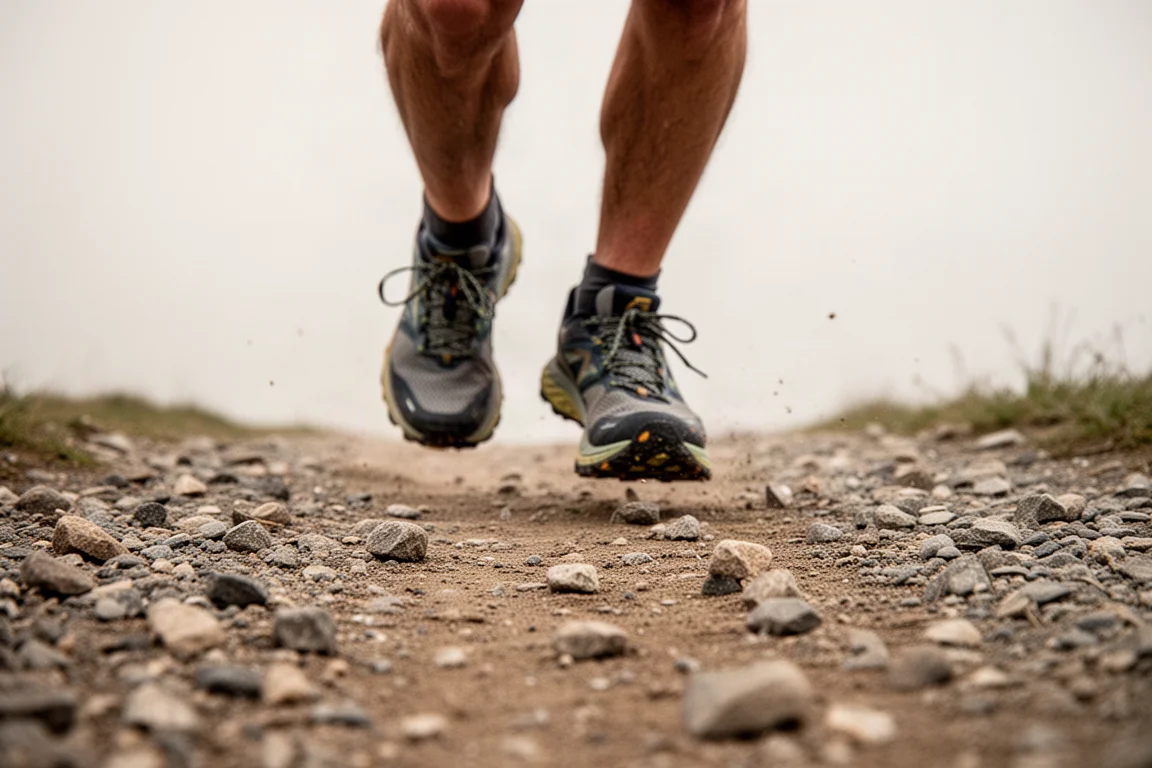
One hope for longevity: the midsole should be durable, with the carrier foam protecting the ZoomX core. That said, the outer lug edges on the Pegasus Trail 3 wore quickly, and this shoe uses a similar rubber approach, so watch the lugs over time. The outsole earned 2.2 out of 3.
Value and Durability
At $145, this is a reasonable wedge of money for a shoe we would not rush back to. The durability argument is fair: the ZoomX should go on and on with that carrier foam over it, and the outsole rubber may well last. But build quality felt standard at best, with some glue marks and hasty assembly here and there. There is also a lot of exposed midsole that will take a pounding over time.

Honestly, at this price the Pegasus Trail 3 or 4 looks like the more fun and more versatile pick, and it works as a casual shoe too. The Zegama scored 2 out of 3 for value, giving a total of 8.7 out of 12 after the initial runs.
Things to Consider Before Buying
- Test it in store first and see if the underfoot feel and stability work for you.
- Expect a heavy, very cushioned, high-stack ride rather than ZoomX race-day magic.
- Be aware of the sidewall arch pressure reported on uneven terrain.
- Skip it if you want a responsive, flat, ground-feeling trail shoe.
Buying Advice
If your trails are dry, non-technical, and long, and you love max-cushion shoes, the Zegama has a place. For most trail runners, there are better options, including Nike’s own Pegasus Trail line.
Conclusion
The Nike ZoomX Zegama tries to be a maximum-impact-protection trail shoe and partly succeeds, with a comfortable, protective upper and durable foam. But the weight, unstable high ride, arch-pressure issue, and muted ZoomX feel hold it back. It is a niche shoe, and for most people the shelf is the right place for it.
Product link
View more details for Nike ZoomX Zegama
This product is mentioned in the review. Check the specifications, options, and compatibility before buying.
View more details for Nike ZoomX ZegamaFurther reading
Related Reviews
Trail Running Shoes
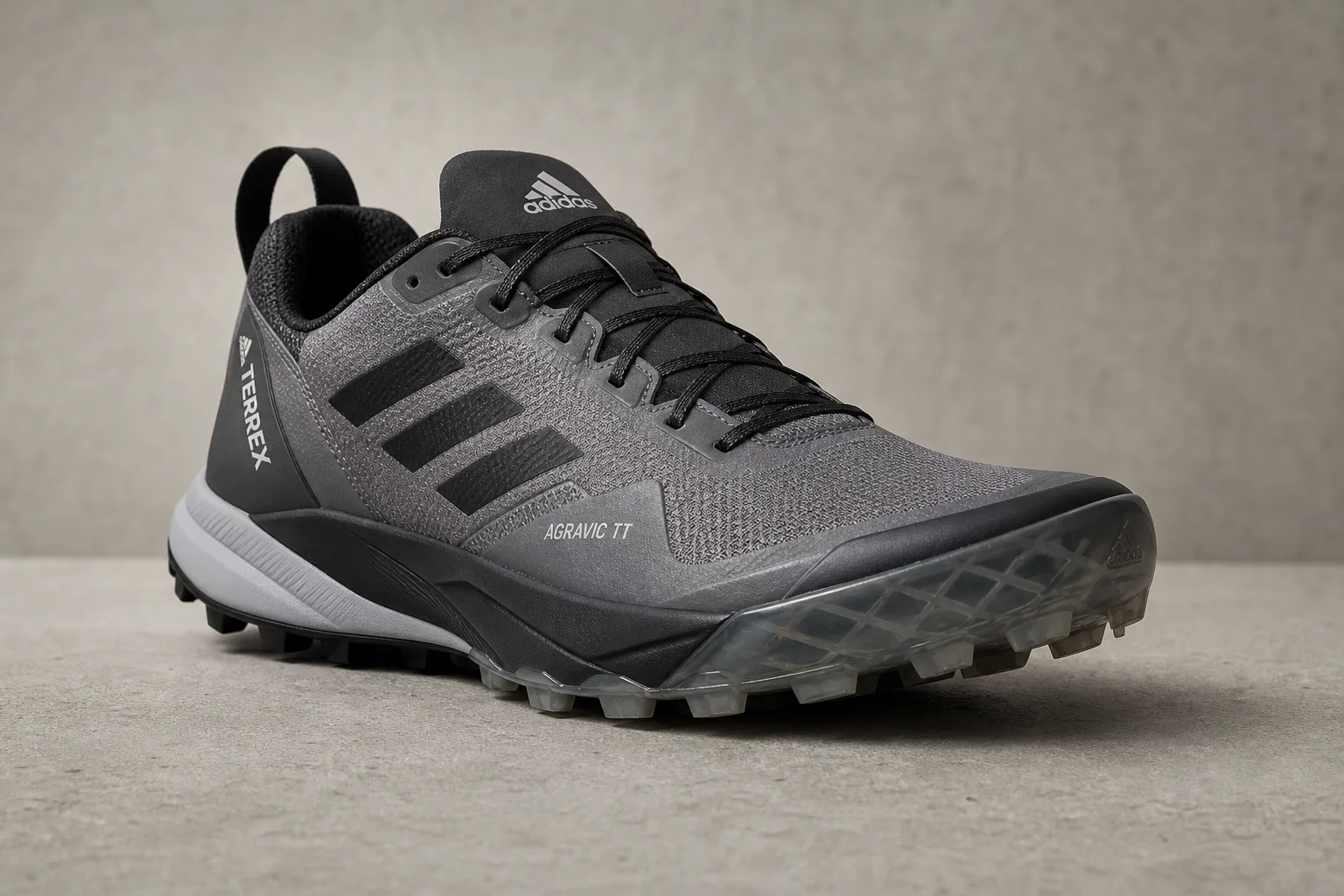
Adidas Terrex Agravic TT Review: A Technical Trail Shoe Built for Rocky Terrain
The Adidas Terrex Agravic TT combines a full-coverage rock plate with a firmer midsole to deliver protection and stability on technical, rocky trails. A capable choice for runners who prioritize underfoot defense over lightweight cushioning.
Trail Running Shoes
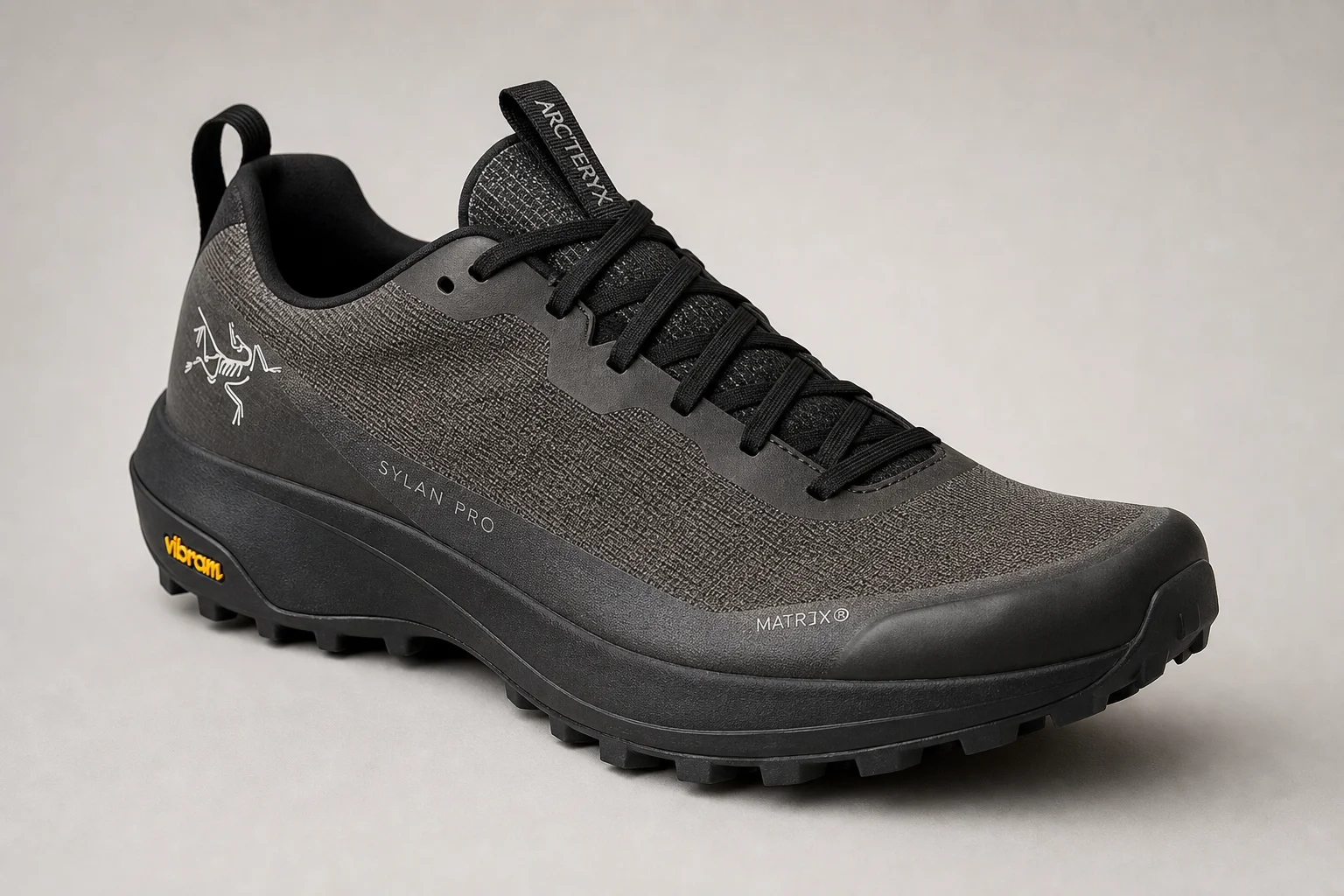
Arc'teryx Sylan Pro Review: A Rocker-Focused Mountain Running Shoe Tested on 20 Miles
The Arc'teryx Sylan Pro brings a pronounced rocker geometry and secure fit to mountain terrain. We tested it on a 20-mile Sawtooth loop to evaluate its climbing efficiency, protection, and handling of technical descents.
Trail Running Shoes
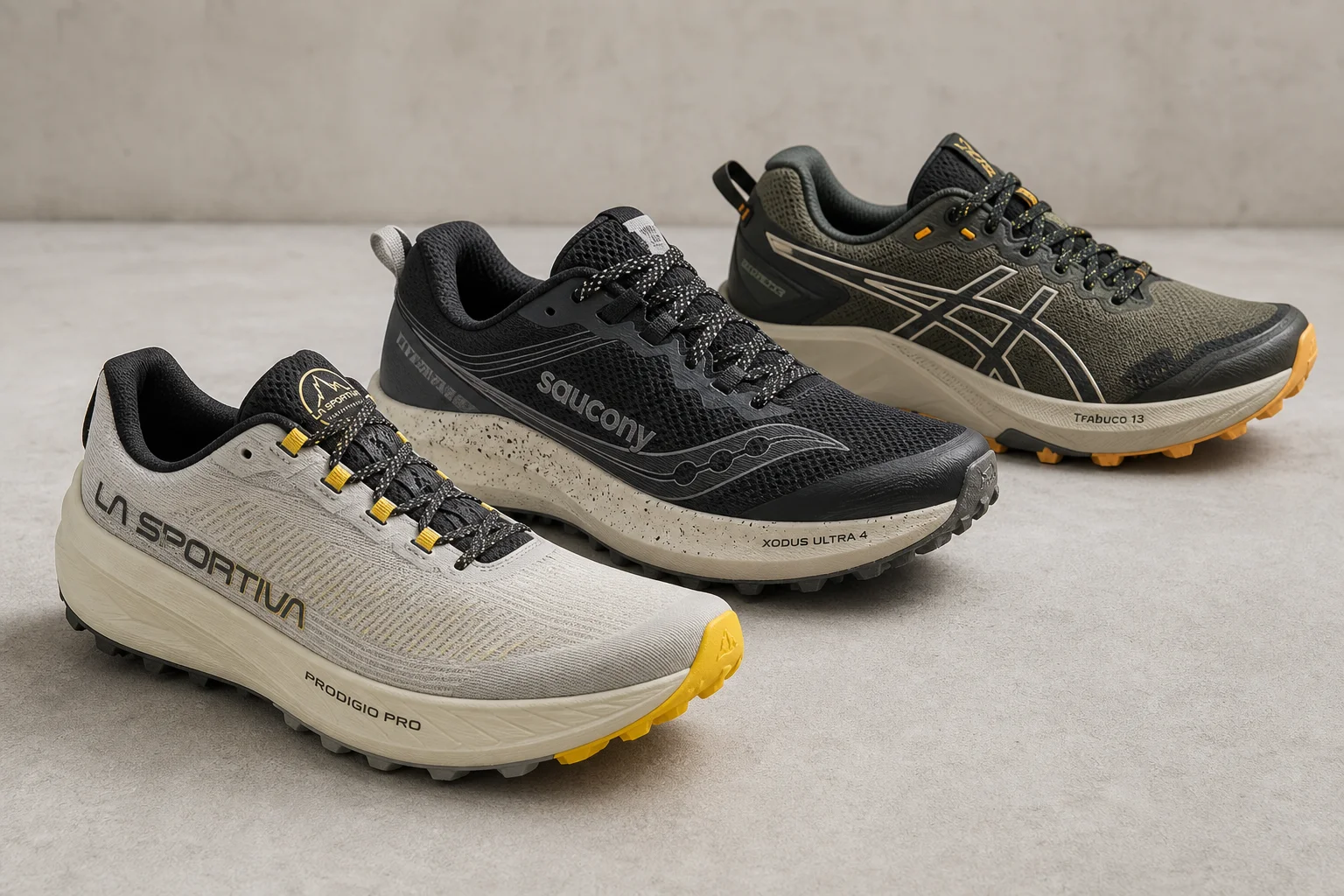
Best All-Mountain Trail Running Shoes: Three Versatile Options for Any Trail
A focused roundup of three all-mountain trail running shoes that handle technical terrain, long distances, and variable conditions with real strengths and practical trade-offs.