Running Shoes
Nike ZoomX Vaporfly Next% 3 vs Hoka Rocket X 2: Which Race Day Shoe Wins?
Two of the most talked-about super shoes go head to head. We break down fit, foam, stability, and who each shoe is really for.
Introduction
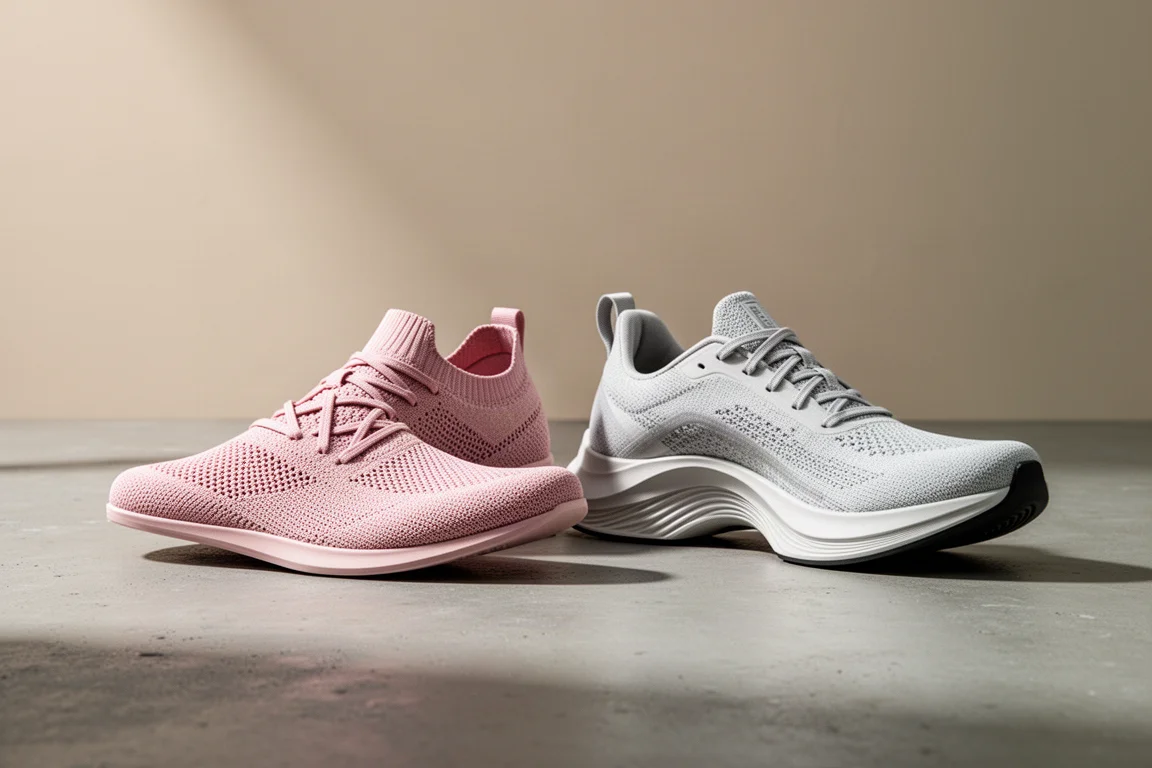
It has been a long wait for a new Vaporfly. The Nike ZoomX Vaporfly Next% 3 arrives roughly two years after its predecessor and is one of the most anticipated race day shoes in recent memory. But it now faces a serious challenge from the Hoka Rocket X 2, a shoe that has quietly earned a place among the best super shoes on the market.
Both are premium race day shoes built for speed work and personal bests, not daily training. Here is how they compare.
Nike ZoomX Vaporfly Next% 3
The Next% 3 gets a redesigned Flyknit upper that is super thin and highly breathable, with generous perforation throughout. There is real padding and structure in the heel, something many super shoes lack, and the internal padding hugs the heel nicely. The collar curls in around the ankle, eliminating the sloppy gaping of earlier versions, and the offset lacing cinches over the foot without crunching the arch.
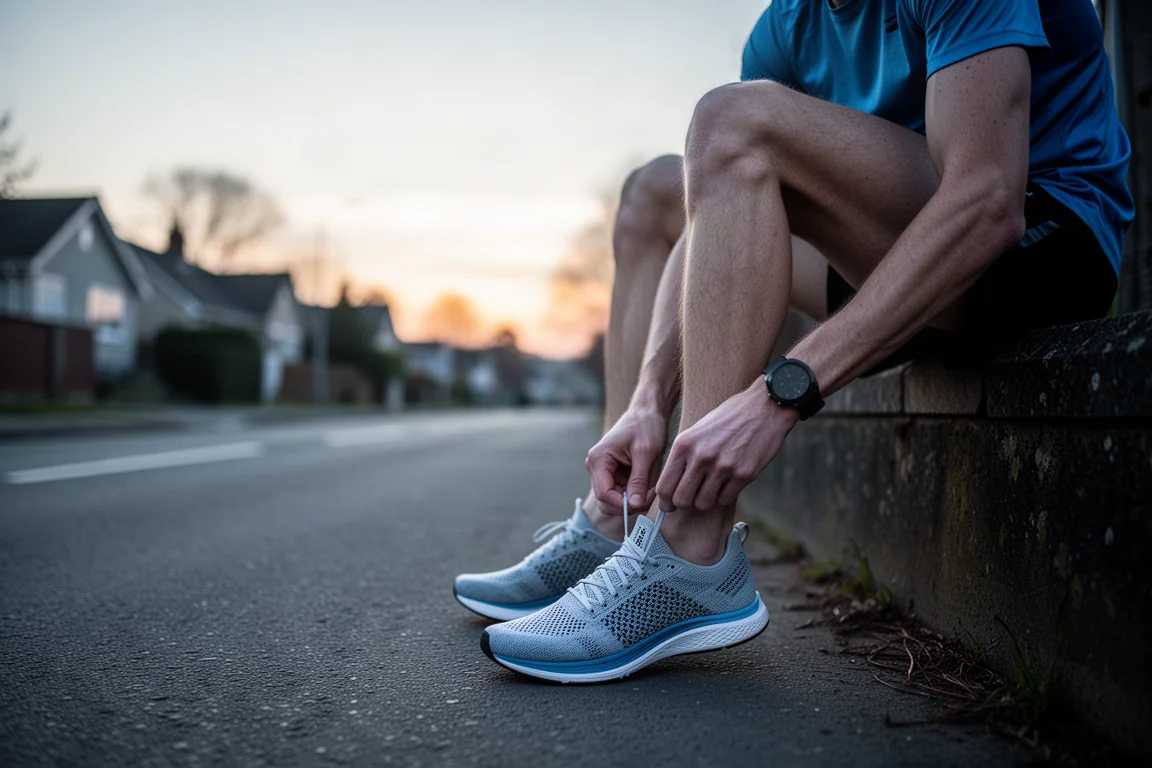
The fit is Nike narrow, but testers with average-width feet reported no issues. The tongue is un-gusseted and rises oddly high toward the ankle, which feels awkward at first but disappears once laced and running. It is also hydrophobic, so the upper does not absorb water on rainy race days, and drenched testers found it barely felt heavier.
ZoomX Foam and Weight
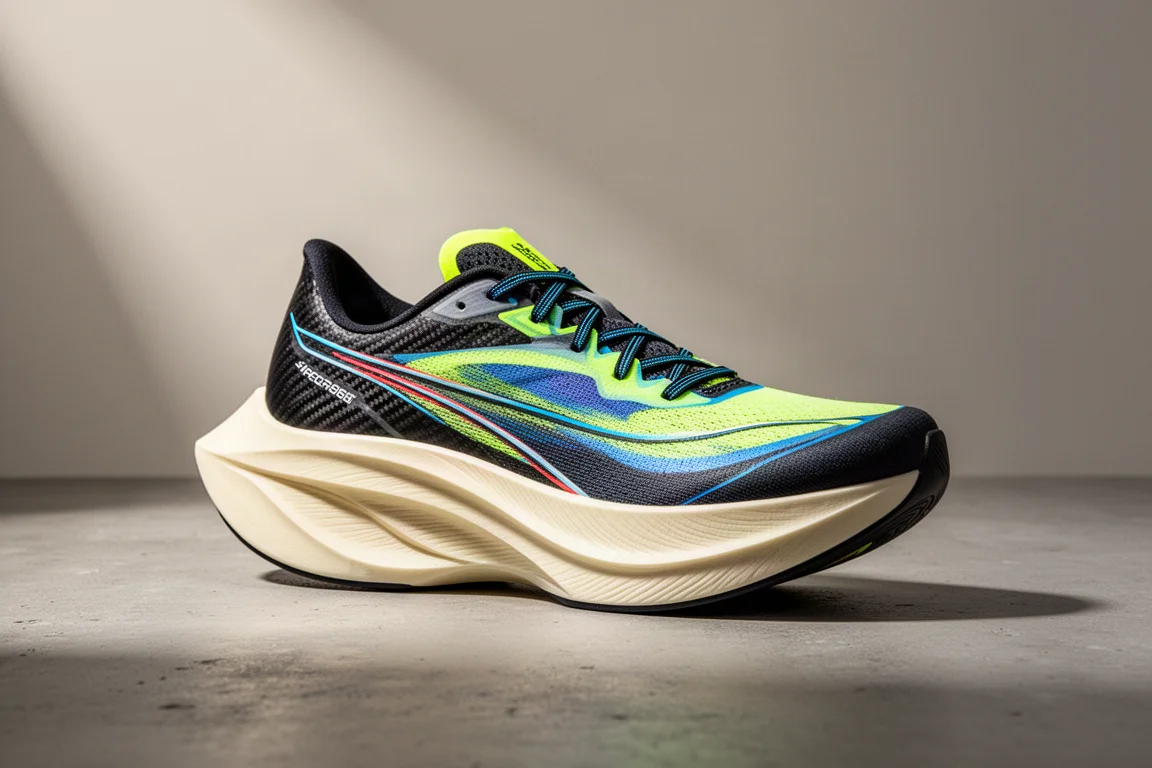
The midsole keeps the expected ZoomX and plate combination, with slightly more ZoomX foam added. The bounce is hard to beat: the foam and plate are both fairly firm on paper, yet on the run it feels soft, bouncy, and free of the harshness you would expect from the plate. You still feel the plate loading and through toe-off, which gives the shoe a responsive, connected ride.
The weight is the headline. Testers reported 7.1 oz (about 200 g) in a men’s size 10.5 and just 5 oz (150 g) in a women’s 7.5, figures that border on unheard of for a plated super shoe. The stack is 40 mm at the heel and 32 mm at the forefoot, an 8 mm drop, so it runs more like a traditional running shoe than a rocker, with a strong pop off the toe.
Durability and Stability
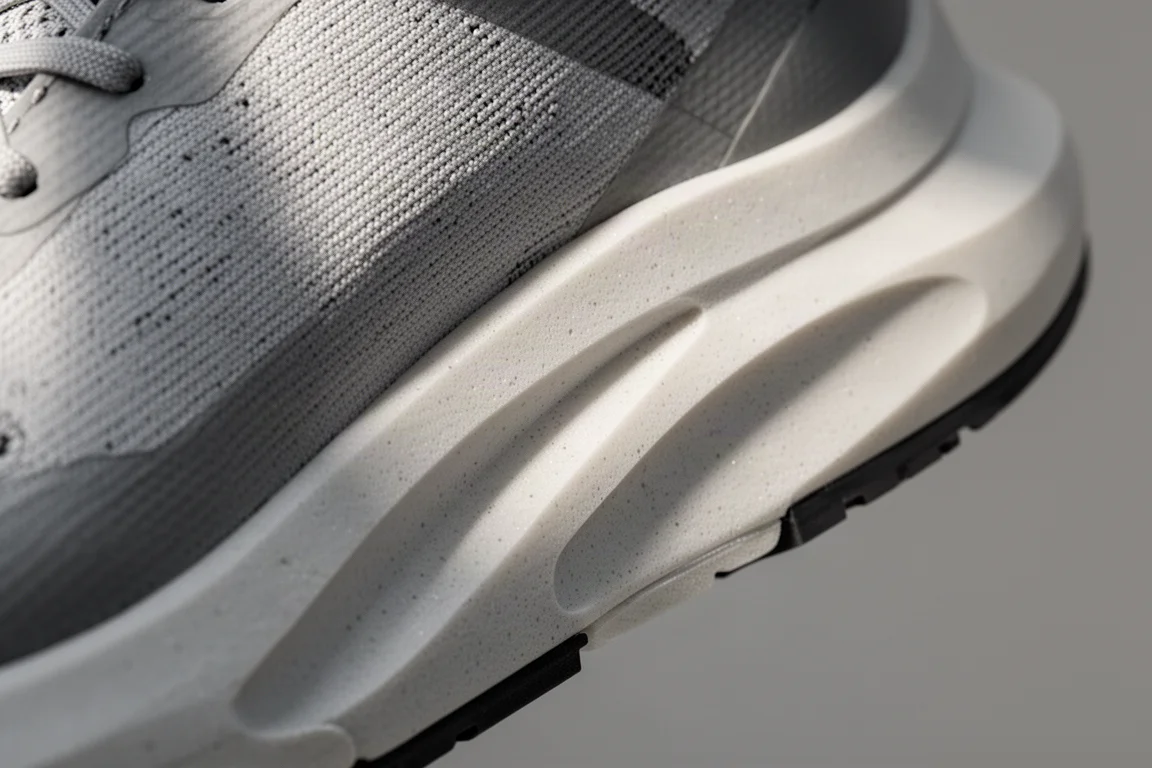
These are not 300-mile shoes. As race day and speed work tools, roughly 200 good miles is a fair expectation. The upside: once they are past their prime for racing, they make excellent workout shoes, still lively enough for tempo days even without fresh-pair pop.

Stability is the main caveat. The midfoot throat is cut extremely narrow, and while the wide toe box helps, one long-run tester with sensitive ankles felt he had to land deliberately midfoot to forefoot to keep the shoe stable. He also struggled to get a full heel lock, though other testers had no such issue. If you have narrow feet and do not normally notice stability problems, this likely will not concern you.
Hoka Rocket X 2
Hoka was one of the last major brands to deliver a genuinely competitive race day shoe, but the Rocket X 2 makes a strong case. One tester preferred it outright over the Vaporfly, mainly for its rocker geometry, which delivers a rolling, forward-tipping ride rather than the Vaporfly’s traditional toe-off feel.
If you like the sensation of being propelled through your stride rather than popping off the toe, the Rocket X 2 deserves a serious look. It is a legitimate contender for the top spot in the race day category, and for some runners it edges out the Vaporfly entirely.
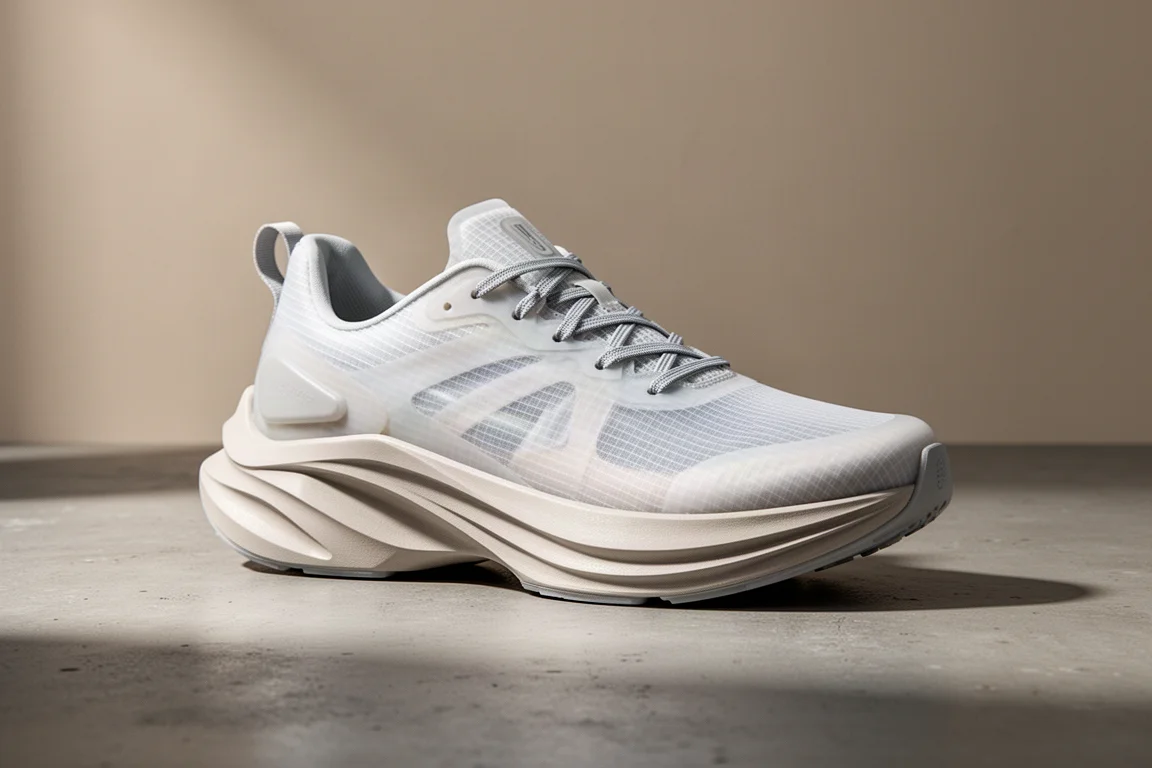
Which Shoe Should You Pick?
The choice comes down to ride preference and fit. The Vaporfly Next% 3 is astonishingly light, disappears on the foot, and rewards aggressive toe-off with excellent energy return. It is also hydrophobic, a genuine advantage for unpredictable spring race conditions. The trade-offs are a narrow fit, a quirky high tongue, and stability that demands attention from runners with ankle issues.

The Rocket X 2 counters with a rocker geometry that some testers find even more natural at speed. Try both if you can, and let your stride decide.
Conclusion
Both shoes are excellent race day tools, and there is no wrong answer here. The Vaporfly Next% 3 is a refined evolution of a proven formula with an almost unreal weight, while the Rocket X 2 proves Hoka has arrived in the super shoe era. Pick the one that matches your foot shape and preferred ride, and enjoy your racing.
Further reading
Related Reviews

Running Shoes
Best Road-to-Trail Running Shoes: Three Versatile Options for Mixed Terrain
A practical guide to three road-to-trail running shoes that handle both pavement and mild trails, with clear strengths and trade-offs for different runner types.

Running Shoes
Best Running Shoes for Achilles Tendonitis: Three Options Explained
Three running shoes with different heel drops and support features designed to help reduce Achilles tendon pain during walking and running.

Running Shoes
Best Running Shoes for Women: Five Top Choices Ranked
A ranked guide to five women's running shoes, from versatile daily trainers to high-performance racing options, with real strengths and trade-offs for each.