Running Shoes
Nike ZoomX Vaporfly 4% Flyknit Retro Review: Does the Original Super Shoe Still Hold Up?
Six years after release and 200 miles in, we revisit the shoe that started the carbon plate era to see how it stacks up against today's super shoes.
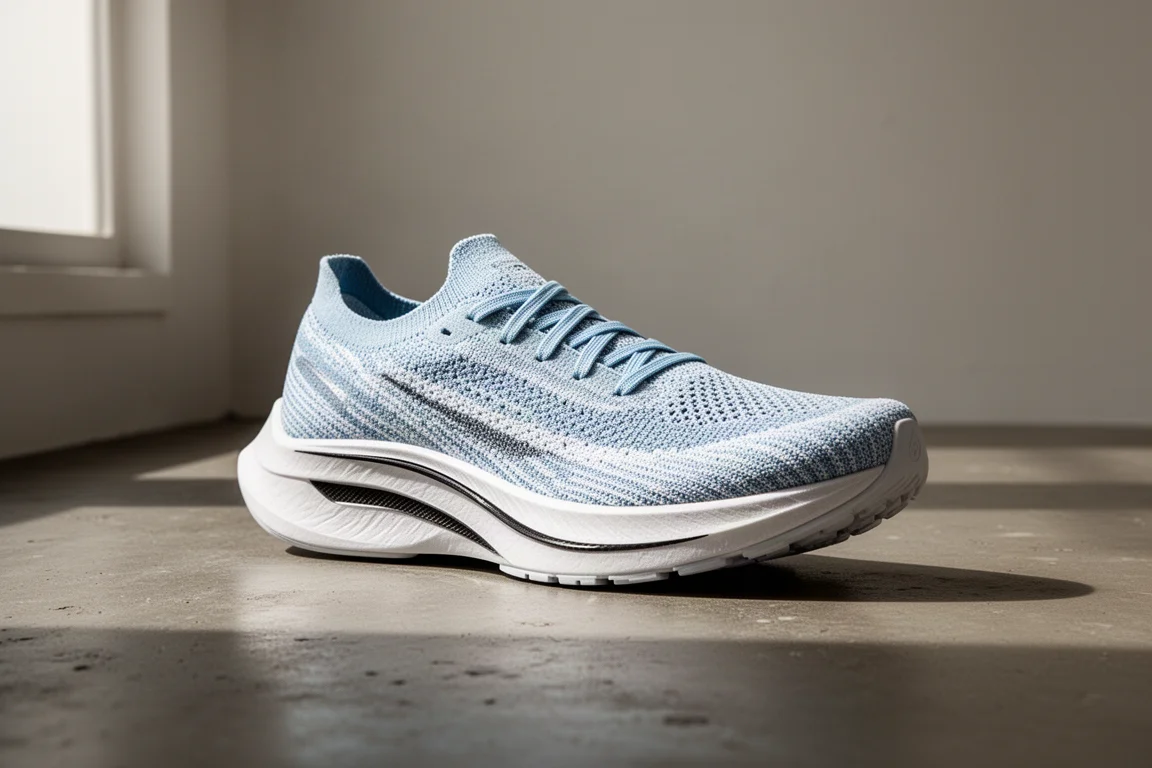
Introduction
Few shoes changed running quite like the Nike ZoomX Vaporfly 4% Flyknit. Released into a world before the Vaporfly Next% and the Alphafly, it was the shoe that broke the mold and made carbon-plated racers a category of their own. Six years on, with about 200 miles in a 2018 pair pulled out of the archive, the question is simple: can it still hold its own against the current rotation of super shoes?
The short answer: surprisingly well. The ride still feels fantastic, the upper remains one of the best ever fitted to a racer, and only one well-known weak spot, the outsole, really shows its age.
How It Has Aged After 200 Miles
This pair, manufactured around September 2018, weighs 231 g (8.1 oz) in a UK size 11 / US size 12. Stack height measures 37 mm in the heel and about 28 mm in the forefoot, roughly a 9 mm drop, though some heel compression over time means it may have been slightly higher out of the box. It does not feel any less aggressive than current super shoes.
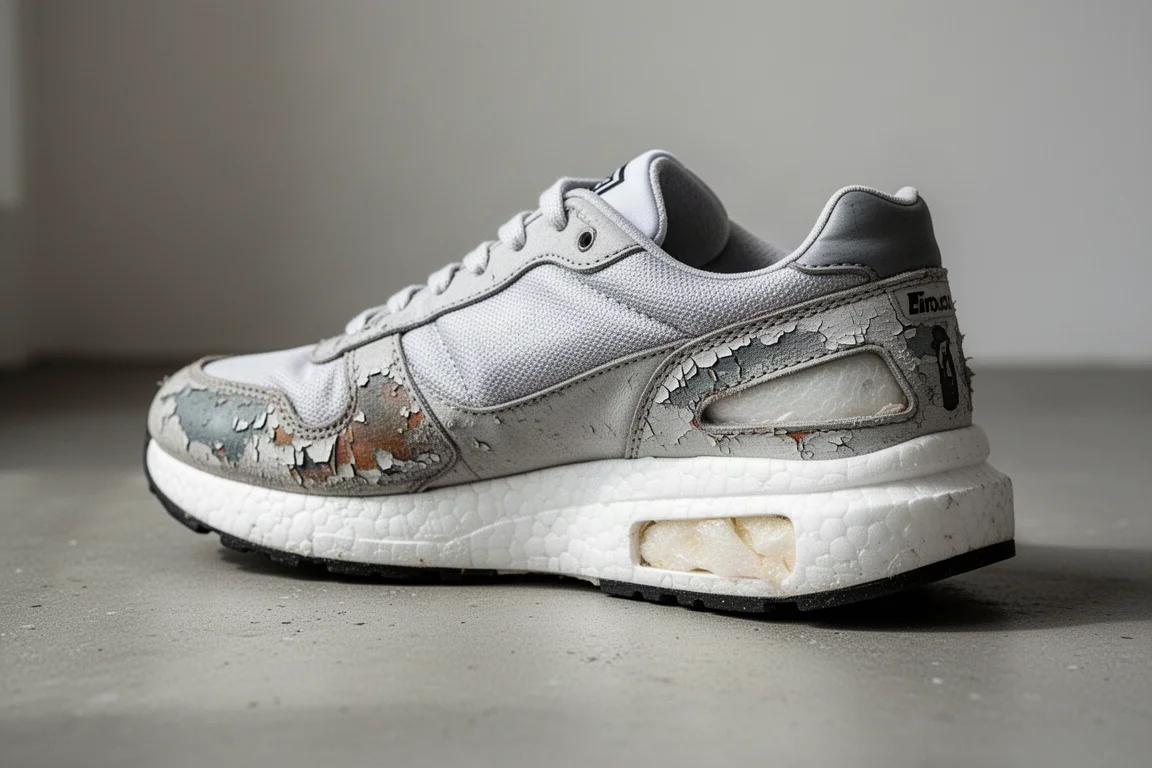
The midsole foam measures a shore A durometer of 21, which is very soft, and the outsole rubber reads about 50 in the forefoot and 65 in the heel. One visible issue: the paint covering parts of the midsole and outsole is flaking and peeling, with some sections completely exposed. The good news is that this has not affected the ride at all.
Upper: Flyknit Still Feels Like a Sock
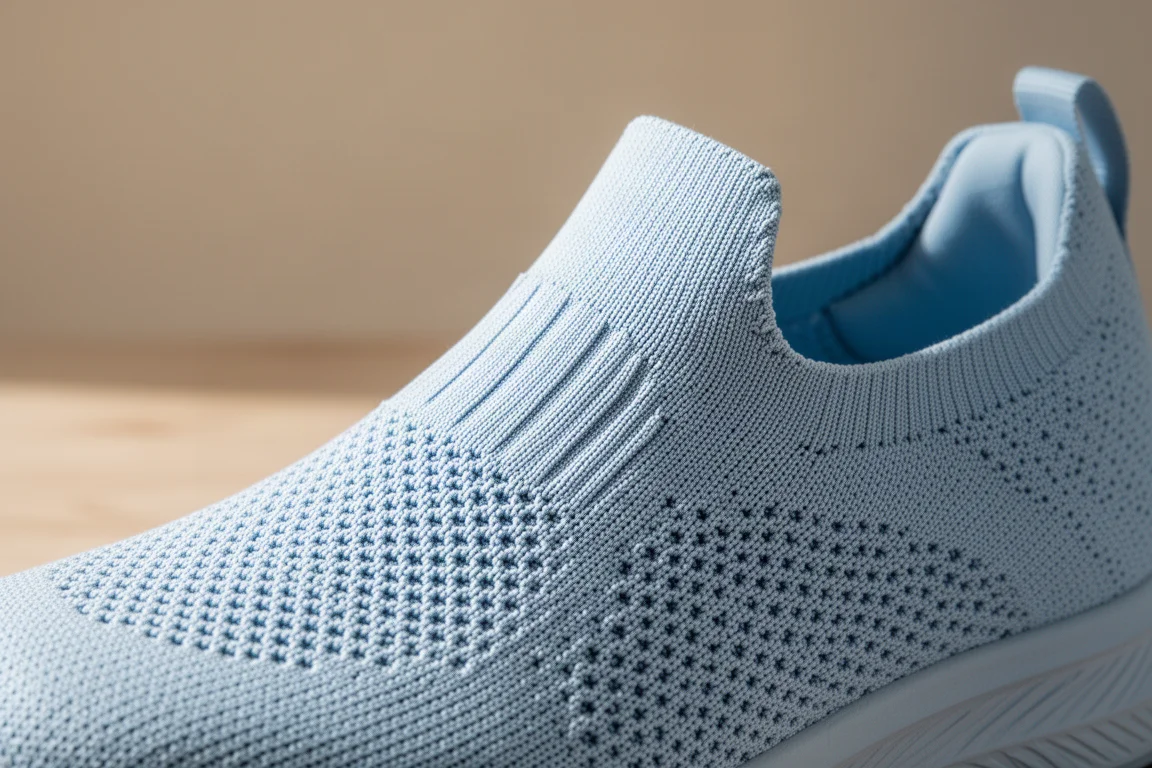
The Flyknit upper is stretchy yet conforming, comfortable enough to feel like a sock on the foot. It is not the most breathable option compared to today’s paper-thin meshes, but it needs very little lace pressure to lock down, and the material has shown no signs of wear at all after 200 miles. It is also easy to clean with a medium-bristle brush.
The stretched knit on the tongue is very similar to what Nike uses on the Alphafly 3 today. Small gripes: no extra eyelet for a runner’s knot, and the stock rigid laces could cause discomfort near the initial eyelets, though swapping them for more flexible laces (in this case, from the Endorphin Pro 4) solved it.
Aesthetically, it remains one of the cleanest designs Nike has produced: an icy blue swoosh on the lateral side, a smaller one medially, and nothing else.
Ride and Performance: A Shoe That Likes Going Quick
The midsole is compressive without being overly squishy, and it actually seemed to improve the more it was run in. It handles a range of paces and feels fast and exciting, with quick transitions between effort levels. Think somewhere between the Adidas Takumi Sen 10 and the Saucony Endorphin Speed, perhaps near the Endorphin Pro 3 in feel.
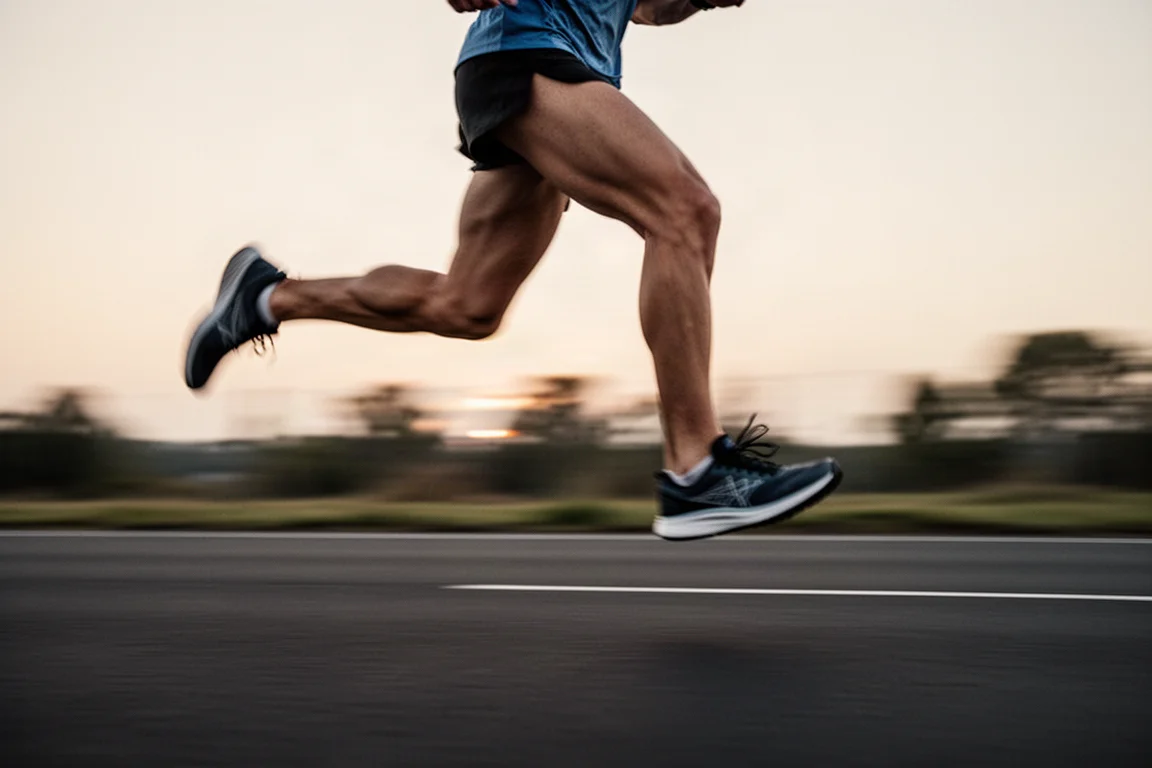
The trade-off is stability. The shoe is very narrow, with a forefoot width of about 11.3 cm and just 8.2 cm in the heel, and it is especially narrow in the arch. Riders with wider feet will hang over the edges, and heel strikers may find it unstable. It is also noticeably tippy on turns at pace compared with modern shoes that offer far more surface area.
This is a 5K-effort shoe. Longer 10K-pace reps felt difficult to sustain, but at faster threshold and anaerobic paces, up on the mid-forefoot, it comes alive and never feels like it is controlling how you run.
Outsole: The Known Weak Spot
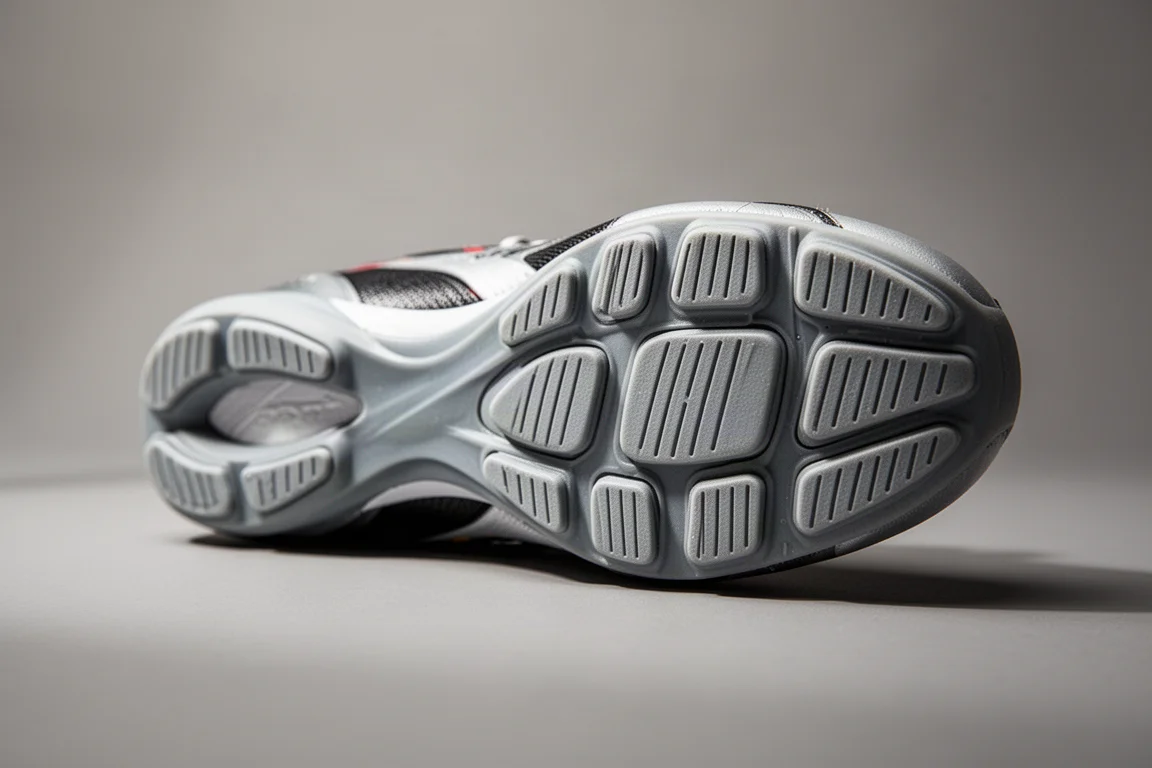
The outsole is where most owners had problems. The paint flakes away and the exposed foam at the lateral heel can disintegrate, especially when wet. Shoe glue on the back of the heel is a sensible precaution, and the segmented pod design was completely dropped when Nike moved to the Vaporfly Next%.
That said, the forefoot outsole is excellent. After 200 miles the grip pattern is barely worn, the lines remain intact, and traction is strong, though the pods do catch dirt and debris and produce a distinctive suction-cup sound on flat surfaces when wet. Notably, similar pod dislodging also happened on some Vaporfly 3 pairs, so the concept was not entirely retro-only.
Buying Advice
At its original price of around £160 with a discount, this shoe now looks reasonable in a market where super shoes regularly cost more. If you are considering a secondhand or archived pair, check the heel outsole for foam damage first, and accept that it demands a narrow foot and faster running to shine. Runners who want a hint of stability, or who do most of their racing at slower paces, should look at newer options instead.
Conclusion
Placed on a tier list, the Vaporfly 4% Flyknit still earns a top-tier spot: the ride is snappy, the Flyknit upper is pristine even after years of storage, and it holds its own against shoes in a current rotation. If Nike reissued it as-is, it would likely sell out. Just keep it away from wet heel strikes, tight corners, and any ambitions of gardening duty.
Product link
View more details for Nike ZoomX Vaporfly 4% Flyknit
This product is mentioned in the review. Check the specifications, options, and compatibility before buying.
View more details for Nike ZoomX Vaporfly 4% FlyknitFurther reading
Related Reviews

Running Shoes
Best Road-to-Trail Running Shoes: Three Versatile Options for Mixed Terrain
A practical guide to three road-to-trail running shoes that handle both pavement and mild trails, with clear strengths and trade-offs for different runner types.

Running Shoes
Best Running Shoes for Achilles Tendonitis: Three Options Explained
Three running shoes with different heel drops and support features designed to help reduce Achilles tendon pain during walking and running.

Running Shoes
Best Running Shoes for Women: Five Top Choices Ranked
A ranked guide to five women's running shoes, from versatile daily trainers to high-performance racing options, with real strengths and trade-offs for each.