Trail Running Shoes
Nike ZoomX Ultrafly Trail vs Saucony Endorphin Edge: Which Super Trail Shoe Fits You?
Two of the rare super trail shoes with super foam and a carbon plate, compared across fit, ride, stability, and terrain so you can pick the right one.
Introduction
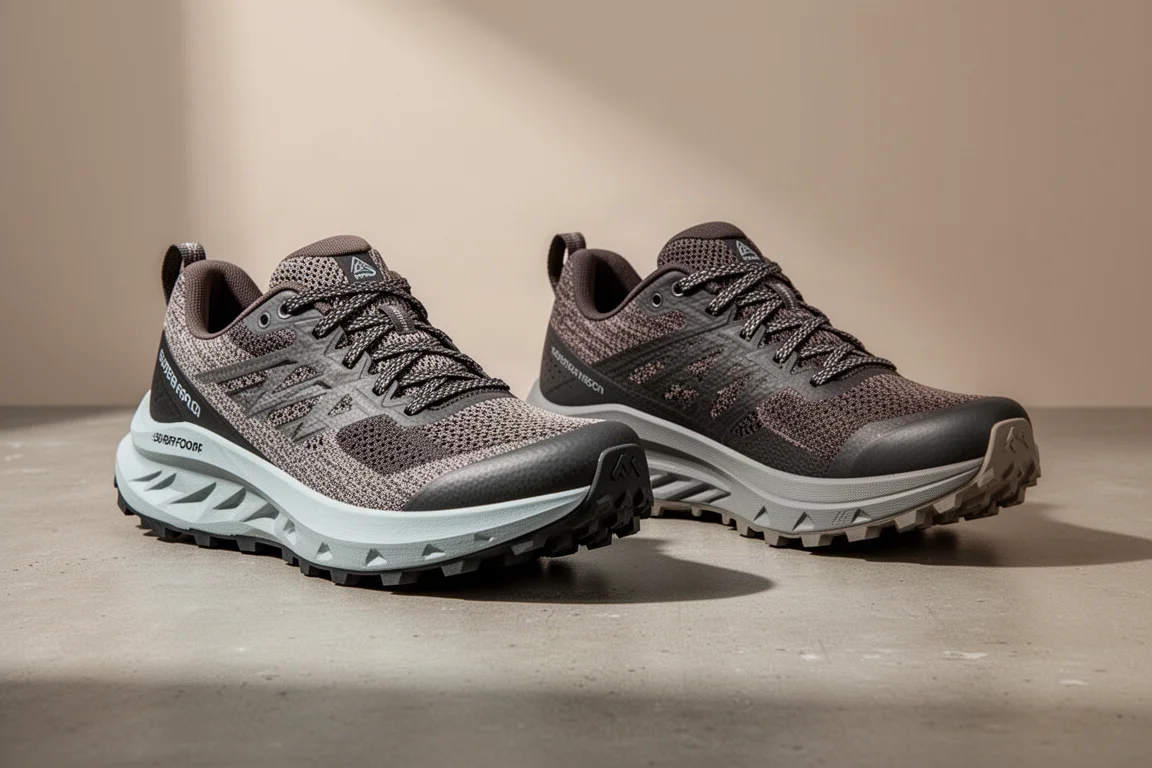
Super shoes with both a super foam midsole and some kind of carbon plate are still rare in the trail world. Right now, two of the primary options are the Nike ZoomX Ultrafly Trail and the Saucony Endorphin Edge. Both can handle training and racing, but they suit different needs, so the real question is not which shoe is better overall but which one is appropriate for you as an individual.
This comparison looks at how they are similar, how they differ, and how you might choose one over the other.
Specs: Weight, Stack, and Foam
Both shoes follow a similar formula: a high-performance super foam paired with a carbon plate, something still uncommon in trail shoes. The details diverge from there.
The Saucony Endorphin Edge in men’s size 9 comes in at 9 ounces, and a men’s size 10 weighs 9.2 ounces. Women’s size 8 comes in at 7.8 ounces. The Nike ZoomX Ultrafly Trail is heavier: a men’s size 10 weighs 10.7 ounces and a women’s size 8 weighs 8.7 ounces. That is roughly an ounce and a half more in the Ultrafly at the same size, which influences performance.
Stack height is a little taller in the Ultrafly at 38.5 mm in the heel and 30 mm in the forefoot for an 8.5 mm drop. The Edge sits lower at 36 mm heel and 30 mm forefoot for a 6 mm drop.
Foam differs too. The Ultrafly uses ZoomX foam wrapped in a fabric mesh for protection, while the Edge uses exposed PWRRUN PB. Both shoes carry a carbon plate: a carbon fly plate in the Ultrafly and a carbatex carbon-esh plate in the Edge. The Edge, at a lower price point, offers a similar setup with less weight.
Fit and Upper
Fit is the biggest thing many people will notice between these two, and it may be the deciding factor.
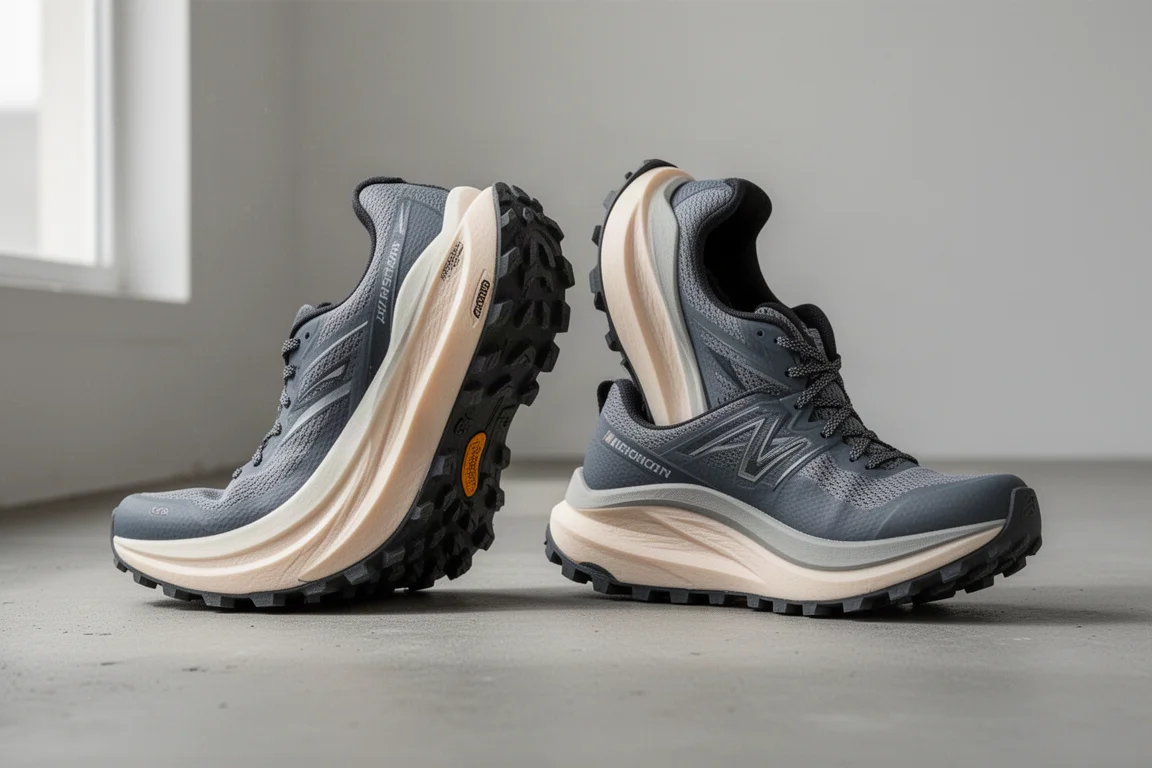
The Endorphin Edge looks noticeably wider, with a surprising amount of room to spread toes out in the forefoot. The thin mesh sits much lower, so the overall fit is very low volume and very secure. The midfoot and heel have a decent amount of room but not too much, and the heel counter is moderately flexible. If you have a higher-volume foot, this could be trouble until the mesh stretches a little.
The Ultrafly is kind of the opposite: a higher-volume fit but slightly snugger, with more toe room. The mesh adapts to the foot, though you may need to lock the laces down because there is more volume throughout. If your foot swells on long efforts, this might actually work in your favor.
The Edge’s heel counter is more flexible than the Ultrafly’s, though not by a lot, and the Ultrafly has a little more padding around it. Neither will bother most runners, but sensitive heel wearers should note the difference.
Midsole and Ride Feel
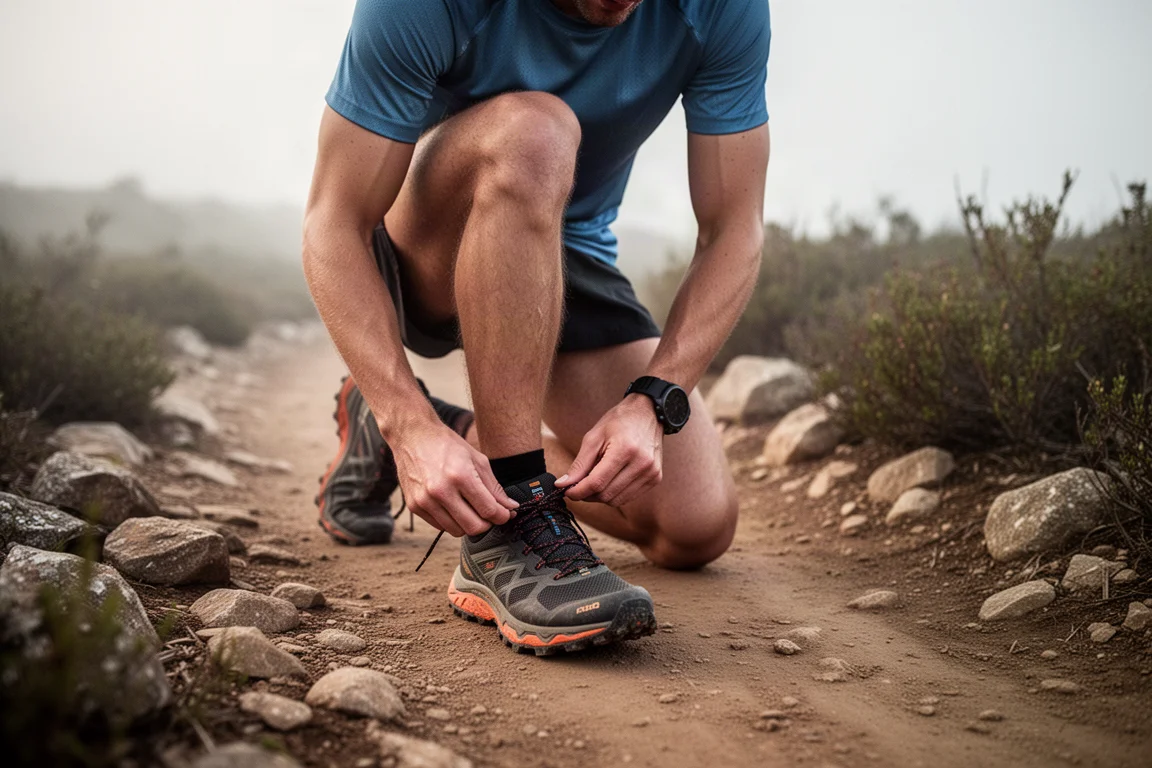
The ZoomX foam in the Ultrafly is softer, with a bit more of it in the heel, so a plusher ride is expected. PWRRUN PB has historically been a touch firmer, and the Edge still has some bounce and clearly qualifies as super foam, but it rides a little firmer overall.
The Edge also feels a bit stiffer. The Ultrafly’s carbon fly plate was a surprise: it almost does not feel like there is a plate in there. It is not flexible, but the ride is just really smooth, which goes hand in hand with it being a little heavier.
That smoothness makes the Ultrafly work better for training and long-run paces. Workouts in it are fine, and longer fast efforts feel good. It is very much an ultra marathon racing shoe and has done very well in that role. It is not the right pick for anything shorter than roughly a half marathon or trail marathon if speed is the goal.
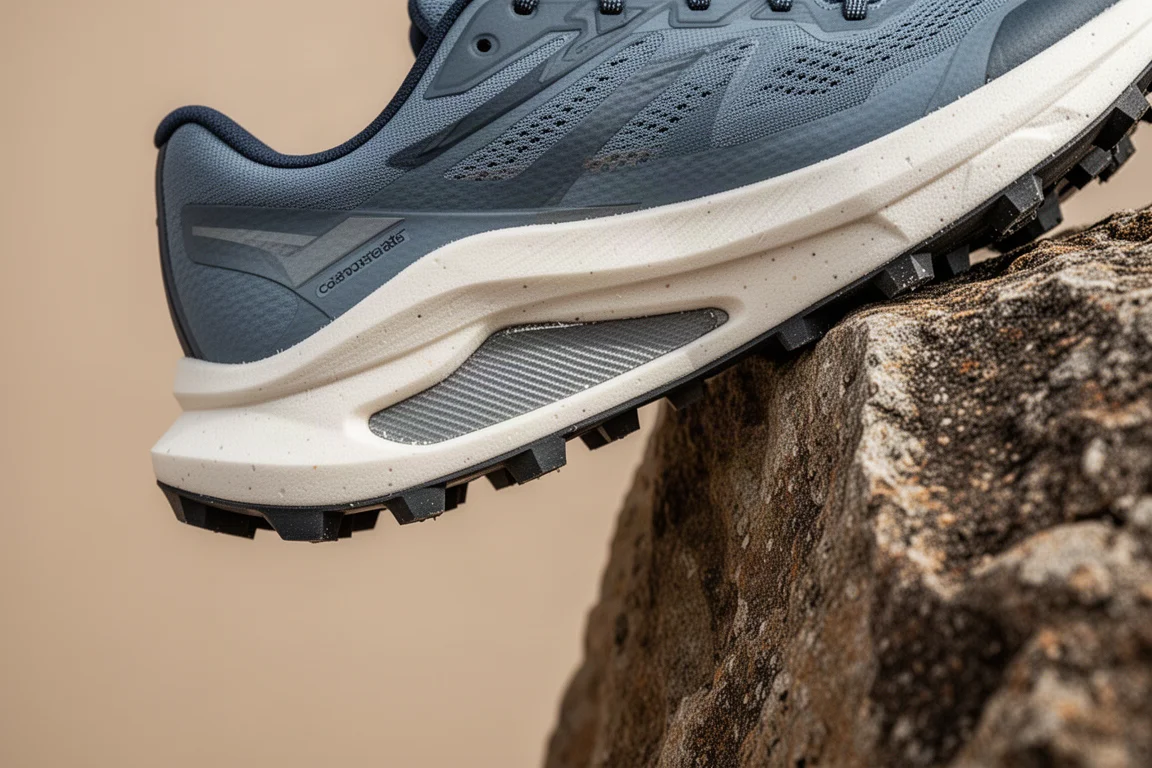
The Edge, being so much lighter and feeling stiffer and snappier, is the faster shoe. Over 50-plus miles of testing it handled tempo runs and fartleks really well. For half marathon and below racing, or simply for a more nimble and snappy feel across a variety of distances, the Edge wins. For comfort and a smooth ride over super long distances, the Ultrafly wins.
Stability and Platform
Neither of these is a stability shoe and neither has real stability measures, but the platform differences are worth noting.
The Edge has some sidewalls, while the Ultrafly has only a tiny hint of them. The Ultrafly still wins out slightly because its sole, especially in the forefoot and heel, is a little wider, giving a broader platform. The Edge has a more narrow platform, though the midfoot tapers quickly.
If you benefit from a bit of sole flare, the Ultrafly will suit you better. If you dislike sole flare, the Edge is the better choice.
Terrain and Traction
Both shoes have been used on plenty of road and plenty of trail, and both offer great durability, with 50 miles barely showing wear even with a lot of road use.
The Ultrafly tends to do a little better on smoother surfaces and road. When conditions turn very muddy or soft and sandy, it does fine but not quite as well. The slightly deeper lugs of the Edge do better on more aggressive terrain.

If you need more grip in soft or muddy conditions, lean Edge. If you run a variety of surfaces including road and smoother trails, the Ultrafly is the better fit.
Overall Buying Advice
Both are legitimate super trail shoes, and if you want these materials on the trail, both are worth a close look. Just do not expect a Vaporfly experience on the trail: the Edge is not nearly as light as an Endorphin Pro, though it is much more rugged, and that extra weight makes sense.
The Ultrafly is much more expensive at around 250 dollars. If you want ZoomX on the trail, that is where you get it. If you want a lighter, snappier shoe for shorter races, the Edge delivers that at a friendlier price.
Conclusion
These are different shoes for different purposes. For an ultra, the Ultrafly is the pick. For anything shorter and faster, the Edge is the one. Figure out where your racing and training actually sit on that spectrum, and the right choice becomes obvious.
Product link
View more details for Nike ZoomX Ultrafly Trail
This product is mentioned in the review. Check the specifications, options, and compatibility before buying.
View more details for Nike ZoomX Ultrafly TrailFurther reading
Related Reviews
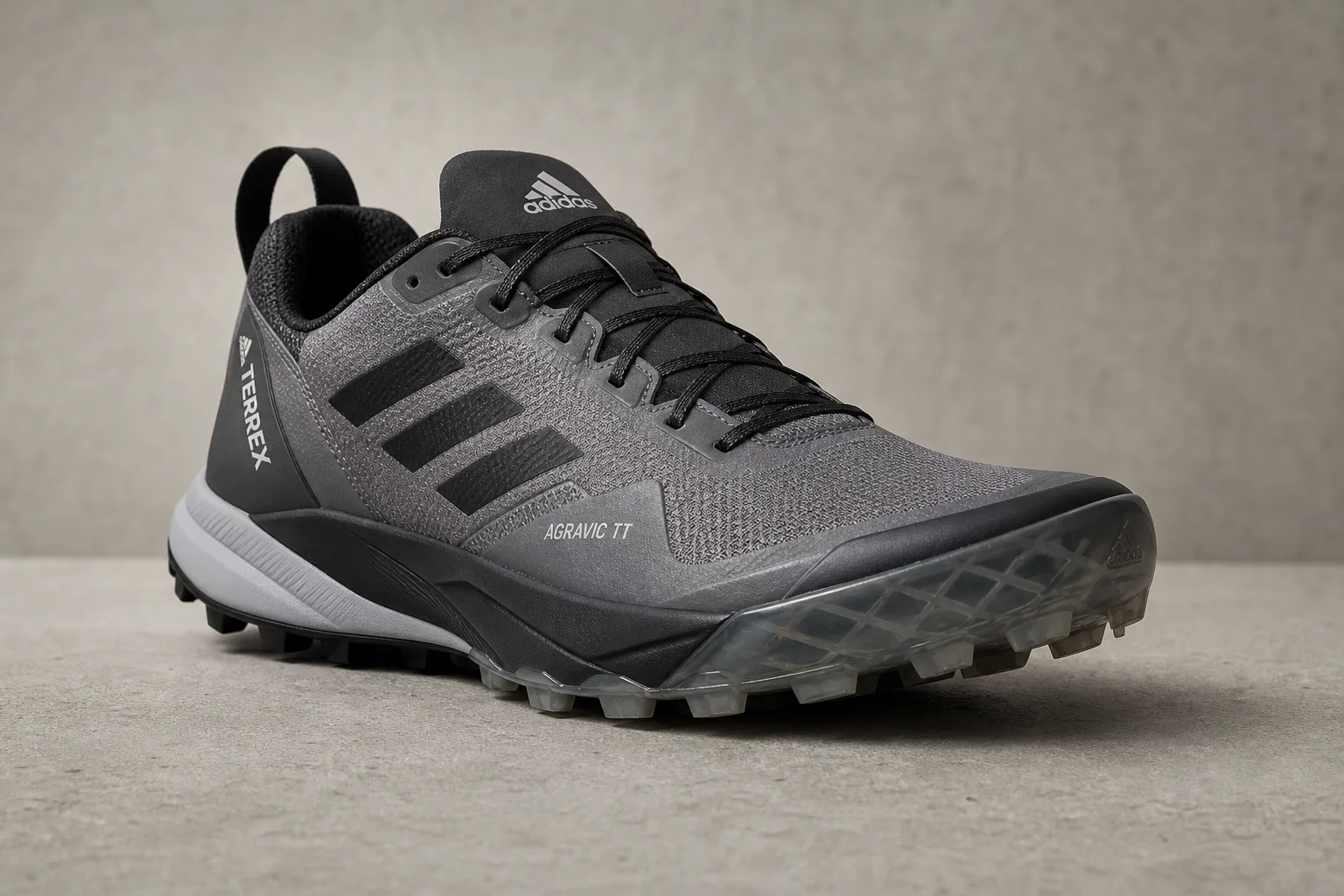
Trail Running Shoes
Adidas Terrex Agravic TT Review: A Technical Trail Shoe Built for Rocky Terrain
The Adidas Terrex Agravic TT combines a full-coverage rock plate with a firmer midsole to deliver protection and stability on technical, rocky trails. A capable choice for runners who prioritize underfoot defense over lightweight cushioning.
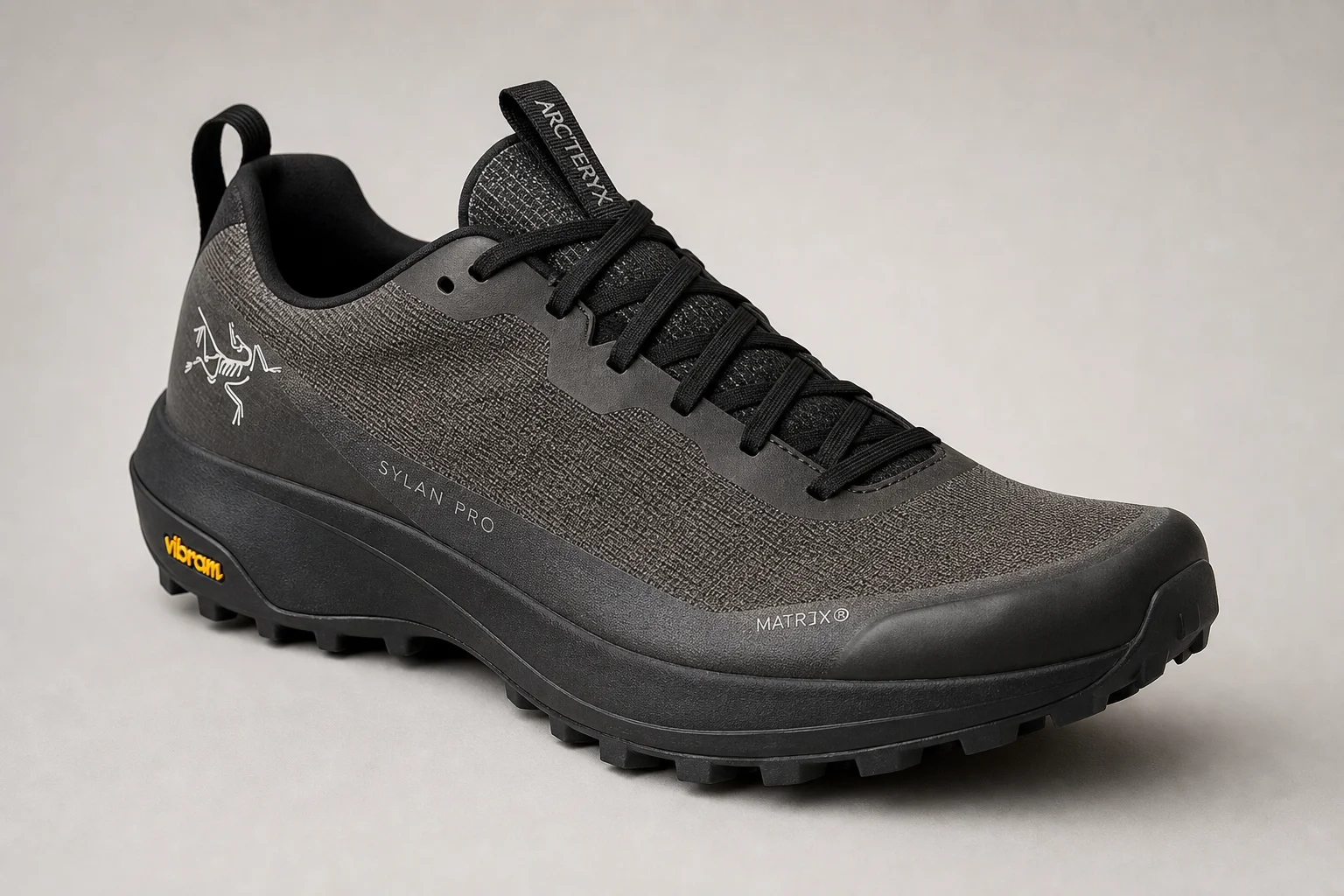
Trail Running Shoes
Arc'teryx Sylan Pro Review: A Rocker-Focused Mountain Running Shoe Tested on 20 Miles
The Arc'teryx Sylan Pro brings a pronounced rocker geometry and secure fit to mountain terrain. We tested it on a 20-mile Sawtooth loop to evaluate its climbing efficiency, protection, and handling of technical descents.
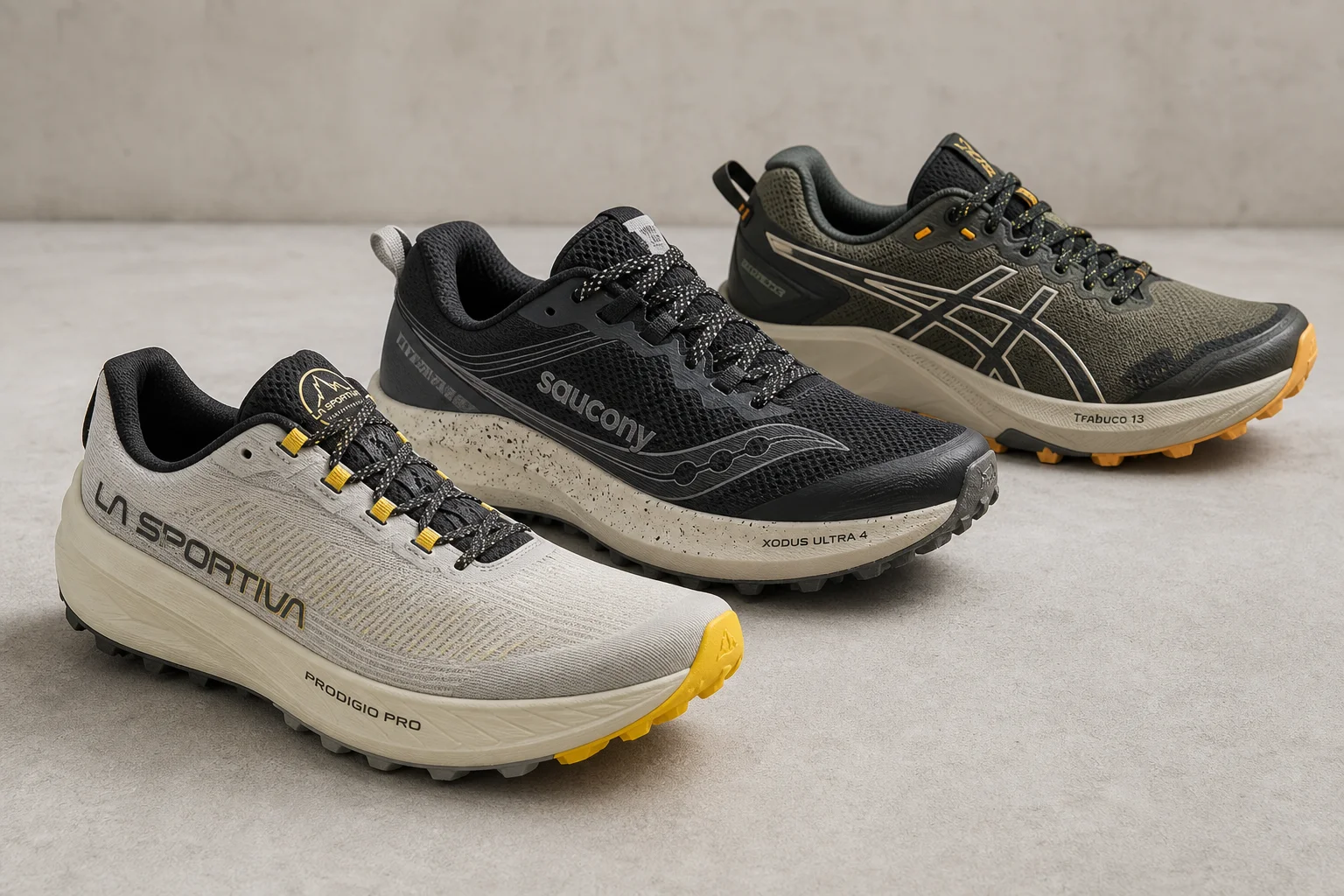
Trail Running Shoes
Best All-Mountain Trail Running Shoes: Three Versatile Options for Any Trail
A focused roundup of three all-mountain trail running shoes that handle technical terrain, long distances, and variable conditions with real strengths and practical trade-offs.