Running Shoes
Nike ZoomX Streakfly vs the Rest: Five Racing Shoes Compared
How the Nike ZoomX Streakfly stacks up against the New Balance Rebel v2, Nike ZoomX Tempo Next%, Adidas Takumi Sen 8, and Nike Vaporfly Next%.
Introduction
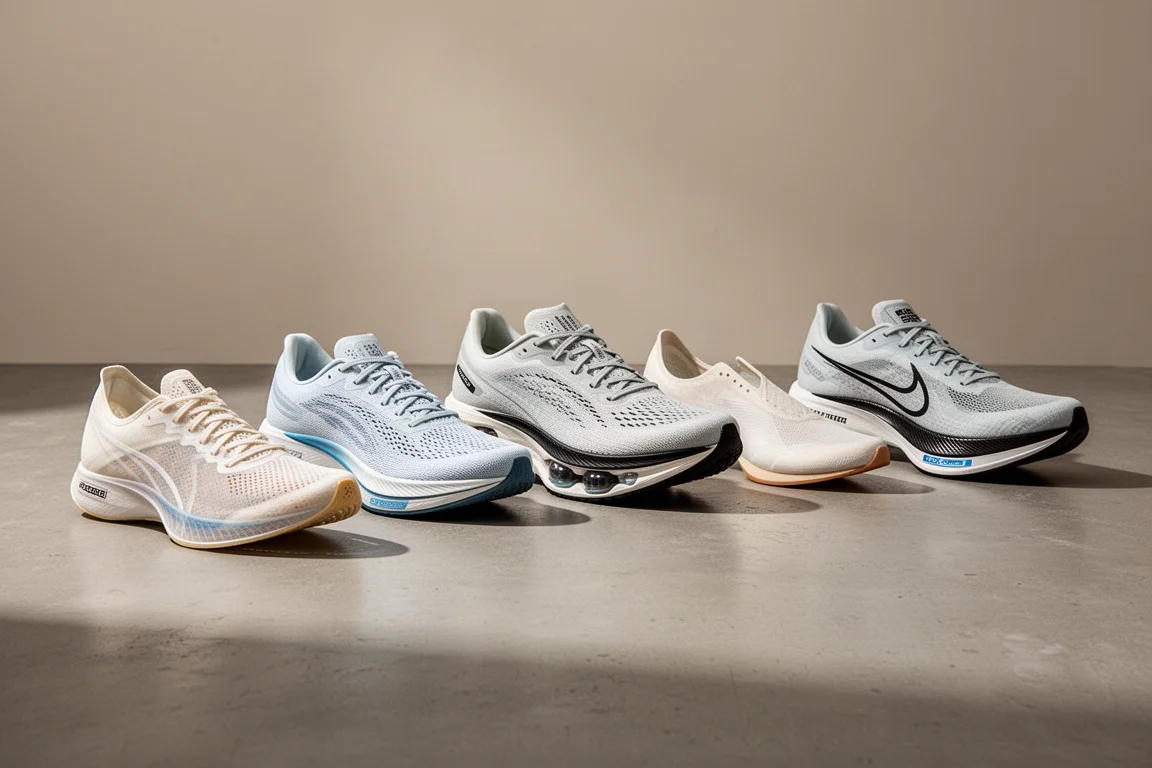
The Nike ZoomX Streakfly has quickly become one of the most talked-about lightweight racing shoes, and the questions about it just keep coming. So it makes sense to put it directly against its closest rivals: the New Balance Rebel v2, the Nike ZoomX Tempo Next%, the Adidas Takumi Sen 8, and the Nike Vaporfly Next%. All of these shoes were bought with personal funds, so this is an independent comparison with nothing to promote.
How the Streakfly Feels Underfoot
The Streakfly is defined by how little shoe there is: an extremely thin and flexible mesh upper, generous exposed midsole, and rubber placed only where it is needed. The result is a genuine race flat feel, with the road right underneath your foot. It is also highly compressive, perhaps even softer than some riders of light trainers would expect, and that ground feel will not suit anyone who wants a firmly cushioned race shoe.
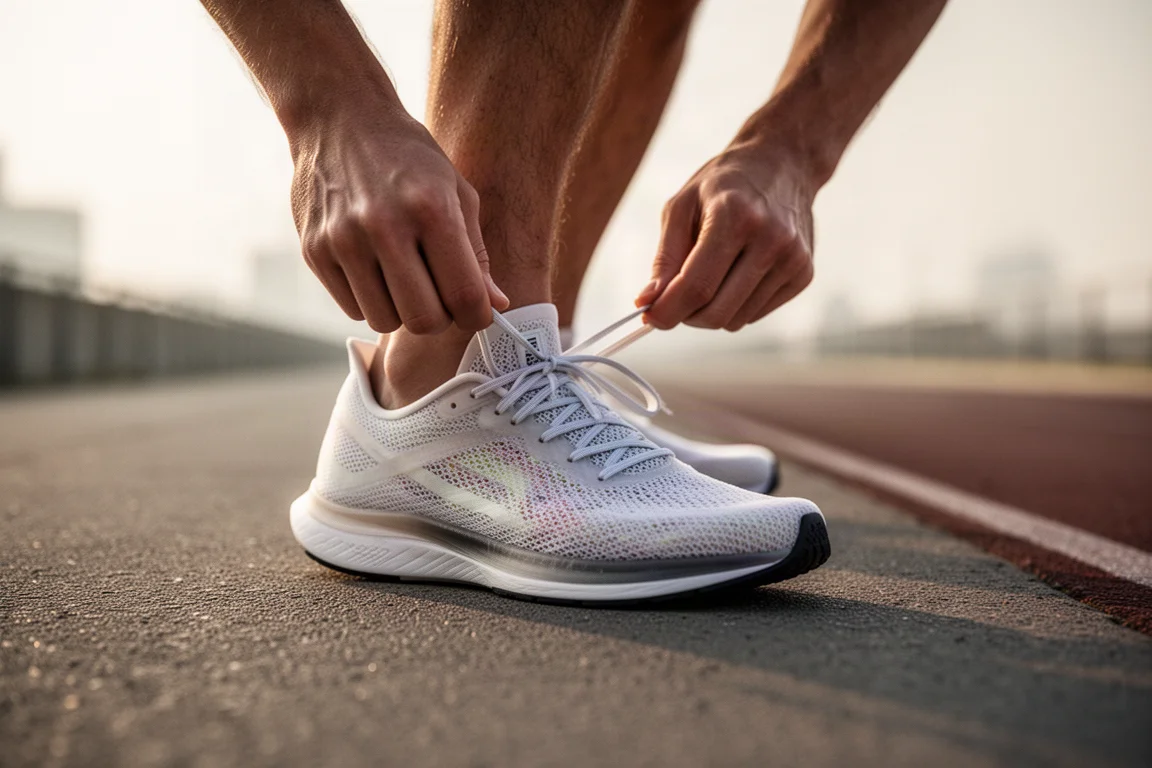
The fit runs slightly short, and quite a few runners needed to go up half a size to get the right length. Comfort is excellent, and the forefoot section is wide enough while the rear of the shoe is relatively narrow, which makes the Streakfly feel surprisingly stable underfoot with a slightly more prominent arch.
Streakfly vs New Balance Rebel v2
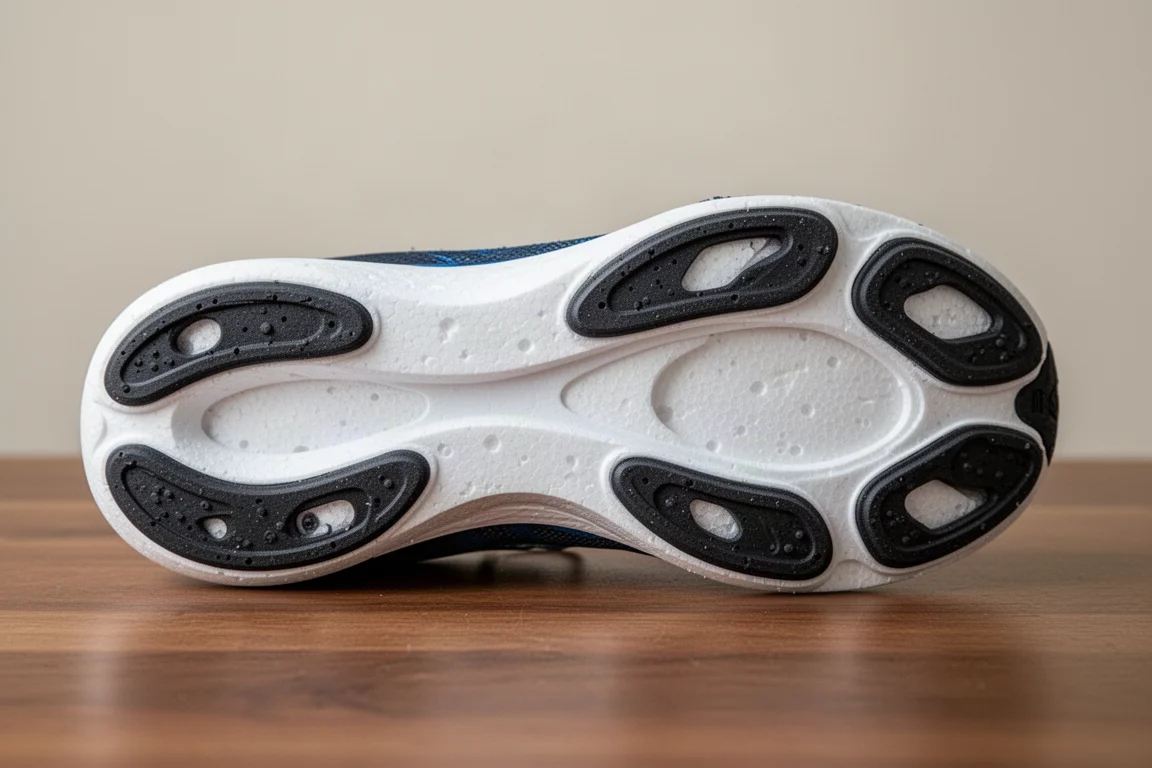
In a US size 12 there is about 40 grams of weight difference between the two shoes, and up against the Streakfly the Rebel v2 suddenly feels heavy in hand. Much of that extra weight sits in a thick layer of rubber across most of the outsole, plus a thicker upper. The Streakfly keeps its rubber in the right places and lets the midsole show, which is part of why it feels so light.
Both shoes are highly compressive, but the Streakfly takes it to the extreme. If you found the Rebel v2 too squashy, the Streakfly is probably not for you either. The Rebel v2 reads more like an everyday shoe with a slightly higher-feeling stack, while the Streakfly is the more versatile option at lower paces, more comfortable, and priced about the same. For a genuine 5K race shoe with real ground feel, the Streakfly is the stronger pick.
Streakfly vs Nike ZoomX Tempo Next%
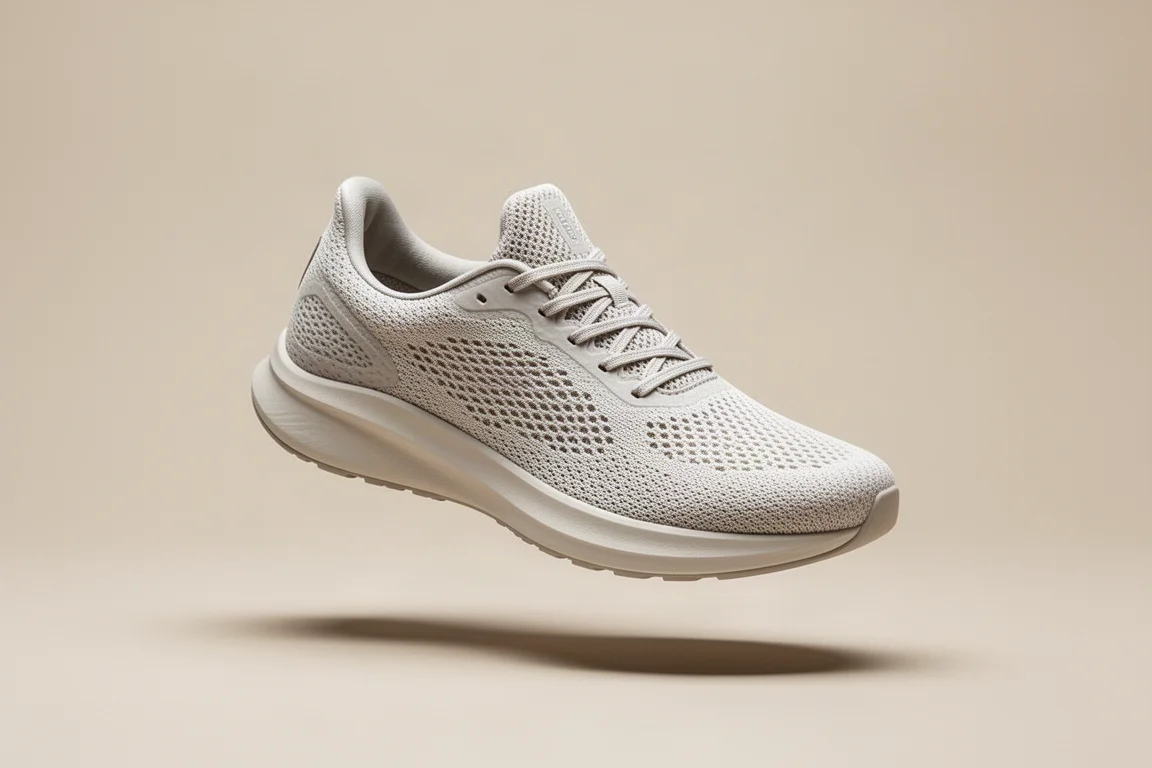
This comparison is night and day. In the same size the Tempo Next% is roughly 110 grams heavier, which is about half a Streakfly. It has a much more containing, very thick upper, a more aggressive drop, and a stabilising React section in the heel that controls the landing. Its nylon plate and air zoom pods tend to show their advantages over longer distances.
The Streakfly is more passive and unassuming, but when you want to pick up the pace it really works. It proved usable even on a supposedly tired-legs day, mixing mid-tempo running with faster sections. The Tempo Next% at its intended pace every day would be exhausting, whereas the Streakfly inadvertently works as a very versatile shoe, helped by a more conservative drop, the ZoomX foam, and fewer components to go wrong. There is a good 50-pound price difference too, and if you could only have one pair between the two, the Streakfly is the easier call.
Streakfly vs Adidas Takumi Sen 8
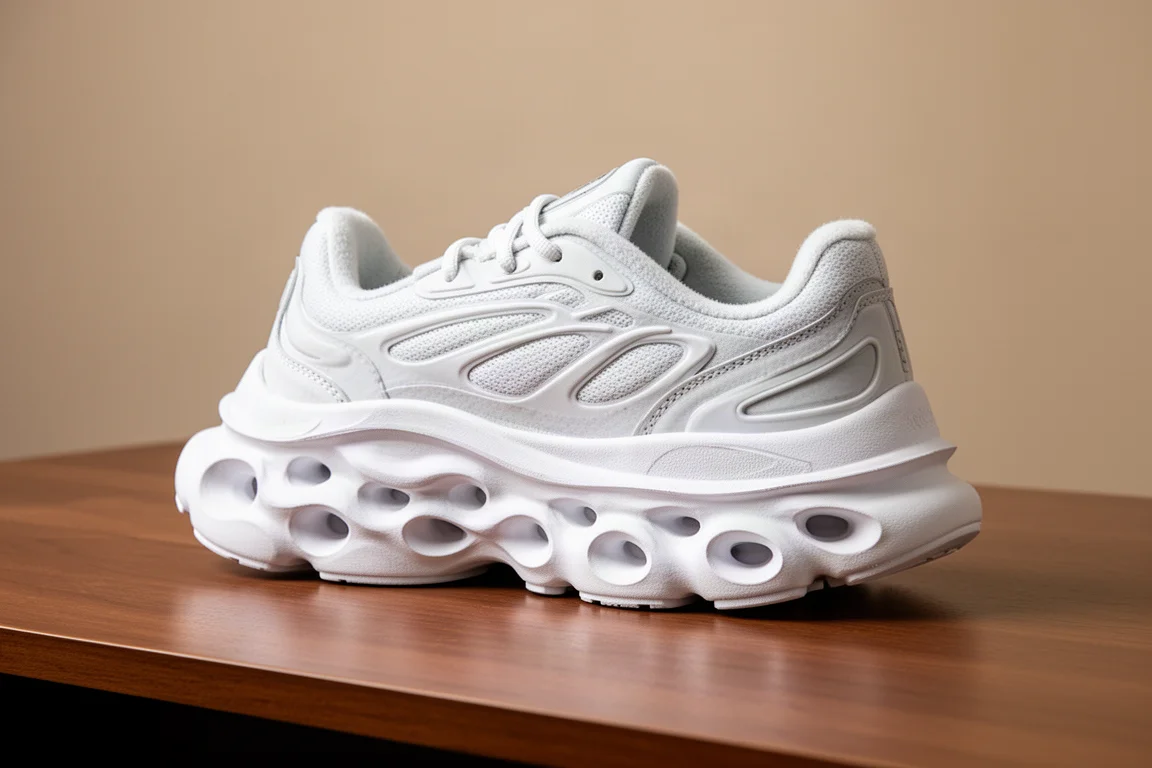
The Takumi Sen 8 is almost like a technological terror next to the Streakfly. On foot, the Streakfly is vastly more flexible, while the Takumi Sen 8 uses a firmer Light Strike Pro midsole with rods in the shoe. Those rods do not seem to make much difference, and in this size the two shoes are only about 20 grams apart, with the Takumi Sen 8 being the narrowest shoe in this comparison in both forefoot and heel width.
Is the extra tech worth the extra money? At around 170 pounds for the Takumi Sen 8 versus 135 pounds for the Streakfly, it is hard to argue it is. Grip is good on both, but the Streakfly forefoot is insanely good, working even on grass. The Streakfly is forgiving, addictive, and made hard efforts feel easier, and for pace work or everyday versatility it would be the single pick between the two.
Streakfly vs Nike Vaporfly Next%
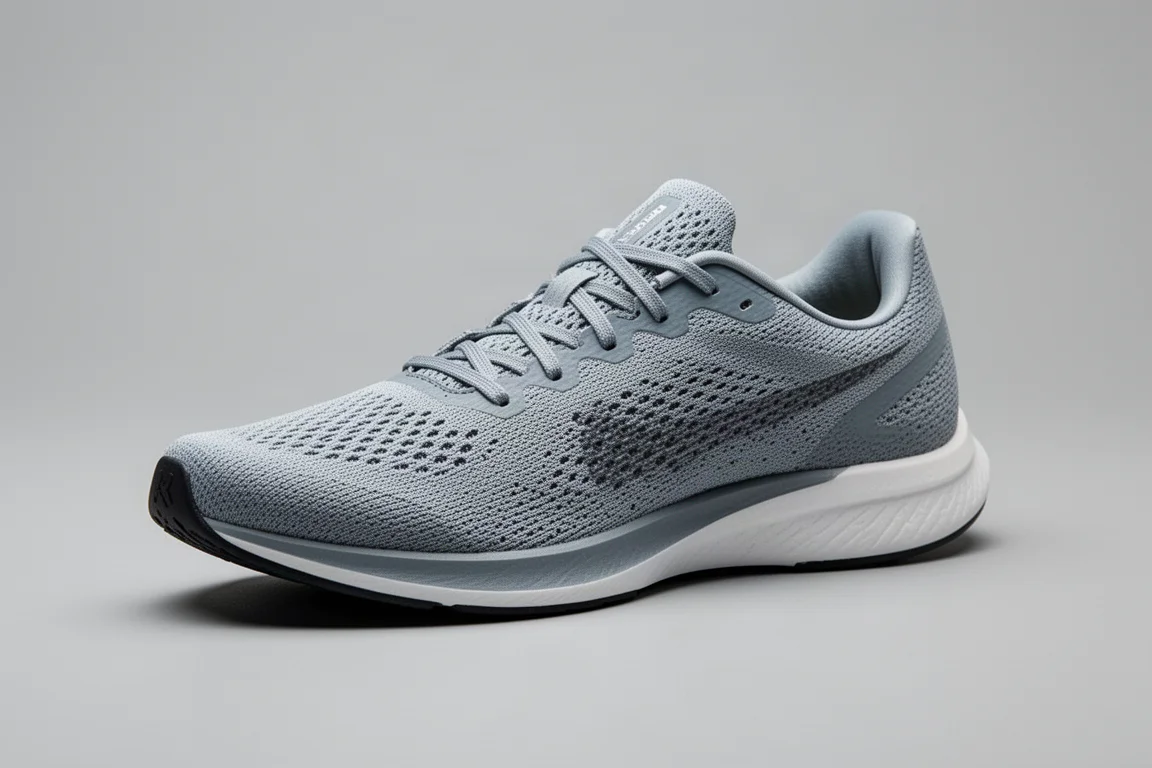
This is the comparison readers have requested more than any other. There is roughly 30 grams difference per shoe in the sizes compared. The Vaporfly Next% is aimed at the marathon distance, with lots more foam and a carbon plate up front, and it carries a noticeably squashier forefoot. The Streakfly foam can feel like it is bottoming out after about 10 or 11 miles, which is simply beyond what it is intended for; a half marathon is realistic, though you may feel a bit beaten up afterwards.

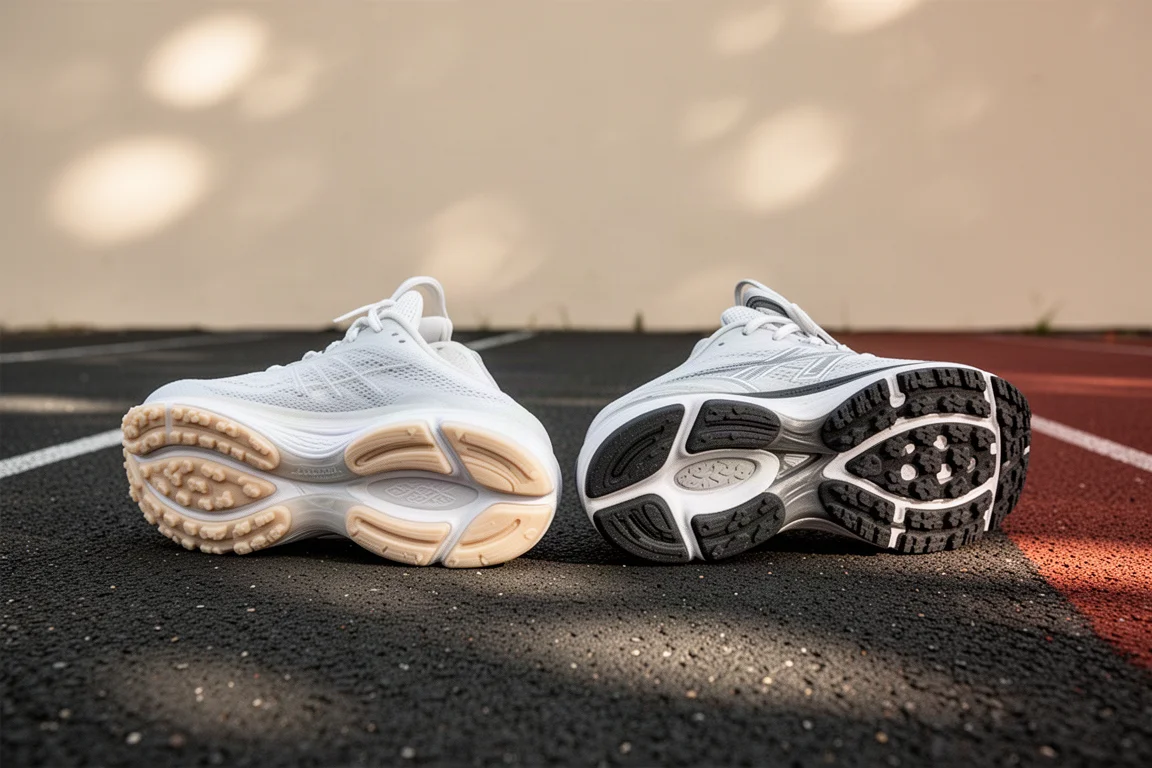
Two differences stand out. First, the grip: the Streakfly outsole is vastly better, and thorns that normally stick into the Vaporfly Next% rubber simply do not penetrate it. Second, the ZoomX formulations appear to differ between the shoes, with the Streakfly’s foam feeling distinct. If you race everything from 5K to 10K, the Streakfly is the obvious choice: simple, light, and reasonably priced. If you also dabble in the half or full marathon, there is still room for the Vaporfly Next%, which keeps getting more expensive year on year. For lighter-built runners who race nothing beyond the half marathon, the Streakfly covers most bases.
Buying Advice
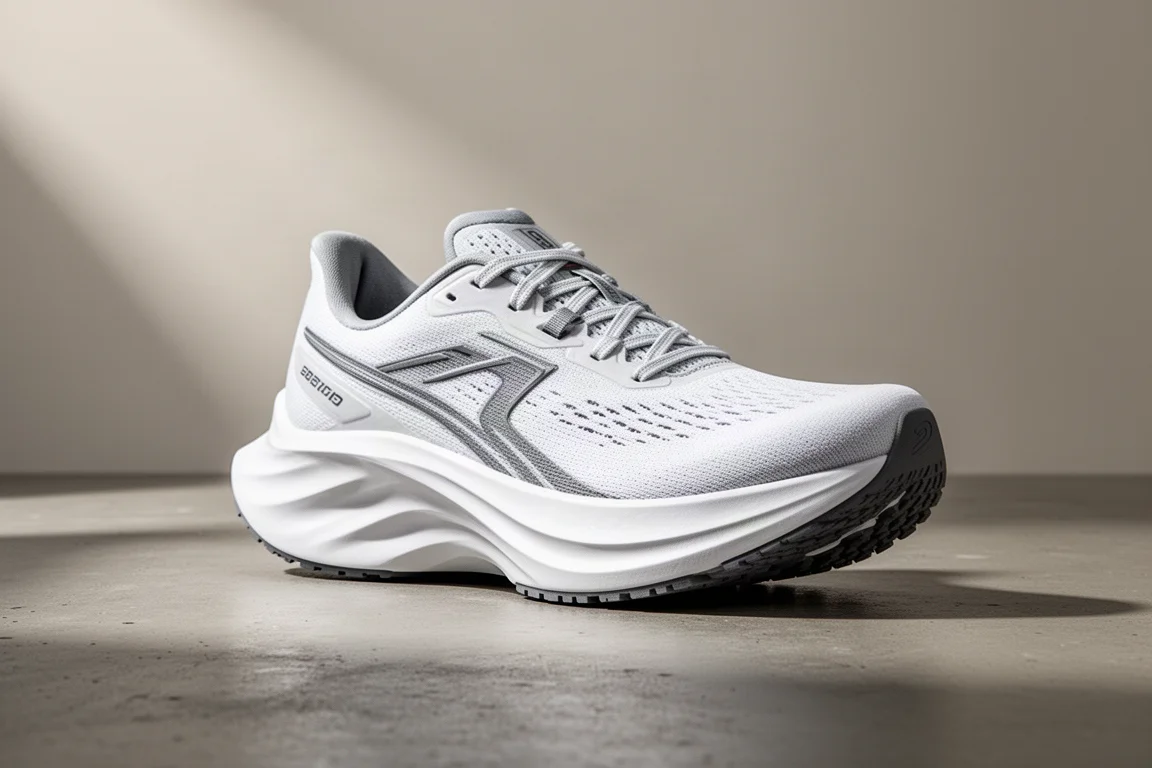
The Streakfly fits best as a fast, versatile race shoe for shorter distances. If you want maximum ground feel at 5K and 10K pace, it is the standout of this group. If you race marathons, the Vaporfly Next% still earns its place, and if you want a more cushioned, plated daily-adjacent trainer, the Tempo Next% plays a different game entirely. Run short, and the Streakfly is the shoe to beat.
Conclusion
Across all five shoes, the Nike ZoomX Streakfly stands out as a featherweight, forgiving, and remarkably versatile racing option that undercuts several of its rivals on price. The Rebel v2 suits everyday rotation, the Tempo Next% brings plated cushioning for longer tempo work, the Takumi Sen 8 offers firmer minimal racing, and the Vaporfly Next% remains the marathon specialist. For anything from 5K to the half marathon, though, the Streakfly is the shoe most of us should reach for first.
Further reading
Related Reviews

Running Shoes
Best Road-to-Trail Running Shoes: Three Versatile Options for Mixed Terrain
A practical guide to three road-to-trail running shoes that handle both pavement and mild trails, with clear strengths and trade-offs for different runner types.

Running Shoes
Best Running Shoes for Achilles Tendonitis: Three Options Explained
Three running shoes with different heel drops and support features designed to help reduce Achilles tendon pain during walking and running.

Running Shoes
Best Running Shoes for Women: Five Top Choices Ranked
A ranked guide to five women's running shoes, from versatile daily trainers to high-performance racing options, with real strengths and trade-offs for each.