Running Shoes
Nike ZoomX Streakfly: A Lightweight Race Shoe Preview
Nike's ZoomX Streakfly promises a low, light race flat update with modern foam. Here is what to expect from stack height, weight, and price before launch.
Introduction
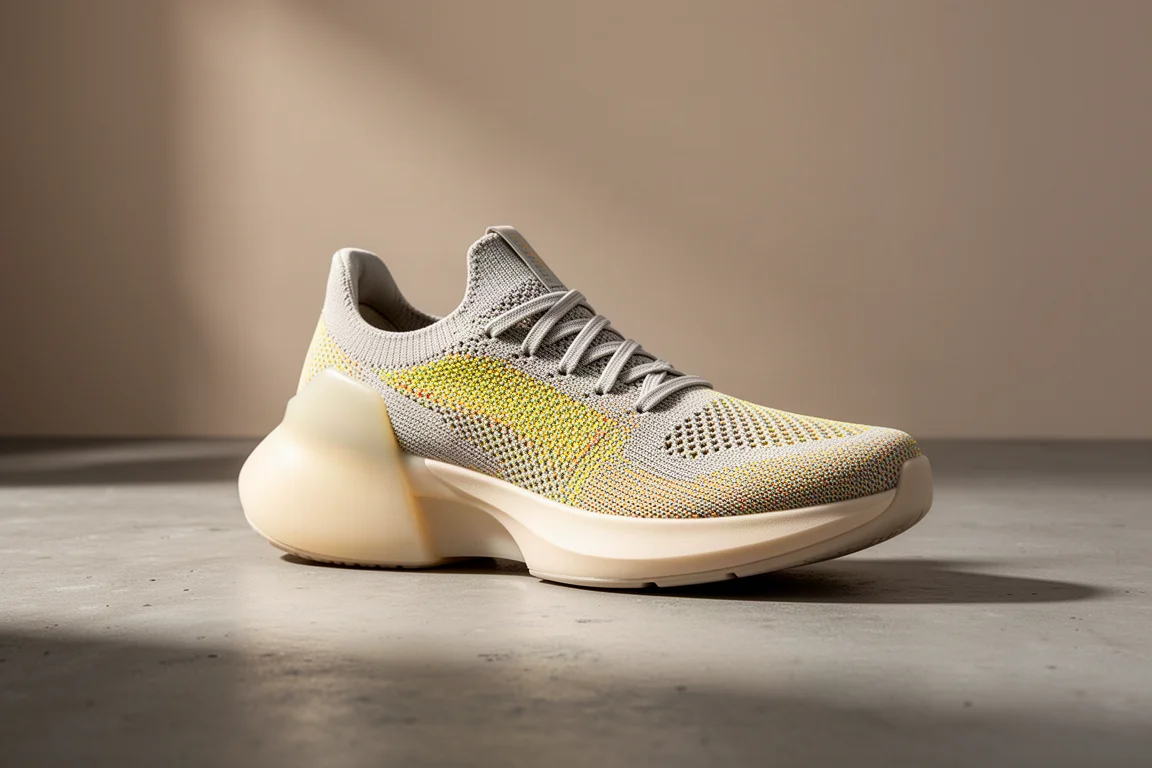
Every runner is searching for that unicorn shoe: enough cushion to lessen the blow, but not so much added weight that it rules out using it as a race shoe. The Nike ZoomX Streakfly aims squarely at that sweet spot, and the anticipation around it is real, even if expectations have been tempered slightly along the way.
Since Nike began experimenting with ZoomX foam in the Vaporfly 4% line, we have seen many different implementations of that material with varying degrees of success. The Streakfly looks like the next step in that journey, and possibly one of the lightest Nike running shoes available.
Where the Streakfly Comes From
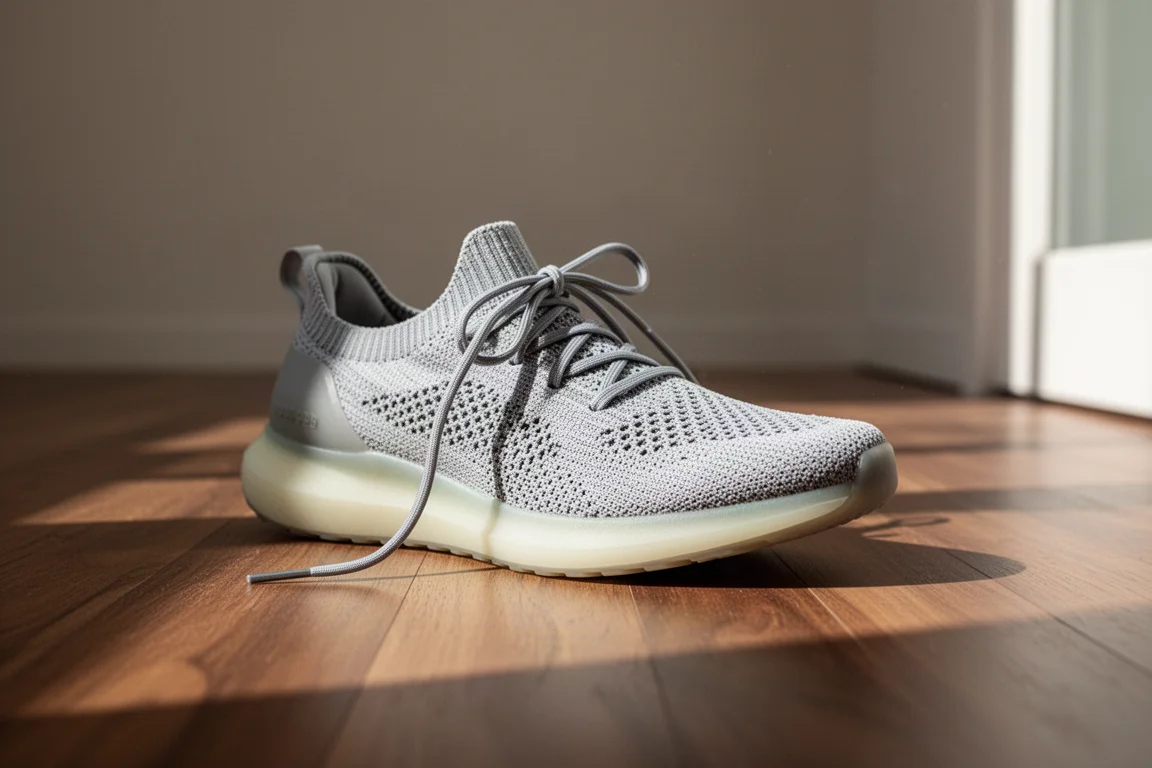
Nike’s ZoomX history is a story of trial and error. The original Vaporfly 4% midsole proved a little fragile, fracturing and tearing badly in the heel for some runners, sometimes within just ten miles. The Pegasus Turbo line was a winner for some, but Nike reportedly saw a high number of returns, likely because React and ZoomX did not work well together and suffered separation issues.
The Alphafly Next% and Tempo Next% paired high-pressure air pods up front with softer foam in the rear, with mixed results. The Vaporfly Next% got things spot on, and the Invincible Run threw a ZoomX midsole at a plush upper design that avoided blisters entirely.
Stack Height and Weight
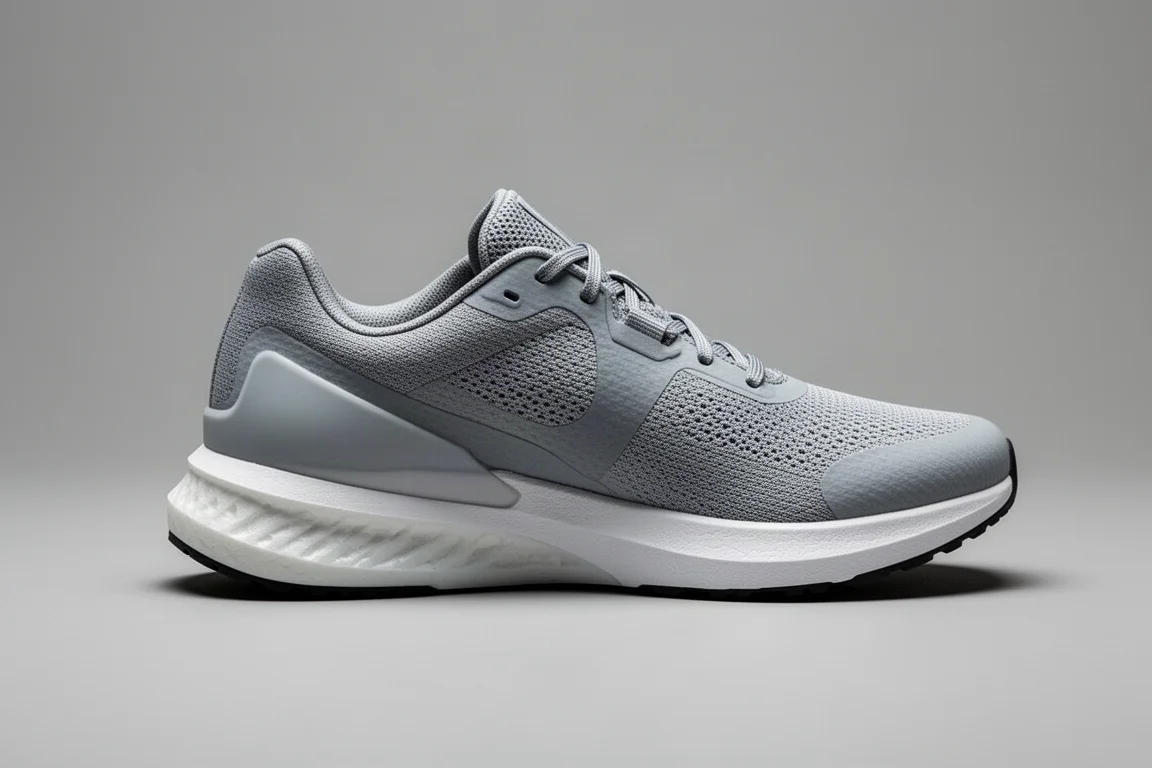
The Streakfly is clearly not a minimalist shoe. A few years back, 26mm of heel stack was considered minimal, which is what the old Streak 7 offered. The Streakfly comes in with a claimed 32mm in the heel, made up of a far more compressive foam than the phylon found in the Streak 7. ZoomX is firmer and perhaps a little more responsive, with noticeably more rebound.
Weight is where this shoe gets interesting. Sample sizes suggest it sits about 17 grams lighter than the Vaporfly Next% in a typical men’s size nine, which could put it just above 200 grams in larger sizes. That would make it one of the lightest running shoes in Nike’s current lineup, roughly an ounce lighter than even the Streak 7 and the Vaporfly 4% Flyknit.
Design Details Worth Noting
One interesting choice from Nike is the lack of visible plate styling. Normally Nike cuts out some foam or adds paint to make a shank plate obvious, but the Streakfly appears to use an embedded, encapsulated assistive element rather than a multi-piece midsole sandwich. That design is not far off the Streak 7 approach.
There are also design cues borrowed from elsewhere in the range: toe box reinforcement reminiscent of the Next%, tongue padding similar to the Rival Fly 3, heel padding from the Next% and Alphafly series, and an overall profile close to the Pegasus Turbo.
A Gap in the Lineup
Back in 2006 and 2007, race-day shoes looked completely different. The Streak 7 was a popular model, and lighter Streak versions carried similar intentions with older materials. The Streakfly essentially updates that race flat concept with modern foam.
Part of the big push behind this release may be simple market logic: many dedicated runners already own the Next%, and with fewer races in recent years there may be fewer people left to sell it to, which explains why pairs sit readily available online. A new, lower-stack shoe with fewer materials fills a lineup gap Nike has had for several years.

Price and Competition
The Streak 7 launched at a retail price of $95, and the Streakfly is expected to come in at around $135. Whether you are getting more or less for that money is a fair question to ask.
That said, it is a more attractive and competitive price than the Adidas Takumi Sen 8, which makes that shoe look extremely expensive by comparison.
Who This Product Is For
The Streakfly looks suited to runners seeking a light, potentially very usable and versatile shoe for 5K and 10K racing, or as a fast training option within a running shoe rotation. If you want a lower, lighter alternative to the Vaporfly Next% without giving up ZoomX responsiveness, this is the profile to watch.
One caution: revisiting the Streak 7 in a recent speed session showed that its Pebax plate was nowhere near as rigid as remembered, so rigidity expectations for the Streakfly should be set conservatively until hands-on testing.
Buying Advice
If the Streakfly launches in the rumoured prototype colorway, it could pair nicely with the Vaporfly Next% 2 in the same palette. Launch timing appears to be very soon, with earlier availability mentioned for Europe and slightly later in the US.
For runners already well stocked with super shoes, the lower stack and lighter weight may be the deciding factors. For everyone else, the sub-$150 price point and low weight make it one of the more accessible entries into Nike’s ZoomX range.
Conclusion
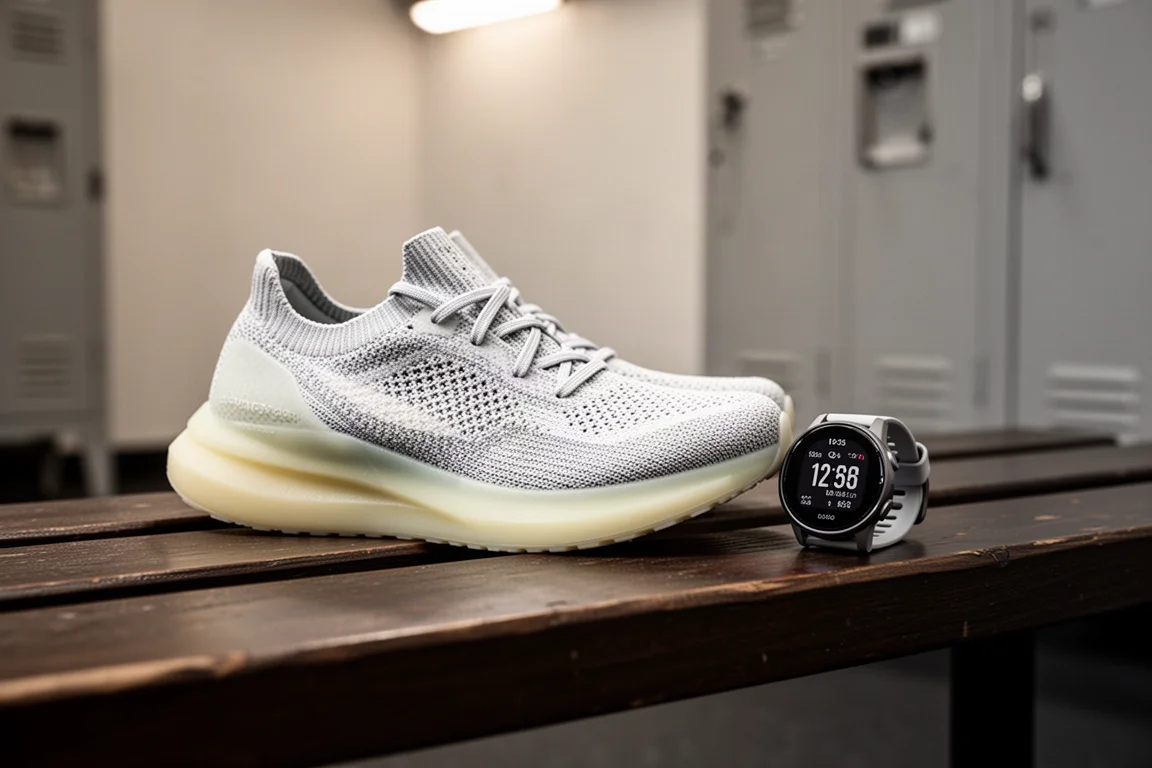
The Nike ZoomX Streakfly fills a genuine gap: a light, low-stack race shoe built on modern foam with an estimated weight just above 200 grams. It will not replace maximalist cushioned trainers, and it is not the cheapest shoe in its class historically, but for 5K and 10K racing it could be one of the most exciting Nike releases in years.
Product link
View more details for Nike ZoomX Streakfly
This product is mentioned in the review. Check the specifications, options, and compatibility before buying.
View more details for Nike ZoomX StreakflyFurther reading
Related Reviews

Running Shoes
Best Road-to-Trail Running Shoes: Three Versatile Options for Mixed Terrain
A practical guide to three road-to-trail running shoes that handle both pavement and mild trails, with clear strengths and trade-offs for different runner types.

Running Shoes
Best Running Shoes for Achilles Tendonitis: Three Options Explained
Three running shoes with different heel drops and support features designed to help reduce Achilles tendon pain during walking and running.

Running Shoes
Best Running Shoes for Women: Five Top Choices Ranked
A ranked guide to five women's running shoes, from versatile daily trainers to high-performance racing options, with real strengths and trade-offs for each.