Running Shoes
Nike Zoomfly 6 Revisited: A Second Look at Nike's Plated Trainer, Plus Evo SL and Boston 13
We take the Zoomfly 6 back out for a full training run to answer a simple question: is it a versatile plated trainer or a compromised middle-ground shoe? We also compare it against the Adidas Adizero Evo SL and Boston 13.
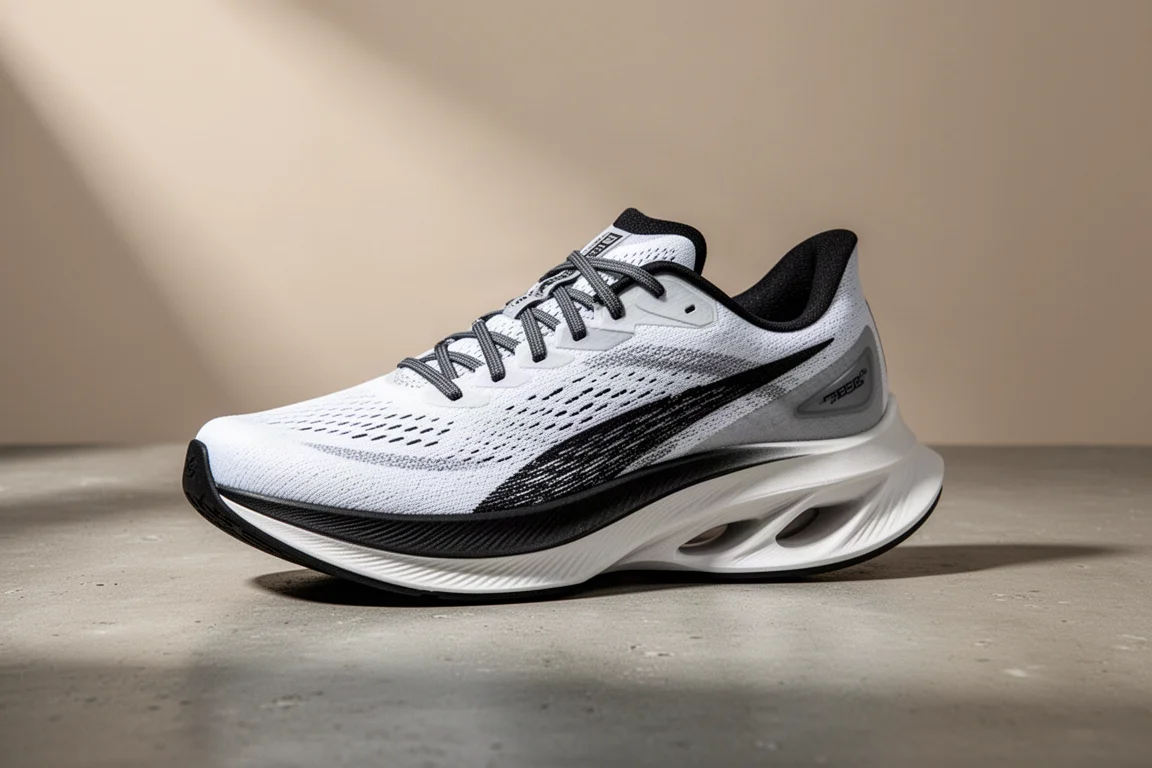
Introduction
First impressions are not always fair ones. That is the starting point for this revisit of the Nike Zoomfly 6, a shoe that has been sitting in the rotation with a reputation problem. The theory going back in: maybe the criticism has been too harsh, and maybe the issue is how the shoe is actually being used in training rather than anything wrong with the shoe itself.
To answer that, we ran a full training session in the Zoomfly 6, measured it against its closest rivals, and compared it directly to two shoes that keep coming up in the same conversation: the Adidas Adizero Evo SL and the Adidas Adizero Boston 13.
Why Revisit the Zoomfly 6
The reason a shoe gets a second run matters. A revisit only happens when there is a genuine hypothesis to test, and this one is simple: is the Zoomfly 6 actually bad, or is it just being used in the wrong context?
The training approach in question is heavily polarized. Easy mileage happens in cushioned, comfortable everyday trainers where pace does not matter at all, and workouts happen in lightweight carbon racers where every second counts. The middle zone, where a plated trainer like the Zoomfly 6 is supposed to live, barely gets used.
That matters because the Zoomfly 6 is, by design, a combination of those two shoe types. It layers race-style foam and a plate over a standard training foam base, essentially blending a comfortable daily trainer with a carbon racer. If your training never visits that middle ground, the shoe can feel like it has no obvious job.

The real test this time around was running it at relaxed daily paces, no pushing, no popping off the forefoot, just easy miles, to see whether the shoe earns a place in the rotation that way.
Measured: Weight and Stack
On the scale, the Zoomfly 6 comes in at 273 grams. For context, the Adidas Adizero Evo SL undercuts it by 20 grams at 233 grams, while the Vaporfly comes in at 185 grams, nearly 100 grams lighter, because it uses full race foam throughout.
Stack height measures right around 40 millimeters in the heel, with an impressively consistent build: 39.9 on both the left and right shoe, a difference of just 0.1 millimeters after roughly 30 miles of use. By comparison, the Evo SL sits lower at 37.5 millimeters.
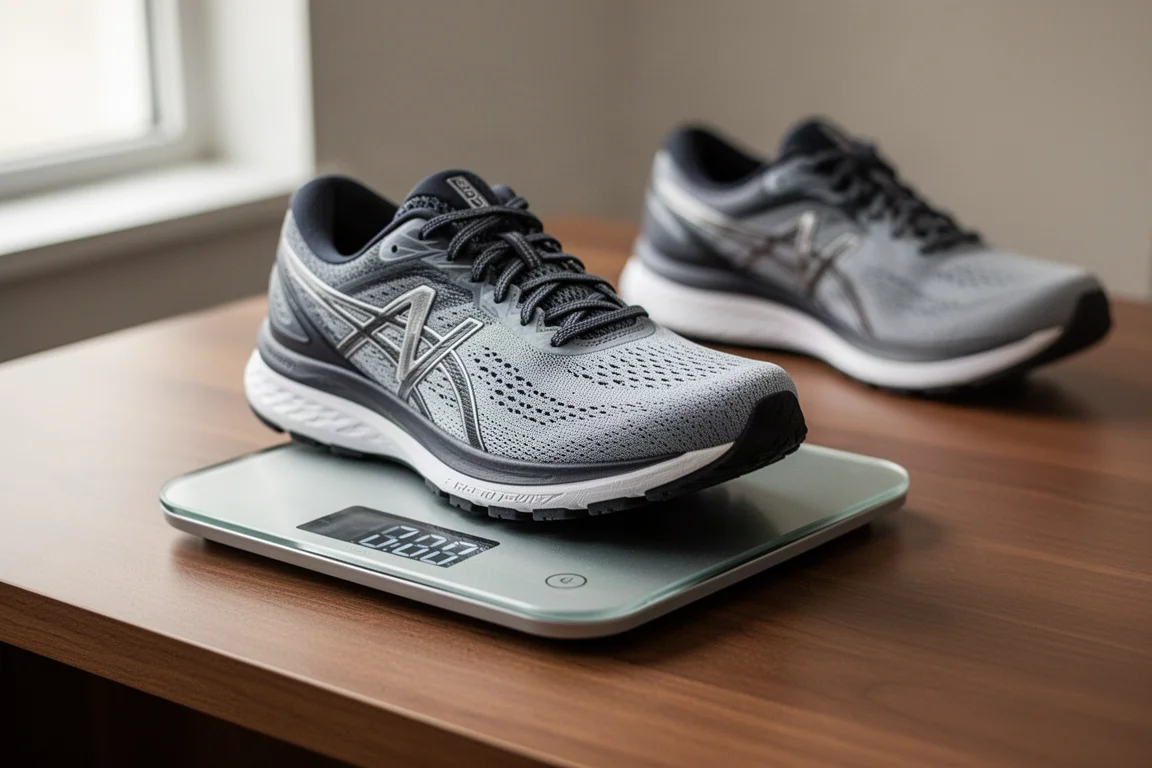
One important construction note: the ZoomX foam in the Zoomfly 6 is only in the top layer. Roughly 30 percent of the foam is race foam, with the rest being a standard training foam underneath. That single fact shapes almost everything about how this shoe performs.
Nike Zoomfly 6
The good news first: the Zoomfly 6 is not the disaster some first impressions suggested. During strides at the end of the run, the ZoomX layer came alive in a way it never did during easy mileage. At faster efforts, there is real foam in there doing real work.
But that is also the clearest summary of the problem. The shoe is decently comfortable when heel striking and landing more flatfooted, yet the moment you dig in and try to drive power through the forefoot, you end up right on top of the plate. That sensation is distracting at easy paces and still not enough at fast ones.
Compared to the Hoka Mach X2, it is not as cushioned and comfortable for going long. Compared to the Boston 13, it is not as good for fast, high-end speed work. Compared to everyday trainers like the Salomon Aeroglide 3 or the Asics Novablast 5, it is actually less comfortable and more expensive. That is a tough spot to be in.
It is also worth noting that the shoe performs best when aggressively heel striking, thanks to the higher drop and heel cushioning. Trying to land further forward does not feel good at all.
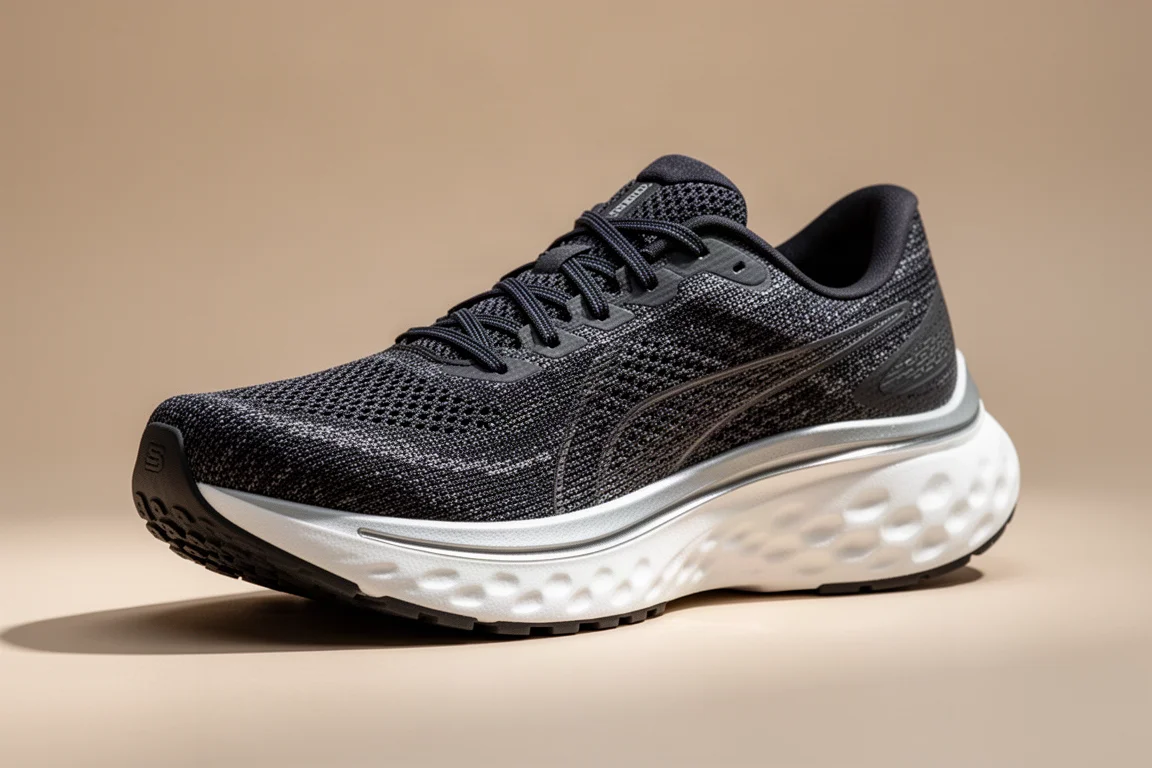
Adidas Adizero Evo SL
The Evo SL is the shoe people immediately reach for in comparisons, and the numbers explain why: 20 grams lighter, a full race foam construction with no plate, and a lower stack at 37.5 millimeters. On paper, the value proposition is hard to argue with.
In practice, the experience is more personal. At lighter weights and relaxed paces, the Evo SL can feel oddly firm, which is not the consensus experience but makes sense when you consider how little force an easy-pace runner generates. The same shoe feels completely different at five-minute pace versus eight-minute pace, and that is exactly why some runners gravitate toward fully polarized shoe rosters.
If you want the soft, bouncy full-race-foam experience without a plate, this is a shoe worth serious consideration. For runners at higher effort levels and heavier foot strikes, the feel may land differently.
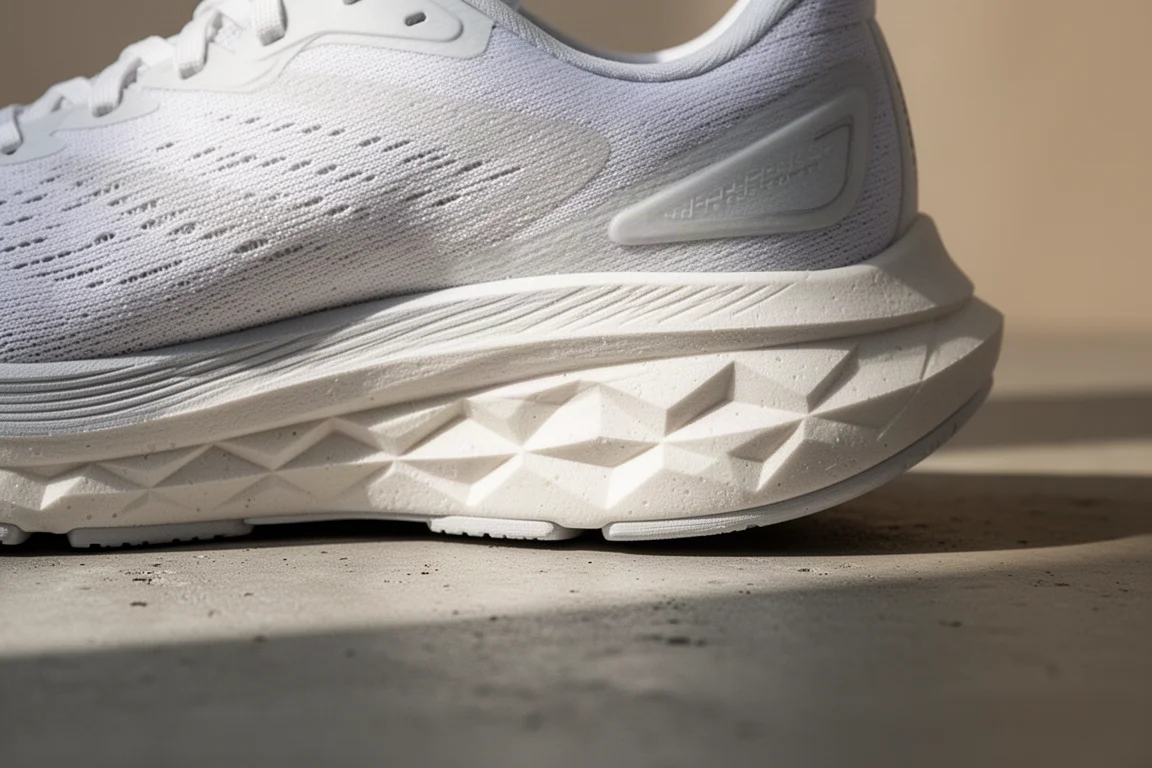
View more details for Adidas Adizero Evo SL
Adidas Adizero Boston 13
If there is a standout in the speed-training category right now, it is the Boston 13. At 274 grams, it matches the Zoomfly 6 in weight, but the on-road experience is a different story entirely.
The energy rods give the forefoot a sturdy, connected feel that is missing from most shoes in this category. You cannot feel the rods themselves, which is the point, but you absolutely feel the benefit: a stiffened forefoot platform that allows an aggressive toe-off at faster paces. There is no mushiness, no slappiness, and no pretense of being a do-it-all shoe.
Compared directly with the Zoomfly 6, the difference is stark. The Boston 13 is smooth, lower to the ground in feel, and firm in the forefoot in a productive way. The Zoomfly 6 feels like the plate is in the way. For runners who drive a lot of power into the shoe and want to feel connected to the ground, the Boston 13 is the strongest pick in this group.
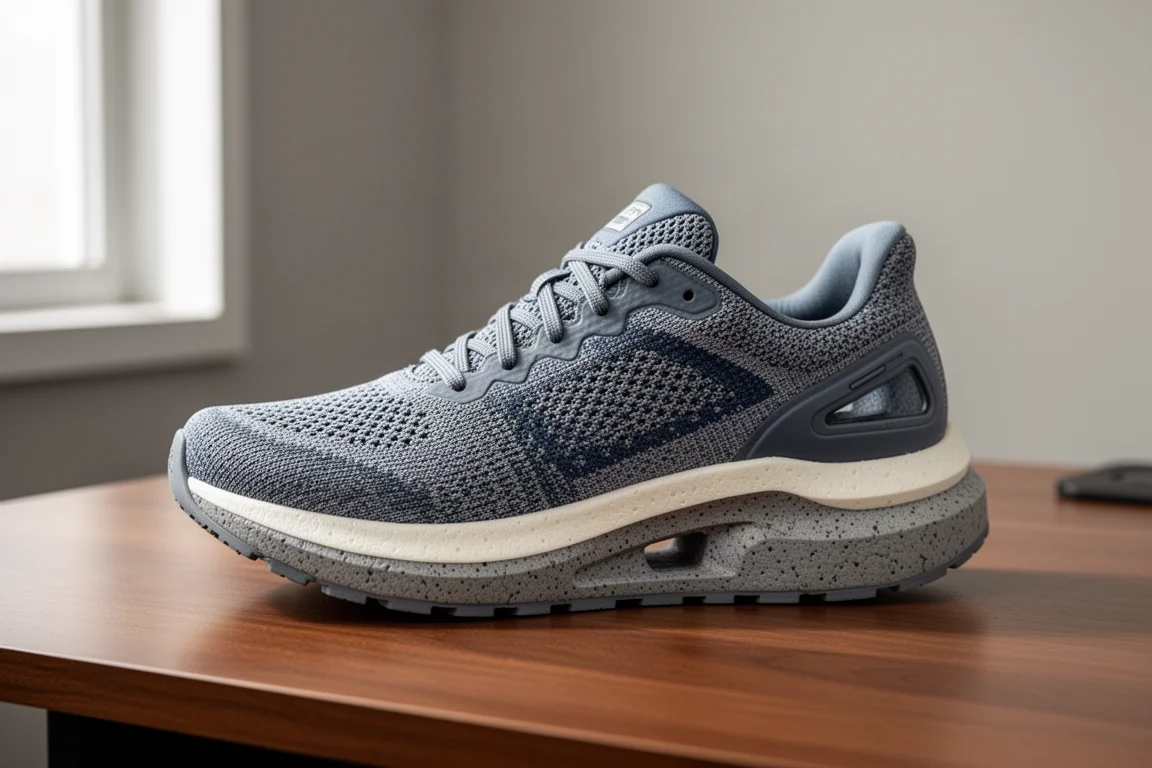
Which One Makes Sense for You
The honest answer depends on how you actually train. The Zoomfly 6 works best for runners doing a lot of steady, zone-three style training, where the combination of mild cushioning and mild speed elements genuinely fits. If that describes most of your week, the shoe makes more sense than a strict comparison suggests.
If your training is polarized, comfortable miles and hard workouts, you will almost certainly be happier with dedicated shoes for each job. A comfortable daily trainer handles the easy miles better, and a true race shoe or the Boston 13 handles the fast stuff better. The middle-ground compromise rarely wins either job outright.
One practical note worth repeating: race shoes show up in resale and secondary marketplaces at prices close to plated trainers, sometimes far below. A lightly used race shoe can cost less than a new mid-tier plated trainer, which weakens the case for buying a compromised product at full price.

Conclusion
The verdict after a second, more open-minded run: the Zoomfly 6 is better than the harshest takes suggest, particularly during strides where the ZoomX layer finally shows itself. But the core criticism holds. It is not as fast as a race shoe and not as comfortable as a proper daily trainer, which leaves it in a genuine no man’s land for many runners.
The Boston 13 is the most compelling shoe of the three for speed training, the Evo SL is the lightest and most intriguing on paper, and the Zoomfly 6 is the shoe that most needs a specific type of training to justify its existence. Match the shoe to your actual weekly routine, and the right answer becomes a lot clearer.
Further reading
Related Reviews

Running Shoes
Best Road-to-Trail Running Shoes: Three Versatile Options for Mixed Terrain
A practical guide to three road-to-trail running shoes that handle both pavement and mild trails, with clear strengths and trade-offs for different runner types.

Running Shoes
Best Running Shoes for Achilles Tendonitis: Three Options Explained
Three running shoes with different heel drops and support features designed to help reduce Achilles tendon pain during walking and running.

Running Shoes
Best Running Shoes for Women: Five Top Choices Ranked
A ranked guide to five women's running shoes, from versatile daily trainers to high-performance racing options, with real strengths and trade-offs for each.