Running Shoes
Nike Zoomfly 6 Review: A Plated Super Trainer Back on Form
The Zoomfly line returns to its best with more ZoomX foam, a full-length carbon plate, and a level of comfort that makes it easy to recommend for marathon training.
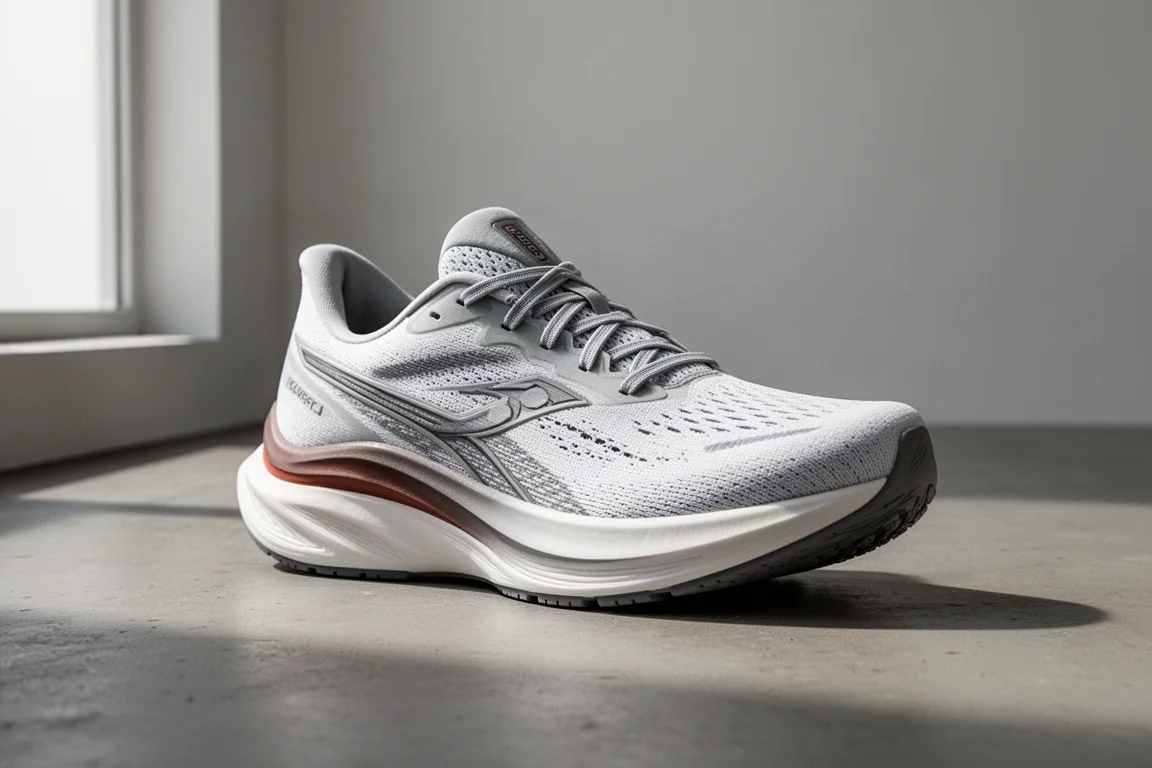
Introduction
The Zoomfly line has had an up-and-down history. The early models were well-regarded training partners to Nike’s racing shoes, and the second version introduced a plated trainer design that helped define the category. Since then, the line drifted: the shoes got progressively heavier, less speedy, and less suited to the kind of running most people associate with a super trainer.
The Zoomfly 6 aims to fix that, and on paper the changes look promising: a lighter shoe, more genuine ZoomX foam rather than the recycled material used on the Zoomfly 5, and an overall profile much closer to the best plated super trainers on the market. The good news is that it delivers. This is a competitive shoe again, and in our testing it earned a place among the strong options in this category.
Who the Nike Zoomfly 6 Is For
This is a shoe for runners who want one plated trainer that can handle a wide range of runs: long runs, steady efforts, track sessions, and easy days. It is especially well suited to marathon training, where a comfortable but propulsive shoe protects the legs across heavy weeks.
{{image:1}}
It is not the nimblest shoe in the category, so runners chasing a top-end race-day feel may still prefer lighter alternatives. But for comfort-led versatility at a strong price, it is an easy recommendation.
Design and Construction
The Zoomfly 6 uses a two-layer woven mesh upper that feels substantial but comfortable, with an internal heel counter, some padding around the heel, and a lightly padded tongue. Underfoot, the midsole is two-layered: a top layer of genuine ZoomX foam, a lightweight and bouncy PEBA-based foam, sitting above a layer of SR2 carrier foam that adds durability and stability.
Running between those foam layers is a full-length carbon plate. It is not quite as stiff as the plates in Nike’s racing shoes, but it still gives a propulsive feel and stabilizes the tall midsole stack. A few side cutouts and one on the bottom trim some weight. The outsole uses rubber on the forefoot and two sections at the heel, with Nike’s waffle pattern grip.
The key specs: 8 mm drop, 42 mm stack at the heel and 34 mm at the forefoot, and about 266 g (9.4 oz) in UK size 9, which is a US size 10. It costs £155 or $170, which is good value when many super trainers now edge toward or above $200.
Fit and Sizing
The fit was excellent in our tester’s normal Nike size (UK 9 / US 10). It is slightly more dialed in around the toes than everyday trainers like the Pegasus or Invincible, but not uncomfortably so: no toe-bashing or rubbing during testing.
{{image:2}}
Stick with your usual Nike size or normal running shoe size. For a speed-focused shoe, the upper delivers a genuinely daily-trainer level of comfort, which makes it more enjoyable to use at slower paces too.
On the Run: Comfort Meets Speed
Our tester logged 112 km, mostly long runs in the final stages of marathon training, including a track session of ten progressively quicker mile reps, a 90-minute steady run, and a hard 45-minute progression run finishing at around 3:25 per km pace. Three runs over 70 km in a four-day stretch impressed every time.
Comfort is the standout. It is a nice shoe to pull on, feels good during warm-ups and cool-downs, and stays comfortable on long, hard runs while protecting the legs well.
{{image:3}}
It is not as nimble and agile as some rivals, but it delivers plenty of bounce and propulsion and helps you dial into and hold paces. The progression run exposed its limit: at flat-out race pace it feels a bit big, and high-cadence runners may prefer something lighter. But for steady efforts, long runs, and most hard sessions, it is excellent, and it has real potential as a lower-cost marathon race shoe alternative.
How It Compares With the Competition
Against the wider super trainer market, the Zoomfly 6 sits at the comfortable end. Compared with the Saucony Endorphin Speed 4, you get more foam underfoot and better forefoot comfort, though the Speed 4 is more nimble and faster for racing or shorter sessions. The Hoka Mach X2 remains a touch faster and nimbler but has a trickier upper, while the Zoomfly 6 offers a more relaxed, comfortable experience on easy days.
{{image:4}}
It also goes up against comfort-first options like the New Balance SC Trainer V3 and the Adidas Superblast, which are great for long runs but cost more. Compared with the Magic Speed-class alternatives, the Zoomfly 6 offers more pace in a package that still handles a hard long run or track session well.
Buying Advice
If you want a plated super trainer that prioritizes comfort while still delivering genuine speed, the Zoomfly 6 is one of the strongest choices available. If your priority is top-end race pace and a nimbler feel, look at the Endorphin Speed 4 or Mach X2 instead. If comfort above all matters, the SC Trainer V3 or Superblast are worth considering, though at a higher price.
Conclusion
Nike has done a superb job resurrecting the Zoomfly line. The Zoomfly 6 is a very good plated super trainer: comfortable, fast, and enjoyable across a wide range of runs, and a strong value at £155 or $170. It pairs especially well as a training partner for a racing shoe like the Alphafly, and it is a lovely surprise at the end of the year that the Zoomfly is back to its best.
Product link
View more details for Nike Zoomfly 6
This product is mentioned in the review. Check the specifications, options, and compatibility before buying.
View more details for Nike Zoomfly 6Further reading
Related Reviews
Running Shoes
Best Road-to-Trail Running Shoes: Three Versatile Options for Mixed Terrain
A practical guide to three road-to-trail running shoes that handle both pavement and mild trails, with clear strengths and trade-offs for different runner types.
Running Shoes
Best Running Shoes for Achilles Tendonitis: Three Options Explained
Three running shoes with different heel drops and support features designed to help reduce Achilles tendon pain during walking and running.
Running Shoes
Best Running Shoes for Women: Five Top Choices Ranked
A ranked guide to five women's running shoes, from versatile daily trainers to high-performance racing options, with real strengths and trade-offs for each.