Running Shoes
Nike Zoom Structure 25 vs Nike Vomero 17: Two of the Best Nike Daily Trainers
Nike's Zoom Structure 25 and Vomero 17 share a Cushlon foam base but deliver two distinct rides. Here is how they differ and which one suits your running.
Introduction
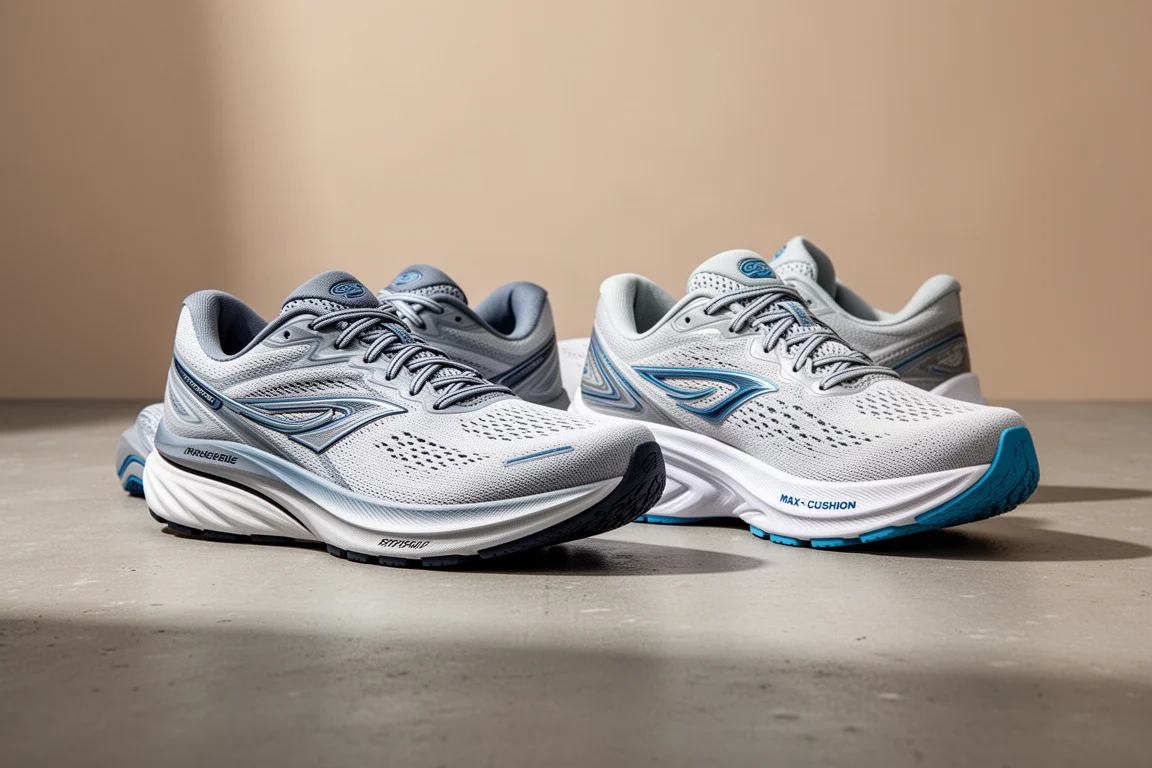
Nike has quietly built one of the strongest daily trainer lineups in running right now, and two shoes sit at the top of it: the Zoom Structure 25 and the Vomero 17. Both share the same Cushlon foam base and a 10 mm drop, but they deliver noticeably different rides. One is firmer and more structured; the other is softer and more cushioned. After putting real miles into both, this comparison breaks down which one deserves a place in your rotation.
What They Share: Cushlon Foam and a 10 mm Drop
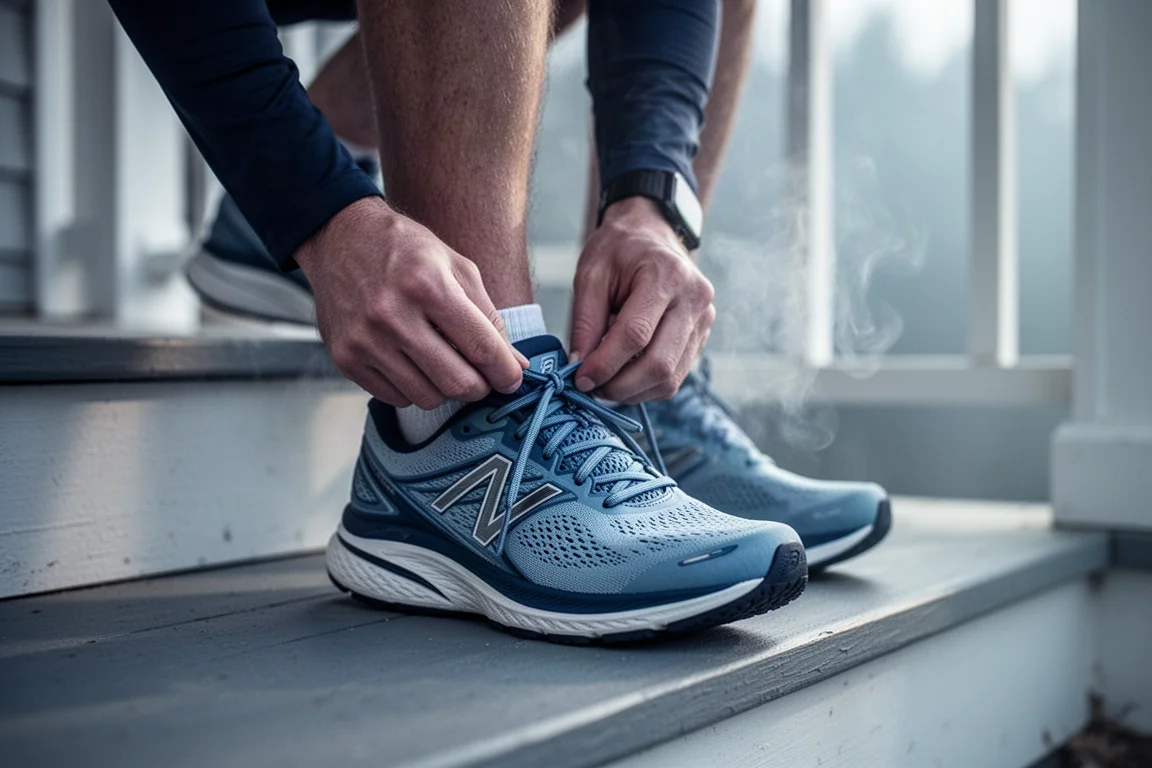
The key thing connecting these two shoes is the foam. The bottom layer of the Vomero 17 is Cushlon, and the entire midsole of the Zoom Structure 25 is Cushlon. In testing, this is the best training foam Nike makes. It feels far bouncier than React or React X in the Pegasus and the Infinity Run, and it compresses enough to feel alive while still offering real protection.
Both shoes carry the same stack height and 10 mm drop as the Pegasus line, but the Cushlon midsole simply feels better. The Structure 25 also includes an Air Zoom unit in the forefoot, similar to the standard Pegasus, though its effect is subtle in practice.
Zoom Structure 25: Firmer, Structured, Ready for Pace Work
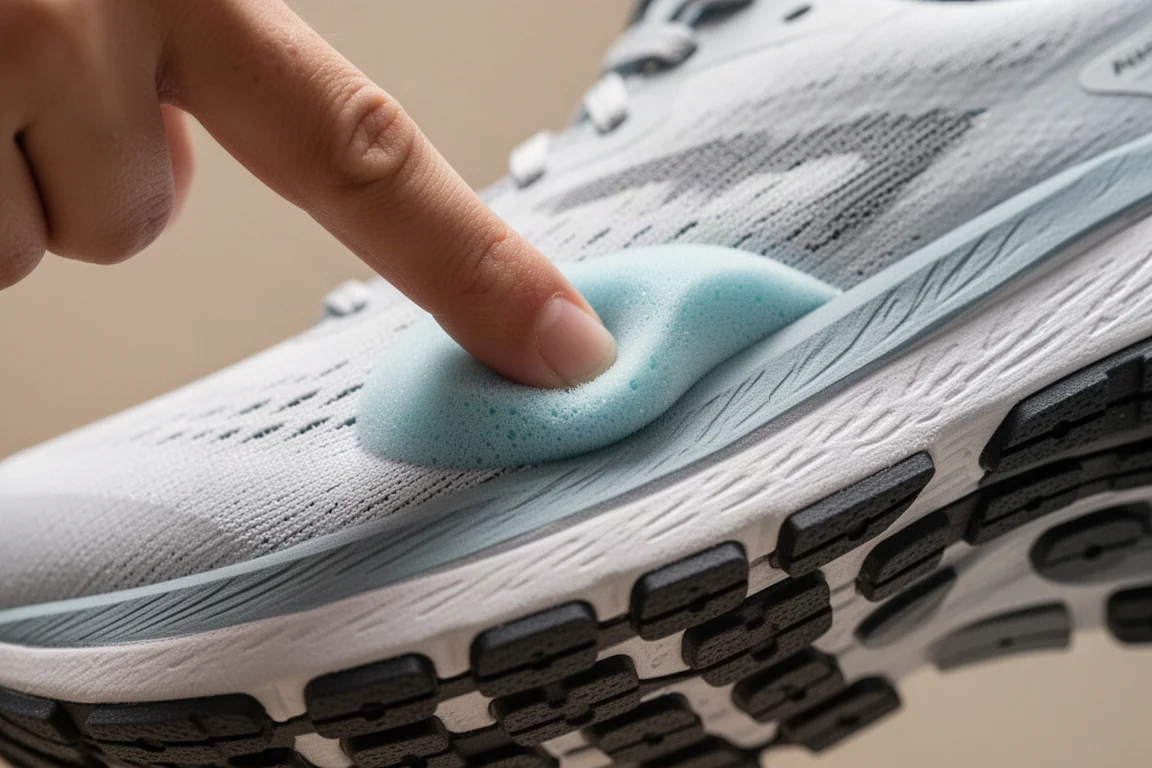
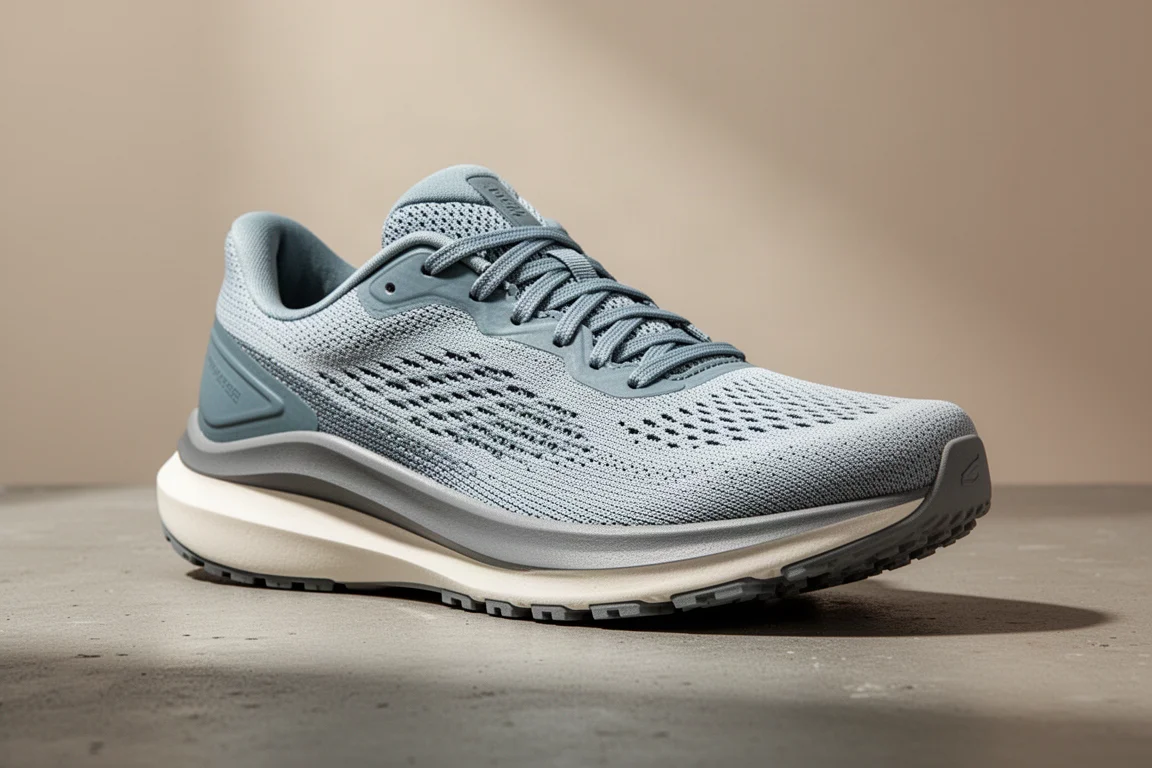
The Zoom Structure 25 is Nike’s stability shoe, and it earns the name. There is a plastic piece at the rear for added stability and a classic lockdown heel feel that holds the ankle in place. Compared with more aggressive stability shoes like the Saucony Tempesst or the Puma ForeverRun Nitro, this one is just structured enough without feeling constraining. Overpronators get support, and neutral runners running it as part of a rotation will not find it gets in the way at all.
On the run, the Cushlon foam does not compress as much as the Vomero’s Zoom X top layer, so the forefoot feels more planted. That makes the Structure 25 the better pick for strides, tempo miles, and marathon-pace work. Even on tired legs, there were clearly more gears available when pushing the pace. It is also a genuinely comfortable do-it-all grinder, with a well-built upper, a padded tongue and heel, and a smooth step-in feel. Longer efforts up to 90 minutes are well within its comfort zone.

Vomero 17: Soft, Cushioned, Built for Big Miles
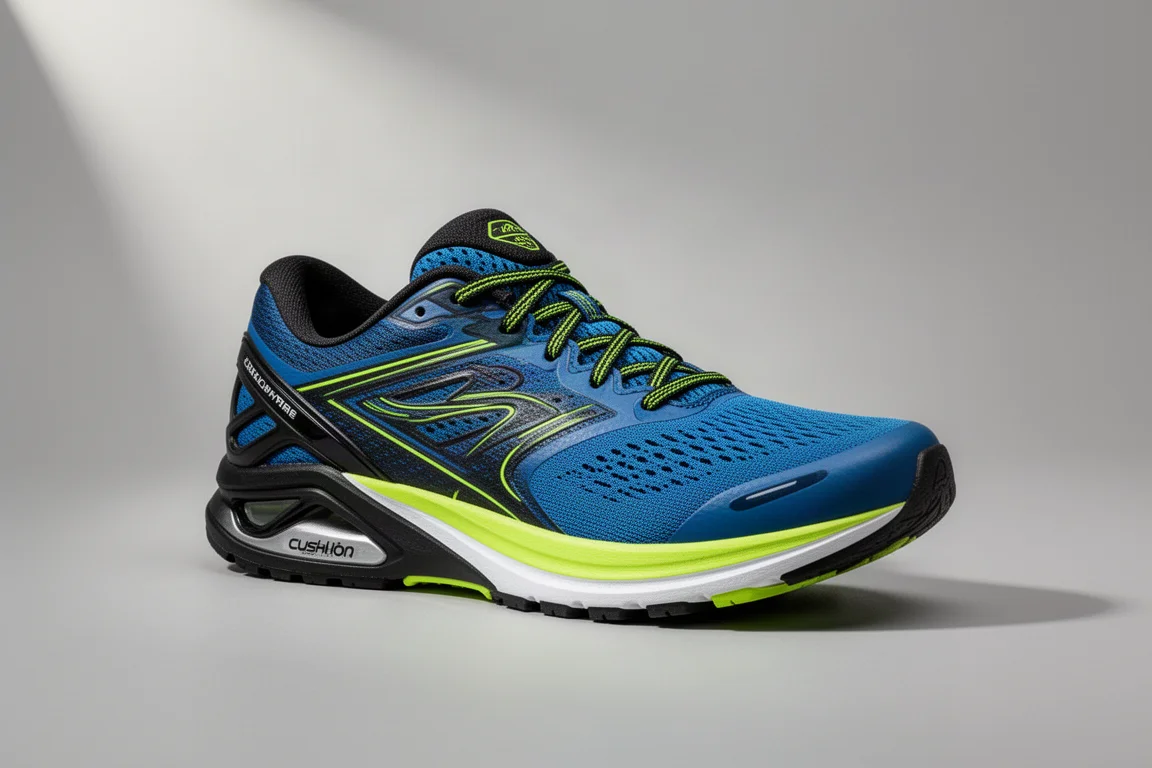
The Vomero 17 takes the same Cushlon base and adds a softer Zoom X top layer, creating a blend of soft and firm that works as a modern daily trainer or max-cushion cruiser. The heel is chunky thanks to the 10 mm drop, and the forefoot is more flexible, with the Zoom X compressing noticeably more than the Structure’s foam.
The trade-off is that some runners find the forefoot a little thin under hard compression. But for easy miles, long runs, and general cruising, it is the softer and more comfort-oriented option of the two. It is also nimble for its size, more comfortable than the Pegasus, and more flexible than the Invincible 3 or Infinity Run 4. It has the durability to last for hundreds of miles, with the potential to reach 500 miles of use.

Which One Should You Buy?
If you want a firmer, more structured ride with the option to pick up the pace, the Zoom Structure 25 is the better choice. It is a strong pick for bigger runners looking for support without a super max stack, and it has enough snap in the forefoot for tempo and marathon-pace work.
If you prefer soft, cushioned comfort with a more traditional connected feel, go for the Vomero 17. It suits easy-day runners, higher-mileage cruisers, and anyone who finds shoes like the Invincible 3 too soft and squishy but still wants more cushion than a standard trainer.
Either way, these are the two best daily trainers in Nike’s lineup right now, and Nike has this 10 mm drop, comfortable, protective corner of the market firmly locked down.
Conclusion
The Zoom Structure 25 and Vomero 17 share Nike’s best training foam but split cleanly into two personalities: structured and pace-ready versus soft and mile-hungry. Match the ride to your rotation and you cannot go wrong with either.
Further reading
Related Reviews

Running Shoes
Best Road-to-Trail Running Shoes: Three Versatile Options for Mixed Terrain
A practical guide to three road-to-trail running shoes that handle both pavement and mild trails, with clear strengths and trade-offs for different runner types.

Running Shoes
Best Running Shoes for Achilles Tendonitis: Three Options Explained
Three running shoes with different heel drops and support features designed to help reduce Achilles tendon pain during walking and running.

Running Shoes
Best Running Shoes for Women: Five Top Choices Ranked
A ranked guide to five women's running shoes, from versatile daily trainers to high-performance racing options, with real strengths and trade-offs for each.