Running Shoes
Nike Zoom Fly 6 vs Saucony Endorphin Speed 4: Which Super Trainer Wins?
Two plated training shoes with similar weights, stack heights, and heel drops go head to head on price, upper comfort, and midsole performance.
Introduction
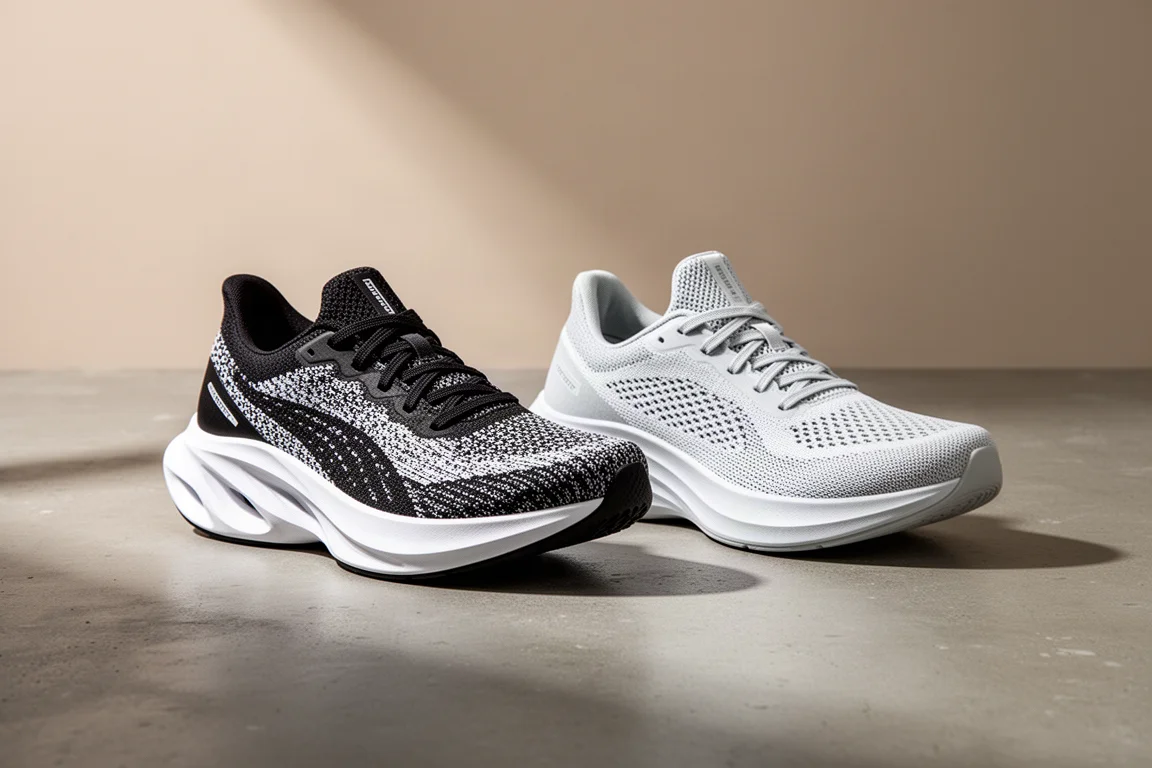
Plated super trainers have become the do-it-all option in many runners’ rotations, and few matchups are as natural as the Nike Zoom Fly 6 versus the Saucony Endorphin Speed 4. The two have a lot in common: very similar weights, similar midsole stack heights, matching heel offsets, and a shared purpose of pushing the pace in quicker sessions during the week.
After putting solid mileage into both, this comparison breaks them down across price, upper comfort, and performance, then picks the more versatile shoe and the better value.
Price, Weight, and Specs
The Zoom Fly 6 was picked up from the Nike website for £55, which is very reasonable for a carbon plated training shoe. The Endorphin Speed 4 retailed for £180 at launch, though older colorways can now be found online for as little as £135. On launch pricing alone, the Nike shoe takes the price round.
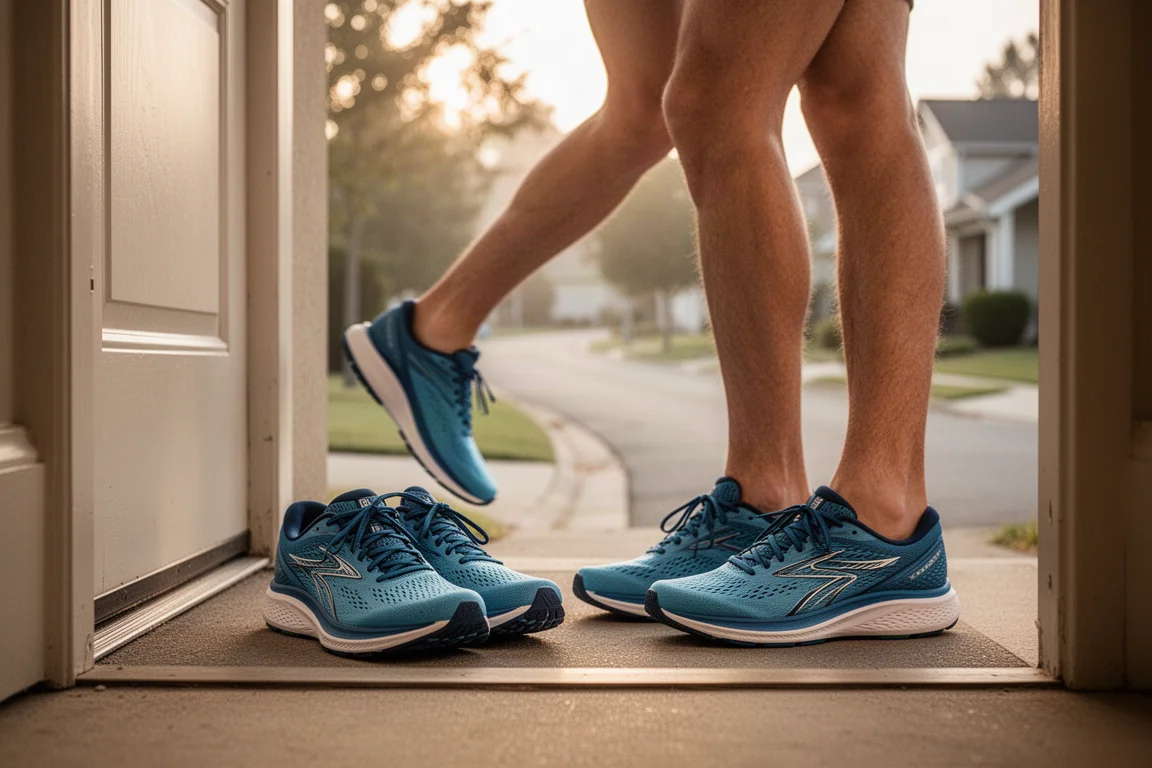
On the scales, the Saucony tips in at 262g in a UK 9.5 while the Nike is slightly heavier at 268g. Both run an 8mm heel-to-toe drop, although the Nike heel feels a touch higher out on the road; dropping the Zoom Fly to a 6mm offset would make that heel less noticeable and sharpen the ride further.
Upper Fit and Comfort
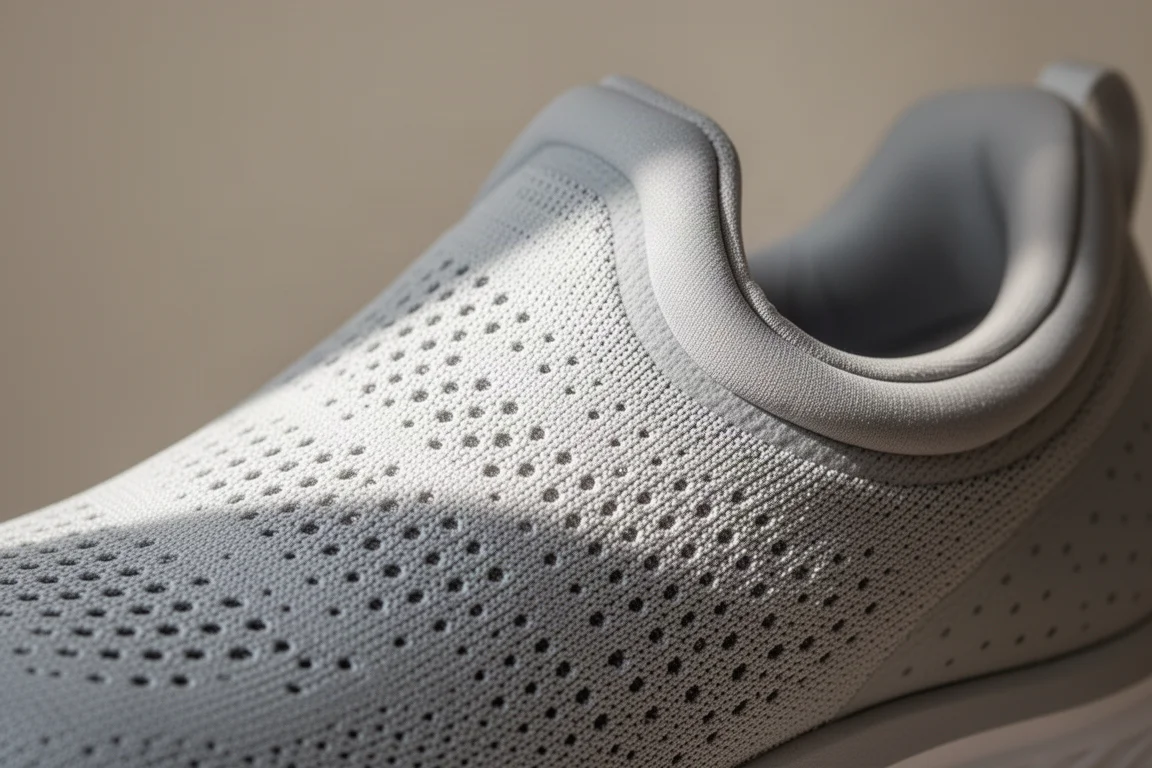
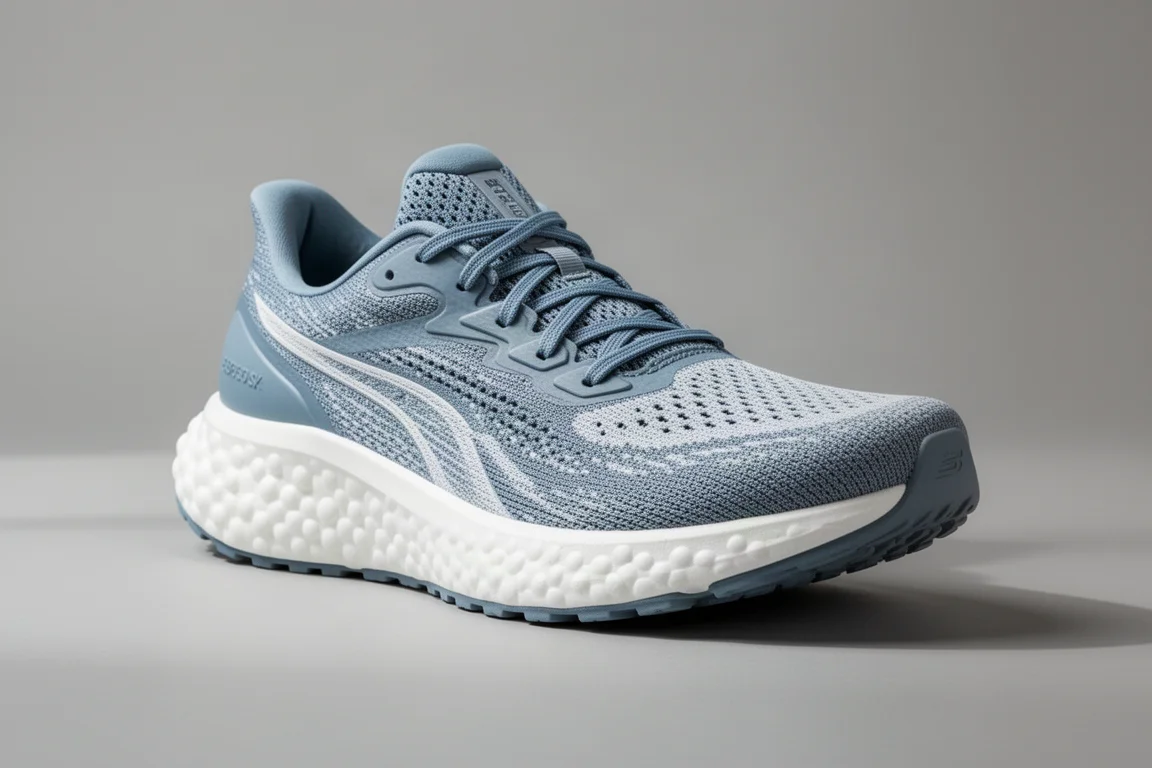
Both uppers are comfortable, but they win in different ways. The Endorphin Speed 4 uses a lightweight engineered mesh with small perforations across the upper to boost airflow, making it the more breathable of the two, with good structure and padding around the ankle collar and heel. Its weak point is a very thin gusseted tongue: on a couple of longer runs, laces started pulling through and digging into the top of the foot. A touch more padding would fix that.
The Zoom Fly 6 upper feels plush with just the right structure and padding at the back of the shoe, locking the heel in with no slippage. Its tongue is also thin, but Nike added zonal padding up the centre that spreads wider at the top where the laces tie down, which solved the lace-digging problem entirely. The caveat is fit: the shoe sizes a bit short and the toe box comes down shallow towards the end, so a longer foot sits close to the front and half a size up is probably the smarter choice.
Because both uppers deliver good midfoot lock down, secure heels, and no irritation overall, the upper and comfort round ends in a draw.
Saucony Endorphin Speed 4 Performance
The Endorphin line has strong history, with earlier versions widely regarded as excellent road trainers. The Speed 4 is an improvement over the disappointing Speed 3, but it does not come close to the original or the Speed 2.
Around 50 miles in, spanning steady longer efforts and interval sessions plus a 10K test, the Pebax-plated midsole felt flat. Energy return seemed lacking and the ride felt noticeably firmer, raising the suspicion that the PowerRun PB foam blend has been changed, possibly for stability or durability, at the cost of responsiveness. A back-to-back 5K against an original Endorphin Speed made the contrast stark: the older shoe still feels lighter, nimbler, more responsive, and far more fun, even with 250 miles on it.
Nike Zoom Fly 6 Performance
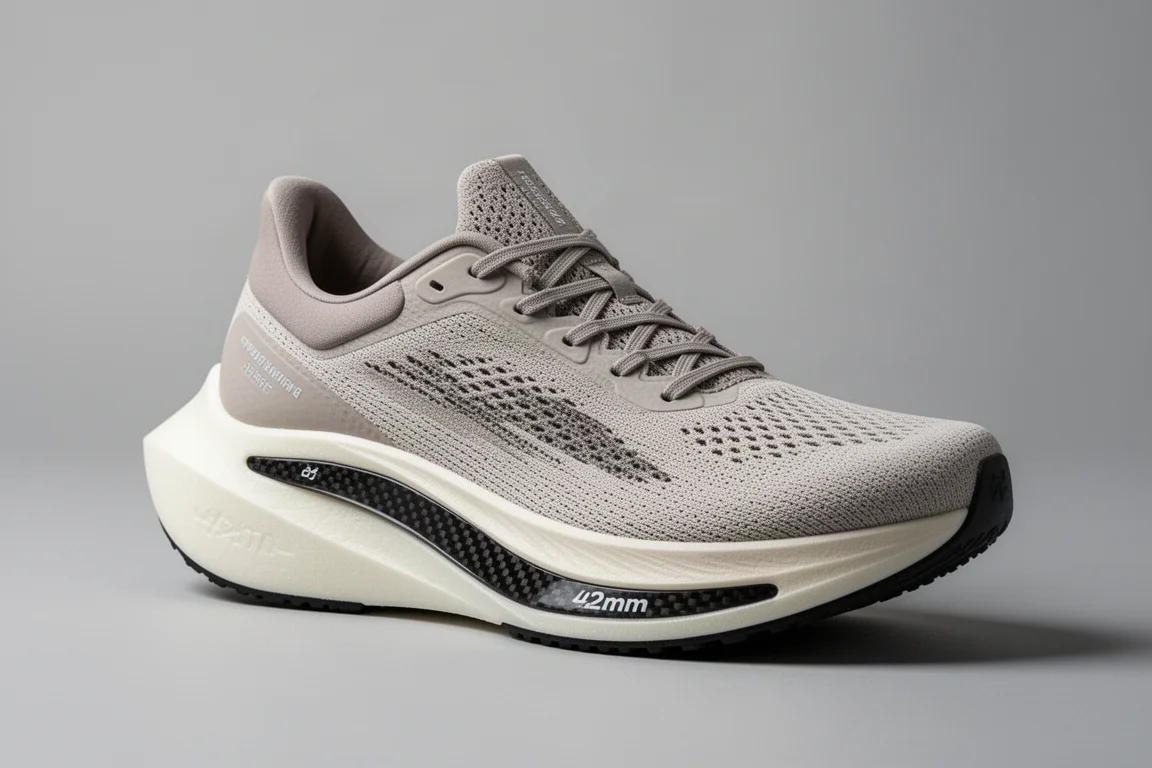
The Zoom Fly 6 arrives with substantial updates over the underwhelming Zoom Fly 5, and it shows. Across roughly 50 miles of long slower efforts, tempo runs, and shorter intervals, it handled everything well. The carbon plated ZoomX midsole setup feels comfortable and stable at slower paces, and the rocket-shaped geometry transitions smoothly through to toe off.

Pick up the pace and the shoe springs to life, feeling responsive and quick. It is not racing-super-shoe quick, but for a training shoe it does a very good job. A hard-effort 5K parkrun test confirmed it: comfortable, responsive, with the ZoomX compound giving plenty of energy return throughout. The main gripe is colorway availability, with only black and white on offer at purchase, though brighter options are appearing.
Overall Verdict
Upper fit and comfort are very similar, but the midsoles are worlds apart. The Zoom Fly 6 outperforms the Endorphin Speed 4 on every level: the ZoomX foam is more comfortable underfoot, more lively at speed, and the dual-layer setup with the EVA carrier makes the shoe feel planted and stable, which has not always been true of Nike super shoes around tight bends at pace.
The carbon plate versus TPU plate difference matters less than the foam itself. If you want a one-stop training shoe for long efforts, quicker sessions, and the odd race, the Zoom Fly 6 is worth a closer look, ideally with 15-20g shaved off the weight.

Conclusion
The Nike Zoom Fly 6 wins this matchup comfortably. It costs less at launch, performs as a genuinely versatile super trainer across paces, and its ZoomX-based midsole simply delivers more than the current Endorphin Speed 4. Saucony fans hoping for a return to the magic of the original Endorphin Speed will have to keep waiting.
Further reading
Related Reviews

Running Shoes
Best Road-to-Trail Running Shoes: Three Versatile Options for Mixed Terrain
A practical guide to three road-to-trail running shoes that handle both pavement and mild trails, with clear strengths and trade-offs for different runner types.

Running Shoes
Best Running Shoes for Achilles Tendonitis: Three Options Explained
Three running shoes with different heel drops and support features designed to help reduce Achilles tendon pain during walking and running.

Running Shoes
Best Running Shoes for Women: Five Top Choices Ranked
A ranked guide to five women's running shoes, from versatile daily trainers to high-performance racing options, with real strengths and trade-offs for each.