Running Shoes
Nike Zoom Fly 6 vs Puma Deviate Nitro 4: Which Carbon-Plated Trainer Fits Your Running?
Two lightweight carbon-plated trainers with similar specs but very different on-foot personalities. Here is how they compare on weight, stack, stability, fit, and ride.
Introduction
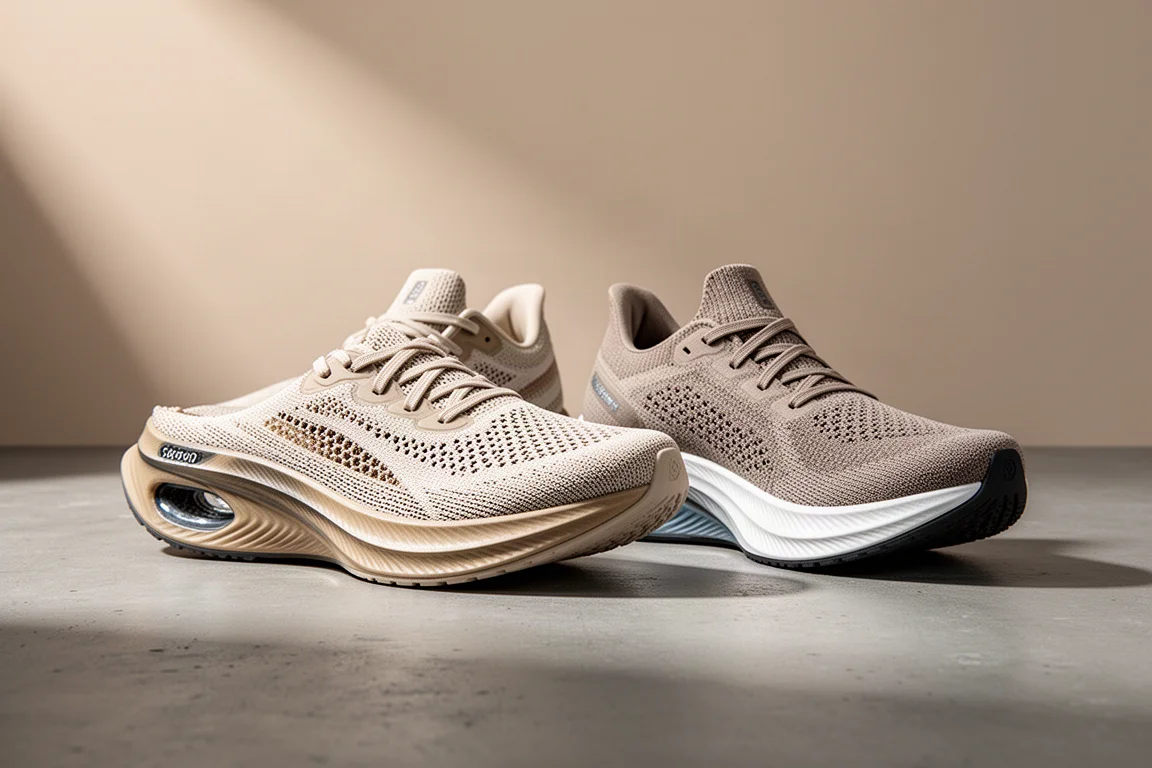
On paper, the Nike Zoom Fly 6 and Puma Deviate Nitro 4 look like near twins. Both are lightweight, carbon-plated training shoes that sit in the sub-9 oz range, both carry tall stacks, and both layer a super foam on top of a more traditional EVA foam with a full-length carbon plate sandwiched in between. That shared recipe gives both shoes unusual versatility: they can handle daily training, hard workouts, and even racing for runners who find full-blown super shoes uncomfortable.
Where they diverge is on foot. The plate geometry, foam feel, fit, and stability characteristics differ enough that picking between them really comes down to your biomechanics and preferences. This comparison walks through the differences so you can figure out which one lines up better with how you run.
Specs at a Glance
In a men’s size 10, the Puma Deviate Nitro 4 weighs 9.1 oz (about 259 g), while the Nike Zoom Fly 6 comes in slightly lighter at 254 g (about 9.0 oz). Stack heights are also close: Puma sits at 38 mm in the heel and 30 mm in the forefoot for an 8 mm drop, while Nike is a touch taller at 40/32 mm but with the same 8 mm drop.
Both make excellent complements to their respective super shoes. The Deviate Nitro 4 pairs naturally with the Deviate Nitro Elite 4 or Fastar 3, and the Zoom Fly 6 slots in alongside the Alphafly or Vaporfly 4. Think of each as a slightly more practical training partner that stays genuinely fast while being more realistic for everyday mileage.

Sole Design and Ride
Both shoes use a similar construction: EVA foam on the bottom, super foam on the top (Puma’s Nitro Elite, Nike’s ZoomX), and a full-length carbon plate between them. That is roughly where the similarities end, because the foam properties and plate geometries create noticeably different rides.
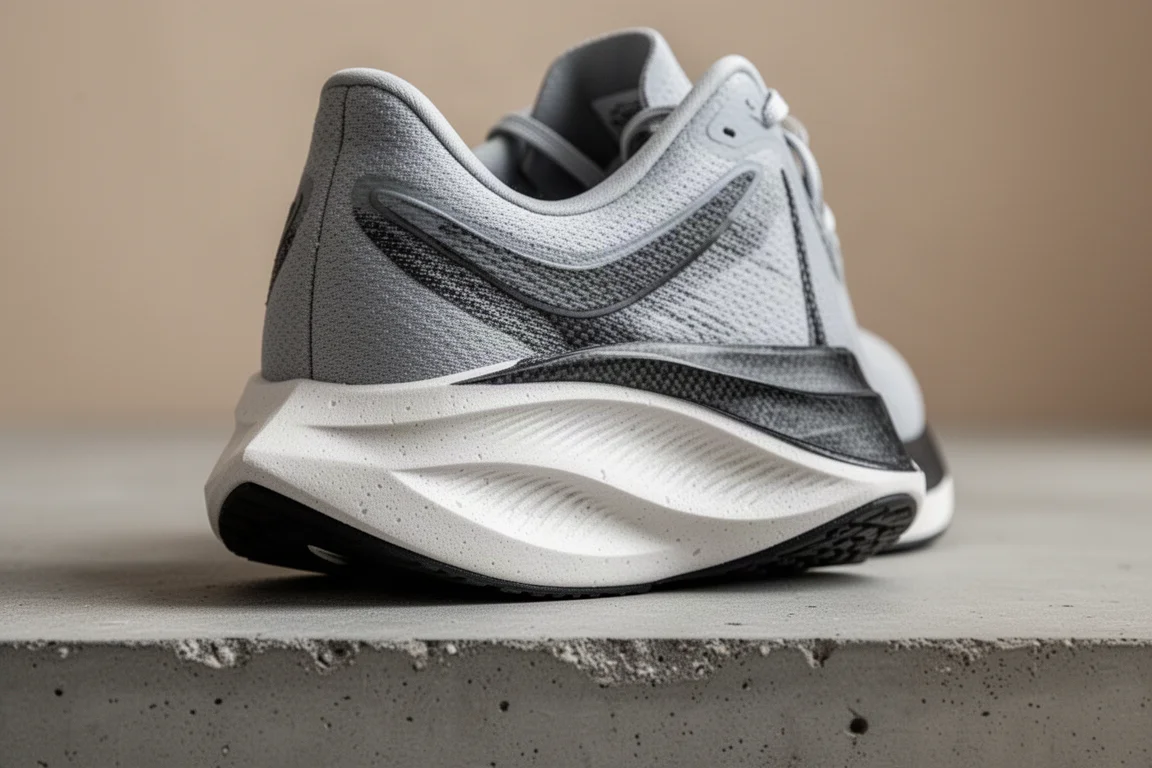
The Puma’s heel transition is the stronger of the two. The heel is beveled a little more aggressively and creasing in the foam helps it collapse smoothly as you roll forward, so heel strikers get a fairly clean entry. Nike’s bevel is steeper and takes some break-in; after about 50 miles it does improve, but the Puma still edges it for runners who land far back on the heel.
Through the forefoot, Nike takes over. Both plates are prominent and very stiff, but after 30 miles the Puma’s plate has not loosened at all. If you want a stiff ride that stays stiff, the Deviate Nitro 4 delivers. Nike’s plate softens slightly with break-in, and its longer forefoot rocker makes the transition a bit snappier and smoother over time. In short: Puma for lasting stiffness, Nike for a stiff ride that becomes more fluid.
Stability and Underfoot Feel
Neither shoe is a stability shoe, but their inherent geometry differs. Puma added sidewalls, widened the base slightly, and filled in the midfoot, though the heel and midfoot remain fairly narrow. It is not unstable, just decidedly neutral. Nike wins this category simply because the platform is wider, with noticeably more midfoot and heel width plus a central groove that adds a touch of steadiness. That groove, however, is prone to collecting rocks, and neither shoe is meant for gravel or soft surfaces.
Underfoot, Nike feels slightly softer and bouncier. The ZoomX layer sits nicely on a stable EVA base (reported to be SR2 EVA) and the bounce comes through more than in some recent firmer ZoomX applications. Puma’s Nitro Elite foam is also very good, but the extremely stiff plate firms up the forefoot, so the ride there is firmer even with a slightly softer heel. Both are snappy rather than plush, but Nike offers just a touch more softness. One Nike-specific note: a cutout on the lateral side becomes more noticeable as the shoe breaks in, which sensitive runners may feel, though many will find it works in their favor.
Fit and Upper
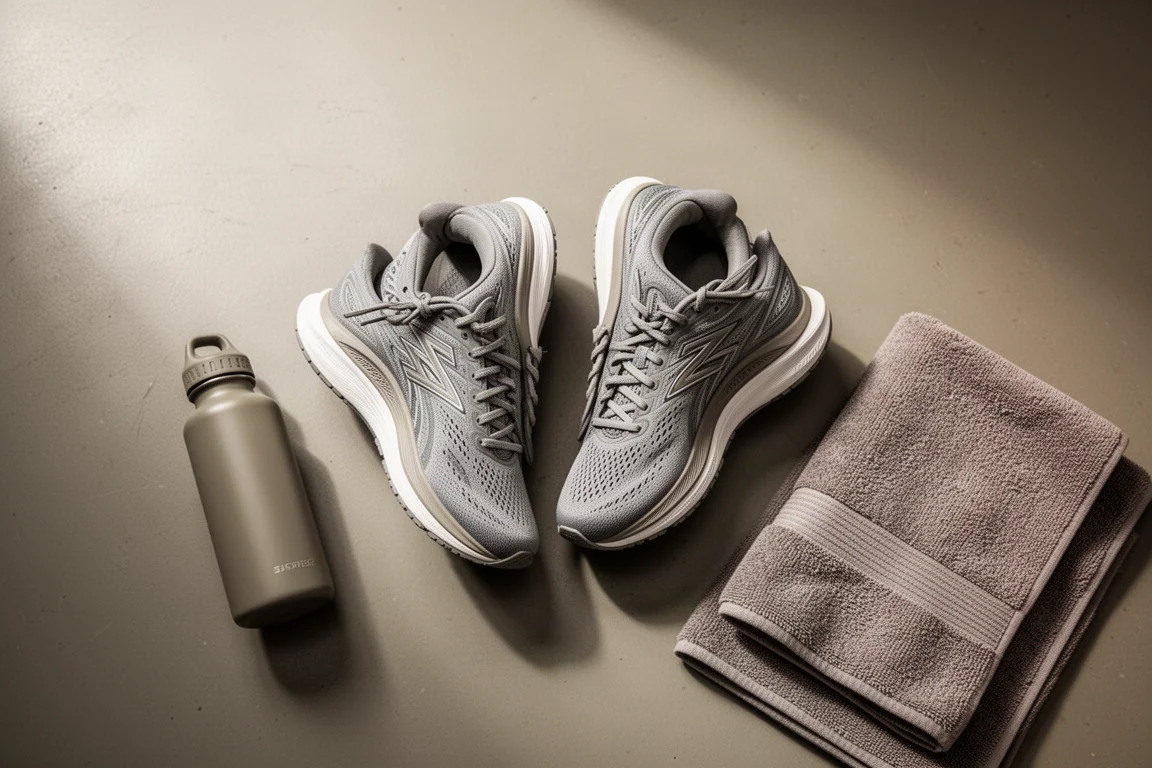
The fit is where these two diverge most. Nike now offers a wide anatomic toe box, a welcome shift for a brand historically narrow up front, but the volume is low: it sits close across the top of the foot and over the arch. Runners with a high instep or prominent navicular bones may find it presses too low. Puma goes the other direction: a snug, race-like width with a slightly stretchier upper and more room in the instep, which suits higher-volume feet.
Both uppers are comfortable, both use gusseted, decently padded tongues that stay secure, and both have fairly stiff heel counters with enough padding not to cause trouble. The practical takeaway: if you need toe room and have a low-to-normal instep, lean Nike; if you need volume through the arch, lean Puma.
Biomechanics and Break-In Notes
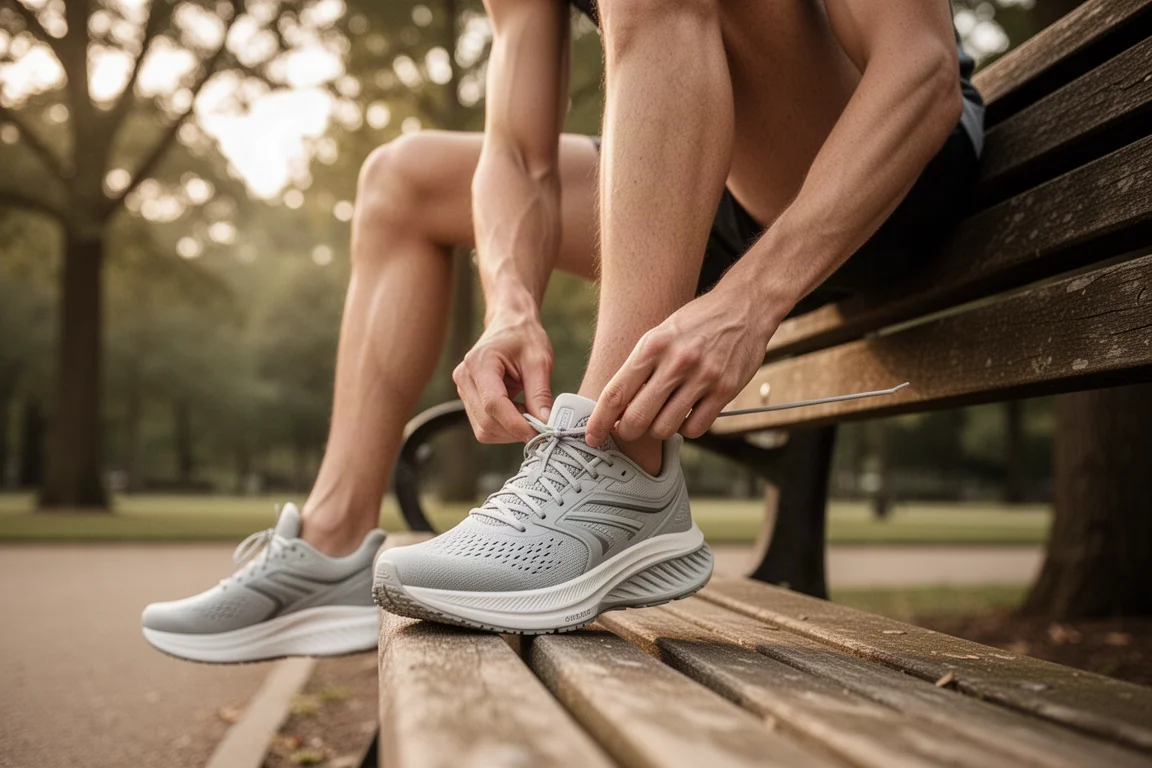
Plate geometry matters because a shoe works best when its rocker and plate line up with your metatarsal joints. Some runners describe the Deviate Nitro 4 as super smooth precisely because its geometry matches their toe joints; others feel pressure building under the metatarsal heads when the forefoot stiffness does not line up. The only reliable test is trying the shoe on and feeling whether the roll feels smooth to you.
It is also worth thinking about variety. If you spend all your mileage in a stiff carbon-plated shoe and then jump into something flexible, the toe joints and flexors suddenly face a very different workload, which can cause soreness if you overdo it. A plated trainer can absolutely be part of a rotation; just ease into any big change in shoe stiffness.
Durability and Buying Advice
Durability has held up well on both test pairs over roughly 30 to 50 miles, with nothing tearing or breaking down. Heavy heel scuffers may shorten any lightweight shoe’s lifespan, but neither shows early wear concerns.
For the better long-run and long-race feel, the Zoom Fly 6 has the edge because its plate relaxes and transitions more fluidly as it breaks in. For maximum stiffness and a firmer, more race-like forefoot that never softens, the Deviate Nitro 4 is the pick. If stability matters to you, Nike’s wider platform is the safer choice. If a higher-volume fit matters, Puma is.
Conclusion
The Zoom Fly 6 and Deviate Nitro 4 prove that similar spec sheets can hide very different shoes. Both are excellent carbon-plated trainers; the right one depends on your fit needs, how stiff you want the forefoot to stay, and whether your biomechanics match each shoe’s rocker. Try both if you can, and pick the one that simply feels smooth underfoot.
Product link
View more details for Nike Zoom Fly 6
This product is mentioned in the review. Check the specifications, options, and compatibility before buying.
View more details for Nike Zoom Fly 6Further reading
Related Reviews

Running Shoes
Best Road-to-Trail Running Shoes: Three Versatile Options for Mixed Terrain
A practical guide to three road-to-trail running shoes that handle both pavement and mild trails, with clear strengths and trade-offs for different runner types.

Running Shoes
Best Running Shoes for Achilles Tendonitis: Three Options Explained
Three running shoes with different heel drops and support features designed to help reduce Achilles tendon pain during walking and running.

Running Shoes
Best Running Shoes for Women: Five Top Choices Ranked
A ranked guide to five women's running shoes, from versatile daily trainers to high-performance racing options, with real strengths and trade-offs for each.