Running Shoes
Nike Zoom Fly 6 vs ASICS Super Blast 2: Two Super Trainers, One Tough Call
A plateless super trainer against a plated one, both versatile, fast, and comfortable. We break down prices, weights, stack heights, and ride feel to help you choose.
Introduction
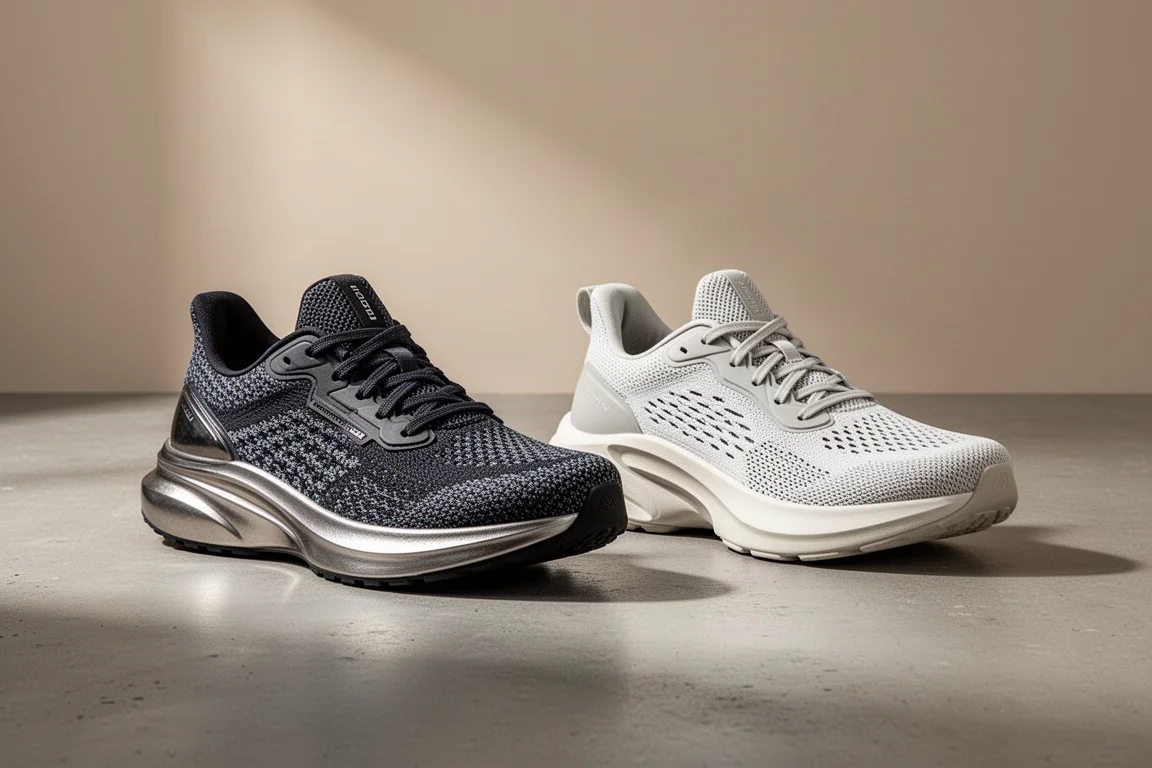
The Nike Zoom Fly 6 and the ASICS Super Blast 2 are not directly comparable shoes on paper. One has a plate in the midsole, the other does not. But both belong to the same practical category: super trainers designed to handle a wide range of runs, from easy cruising to hard sessions. Both are extremely popular, and for good reason. They are two of the most versatile shoes you can put on your feet right now.
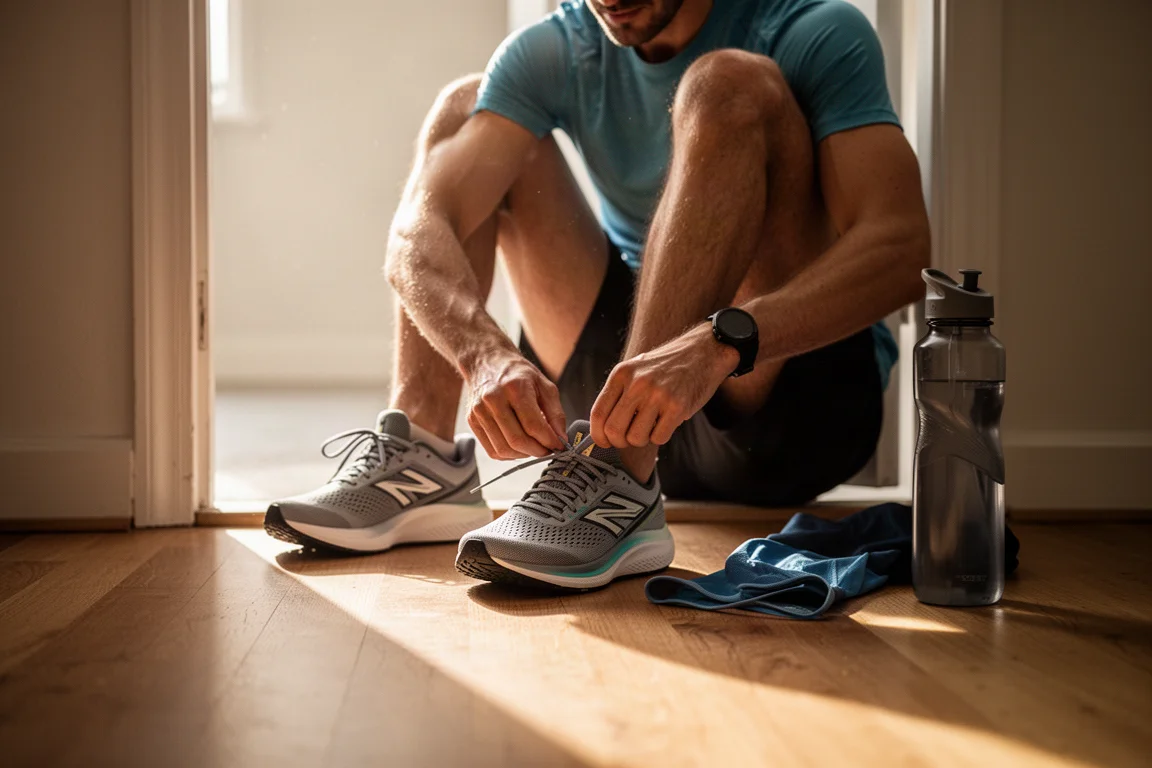
If you are deciding between them, the details matter: price, weight, stack height, and the subtle differences in ride feel. This comparison walks through all of it so you can pick the shoe that suits your rotation and your running style.
Evaluation Criteria
The most useful lens here is versatility. Both shoes are built to do everything: daily mileage, progression runs, long runs, and even fast sessions. The key differentiators are whether you want a plate, how much you value weight and stack height, and which ride character feels better for your paces.
Design and Construction
The Nike Zoom Fly 6 uses a two-layer woven mesh upper with generous padding around the heel and a significant internal heel counter for structure at the back of the shoe. Underfoot, you get a dual-density midsole: a top layer of Nike ZoomX foam, a fairly flexible carbon plate running the full length of the shoe, and Nike SR2 carrier foam on the bottom, which is a bit less lively but adds durability and stability. Outsole coverage is solid waffle rubber at the forefoot and heel, with a big cutout in the middle showing off the plate.
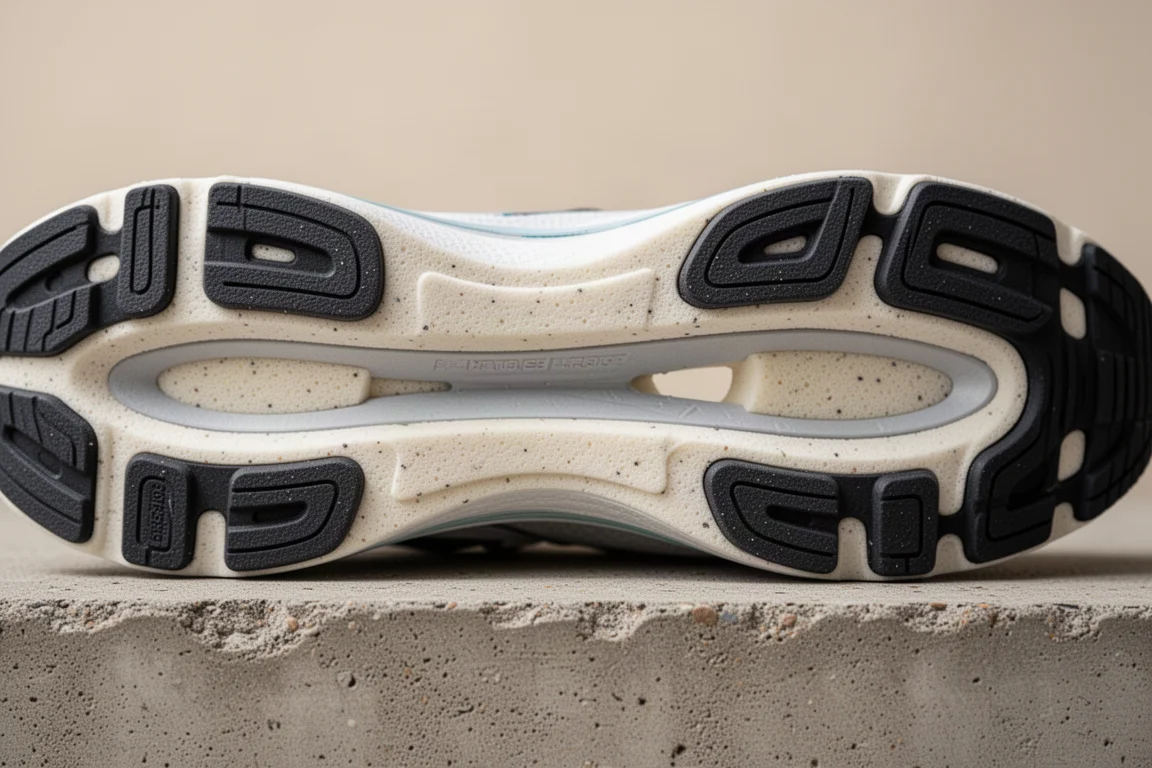
The ASICS Super Blast 2 also has a dual-density midsole, but most of it is ASICS FF Turbo Plus foam, the brand’s bounciest and most responsive foam, also used in its racing shoe series. Below that sits FF Blast Plus eco foam. The upper is a simple engineered mesh with a thin tongue, some padding and structure at the heel, and nothing too complicated going on. Outsole coverage uses ASICS AHAR Plus rubber patches on the key areas, with good grip and plenty of exposed foam.
On specs, the Super Blast 2 is the lighter shoe at 252g (8.9 oz) in a UK 9, versus 266g (9.4 oz) for the Zoom Fly 6 in the same size. The Super Blast 2 also runs higher, with a 45mm heel and 37mm forefoot, while the Zoom Fly 6 measures 42mm and 34mm. Both have an 8mm drop.
Fit and Comfort
Both test pairs were a UK 9 (US 10) across both brands, and both fit true to a normal running shoe size with no problems. Both have enough room around the toes, a good hold around the heel and midfoot, and comfortable uppers overall.
The Nike is slightly more dialed in around the toes, a touch more cramped than the Super Blast 2, but not unpleasantly so. It gives the shoe a slightly racier feel. The Super Blast 2 leans more accommodating, which makes it very easy to pull on every single day. Stick to your usual running shoe size for both.
Run Test: How They Feel on the Road
The Super Blast 2 more or less picks up where its predecessor left off: it is the standard-setter for plate-free super trainers, a design no other brand has quite emulated. It is comfortable, bouncy, fast, and amazingly light for its size, which helps you pick up the pace. It excels at cruising daily runs, progression runs, and long runs where you want to eat up mileage. Even at bigger sizes it stays light, which makes it a genuinely versatile shoe.
The Zoom Fly 6 is a big upgrade on previous models, which were heavy and clunky. This version can match the best plated super trainers, and it handles fast running well. Hard sessions on the track, long steady runs of around 90 minutes, and marathon-training mileage all felt great. It is an exceptionally comfortable shoe given its speed, and the underfoot feel is relaxed and cruisy for something you can run fast in.

Compared directly, the Nike feels a bit more nimble and direct, with a slightly more aggressive forefoot rocker that pushes you off the toes. The Super Blast 2 has a sharper tapered rocker and a big amount of bounce, which loping runners may engage and enjoy more. Both are surprisingly stable for such big shoes, with wide bases and no pronation concerns on any terrain. Both feel quite similar across a range of paces, and both can even work as racing shoes, especially over longer distances, thanks to the pace, protection, and comfort under foot.
Verdict
This is a genuinely tough call. Both shoes are excellent, versatile, and comfortable, and both handle easy runs and fast sessions. A few factors can tip the decision.
Price is an easy objective win for the Nike: it is the cheaper shoe at £155 or $170, versus £200 or $200 for the Super Blast 2. With performance this close, that saving matters.
On ride feel, the Super Blast 2 is the cruisier shoe, better for loping through easy runs and more comfortable as an everyday pull-on, with the option to step up the pace when you want. The Nike is nimbler, with more punch from the plate, and it is easier to sustain fast paces over long distances, making it the stronger racing option of the two.
Buying Advice
If you want one shoe to do it all, the Nike Zoom Fly 6 makes sense, especially if you race, since it handles easy runs well and is the slightly better racing shoe. If you want a shoe to pair with a carbon-plated racing shoe for the odd hard session, the Super Blast 2 is hard to beat. That combination, Super Blast 2 for nearly all training and a plated racer for races, is about the best two-shoe rotation available right now.
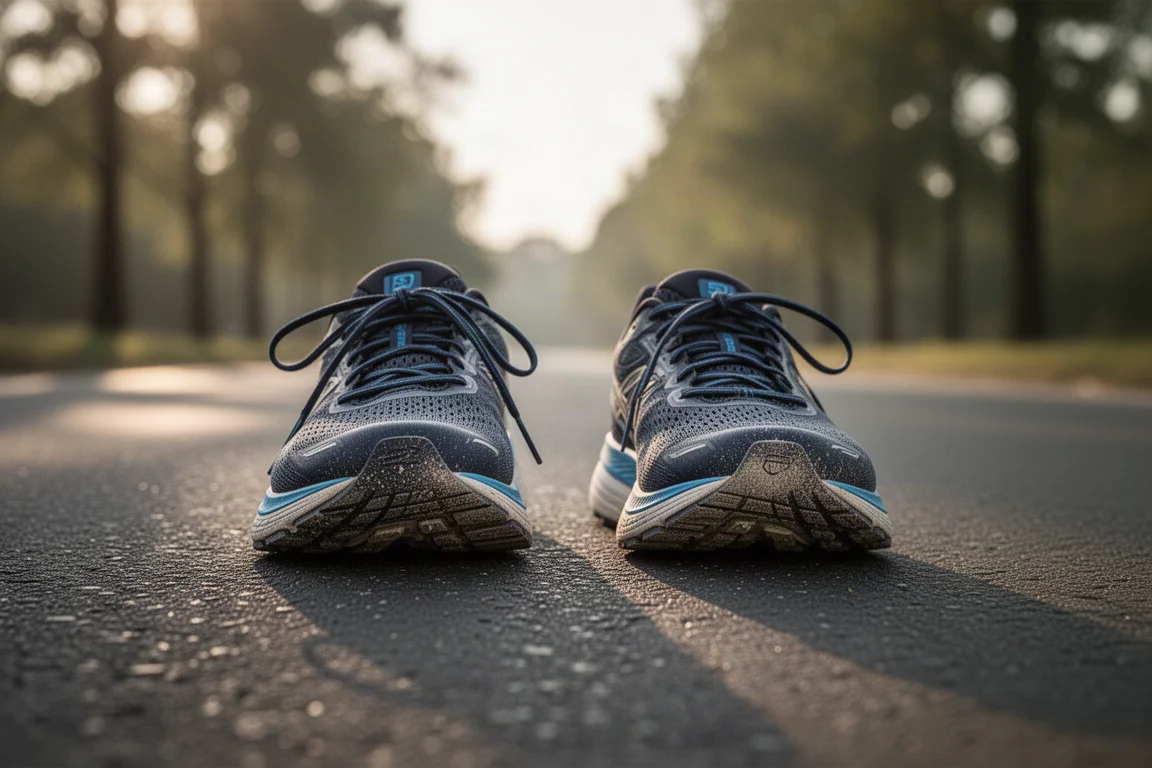
If you want a fast trainer in the middle of a rotation, both work almost equally well; it comes down to whether you prefer the lighter but bigger design of the Super Blast 2 or the punchier, plated, nimble design of the Zoom Fly 6. And if you simply do not want a plate in your shoe, the Super Blast 2 is the obvious winner. Either way, both shoes very much stand out.
Conclusion
Both of these are superb super trainers, and it is genuinely difficult to pick between them. The Nike Zoom Fly 6 edges it slightly for racing and value, while the ASICS Super Blast 2 is the more relaxed daily companion and the best plate-free option in the category. Choose based on whether you want to plate or not to plate, and how much you value the price difference.
Product link
View more details for Nike Zoom Fly 6
This product is mentioned in the review. Check the specifications, options, and compatibility before buying.
View more details for Nike Zoom Fly 6Further reading
Related Reviews

Running Shoes
Best Road-to-Trail Running Shoes: Three Versatile Options for Mixed Terrain
A practical guide to three road-to-trail running shoes that handle both pavement and mild trails, with clear strengths and trade-offs for different runner types.

Running Shoes
Best Running Shoes for Achilles Tendonitis: Three Options Explained
Three running shoes with different heel drops and support features designed to help reduce Achilles tendon pain during walking and running.

Running Shoes
Best Running Shoes for Women: Five Top Choices Ranked
A ranked guide to five women's running shoes, from versatile daily trainers to high-performance racing options, with real strengths and trade-offs for each.