Running Shoes
Nike Zoom Fly 6 vs Asics Magic Speed 4: Which $170 Plated Trainer Deserves Your Money?
Two $170 carbon-plated trainers go head to head in a wet-weather speed test, covering construction, fit, ride quality, grip, and which one we'd actually recommend.
Introduction
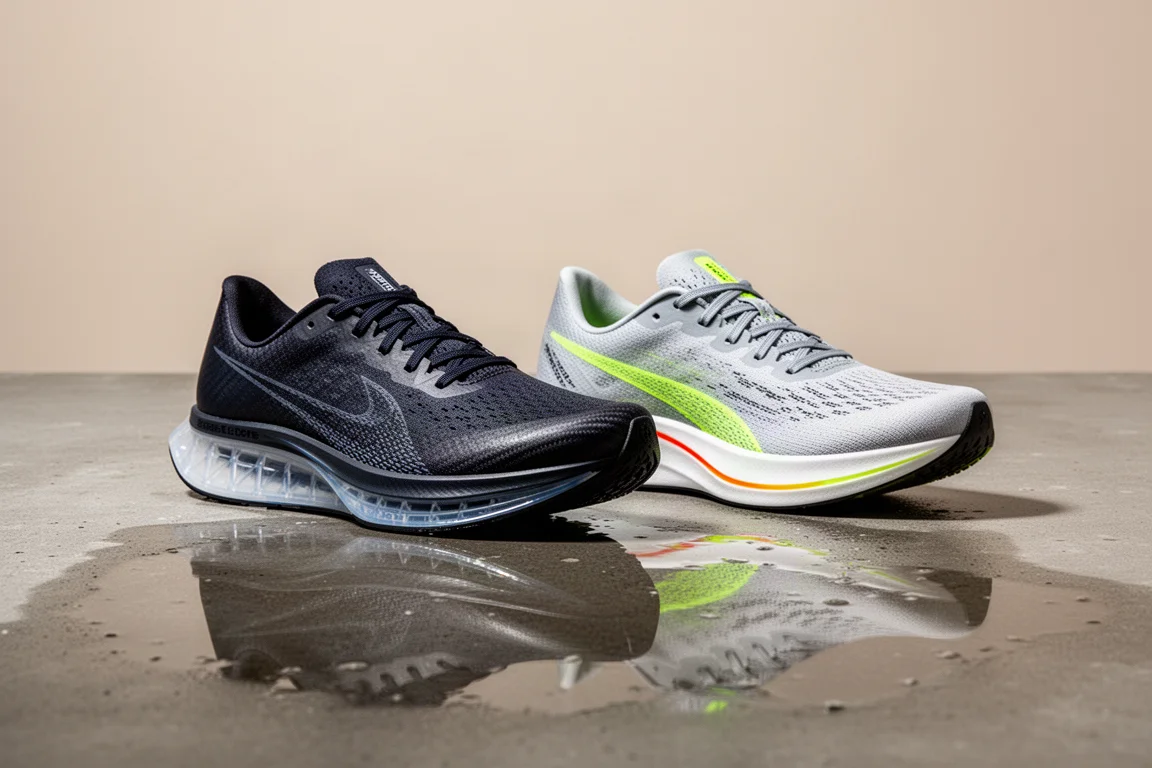
Plated trainers are supposed to be the shoes that split the difference: comfortable enough for everyday miles, aggressive enough for tempo work and race pace sessions. At $170, both the Nike Zoom Fly 6 and the Asics Magic Speed 4 sit squarely in that category, and on paper they are remarkably similar. Both blend a training foam with a race foam, both carry a carbon plate, and both are priced identically.
That similarity is exactly why a side-by-side test is worth doing. We ran both shoes through the same workout: a warmup, then repeated short intervals at 10K effort on a wet, leaf-strewn November road. The results were far from equal.
Construction: Dual Foam, Carbon Plate, Same Price
Both shoes take the same dual-foam approach, but the details differ in ways that matter. The Zoom Fly 6 pairs a ZoomX top layer above a carbon flyplate with a firmer, more cushioned training foam below. One quirk worth knowing: Nike’s marketing does not clearly advertise that the shoe is dual foam, and the ZoomX stamping on the midsole is misleading, since the top layer is technically an SR-02 Cushlon blend rather than the full ZoomX used in Nike’s racers.
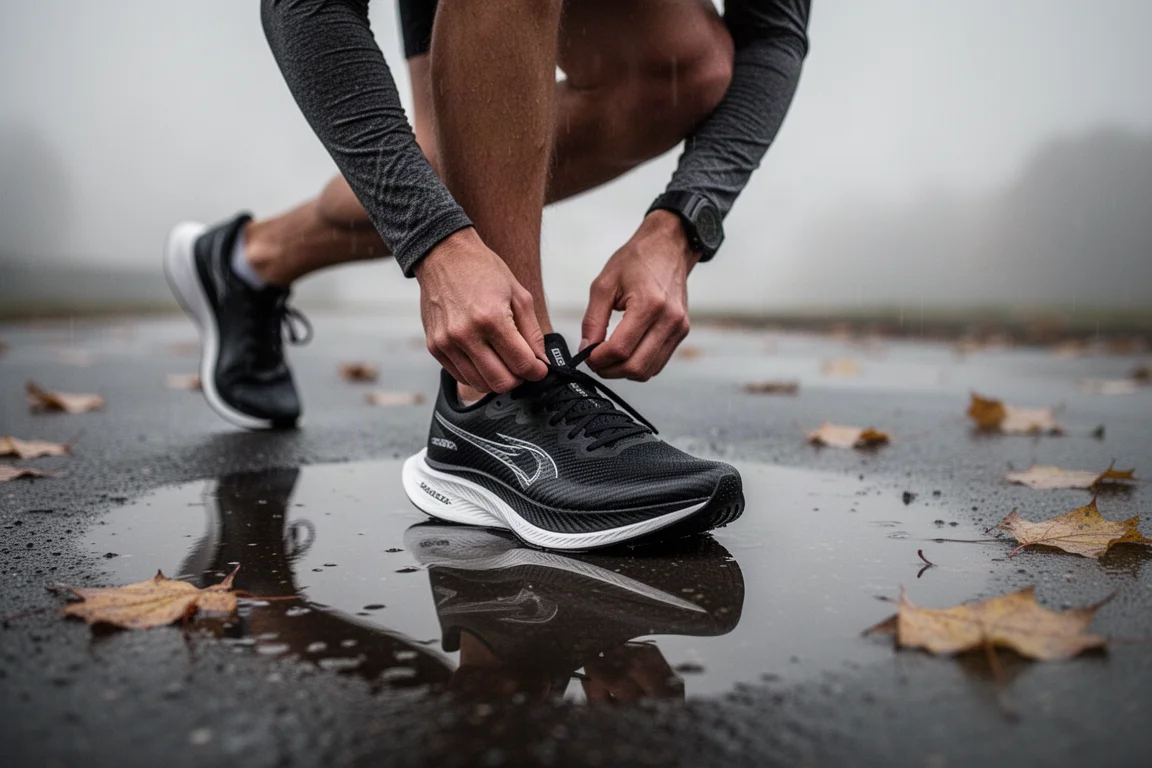
The Magic Speed 4 plays the same game. It is labeled FF Turbo on the midsole, but that race foam exists only as a puck of material above the plate in the forefoot. The rest of the midsole is FF Blast Plus, Asics’ softer everyday training foam. Running Warehouse measures the Zoom Fly at 40 mm in the heel and 32 mm in the forefoot, while the Magic Speed measures 44 mm in the heel, giving it a slightly taller platform.
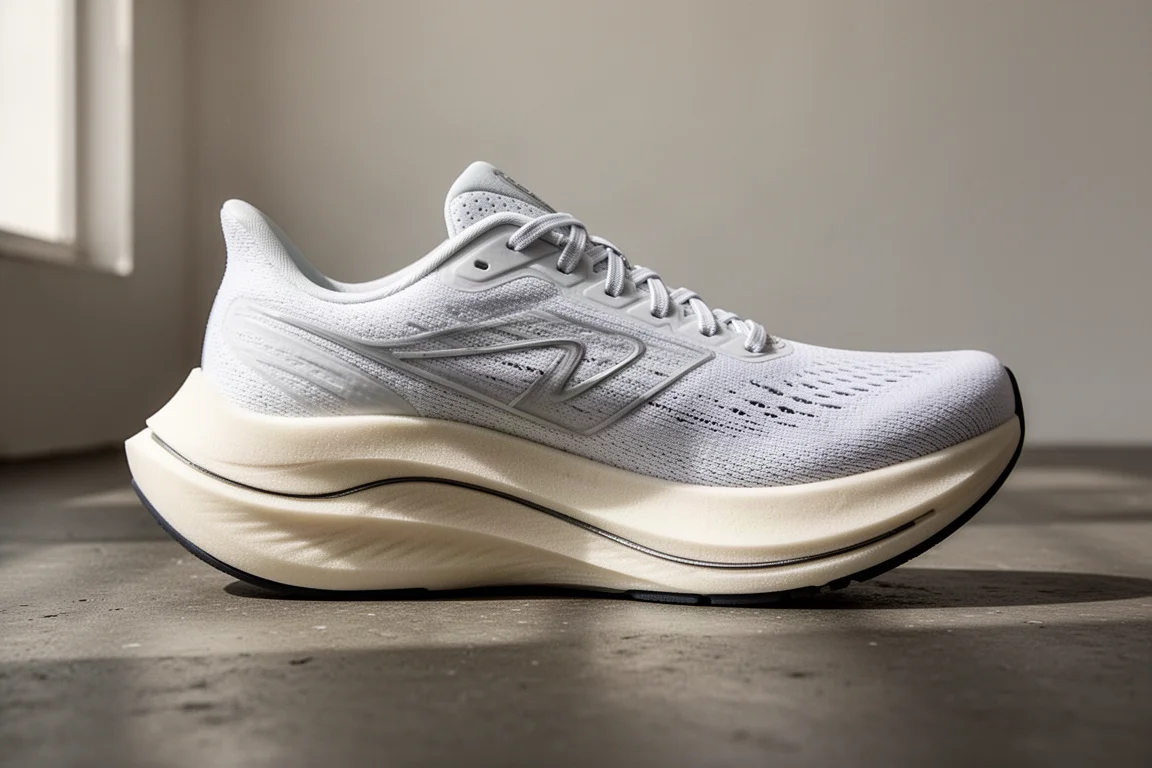
There are also geometry differences. The Zoom Fly has a heel bevel similar to Nike’s racing shoes, while the Magic Speed keeps more foam hanging off the back. The Zoom Fly is also the wider of the two, which translates into noticeably better stability at speed.
Upper and Fit: Nike Wins Decisively
This is not close. The Zoom Fly 6’s upper is excellent: well-padded around the heel, cradling without being restrictive, and lightweight while still feeling premium. It is a genuine step-in-felt-great shoe.
The Magic Speed 4’s upper, by contrast, is the weak point. The materials feel cheap, entry into the shoe is a struggle, and the fit manages to feel narrow and loose at the same time. On paper these two shoes are nearly identical; on your feet the gap is obvious within seconds.
Ride and Comfort: The Magic Speed Feels Better
Walking and jogging reveal the core difference in these platforms. In the Zoom Fly, the firmer rear foam barely compresses while the soft front layer compresses a lot, which creates an odd, disjointed ride and a sense of running directly on top of the plate in the forefoot. At easy paces it feels harsh, and even heel striking at slow speeds is the only place it feels settled.
The Magic Speed 4 feels softer and more cohesive, with a smoother roll through the stride. The trade-off is that the softer foam makes it moderately unstable at certain paces, but the ride is simply more comfortable and more balanced. At 273 g versus 258 g on our scale, the Magic Speed is also the lighter shoe, which fits its softer, less dense foam.
Speed Test: A Photo Finish
Over the interval sets, actual pace performance was roughly equivalent between the two shoes, with perhaps a slight edge to the Zoom Fly on raw split times. The catch is the feel. Running fast in the Zoom Fly meant feeling every footstrike land on the plate, with little protection or bounce in the forefoot. The faster the pace, the more it punished the front of the foot.
The Magic Speed’s forefoot race-foam puck sits exactly where soft shoes usually bottom out, and it works. There was no sensation of slamming into the plate, just a bit of extra bounce at toe-off. It is not a shoe that will blow you away while jogging, but it comes alive as the pace climbs, and it never felt uncomfortable doing it.
Grip and Wet Weather Performance
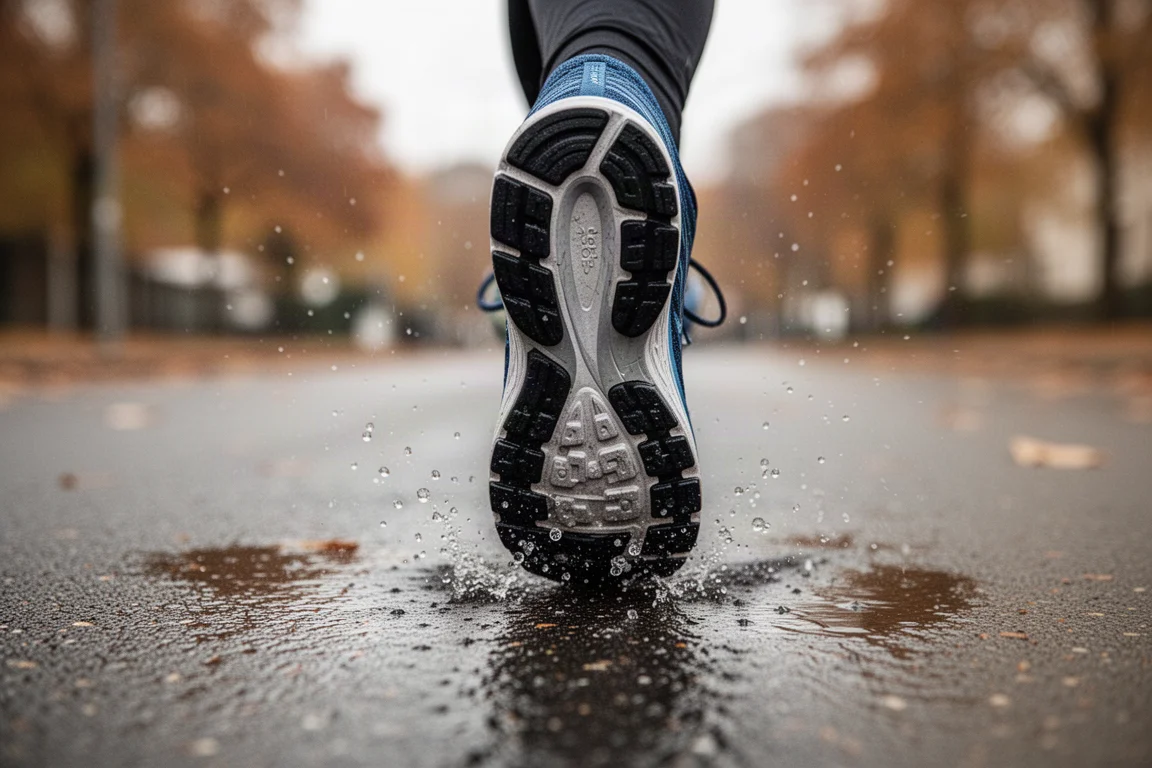
Wet pavement exposed another meaningful difference. The Zoom Fly’s outsole sticks well on dry ground but skids noticeably when the surface is damp. The Magic Speed gripped better out of the gates, with only minor sliding on the worst patches.
For anyone training through fall and winter, that margin matters. Neither shoe is a wet-weather specialist, but the Asics inspires more confidence when the roads are questionable.
The Verdict: Which One Should You Buy?
Both shoes illustrate the point of this category: blending everyday running foam and comfort with the plate and race foam of a true racing shoe. That makes versatility the deciding factor, and the Magic Speed 4 is far more versatile. It handled warmup miles, fast intervals, and cooldown jogging without a single genuinely uncomfortable stretch.
The Zoom Fly 6 can run fast, but the feel is not there. The forefoot offers too little protection, and the shoe never transformed at any pace during testing. Its strengths are the upper, the looks, the stability, and slightly quicker splits, which are real strengths, just not enough to offset the forefoot experience at this price.
Neither shoe replaces a true race shoe or a max-cushion daily trainer. If pure race-day performance is the goal, look higher up the price ladder. But if you want one $170 shoe for tempo runs, marathon pace work, and comfortable everyday miles, the Magic Speed 4 is the easier recommendation.
Conclusion
The Nike Zoom Fly 6 and Asics Magic Speed 4 are nearly identical on paper and sharply different in practice. Nike wins on upper, fit, stability, and swag. Asics wins on comfort, ride quality, grip, and overall versatility, which is what this category is supposed to be about. For most runners shopping for a plated trainer at $170, the Magic Speed 4 earns the nod.
Product link
View more details for Nike Zoom Fly 6
This product is mentioned in the review. Check the specifications, options, and compatibility before buying.
View more details for Nike Zoom Fly 6Further reading
Related Reviews

Running Shoes
Best Road-to-Trail Running Shoes: Three Versatile Options for Mixed Terrain
A practical guide to three road-to-trail running shoes that handle both pavement and mild trails, with clear strengths and trade-offs for different runner types.

Running Shoes
Best Running Shoes for Achilles Tendonitis: Three Options Explained
Three running shoes with different heel drops and support features designed to help reduce Achilles tendon pain during walking and running.

Running Shoes
Best Running Shoes for Women: Five Top Choices Ranked
A ranked guide to five women's running shoes, from versatile daily trainers to high-performance racing options, with real strengths and trade-offs for each.