Running Shoes
Nike Zoom Fly 6 vs Adidas Adizero Boston 12: Which Lightweight Trainer Fits Your Running?
Two very similar lightweight trainers with meaningful differences in ride, stability, and fit. Here is how to choose between them.
Introduction
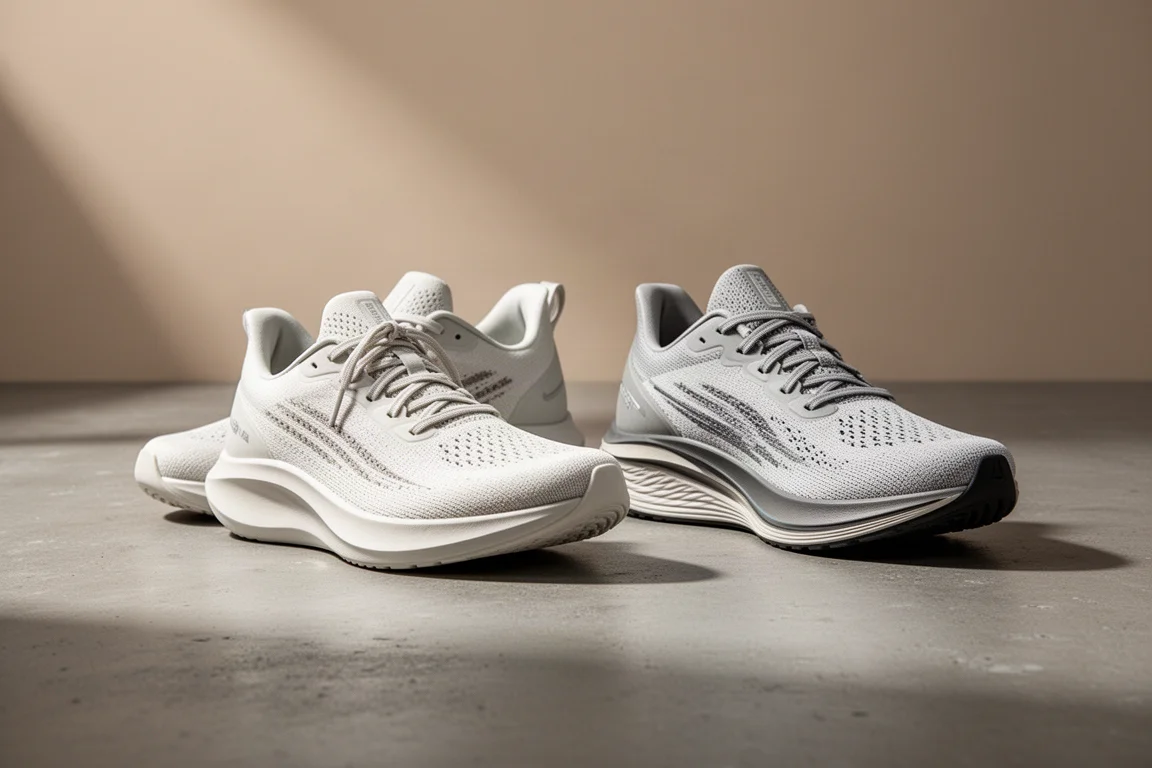
The Nike Zoom Fly 6 and the Adidas Adizero Boston 12 occupy nearly the same space: lightweight trainers that double as performance trainers. The Zoom Fly has only recently earned that description, since earlier versions were heavier and clunkier. This generation dropped a lot of weight and was redesigned from the ground up. The Boston 12, by contrast, has been a long-running favorite as an alternative racing and training shoe that works for a wide variety of runners.
Because the two are so similar, the real question is not which one is better overall, but which one better matches your mechanics, paces, and fit preferences. Here is how they stack up.
Specs and Weight
Both shoes are genuinely light, but the Zoom Fly 6 makes a bigger jump forward. In a men’s size 10, it weighs about 8.9 oz (roughly 254 g), which is far lighter than previous Zoom Fly versions. The Adizero Boston 12 comes in at about 9.2 to 9.3 oz (roughly 262 g) in the same size.
Stack height also differs slightly. The Zoom Fly 6 runs a 40 mm heel and 32 mm forefoot for an 8 mm drop. The Boston 12 measures 35 mm in the heel and 28 mm in the forefoot for a 6.5 mm drop. Both are low-profile trainers, but the Zoom Fly sits a little taller.
Ride and Responsiveness
Despite similar setups, the rides feel noticeably different. The Boston 12 is a tiny bit more flexible because its carbon fiber rods are snappy while still allowing a little give, which makes the shoe feel livelier and quicker to respond. The Lightstrike Pro and Lightstrike midsoles are bouncy and responsive.
The Zoom Fly 6 uses a full carbon fiber Flyplate and feels stiffer and stripper underfoot. Its foam is softer and a touch more comfortable, which helps on easier runs, but it does not have quite the pop of the Boston.
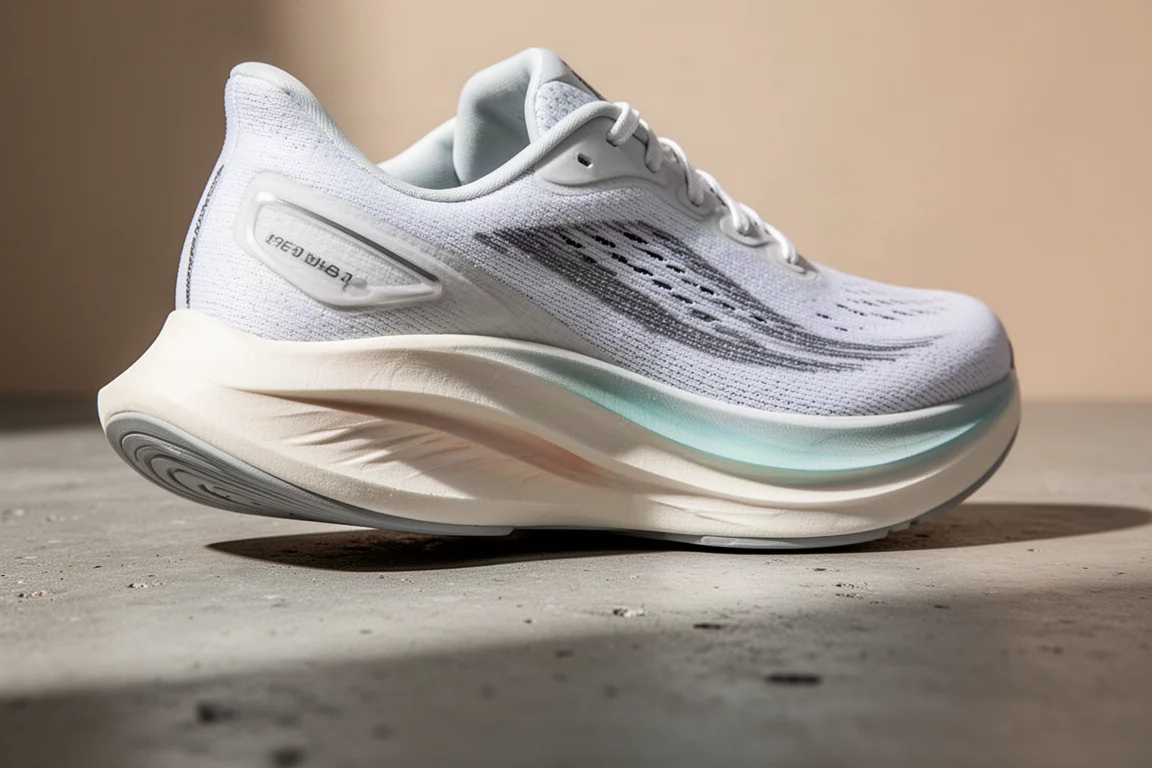
In practice, both shoes have handled a huge range of running. The Zoom Fly 6 has been used for roughly 35 miles of testing including easy runs, a hill workout, track intervals, and a tempo run, and it rolls comfortably through all of them. The Boston 12 has well over 100 miles in it and has been excellent for almost everything, with long runs being the one exception for some testers, mostly because it is not quite as stable through the midfoot.
Guidance and Stability
Neither shoe is a stability shoe, but both offer different kinds of guidance. The Zoom Fly 6 is more centered along the whole length of the shoe, with a slightly wider platform, a central groove, and extra side-to-side stiffness that makes it inherently a bit more stable without pushing you in any direction.
The Boston 12 is more biased in certain directions. It leans toward the lateral side at the heel, which can be helpful for runners who need a bit of heel guidance, while extensions of the carbon rods under the midfoot push you back inward if you roll out too much. The forefoot is fairly well centered.

If you do not want any directional bias, the Zoom Fly 6 is the safer pick. If your mechanics benefit from that specific Boston 12 guidance, it can be a great match, but that depends on how you run.
Fit and Upper Differences
Fit is where the two diverge most. The Zoom Fly 6 has a more anatomic fit with a much rounder toe box, and plenty of forefoot room. Its volume is lower, though, with a low instep and midfoot, so it can even feel slightly short at first because of the low upper height.
The Boston 12 has a more pointed toe box but a bit more vertical volume, and the upper is slightly thicker and more structured, which also makes it a little more adjustable.
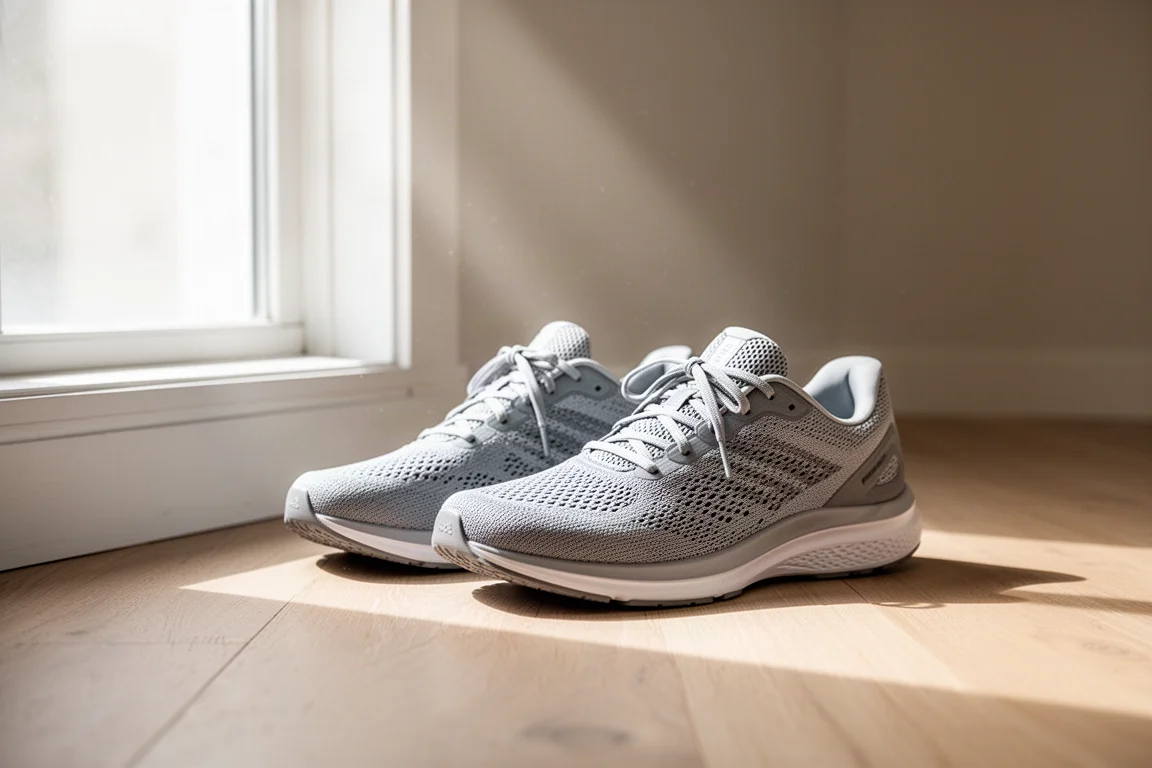
A few more fit details worth weighing: the Zoom Fly 6’s stiffer heel counter suits runners who want that locked-in feel, while the Boston 12’s less aggressive heel counter is a little more forgiving. If you want a lighter upper, the Zoom Fly 6 wins; if you want more structure and material, the Boston 12 is the better option.
Which One Should You Buy?
Choose the Boston 12 if you want the snappier, bouncier, slightly firmer ride with a bit more forefoot height and pointed fit. It edges out the Zoom Fly 6 for faster paces and dedicated workout days.
Choose the Zoom Fly 6 if you want a slightly softer, stiffer ride that rolls more comfortably at easier paces, a rounder toe box with more width but lower volume, and a more neutral, centered platform.
Both are excellent workout and racing shoes for a large group of runners for whom more aggressive super shoes are not ideal. They also work well as training companions to super shoes on race days, offering similar character without being as aggressive or unstable as models like the Alphafly or Adios Pro family. Worth noting as well: a Boston 13 is expected to arrive soon, so it may be worth watching for if you like this formula.
Conclusion
The Zoom Fly 6 and Boston 12 are very similar shoes with distinct personalities. The Boston 12 brings the snap for faster efforts, while the Zoom Fly 6 brings comfort for easy days and a neutral, centered ride. Match the ride character and fit shape to your own running, and either one will serve you well across workouts, easy miles, and race day.
Product link
View more details for Nike Zoom Fly 6
This product is mentioned in the review. Check the specifications, options, and compatibility before buying.
View more details for Nike Zoom Fly 6Further reading
Related Reviews

Running Shoes
Best Road-to-Trail Running Shoes: Three Versatile Options for Mixed Terrain
A practical guide to three road-to-trail running shoes that handle both pavement and mild trails, with clear strengths and trade-offs for different runner types.

Running Shoes
Best Running Shoes for Achilles Tendonitis: Three Options Explained
Three running shoes with different heel drops and support features designed to help reduce Achilles tendon pain during walking and running.

Running Shoes
Best Running Shoes for Women: Five Top Choices Ranked
A ranked guide to five women's running shoes, from versatile daily trainers to high-performance racing options, with real strengths and trade-offs for each.