Running Shoes
Nike Zoom Fly 6 Review: A Genuine Return to Form for Nike's Hybrid Trainer
Lighter, bouncier and better priced than the unpopular Zoom Fly 5, the Zoom Fly 6 looks like the do-it-all plated trainer many runners have been waiting for.
Introduction
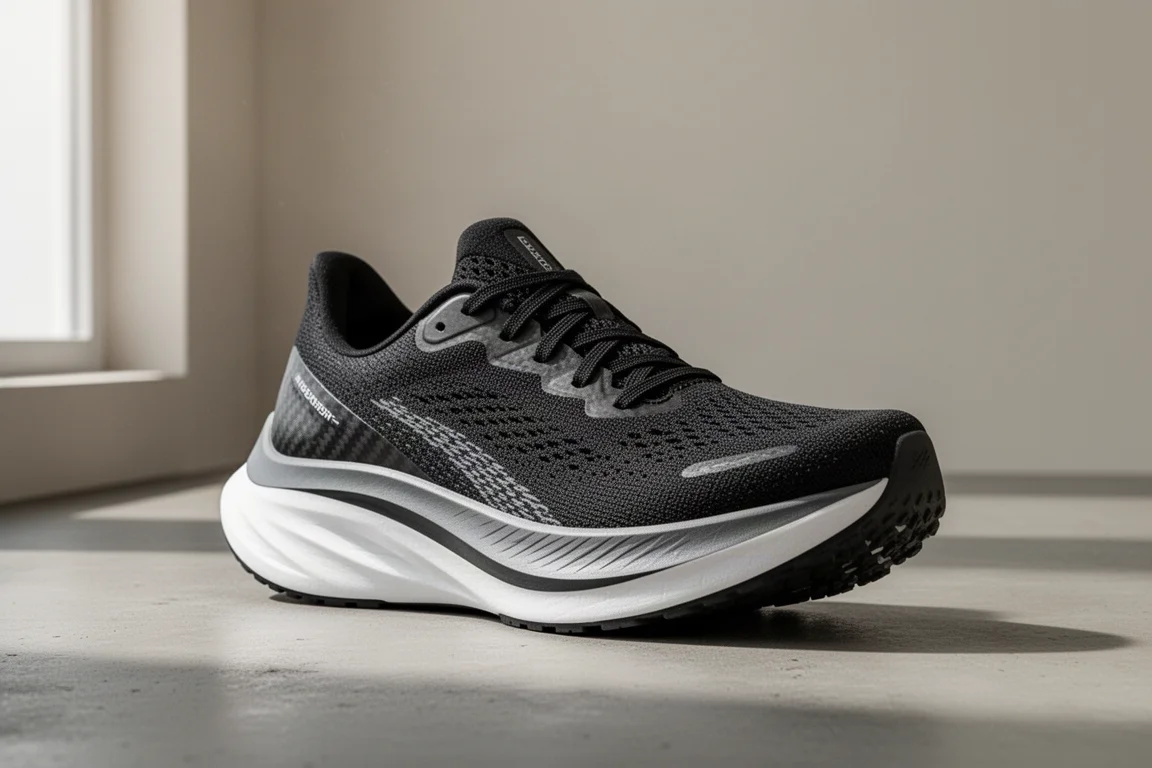
The Zoom Fly 6 arrives with a lot riding on it. The outgoing Zoom Fly 5 was a misstep for many runners: overweight, bulky and slow, and Nike has been losing ground in the super trainer segment while other brands sharpened their offerings. The Zoom Fly 6 is Nike’s latest hybrid training and racing shoe, and it comes with big updates, a bold redesign and a competitive price.
I bought this pair with my own money, so what follows is an honest take on whether this is a genuine return to form or another miss.
Who This Product Is For
This is an everyday race shoe: something designed to carry your key training workouts, but also one you can line up at a start line and feel confident in. It suits runners who want a do-it-all plated shoe that is long-lasting and durable without completely breaking the bank.
If you consider yourself more of a mid-pack runner, someone for whom running is not their entire life, this makes a lot of sense. Instead of spending heavily on a premium racing super shoe and then needing a second shoe to pair with it, this one covers tempo work, marathon-pace blocks, easy pace running and race day reasonably well.
What Changed from the Zoom Fly 5
The design changes are substantial. The midsole is now a full-length slab of Nike’s flagship ZoomX foam with an EVA foam underneath it, replacing the recycled ZoomX and EVA blend of the version 5. The ZoomX on top delivers the poppy, responsive ride, while the more hardwearing EVA below handles durability. Between the two foams sits Nike’s carbon fiber fly plate. The plate is not as stiff as the one in the Vaporfly or Alphafly; it is softer and bouncier, giving stability and a good amount of speed rather than an all-out race feel.
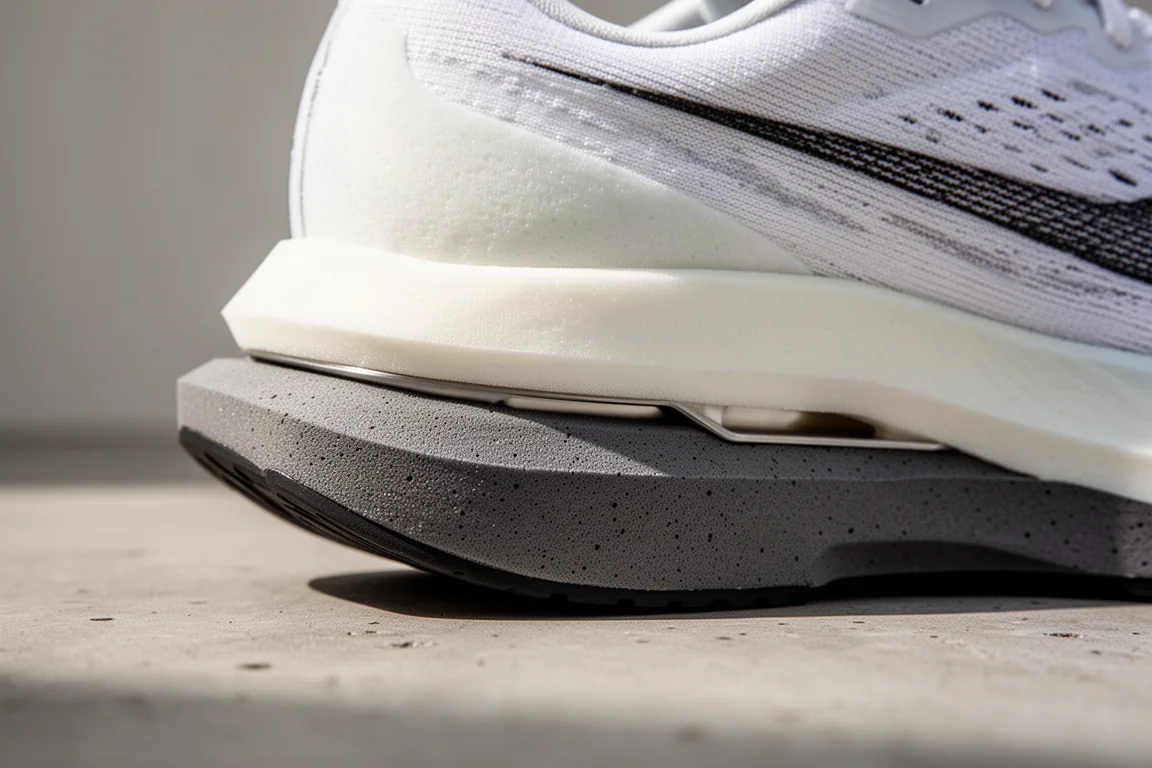
The upper has been completely redesigned with two layers of woven mesh that hug the top of the foot nicely. It is partly gusseted, with the tongue stitched slightly into the upper, and it holds in place well.
Key specs:
- Stack height: 42 mm, just above the legal limit, with an 8 mm drop
- Weight: 322 g in a UK size 12, versus 359 g for the Zoom Fly 5, roughly 10% lighter
- Price at review: £155 direct from Nike in the UK, about £10 more expensive than the outgoing version
- Outsole: rubber waffle tread with a big rubber block at the front and two sections at the heel
- Fit: true to the AlphaFly, Pegasus Turbo and regular Pegasus; a surprising amount of width for wider feet, though no dedicated width options, and separate men’s and women’s versions
Main Strengths
The first standout is the comfort-to-speed ratio. The heel counter has a good amount of padding for solid lockdown, with no slippage, no blisters and no hot spots. The foot feels secure without any need for heel-lock lacing. The plate provides stability without sacrificing speed, and the relative effort versus pace is genuinely surprising: the shoe goes faster than the effort you put in. Combined with the comfort levels, it also works well for long runs, marathon-pace blocks and easy days, or simply as a shoe you can wear for a very long time during marathon training.

It is also a surprisingly quick shoe. The weight reduction is significant and very welcome, and the weight now feels right for this type of shoe. The rocker gives a lovely feeling through footstrike and leads to a super smooth turnover. During fast interval sessions around 3:05 to 3:25 per kilometre, it was easy to look forward to the next rep. The midsole mashup is responsive, and you can cruise at whatever pace you dial in for a long time.
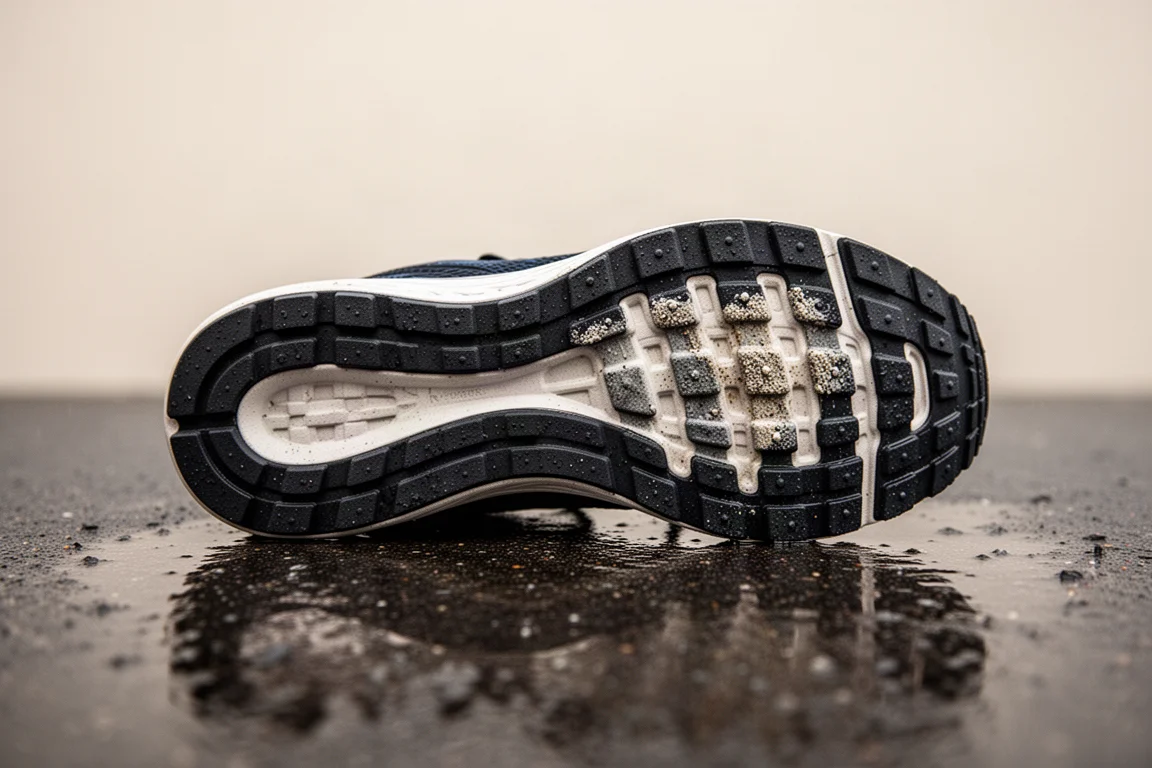
The third strength is value. The build quality appears durable and well put together, even if the upper material is not the prettiest and might run a little warm in summer. In winter, airflow through the upper is actually quite nice, and the waffle outsole grip proved excellent in slightly wet conditions with leaves around, with no slippage at all. Carbon-plated shoes are hard to find at this price, and it is £10 cheaper than the Pegasus Plus, which has no plate at all. For most people, this cheaper Zoom Fly delivers far more value and versatility.
Things to Consider Before Buying
Two drawbacks are worth noting. First, in typical Nike fashion, the shoe is a little noisy. It is not particularly slappy, just loud, and several runners have commented on it. The good news is that the waffle outsole grip is genuinely strong, making it a great winter training option.
Second, the rear stability might put off heel strikers. If you strike at the back of the shoe, the footstrike can feel a little unstable. As a midfoot striker, I had no issues, but it is something to consider if you land heavily on your heel.
Buying Advice
Is it worth the upgrade from the Zoom Fly 5? Absolutely. This is light years better than the outgoing model, and if you liked the version 5, you should still like this one. The version 5 was particularly good for heavier runners thanks to the protection underfoot, and the version 6 keeps that protection in a lighter package that is less likely to bottom out. It also cruises nicely at tempo and steady paces.
If you want an all-out racing super shoe, the Zoom Fly 6 does not match the performance ceiling of an Alphafly or Vaporfly. But at this price point, it could be the one do-it-all shoe that picks up the pace when you need it to, without the £500 total spend of pairing a premium racer with a daily trainer.

Conclusion
Nike has finally delivered a Zoom Fly that is lightweight, responsive, comfortable and affordable. The shoe is a strong update, well executed where the previous version stumbled. For anyone after a versatile, durable, carbon-plated hybrid trainer at a sensible price, the Zoom Fly 6 is very easy to recommend.
Product link
View more details for Nike Zoom Fly 6
This product is mentioned in the review. Check the specifications, options, and compatibility before buying.
View more details for Nike Zoom Fly 6Further reading
Related Reviews

Running Shoes
Best Road-to-Trail Running Shoes: Three Versatile Options for Mixed Terrain
A practical guide to three road-to-trail running shoes that handle both pavement and mild trails, with clear strengths and trade-offs for different runner types.

Running Shoes
Best Running Shoes for Achilles Tendonitis: Three Options Explained
Three running shoes with different heel drops and support features designed to help reduce Achilles tendon pain during walking and running.

Running Shoes
Best Running Shoes for Women: Five Top Choices Ranked
A ranked guide to five women's running shoes, from versatile daily trainers to high-performance racing options, with real strengths and trade-offs for each.