Running Shoes
Nike Zoom Fly 6 First Impressions: A Rebuilt Super Trainer That Finally Gets It Right
A full shake-down of Nike's rebuilt carbon-plated super trainer after a 9-mile first run, covering fit, the dual-layer ZoomX midsole, weight savings and what to check before buying.
Introduction
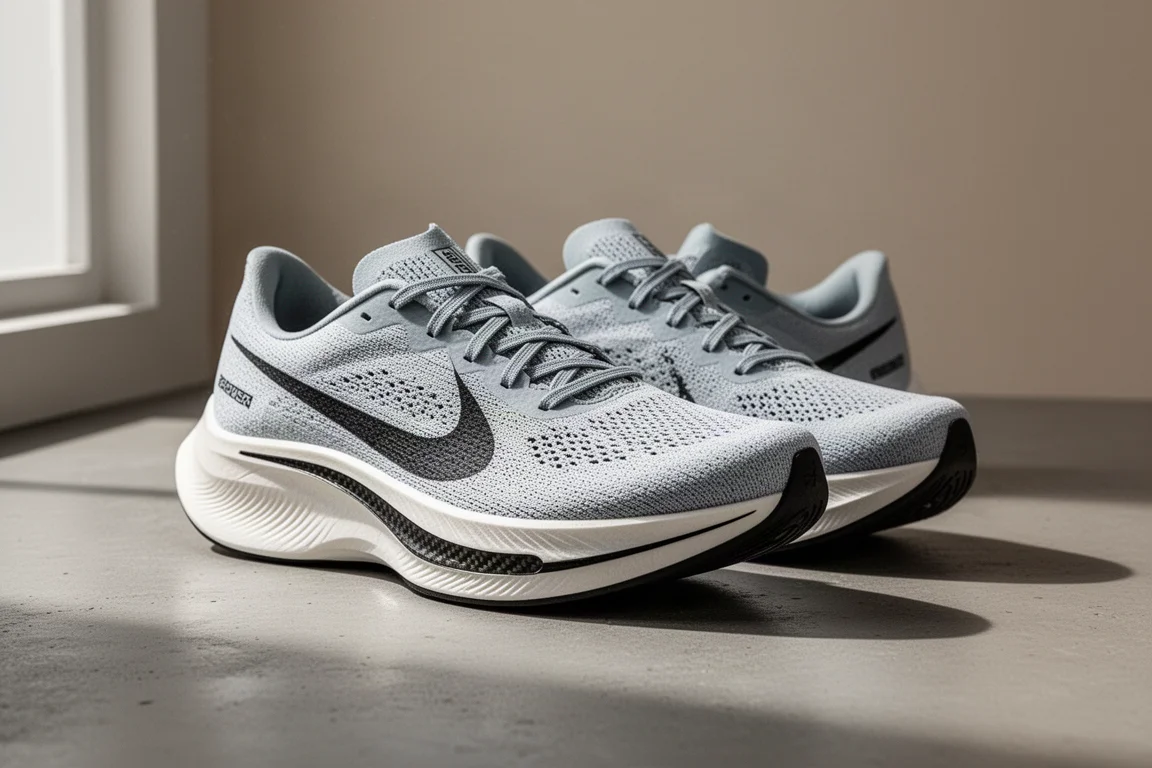
Nike has rebuilt the Zoom Fly from the ground up, and that is exactly what the previous version needed. The Zoom Fly 5 earned a poor reputation among runners, so expectations for the Zoom Fly 6 were mixed going in. After lacing them up indoors and taking them straight out for a first run of just over nine miles, the early signs are genuinely encouraging.
The headline numbers tell much of the story. The Zoom Fly 6 costs £149.99 direct from Nike, which undercuts several direct rivals: the Hoka Mafate-era rivals sit at £170, the New Balance SuperComp Trainer V3 at £230, and the ASICS SuperBlast 2 at £200. Weight drops dramatically too, from 314g in a US 9 for the outgoing model to just 265g, a 49g saving. The heel offset comes down from 10mm to 8mm, and the midsole is now a dual-layer design very similar to Nike’s flagship AlphaFly 3.
Who This Product Is For
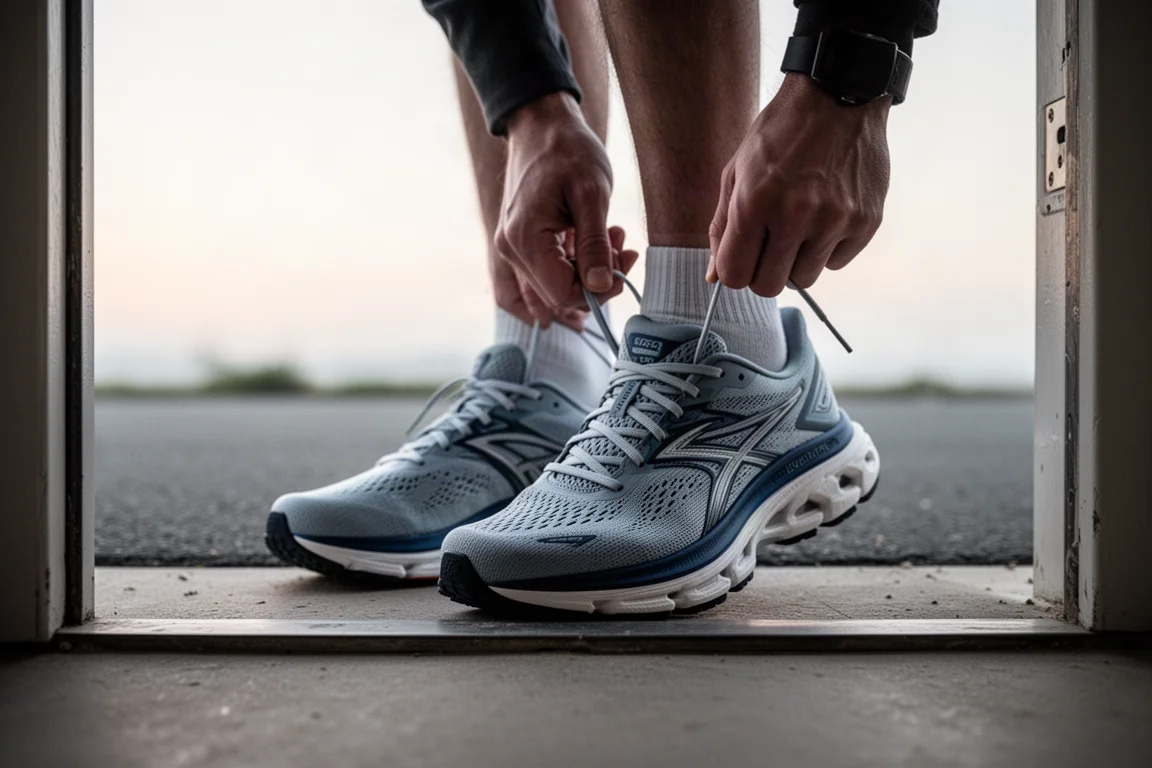
The Zoom Fly 6 is aimed at runners who want a performance-driven trainer for faster training miles rather than a stripped-down race shoe, though it is capable of race day duty. If you liked the idea of a carbon-plated daily-adjacent trainer but were put off by the heavy, poorly received Zoom Fly 5, this is the version to look at.
Main Strengths
Upper and Fit
The upper is a lightweight, highly breathable engineered mesh with a plusher internal fabric. The thin gusseted tongue uses zonal padding that thickens toward the top, keeping lace pressure comfortable across the instep when locked down tight at the midfoot. Padding around the ankle collar and heel is well judged, and a substantial heel cradle with a slight flare adds structure and support. On the run it delivered a secure heel hold, a solid midfoot lockdown and no rubbing or irritation.
Midsole and Ride Performance
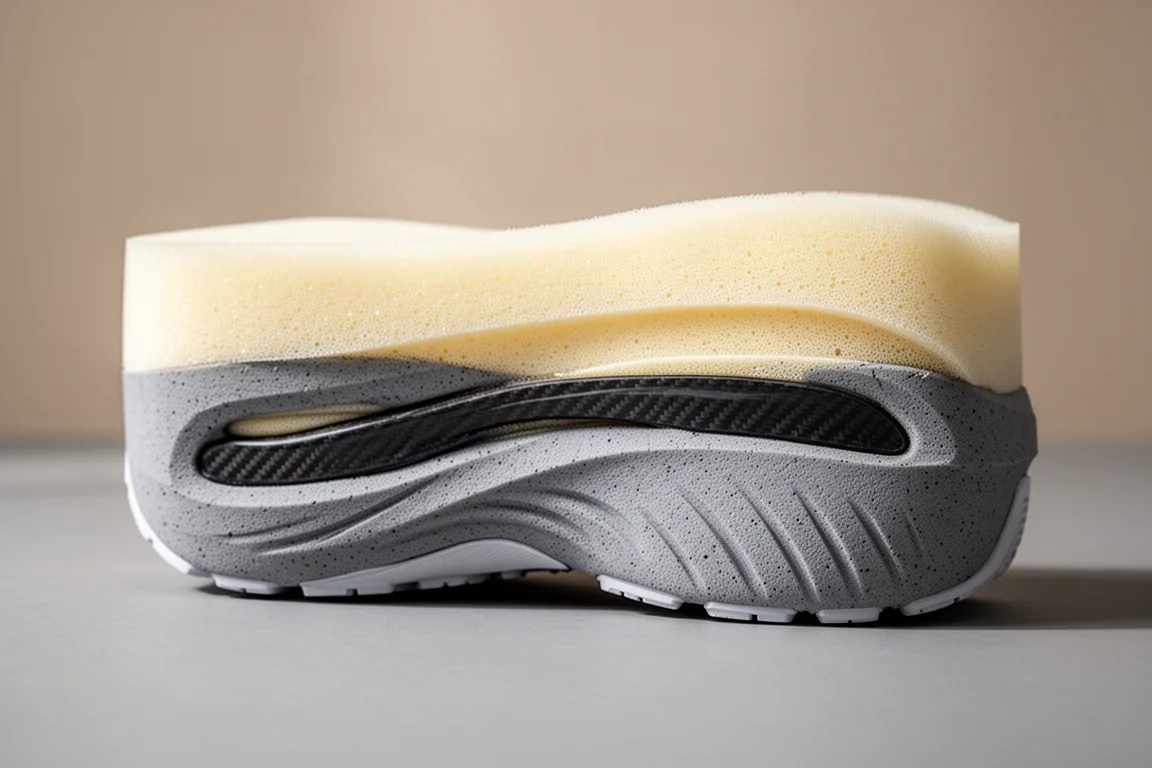
The dual-layer midsole pairs high-energy ZoomX foam with a slightly firmer, more stable SR-02 EVA, sandwiching a full-length carbon fiber fly plate between them. Stack height measures 42mm at the heel and 34mm under the forefoot, reportedly the highest midsole stack of any current Nike running shoe.
In practice this is the shoe’s standout feature. At easy and steady paces the midsole feels plush and comfortable underfoot, and when the tempo rises the ZoomX comes alive, feeling snappy and efficient with plenty of energy return. The EVA layer adds a planted, stable feel, so you get performance and composure in one package, which is precisely what you want from a trainer. The plate itself is subtle rather than propulsive, but the overall balance works.
Weight and Handling
At 265g in a US 9 the Zoom Fly 6 is still on the heavier side for a super shoe. The ASICS SuperBlast 2 is around 250g, and the Saucony Endorphin Speed 4 is notably lighter at 233g. In practice, however, the shoe never ran heavy. It felt nimble and responsive underfoot, and the weight was a non-issue over the full test run.
Things to Consider Before Buying
Sizing is the main caution. The toe box runs typical Nike width, neither wide nor especially narrow, but it becomes very shallow toward the tip. During the run, the tester could feel a big toe touching the end as feet expanded, and a half size up to a UK 10 would have been the better choice for longer training runs or a marathon. On short runs it is fine, and the soft upper prevented any real discomfort.
The 8mm heel offset is an improvement over the old 10mm, but the big rear foam chunk still makes the heel feel dominant, closer to a higher offset in practice. A 6mm version would likely suit runners who prefer a lower drop.
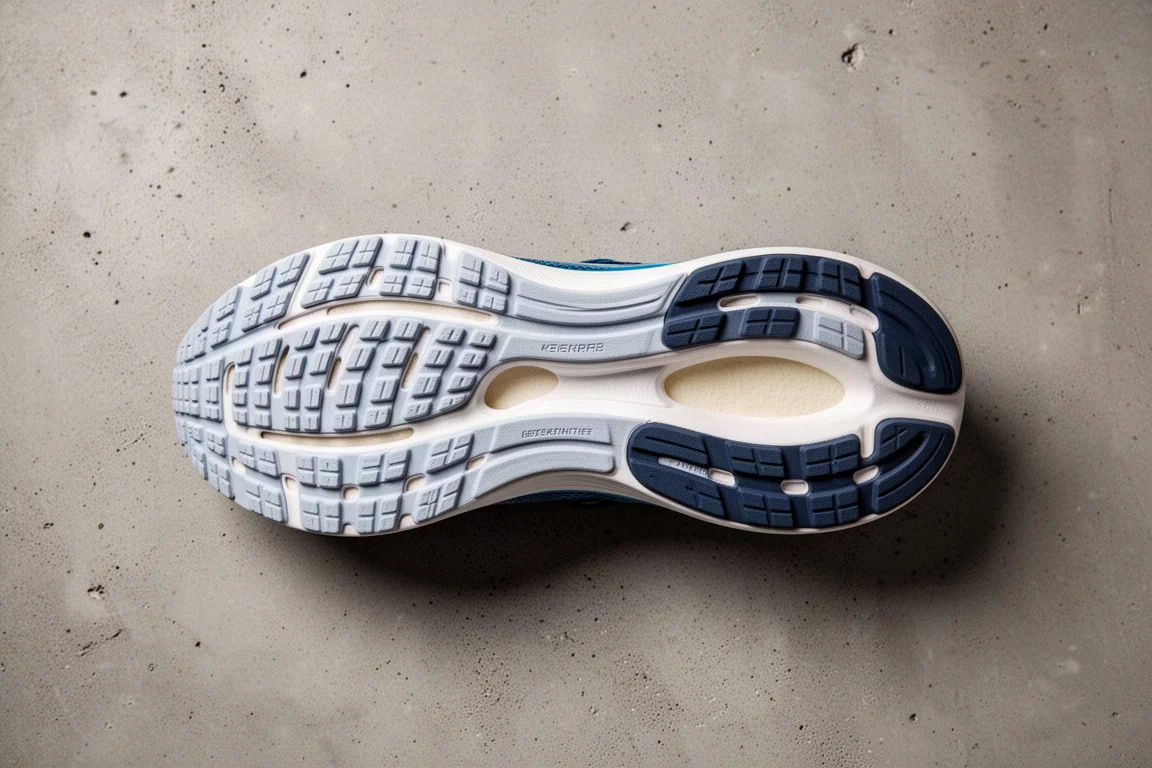
On the upside, the midfoot cutout in the outsole, designed to aid flexibility, did not pick up a single stone over the test run, which is worth knowing given how annoying that can be on plated shoes.
Grip, Durability Details and First-Run Verdict
The blown rubber on the forefoot and two heel sections proved excellent on greasy pavements and leaf-strewn ground, feeling almost sticky underfoot. Over 9 miles, including two miles at just under seven-minute-mile pace with a tailwind, the shoe stayed comfortable, stable and efficient from start to finish. This was a cold, windy day with gusts reported up to 40mph, and the Zoom Fly 6 gave no complaints.
Buying Advice
At £149.99, the Zoom Fly 6 is competitively priced against its carbon-plated rivals while offering a genuine rebuild rather than an incremental update. Order a half size up if you plan marathon-distance training or racing in them, especially if you have longer toes. If your priorities are comfort, stable speed and versatility across training paces, this is an easy recommendation at this stage; a longer-term verdict will depend on how the midsole holds up over more miles.
Conclusion
Judging by the negativity around the Zoom Fly 5, Nike had a lot to fix, and the Zoom Fly 6 appears to have done exactly that. The dual-compound midsole strikes a near-ideal balance of performance, comfort and stability, the upper is plush without being flimsy, and the 49g weight saving is meaningful. The shallow toe box and the still-noticeable heel are minor complaints rather than dealbreakers. On first impressions, this is a strong return to form for Nike’s super trainer line.
Product link
View more details for Nike Zoom Fly 6
This product is mentioned in the review. Check the specifications, options, and compatibility before buying.
View more details for Nike Zoom Fly 6Further reading
Related Reviews

Running Shoes
Best Road-to-Trail Running Shoes: Three Versatile Options for Mixed Terrain
A practical guide to three road-to-trail running shoes that handle both pavement and mild trails, with clear strengths and trade-offs for different runner types.

Running Shoes
Best Running Shoes for Achilles Tendonitis: Three Options Explained
Three running shoes with different heel drops and support features designed to help reduce Achilles tendon pain during walking and running.

Running Shoes
Best Running Shoes for Women: Five Top Choices Ranked
A ranked guide to five women's running shoes, from versatile daily trainers to high-performance racing options, with real strengths and trade-offs for each.