Running Shoes
Nike Zoom Fly 5 vs the Rest: Four Alternatives Worth Considering
We put the Nike Zoom Fly 5 up against the Tempo Next%, Reebok Floatride Energy X, Hoka Rocket X and Puma Deviate Nitro to see where it wins and where cheaper options do the same job.
Introduction
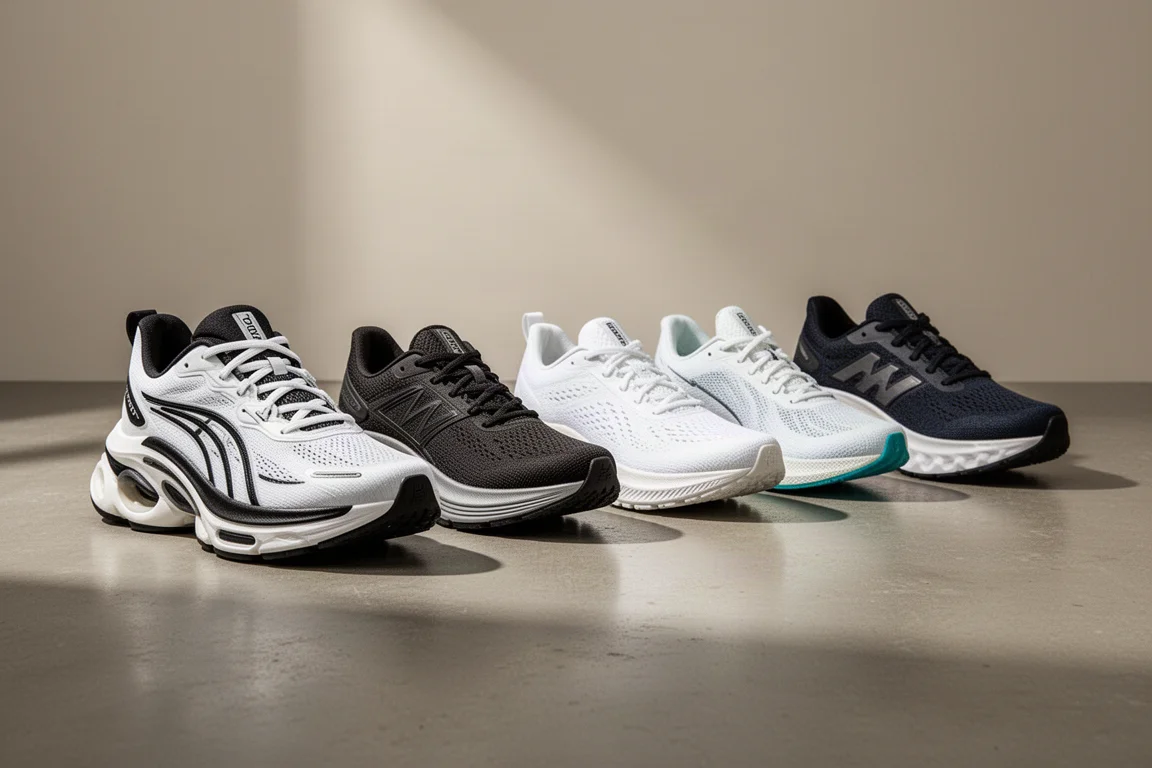
The Nike Zoom Fly 5 is an enjoyable shoe, but more as a steady cruiser with the ability to go a bit faster when needed. In this comparison it goes up against four rivals from Nike, Reebok, Hoka and Puma, and the pattern that emerges is consistent: several of these shoes cover the same use cases for less money, and some are lighter and nimbler too.
If you are shopping in the plated trainer space, the good news is that there is real choice here, including some aggressive discounts worth hunting down.
How These Shoes Compare
The Zoom Fly 5 sits firmly in the training category, with a carbon plate, a generous amount of foam, a wide midfoot and heel platform and a very stable, cupped feeling around the heel. It rides comfortably at steady paces and will pick up the pace when asked.
What works against it is weight and durability. It is noticeably heavier than every shoe in this comparison in matching sizes, and wear is already visible on the outsole, particularly at the lateral heel. Nike’s recent rubber seems to wear down quickly across several models, including this one.

With that baseline set, here is how each alternative stacks up.
Nike’s Own Rival: Tempo Next%
The Tempo Next% is a viewer-requested comparison and a very different character. It is a highly aggressive shoe that does not invite slow running. It is about 33 grams (1.2 ounces) lighter than the Zoom Fly 5, more flexible thanks to a carved-out midsole section and a nylon plate rather than carbon, and it delivers a more forgiving toe-off.
The Zoom Fly 5 fights back with a carbon plate, more foam and greater rigidity, plus that stable, cupped heel. But for outright speed, the Tempo Next% is the better of the two: it feels like there is less shoe on your foot, and it is the quicker and nimbler option here. One caveat: both shoes are loud on the road, and the Tempo Next% has a strange hollow slap to it. It also showed wear at the lateral heel after roughly 30 miles. Even at a higher price, it would be the pick between these two.
Budget Long Run Pick: Reebok Floatride Energy X
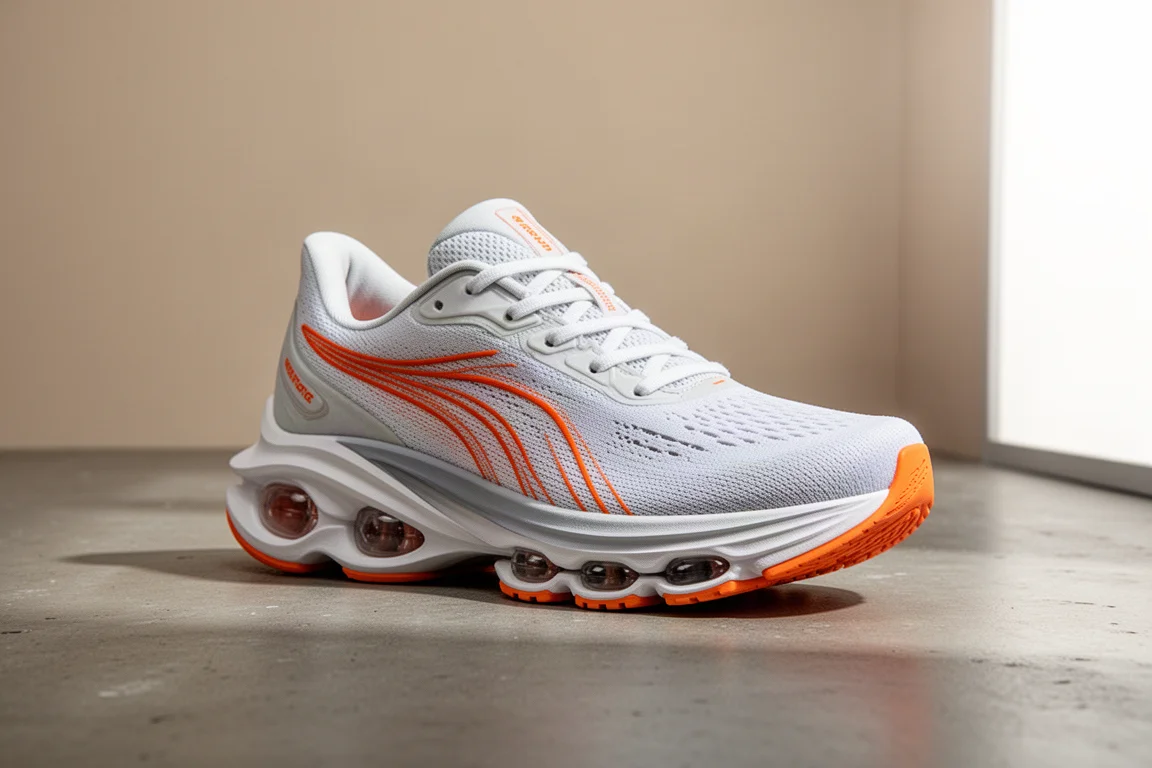
The Floatride Energy X weighs 295 grams (10.4 ounces) in a UK 11 / US 12, making it around 44 grams (1.5 ounces) lighter than the Zoom Fly 5. It uses only a partial plate running from midfoot to forefoot, with softer, more compressive Floatride foam underfoot and a sliver of Floatride Plus beneath the plate.
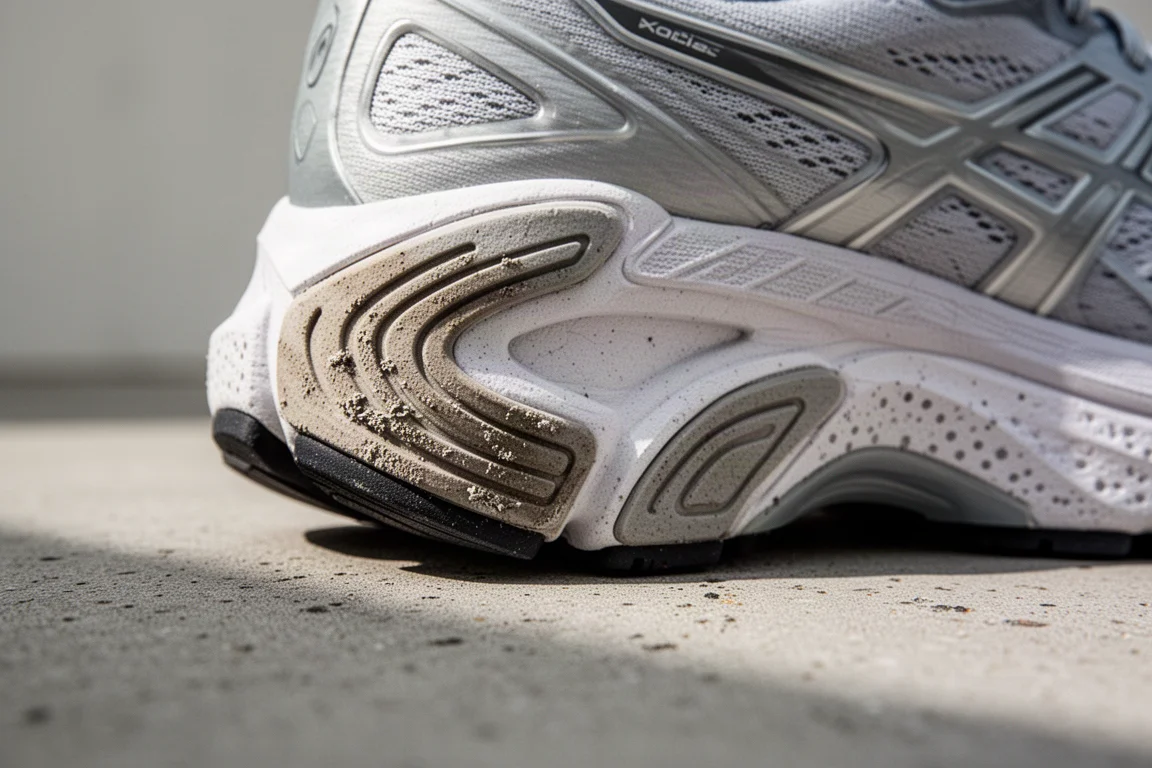
There is nowhere near the rigidity of the Zoom Fly 5 here, which makes it an excellent introductory option if you are new to plated shoes. Cushioning is plentiful, the heel is a touch wider, lockdown is excellent thanks to a unique lacing system that draws in toward the toe box, and the heel cups the foot well for midfoot and heel strikers. The outsole rubber is thinner, with minor lateral heel wear after roughly three times the mileage of the Zoom Fly 5. Frequently discounted well below £90, it does most of what the Zoom Fly 5 does for considerably less.
Race-Ready Value: Hoka Rocket X
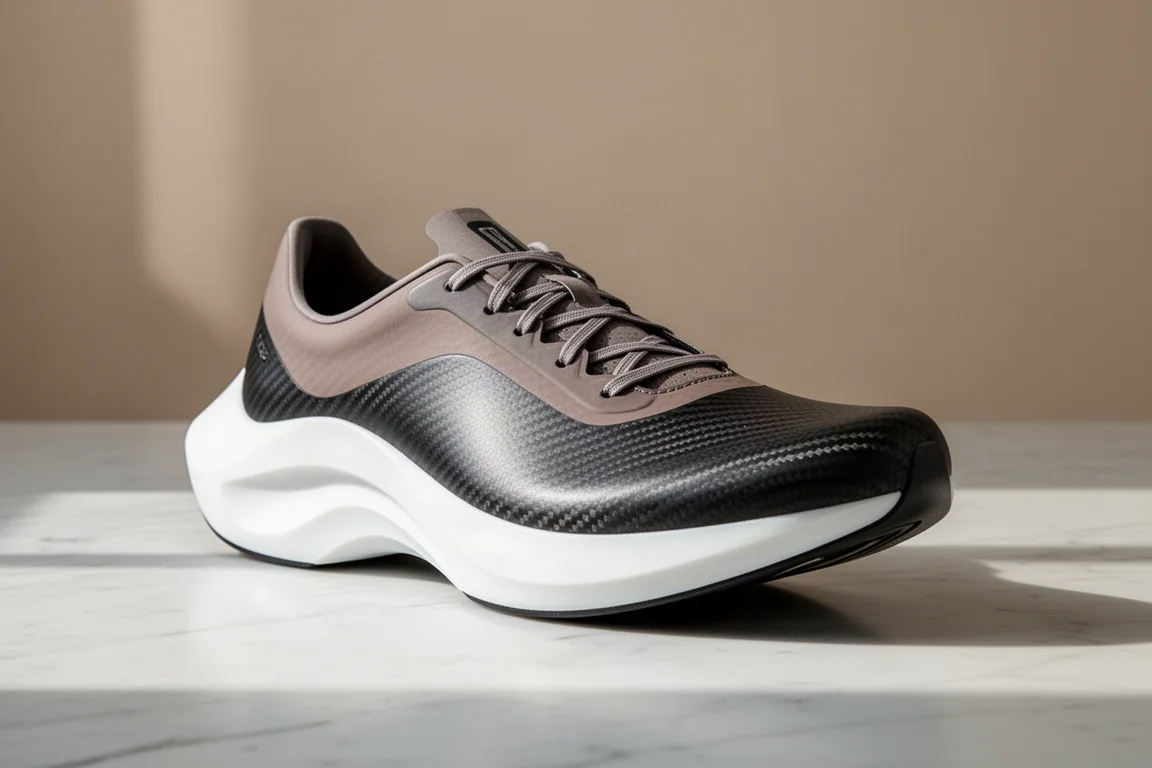
The Rocket X makes the Zoom Fly 5 feel very substantial on foot. It weighs 247 grams (about 8.7 ounces) in a UK 11.5, roughly 92 grams (3.25 ounces) lighter than the Zoom Fly 5 in comparable sizing, with around 35mm of stack height at the heel.
This is an overlooked shoe that rewards anyone who tries it. It has a carbon plate at a much lower retail price, and it has been spotted well under £90 at several UK retailers. The heel is about two centimetres narrower than the Zoom Fly 5, there is much less foam underfoot, and the ride is responsive and propulsive in a runner-led way rather than flinging you forward. Flex is similar between the two, but the Rocket X is by far the more race-ready of the pair, while still working for training.

The EVA blend will not suit everyone chasing the latest super foams, and neither shoe here delivers that kind of ride. But if you prefer a lower stack, this is the one to choose. It has proved durable, and it is the favorite Hoka model here, at prices well below the Zoom Fly 5.
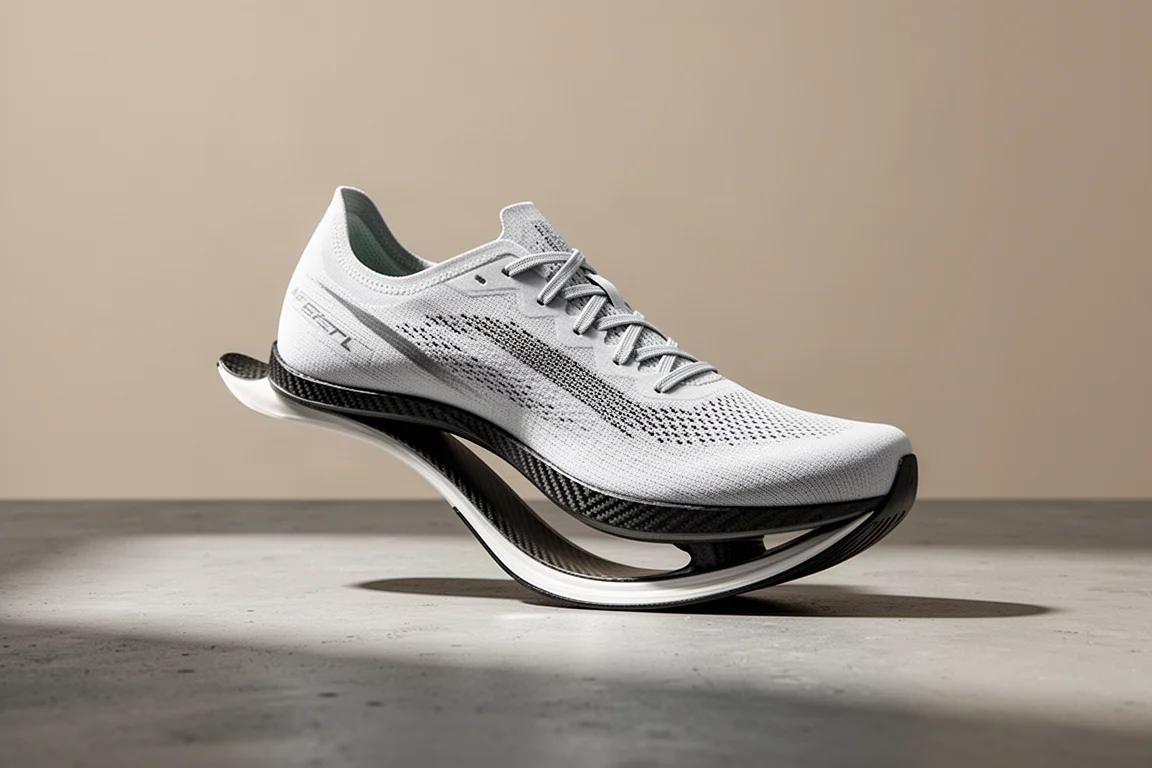
Best All-Rounder: Puma Deviate Nitro
The Deviate Nitro pairs a carbon-based plate with a very bouncy, compressive Nitro midsole. The plate adds a stabilizing element, and the shoe worked very well on longer, faster-paced runs, essentially the same use case Nike intends for the Zoom Fly 5.
It is a clear 40 grams (about 1.4 ounces) lighter in the same size, with only a couple of millimetres less stack height. It feels nimbler and does not control your run quite so much, which makes it a more viable race option while still walking the line between racing and training very well. Puma’s grip is famously durable and offers excellent traction, and this one is light and aggressive enough for the marathon distance, though the elite version is considerably lighter if you want to go further in that direction.
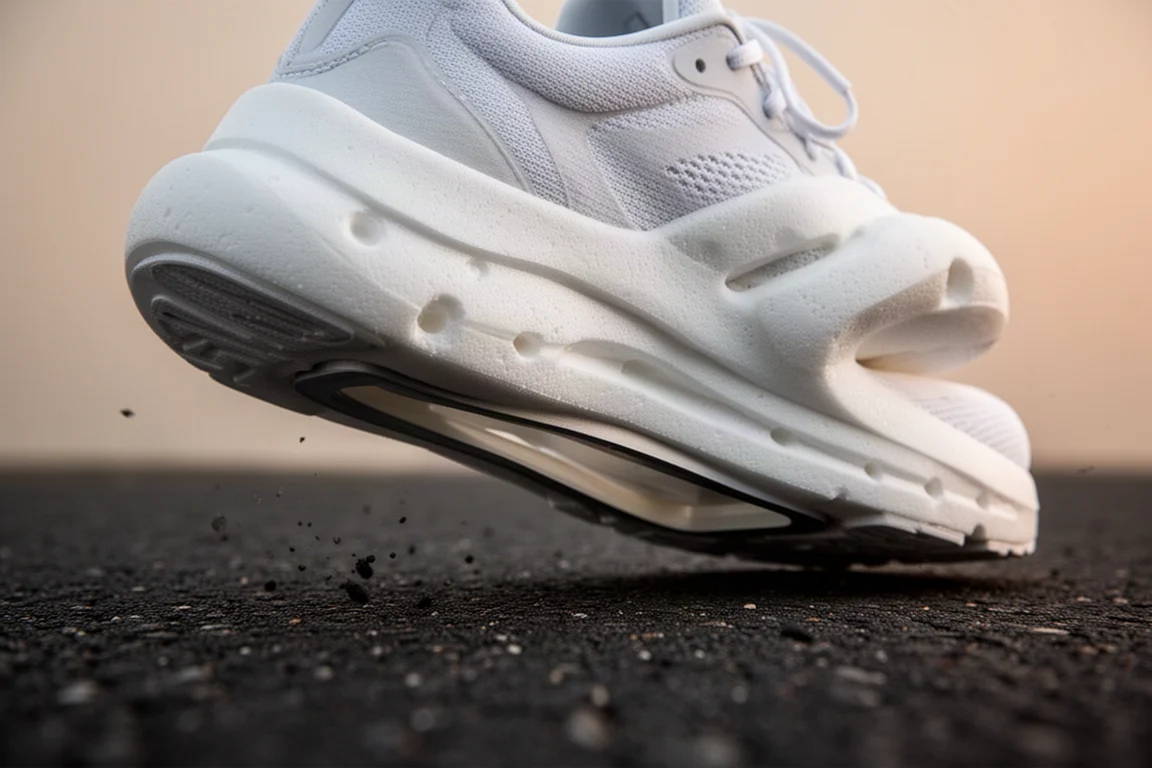
With wear already showing on the Zoom Fly 5, this is an easy call, especially with discounts commonly taking it well below £100. It essentially offers everything the Zoom Fly 5 does, just a little lighter.
Overall Buying Advice
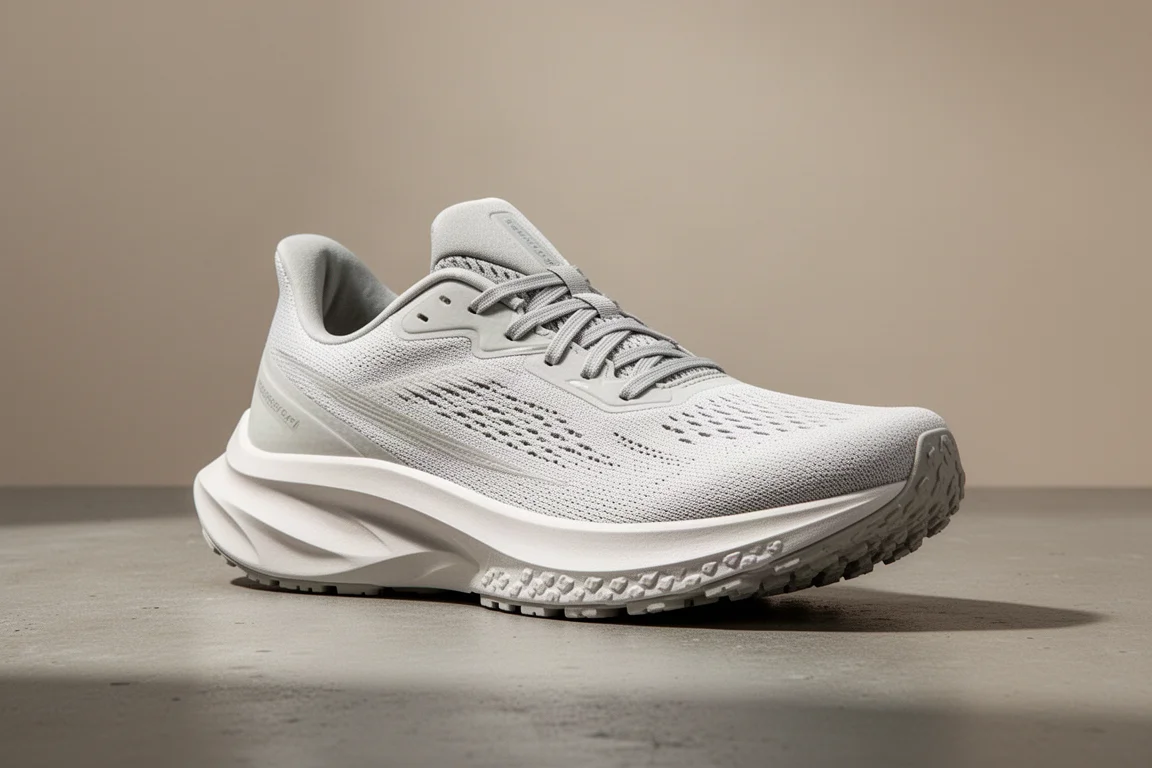
The Zoom Fly 5 remains a pleasant, stable trainer, but it is the heaviest shoe here and its outsole wears quickly while Nike’s pricing keeps climbing. The Tempo Next% is the better speed option within Nike’s own range. The Reebok Floatride Energy X is the standout budget pick for long runs and first-time plated shoe buyers. The Hoka Rocket X is the value race-day choice at a lower stack. The Puma Deviate Nitro is arguably the best all-rounder, covering racing and training with superior durability.
Browse around for discounts: most of these alternatives can be found well below their retail prices, which makes the case against paying full price for the Zoom Fly 5 even stronger.
Conclusion
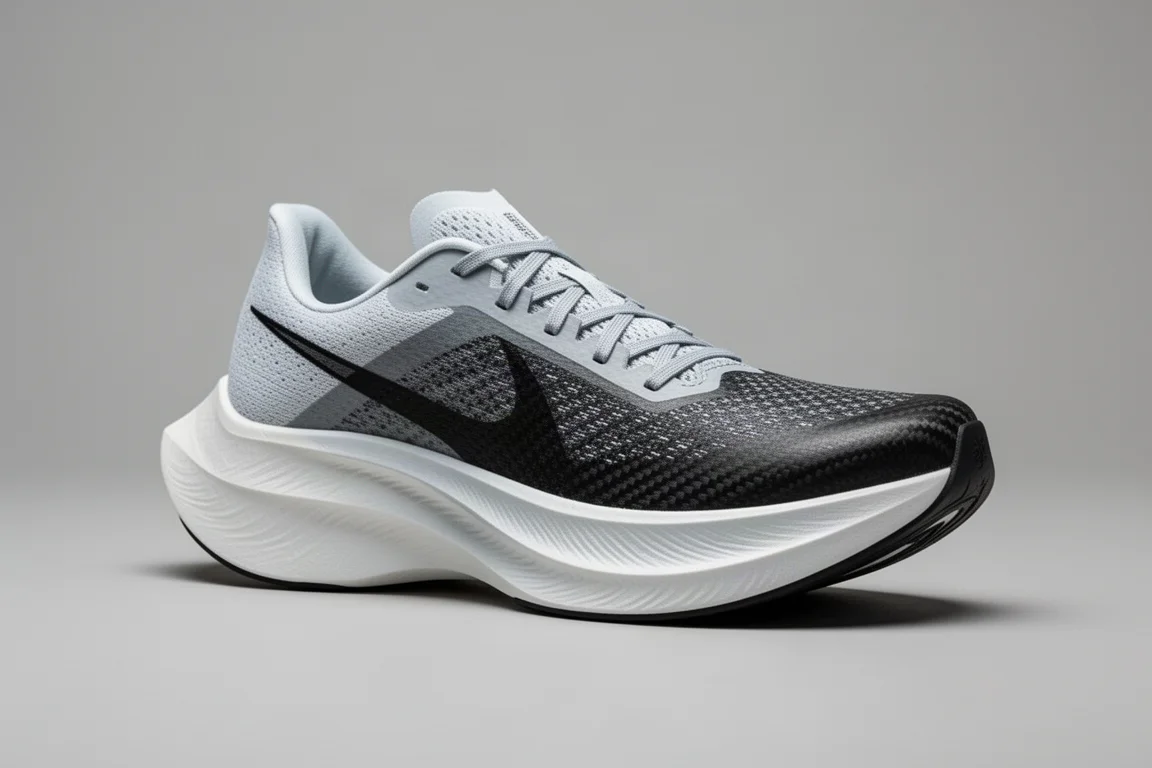
There is a lot to like about the Zoom Fly 5, but there are better and cheaper options that cover all of its use cases. Match the shoe to your priority: outright speed, budget cushioning, low-stack racing, or a durable all-rounder, and there is a strong alternative here for each.
Further reading
Related Reviews

Running Shoes
Best Road-to-Trail Running Shoes: Three Versatile Options for Mixed Terrain
A practical guide to three road-to-trail running shoes that handle both pavement and mild trails, with clear strengths and trade-offs for different runner types.

Running Shoes
Best Running Shoes for Achilles Tendonitis: Three Options Explained
Three running shoes with different heel drops and support features designed to help reduce Achilles tendon pain during walking and running.

Running Shoes
Best Running Shoes for Women: Five Top Choices Ranked
A ranked guide to five women's running shoes, from versatile daily trainers to high-performance racing options, with real strengths and trade-offs for each.