Running Shoes
Nike Zoom Fly 5 vs Saucony Endorphin Speed 3: Which One Handles the Long Run?
Two tempo-oriented trainers put through long, slow miles: one firm and puzzling, the other light, nimble, and genuinely enjoyable.
Introduction
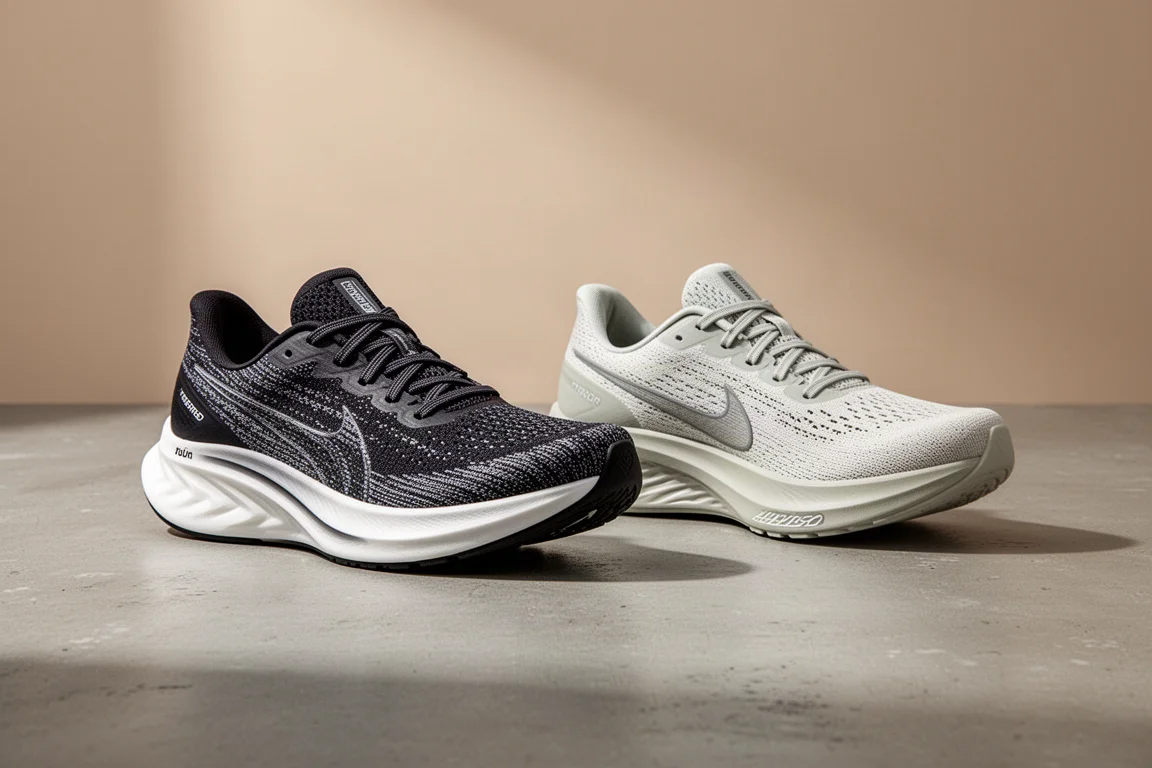
The Nike Zoom Fly 5 has always been a slightly mysterious shoe in Nike’s lineup: it carries ZoomX foam branding, sits below the Vaporfly and Alphafly, and leaves many runners wondering exactly what it is for. To find out whether it can handle the long, slow run as well as the fast stuff, we took it out for a 10.3 mile (16.6 km) effort at a relaxed 8:14 per mile average pace, with a decent amount of elevation and a low heart rate throughout.
The natural rival here is the Saucony Endorphin Speed 3, a shoe that has built a reputation as one of the most versatile tempo trainers available. Light, nimble, and consistently praised by runners, it sets a very high bar. The comparison is worth having, because the Zoom Fly 5’s biggest question mark is exactly what the Endorphin Speed 3 answers so confidently.

Upper: Breathable and Easy to Live With
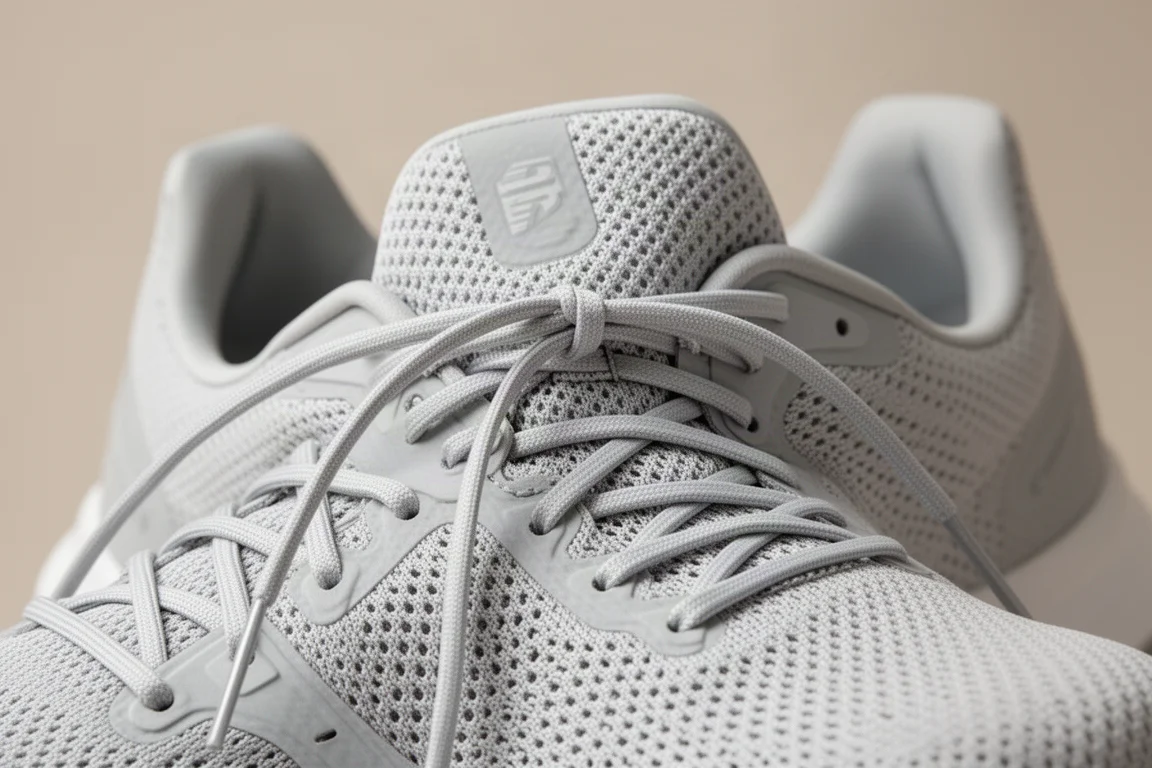
On a warm, humid, muggy morning, the Zoom Fly 5’s upper proved a genuine highlight. It is a thin, breathable material with plenty of airflow, and the lack of a gusset around the tongue seems to help ventilation further. Most of the shoe’s weight sits in the midsole and outsole, with the upper simply doing its job of holding the foot in place.
Lockdown was achieved almost without thought: foot in, laces tightened, done. The fit stayed consistent for the entire run, with no need to stop and retighten after the first mile. The padding in the tongue is ample, and the low-profile ankle collar mostly disappears on the foot. Width looks quite accommodating too, with enough range for wider feet without forcing narrow feet to cinch everything together. No rubbing or discomfort was reported.
It is worth noting that this is a big improvement over the Zoom Fly 4’s upper, which was widely considered a weak point. It does not quite match the conforming, sock-like comfort of the Zoom Fly Flyknit version, but it gets very close to being a non-issue overall.
Midsole: Firm, Even at Slow Paces
The big question for this test was whether the Zoom Fly 5 could handle a long, slower run. The short answer: yes, it can, even if that is probably not its intended use. Once settled into a rhythm, the ride felt reasonably smooth. The SR02 midsole foam encapsulates ZoomX scraps, and there is a ZoomX crushed insole inside as well.
But do not expect the squish of the Invincible Run, Alphafly, or Vaporfly. Even with the ZoomX insole, this shoe is noticeably firmer, and it stays firm at faster paces too. It is not uncomfortable, but it never feels particularly forgiving at slow speeds, and it lacks the flexible, everyday usability of something like the Vomero 16, which uses a similar setup with fresh ZoomX and feels less rigid as a result.

Toward the end of the run, during some fast strides, the shoe also felt noticeably heavy, with a sense of weight swinging around at the end of the foot. For a longer race such as a half marathon or marathon, that could become a real drawback late on. There is also a lingering suspicion that the ZoomX here is more marketing than performance: an imitation of the flagship racing foam rather than the real thing, and the ride does not deliver the Vaporfly or Alphafly experience it hints at.
Saucony Endorphin Speed 3: The Bar Is High
This is where the Endorphin Speed 3 enters the conversation. It has always been very light and nimble, rigid to a point but far less rigid than the Zoom Fly 5, and simply much more enjoyable to run in. It feels more engaging, and it never gives the impression of controlling what you are doing the way the Zoom Fly 5 does. As an all-rounder that handles easy miles, tempo work, and long runs without complaint, it is the safer and more satisfying choice for most runners.
View more details for Saucony Endorphin Speed 3
Outsole and Durability
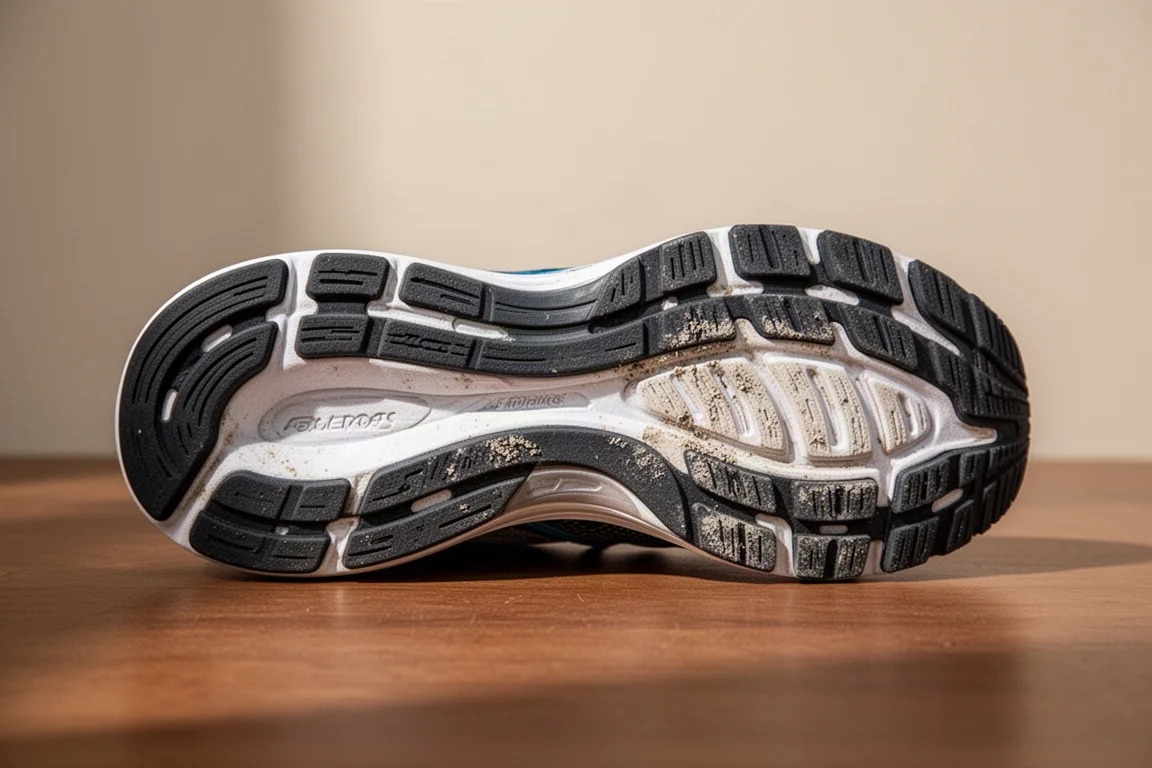
The Zoom Fly 5’s outsole is not its strongest suit. After roughly 40 miles there is already visible wear in the midfoot and on the lateral edge of the heel, which is disappointing this early. Traction on road, tarmac, and pavement is good, though the shoe is noticeably noisy on those surfaces. On the plus side, the pattern does not pick up much debris, and there was no slipping during testing. Wet-weather performance remains untested so far. The early wear raises a fair question about whether this is another Nike outsole pattern that gets redesigned after one or two iterations, as has happened several times before.
Overall Buying Advice
For long, slow miles, the Zoom Fly 5 is serviceable rather than special: breathable upper, secure fit, but a firm and somewhat heavy ride with early outsole wear. The Endorphin Speed 3 does everything with more enjoyment and less rigidity, making it the more versatile pick for runners who want one shoe to cover most of their week. Choose the Zoom Fly 5 mainly if you specifically want a Nike-branded tempo trainer at a lower price point than the Vaporfly line and do not mind a firmer feel.
Conclusion
The Zoom Fly 5 turns out to be a decent, if misunderstood, shoe: excellent upper, mediocre long-run ride. The Endorphin Speed 3 remains the benchmark for the do-everything tempo trainer, and until Nike rethinks how it implements its foams in this model, that is unlikely to change.
Further reading
Related Reviews

Running Shoes
Best Road-to-Trail Running Shoes: Three Versatile Options for Mixed Terrain
A practical guide to three road-to-trail running shoes that handle both pavement and mild trails, with clear strengths and trade-offs for different runner types.

Running Shoes
Best Running Shoes for Achilles Tendonitis: Three Options Explained
Three running shoes with different heel drops and support features designed to help reduce Achilles tendon pain during walking and running.

Running Shoes
Best Running Shoes for Women: Five Top Choices Ranked
A ranked guide to five women's running shoes, from versatile daily trainers to high-performance racing options, with real strengths and trade-offs for each.