Running Shoes
Nike Zoom Fly 5 Review: 100 Miles In
After 100 miles in the Nike Zoom Fly 5, here is how this maximal cushioned training shoe performs on comfort, durability, and efficiency.
Introduction
The Nike Zoom Fly 5 has now covered 100 miles of running, so it is time for a full verdict. Nike bills it as a Zoom X shoe, but the reality is a little more nuanced, and the gap between expectations and reality is the defining story of this shoe.
Key Features of the Zoom Fly 5
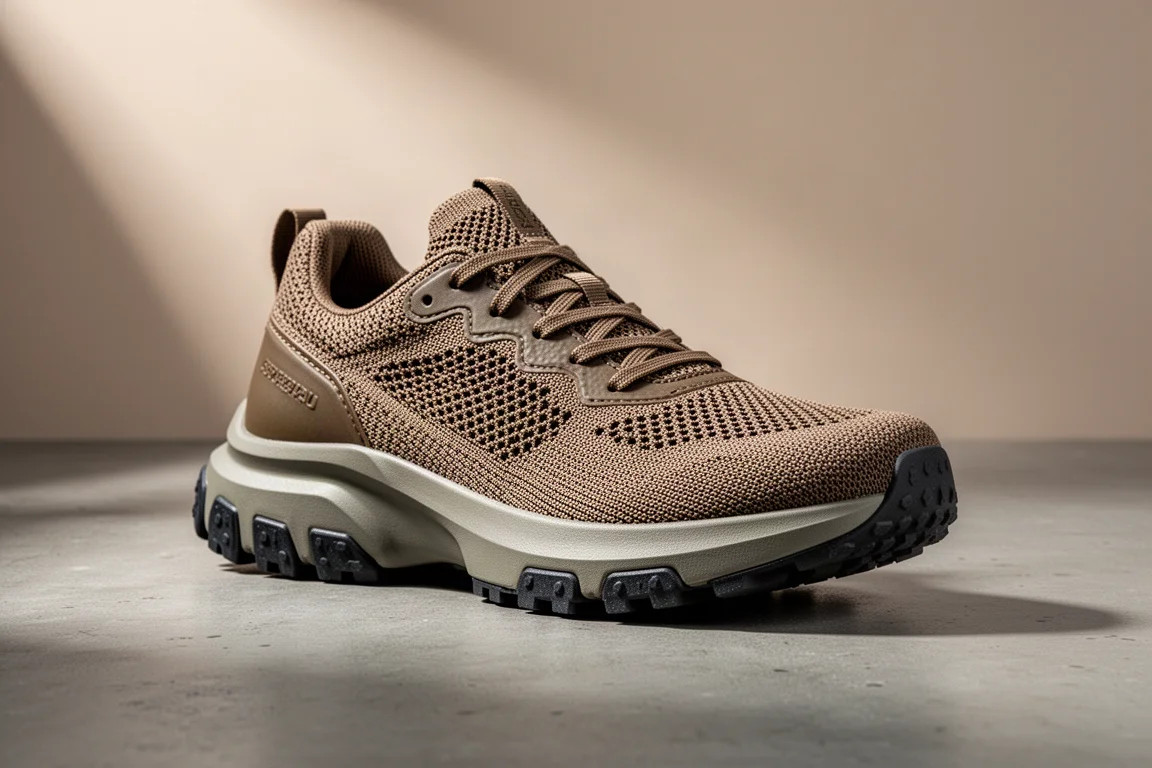
Although the name suggests a full Zoom X midsole, only some Zoom X foam is used here, visible through a small hatch in the outsole. That foam is recycled and glued together, then surrounded by SR02 EVA foam for protection and durability. The result is a heavier, more durable construction than a true racing shoe.
There is a plate running through the midsole, likely a nylon plate rather than carbon. The two-layer upper uses a waxy-feel mesh knit on the outside that is comfortable and genuinely breathable, with excellent airflow even in a UK heatwave. The tongue is not gusseted but stays put without any slipping.
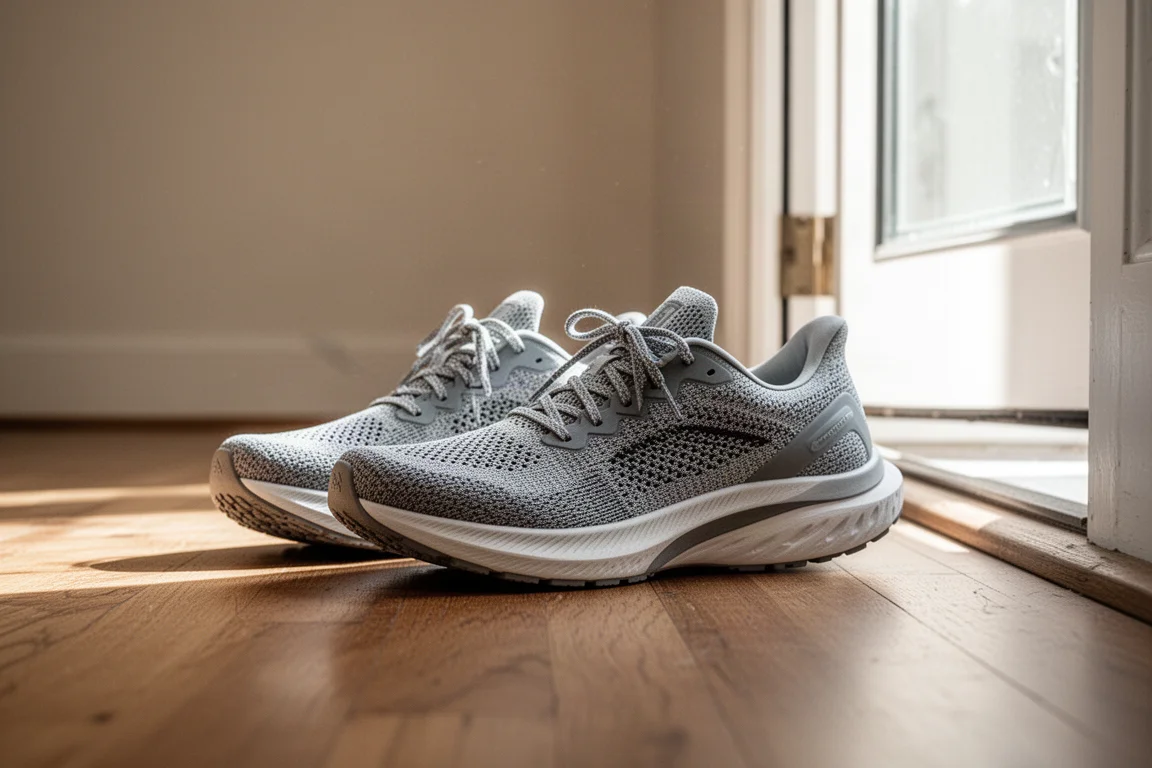
It is worth noting that this shoe is very different from the first four Zoom Fly iterations. It is essentially a complete redesign, closer in character to a daily max cushion trainer than the racing-flavored models that came before it.
Specs at a Glance
The Zoom Fly 5 costs around £145, roughly $160. You get a 40mm heel stack and a 32mm forefoot stack, so it is firmly in maximal cushion territory, with around an 8mm drop. Weight is about 359g in a UK size 12, which is very much on the heavy side for this type of shoe.
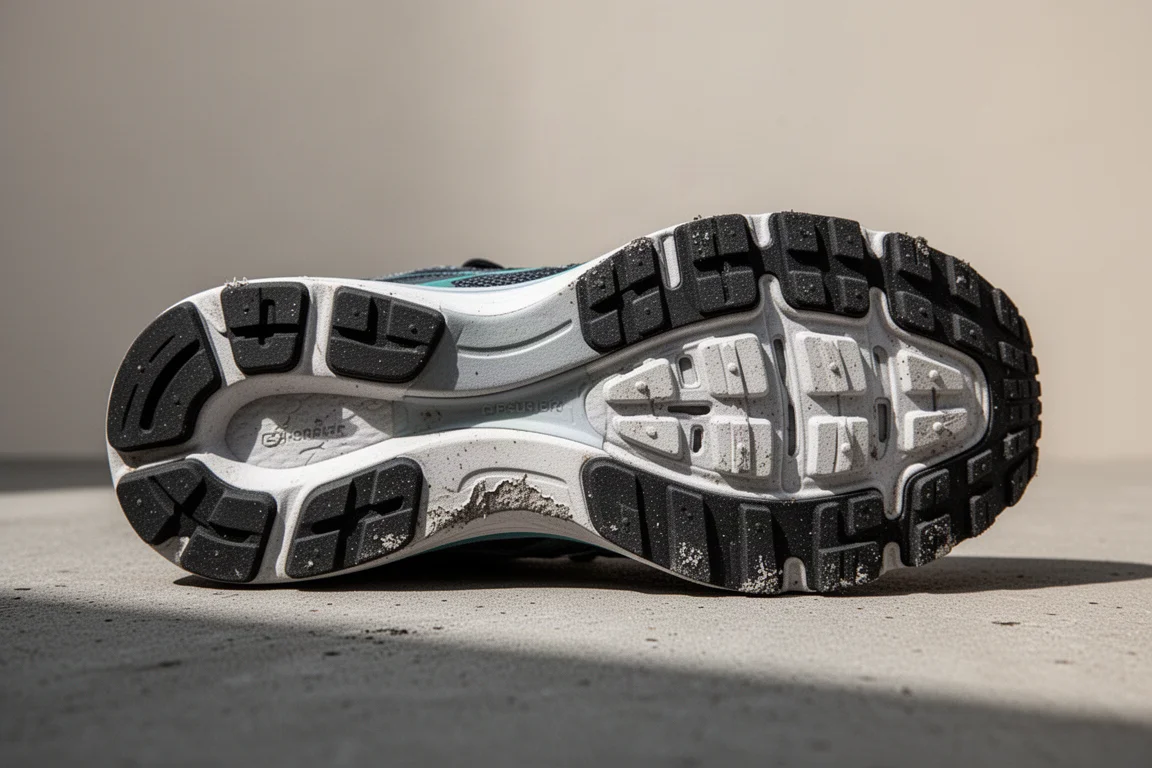
It is a neutral shoe built for training rather than racing. The outsole has thick rubber at both the front and the back, which suits heel strikers and midfoot strikers alike. After 100 miles there is very little wear, even at the lateral edge where this runner lands. Grip is strong in the dry, and there is every reason to expect good wet-weather traction, though that has not yet been tested. Fit is true to size, standard width only, with plenty of room in the toe box.
What We Liked After 100 Miles
Comfort is the first and biggest win. From the first wear it just feels right, and it wants to go out for a run. There were a few hot spots on a 20k first run, but they disappeared from the second run onward and never returned. Lockdown is excellent without needing the heel-lock lacing section, with no heel slip and no achilles irritation.
The second strength is a combination of fun and durability. The plate and foam setup gets you up on your toes, and the shoe actively encourages faster running, especially on easy, steady-state, and tempo efforts. The protective EVA layer adds weight, but it also delivers a shoe with minimal wear so far and many happy kilometers ahead.

The third win is efficiency. On easy and tempo runs the pace on the watch consistently reads faster than the perceived effort. The plate and foam are working together, and the ground seems to come up quicker than expected.
Things to Consider Before Buying
Weight is the main caveat. At roughly 360g it is a bruiser, and unlike some heavy shoes that give you extra cushioning in return, the benefit here is less obvious. Anyone looking for a lightweight tempo shoe in the mold of an Endorphin Speed or a Pegasus Turbo should look elsewhere.
The second concern is placement in the lineup. It is a little faster than a pure recovery shoe like the Invincible, but for easy daily runs you could simply pick the Pegasus 39, and for faster tempo work there are stronger options. At nearly £150, that is a big investment for a shoe with a fairly narrow use case, and it is not the right choice for interval sessions or racing.
Buying Advice
If you are training for a marathon and want a durable shoe for easy-to-marathon-pace runs that spares your expensive race shoes from extra mileage, the Zoom Fly 5 fits that role well. For most other runners, better all-rounders exist at similar or lower prices.
Conclusion
After 100 miles, the Zoom Fly 5 earns a place in the rotation for steady-state and tempo training, where it is genuinely enjoyable and efficient. But it is heavy, niche, and expensive for what it does, so it is a cautious recommendation rather than an easy one.
Product link
View more details for Nike Zoom Fly 5
This product is mentioned in the review. Check the specifications, options, and compatibility before buying.
View more details for Nike Zoom Fly 5Further reading
Related Reviews

Running Shoes
Best Road-to-Trail Running Shoes: Three Versatile Options for Mixed Terrain
A practical guide to three road-to-trail running shoes that handle both pavement and mild trails, with clear strengths and trade-offs for different runner types.

Running Shoes
Best Running Shoes for Achilles Tendonitis: Three Options Explained
Three running shoes with different heel drops and support features designed to help reduce Achilles tendon pain during walking and running.

Running Shoes
Best Running Shoes for Women: Five Top Choices Ranked
A ranked guide to five women's running shoes, from versatile daily trainers to high-performance racing options, with real strengths and trade-offs for each.