Running Shoes
Nike Zoom Fly 4 vs Adidas Boston 10: Two Fast Trainers With Very Different Rides
Both shoes borrow race day tech from the top carbon racers, but they deliver it in different ways. Here is how the Zoom Fly 4 and Boston 10 compare for daily training, long runs, and fast workouts.
Introduction
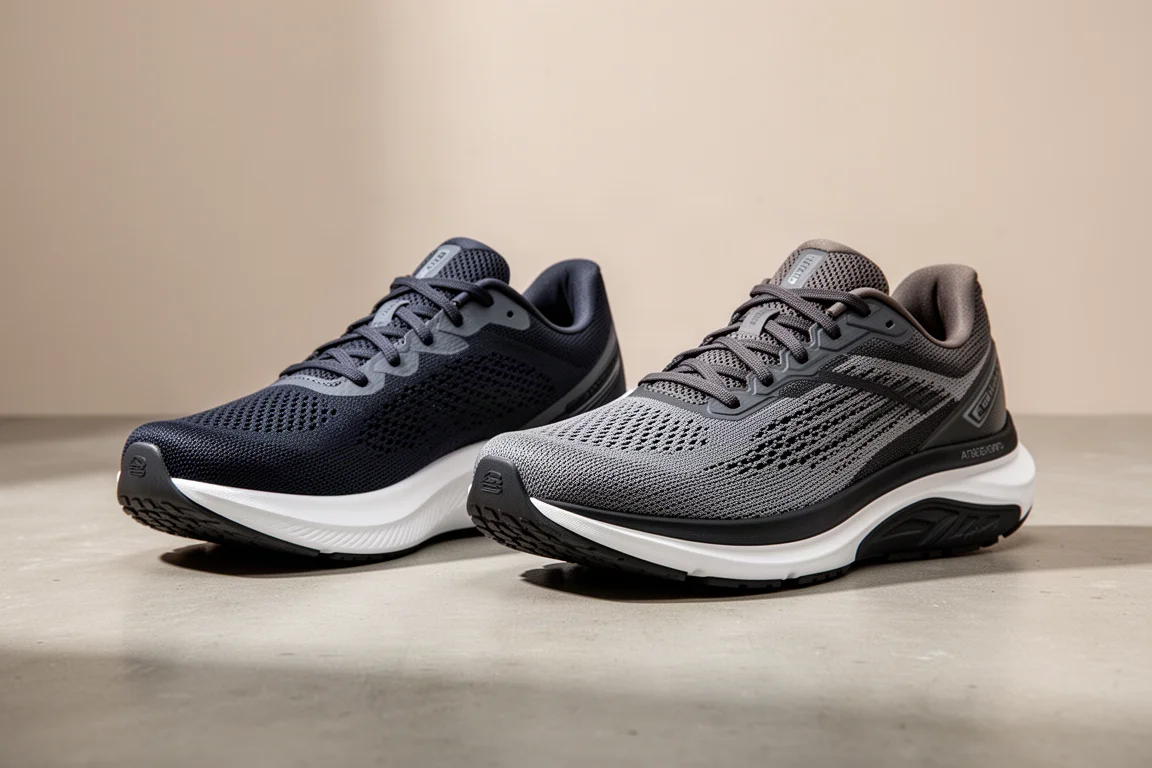
The Nike Zoom Fly 4 and the Adidas Boston 10 share a similar pitch: both bring race day technology from each brand’s top carbon racers into a fast, versatile everyday trainer. In practice, though, they are solid daily trainers that do not quite deliver the full experience of the Vaporfly or Adios Pro, and the differences between them become clear quickly once you run in both.
On price, the Zoom Fly 4 is the more expensive shoe at £144.95 in the UK and $160 in the US, while the Boston 10 comes in at £130 or $140. Drops are close, with 8 mm on the Zoom Fly 4 and 8.5 mm on the Boston. Both are fairly heavy, but the Zoom Fly 4 is slightly lighter at 289 g (10.2 oz) in a UK 9, versus 296 g (10.4 oz) for the Boston.
Upper and Fit
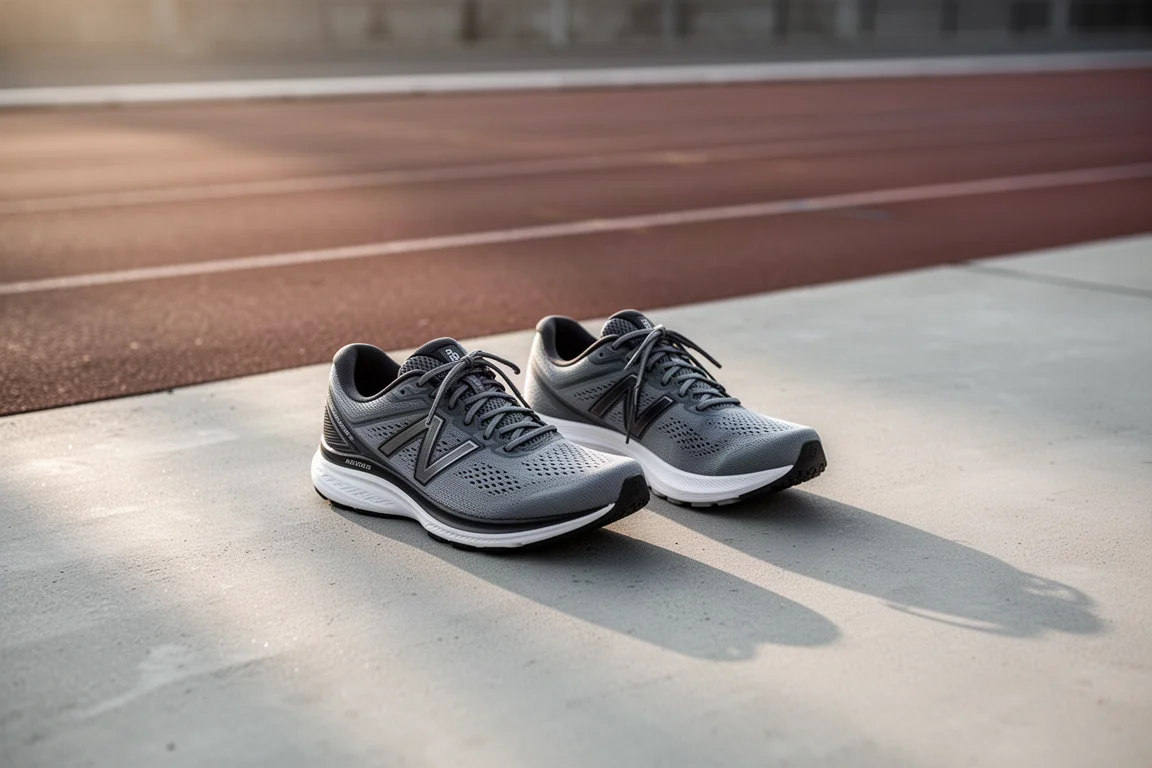
Both shoes use a two-layer upper, which is one reason they sit on the heavier side. The Zoom Fly 4 has a breathable mesh outer with a bootie underneath, creating a sock-like feel with a gusseted tongue and a slightly raised lacing system that clamps down on the foot very well, similar to the Pegasus 38. Heel padding is generous, echoing the Vaporfly design but beefed up for training use.
The Boston 10 uses a thin, slightly see-through mesh outer layer with a gusseted tongue beneath it, plus reinforced sections around the toe and substantial heel cushioning. It is a big, structured upper that holds the foot securely. Both uppers are arguably a little overbuilt, but both do an excellent job of locking the foot in place.
On fit, both run true to size. The Zoom Fly 4 is a touch roomier around the toe box but still achieves a tight, comfortable lockdown. The Boston 10 fit true for a narrower foot, so some runners may find it fits slightly small.
Midsole and Outsole
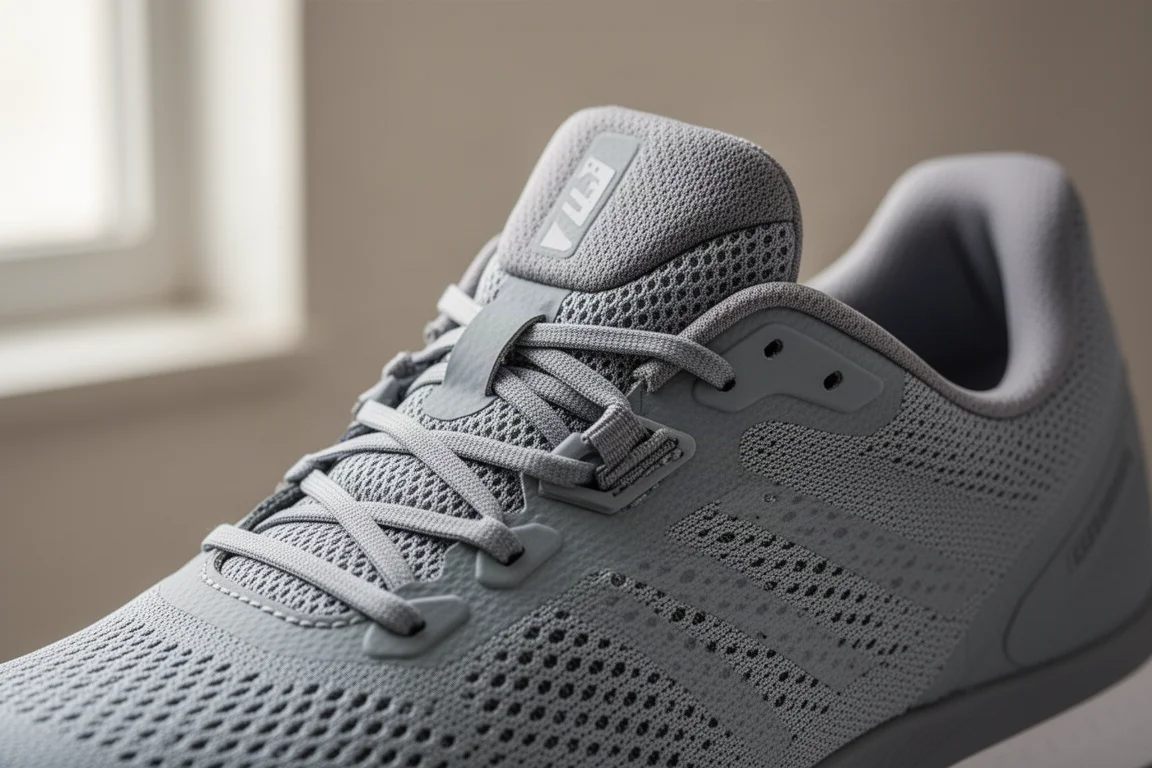
The Zoom Fly 4 carries a full-length carbon plate in its midsole, but instead of ZoomX foam it uses React foam, which is heavier, denser, firmer, more stable and considerably more durable. The outsole is classic Nike: two strips of rubber with generous forefoot coverage, good grip, and some exposed React foam that holds up well on roads.
The Boston 10’s midsole is more layered. There is a thin top layer of Lightstrike Pro at the heel with a more substantial amount at the forefoot, a small carbon plate at the heel for stability similar to the Adios Pro 2, and beneath it a full layer of Lightstrike EVA, which is firmer, more durable and much less bouncy. Between the foam layers sit Adidas’s energy rods, described as anatomically designed carbon technology, though they appear to have a plastic coating and slightly more flex than the full carbon rods in the Adios Pro 2. The Continental rubber outsole offers excellent coverage, grip and durability, with far less of a midsole cutout than racing shoes like the Adios Pro 2. The result is a much more stable, durable shoe.
Ride and Performance
Both shoes were tested over serious mileage, and the Boston 10 proved to be a real grower. The first run felt too firm with little joy in it, but after roughly 50 km of break-in the ride softened into something genuinely pleasant. It held up well on the track during a hard ladder session of 400, 800, 1200 m, a mile and 2K reps, and on long runs it provided a solid, stable ride with a nice transition, including a 20-miler held at around 6:23 per mile. It runs lighter than its scale weight suggests and rarely felt heavy, except when fully soaked late in a long run.

The Zoom Fly 4 is a different story. Taken straight from the box into a hard workout of 3K reps at 3:20 per km pace with hill reps in between, it could not hold pace. The dense React foam lacked bounce, the plate made little impression, and the weight felt concentrated under the foot. Over 85 km of testing, it was okay for easy running, genuinely nice on one long run, and technically capable of fast workouts, but never exciting. It feels heavier than it is and lacks the spring that a ZoomX shoe provides, a step down that is very noticeable at pace.
Which Shoe Should You Pick?
Neither shoe is great at holding hard paces over long stretches like 2K or 3K reps, but for short reps there is some response in both. The Boston 10 edges ahead overall: it is better for fast workouts, more enjoyable on easy and long runs, more stable, and it runs lighter than its weight. It is the more versatile option, works well as an everyday shoe you can wear everywhere, and it is cheaper. Both should prove durable and well built for high mileage.
If you are open beyond Nike and Adidas, options like the Saucony Endorphin Speed 2, Hoka Mach 4, Sketchers Go Run Razor Excess and New Balance Rebel v2 are more versatile fast daily trainers. But between these two, the Boston 10 is the better shoe and a more enjoyable one to keep reaching for.

Conclusion
The Zoom Fly 4 and Boston 10 both promise top racer technology in a daily trainer, and neither fully delivers on that promise. The Zoom Fly 4 feels heavy and lacks pop, while the Boston 10 is a firm but stable, pleasant trainer that runs lighter than its numbers suggest. Of the two, the Adidas Boston 10 is the stronger pick, especially at its lower price.
Product link
View more details for Nike Zoom Fly 4
This product is mentioned in the review. Check the specifications, options, and compatibility before buying.
View more details for Nike Zoom Fly 4Further reading
Related Reviews

Running Shoes
Best Road-to-Trail Running Shoes: Three Versatile Options for Mixed Terrain
A practical guide to three road-to-trail running shoes that handle both pavement and mild trails, with clear strengths and trade-offs for different runner types.

Running Shoes
Best Running Shoes for Achilles Tendonitis: Three Options Explained
Three running shoes with different heel drops and support features designed to help reduce Achilles tendon pain during walking and running.

Running Shoes
Best Running Shoes for Women: Five Top Choices Ranked
A ranked guide to five women's running shoes, from versatile daily trainers to high-performance racing options, with real strengths and trade-offs for each.