Running Shoes
Nike Zoom Fly 4 Review: A Carbon-Plated Trainer Stuck Between Two Jobs
The Zoom Fly 4 brings React foam and a sandwiched carbon plate, but a heavy build, stiff heel tab, and awkward positioning leave it behind strong alternatives.
Introduction
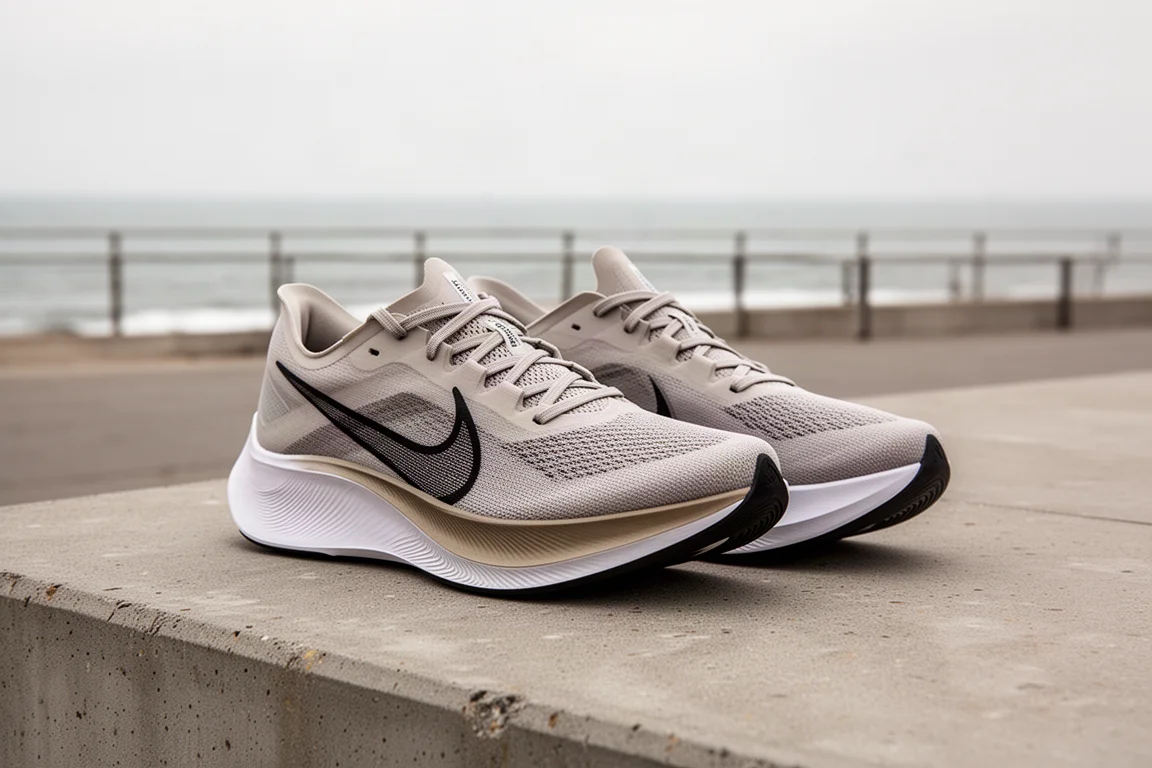
The Zoom Fly 4 arrived at an awkward moment in Nike’s road running lineup. It sits between training and racing, and the question this review keeps circling back to is whether it does either job well enough at its $160 price point. After extended time in the shoe, the short answer is that better options exist, and the reasons are worth understanding before you spend that much.
Weight and Fit
For a training shoe, the Zoom Fly 4 is on the heavier side. It comes in at 8.5 ounces in a men’s size 9 (women’s size 8), with 39mm of heel stack, 31mm in the forefoot, and an 8mm drop. That weight earns a 6 out of 10, and it matters because the shoe is also too heavy to be a true racing option. Compared directly, the Zoom Fly 3, kept in the archive for 18 months, weighed 8.6 ounces, so the two generations sit in the same 8.5 to 8.7 ounce range.
Fit is true to size, but the landing is narrow. The heel and midfoot run a bit narrow while the forefoot is fine, and there was no feeling of being scrunched in the toe box. The narrow landing does not feel unstable, but if your foot strike already asks a lot of your ankles, this is not the shoe for you.

Upper and Lockdown
The upper is a mesh Flyknit with a booty-style collar that wraps around the ankle. That collar is a real weak point: it feels a little too loose and soft, and the inner padding on the heel counter has caused rubbing issues in similar Nike designs. There is a genuine blister risk around the Achilles area for some foot shapes.
The heel tab is the more alarming detail. At the top of the heel counter, it is firm enough that it could dig into the Achilles tendon unless your socks are well positioned. For a shoe at this price, more padding or engineering there would have been reasonable, and it is the kind of detail that will likely change in future versions.
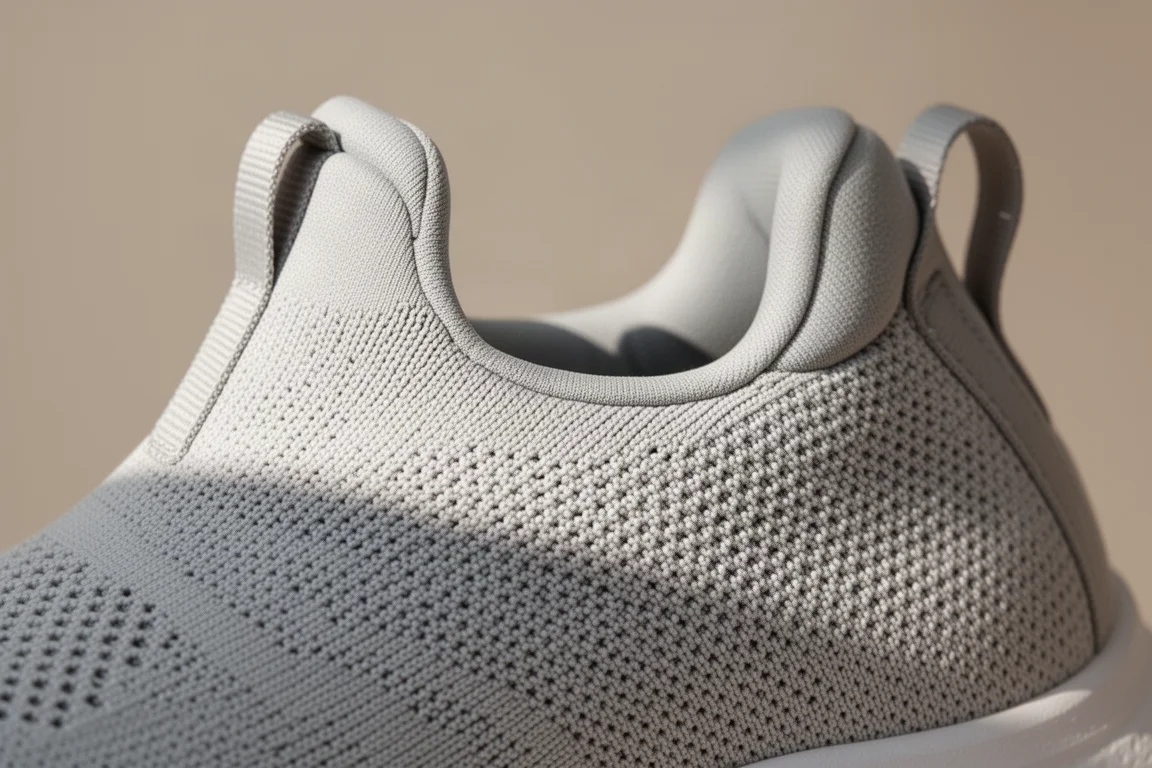
Lockdown is only okay. The upper is one continuous piece of material, which means there is no separate tongue to position independently or tune with the laces for a precise fit. That limitation is why the lockdown and overall upper scores land lower than they should.
Midsole and Ride
The midsole is React foam, a thermoplastic elastomer-based proprietary formula, with a fully sandwiched carbon plate. The plate is less rigid than the one in the Next% lineup, and the ride is pleasant with decent energy return. But it is not exceptional. The React platform simply does not deliver the lively feel expected at this stage, and it may need to evolve or even be retired in the next few years.
The outsole is carbon rubber, which performs fine. The forefoot rubber is slightly reduced, and the decoupled groove from midfoot to heel could be deeper and wider. Breathability is the genuine strength here: the mesh upper ventilates well, which is welcome in warm months though less useful in winter. Comfort scores 7.5 out of 10 overall, with the collar and heel tab as the main drawbacks. Durability is predicted at around 350 miles.

Who This Shoe Is For
Honestly, this is the hardest part of the review. The Zoom Fly 4 is too heavy for a racing shoe, too much for an everyday trainer, and too heavy for threshold work. It might suit tempo days, but even that is a stretch. The relegation score came in at 6.45 out of 10, and the shoe was set aside after about 22 miles rather than taken to the usual 50-mile test.
The core issue is the plate. Racing with a carbon fiber plate underfoot is best saved for race day so your legs get that extra pop when it counts. Training daily in plated shoes undercuts that advantage, and a $160 shoe you relegate rather than rotate is a hard recommendation.
Alternatives Worth Considering
The Saucony Endorphin Speed, in either generation, is the obvious first pick at the same price. It uses a nylon plate instead of carbon, weighs about an ounce less, and is the preferred choice over the Zoom Fly 4. If you want a firmer ride similar to this carbon plate feel, the adidas SL20.2 delivers it at $79, a dramatically better value.

Beyond those, the adidas Takumi Sen 8 is one of the most anticipated releases worth watching, and the ASICS Magic Speed sits at $149 as another plated option in this price bracket.
Buying Advice
Unless you are specifically attached to the Nike fit or find the Zoom Fly 4 at a meaningful discount, the alternatives are stronger. A lighter nylon-plated trainer, a much cheaper firm option, or one of the newer plated releases will serve most runners better than a shoe that fits awkwardly between two categories.
Conclusion
The Zoom Fly 4 is not a bad shoe. It is a confused one: too heavy to race, too demanding to train in, and compromised at the collar and heel tab in ways a $160 shoe should not be. With the Endorphin Speed lighter at the same price and the SL20.2 available for nearly half, most runners should look elsewhere.
Product link
View more details for Nike Zoom Fly 4
This product is mentioned in the review. Check the specifications, options, and compatibility before buying.
View more details for Nike Zoom Fly 4Further reading
Related Reviews
Running Shoes
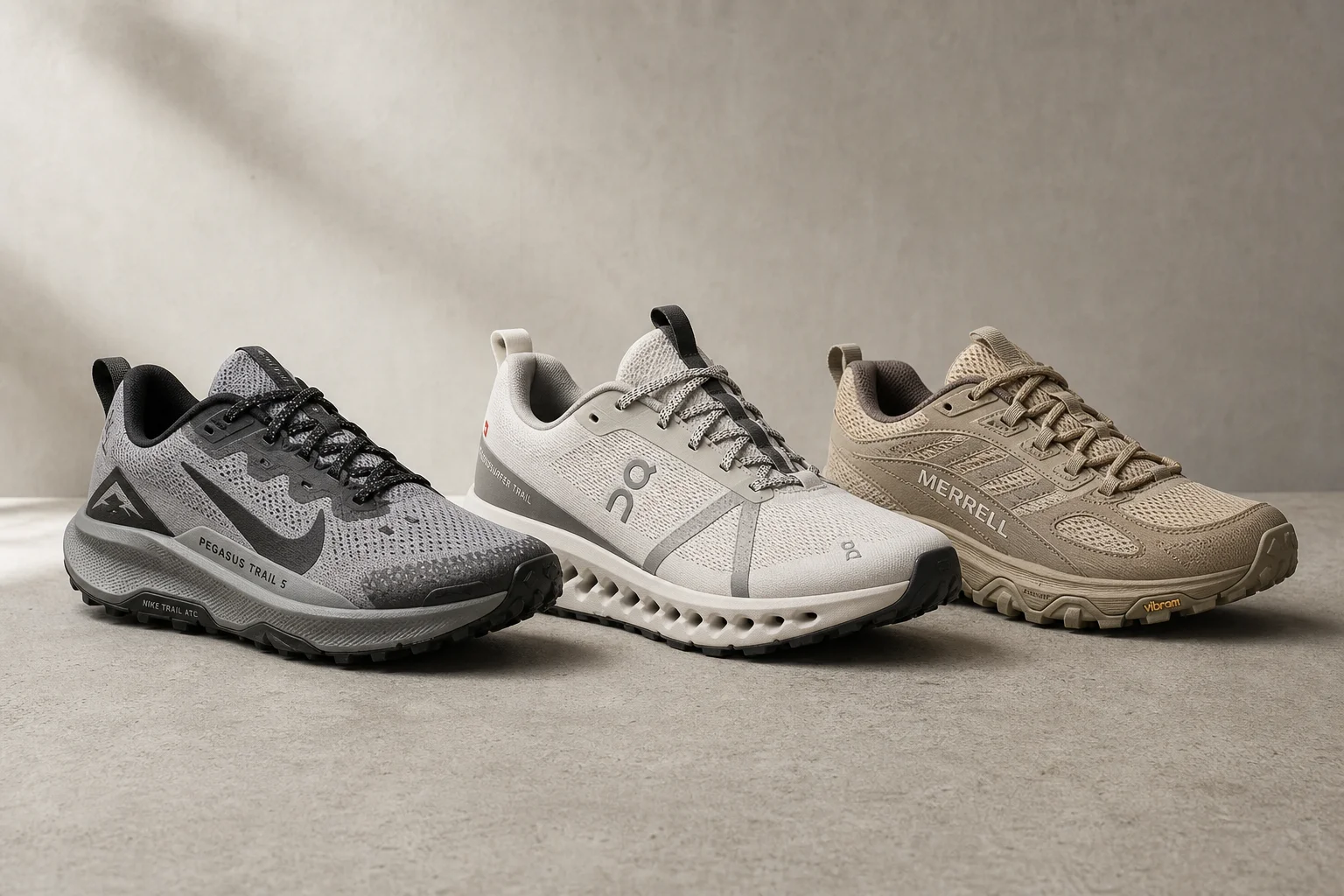
Best Road-to-Trail Running Shoes: Three Versatile Options for Mixed Terrain
A practical guide to three road-to-trail running shoes that handle both pavement and mild trails, with clear strengths and trade-offs for different runner types.
Running Shoes
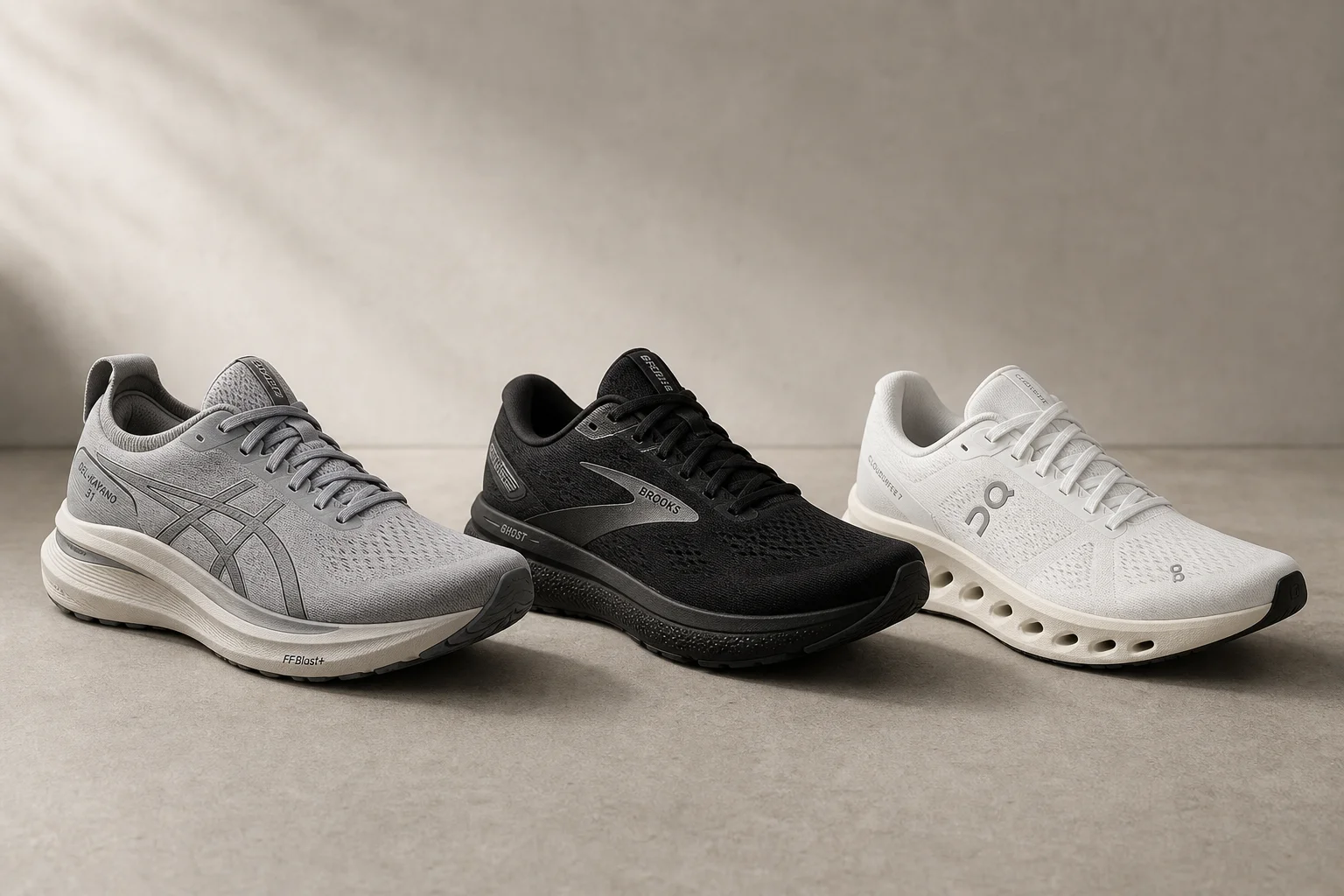
Best Running Shoes for Achilles Tendonitis: Three Options Explained
Three running shoes with different heel drops and support features designed to help reduce Achilles tendon pain during walking and running.
Running Shoes
Best Running Shoes for Women: Five Top Choices Ranked
A ranked guide to five women's running shoes, from versatile daily trainers to high-performance racing options, with real strengths and trade-offs for each.