Trail Running Shoes
Nike Zegama vs Hoka Speedgoat 5: Which One Deserves a Spot at Your Next Ultra
Two high-cushion trail shoes go head to head over 35k of South Downs Way testing. Here is how the Nike Zegama stacks up against the Hoka Speedgoat 5.
Introduction
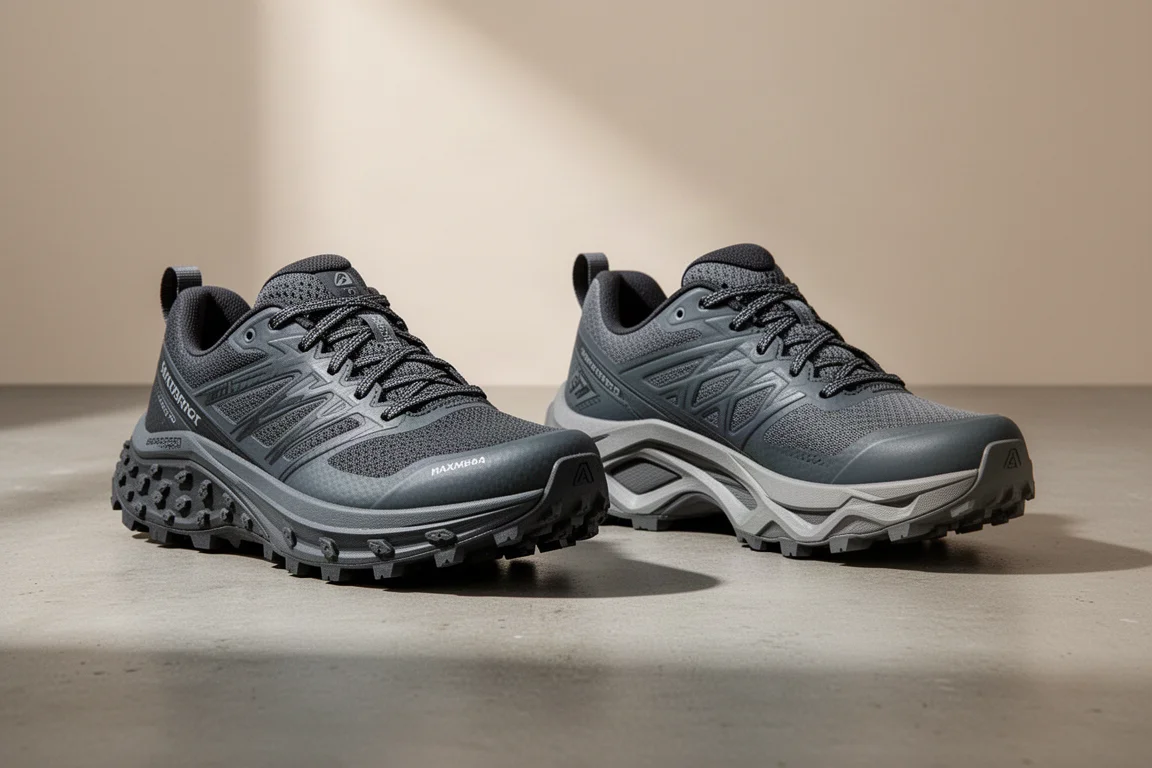
Some comparisons are easy to settle. This one is not. Over a single 35k point-to-point run along the South Downs Way, roughly 22 miles with just under a thousand meters of climbing, the Nike Zegama was put through a real test against the shoe it is trying to beat: the Hoka Speedgoat 5. Both are high-cushion, high-stack trail shoes aimed squarely at long-distance runners who want their legs protected deep into a race.
The stakes here were specific. The question was which of these two would be the pick for an upcoming UTMB-style multi-day effort, where cushioning over hours of climbing and descending matters more than raw speed.
Nike Zegama: Specs and First Impressions
The Zegama is an entirely new trail shoe from Nike, named after the famous Zegama trail race in Spain. It launched in the UK at 145 British pounds, expected to land around 150 to 160 US dollars. The headline numbers: 37mm of stack at the heel, a 4mm drop, putting the forefoot around 33mm, 4mm lugs on the outsole, and full ZoomX foam, reportedly the first time Nike has used that foam in a regular trail shoe. There is no carbon plate.

Out of the box and straight into a 35k run, it performed well. The weight sits slightly above the Speedgoat 5 and also slightly above the Nike Pegasus Trail 4, though on the run that never really registered. Where it earned its keep was comfort: the ankle collar locked down nicely, and no stones or grit got into the shoe at the heel, a design that traces back to the Pegasus Trail 2.
Hoka Speedgoat 5: The Established Benchmark
The Speedgoat 5 has a long track record in this space and it is the shoe many runners default to for ultras. It is also, notably, a little narrower in fit than the Zegama, something many runners already know.
That narrower fit was the deciding factor in this comparison. The Zegama came out wider, generally more stable, and ultimately more comfortable for a long day out. Both shoes share a high-stack, high-cushion character, so the fit difference ended up mattering more than any spec-sheet gap.
Grip, Ride and Ground Feel
The biggest criticism typically aimed at Nike trail shoes is grip. On this test, over dry and gritty South Downs terrain, the Zegama’s grip was genuinely good, handling well even when the pace opened up on flat, gravelly sections. The caveat: it has not been tested wet. Weeks of dry weather mean there is no data on how those lugs behave in rain, and with this much stack the shoe is unlikely to suit winter mud.
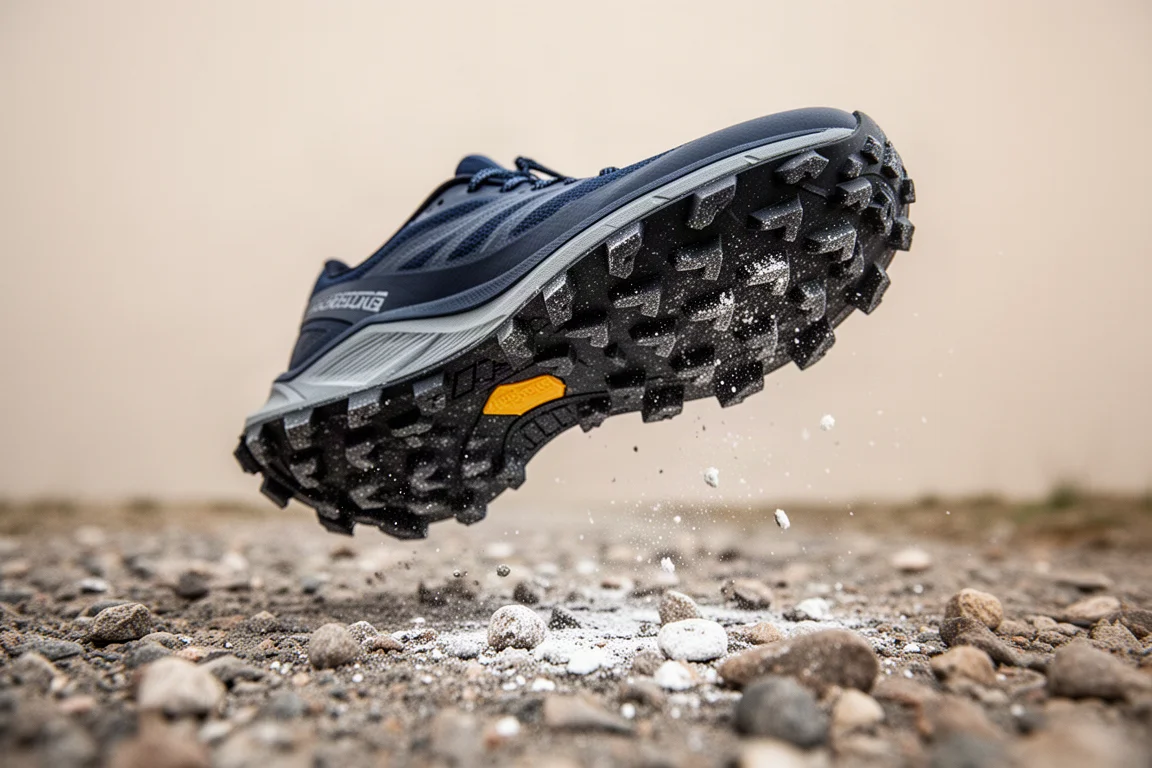
The ride is where trade-offs appear. Nike added a rock plate to blunt sharp and jagged ground, and combined with the sheer volume of ZoomX foam, the result is a very muted, dull ride. You feel almost nothing from the ground. For alpine-style terrain that is a benefit, gliding over rocks without a single sharp jab, but runners who like ground feedback will find it isolating. If you enjoy maximally cushioned shoes generally, this will feel right at home.
Fit, Stability and Comfort
The ankle concern going into the run was real: 37mm of heel stack is a lot, and the fear was instability on uneven ground. In practice the shoe held up well. No ankle twists over 23 miles of mixed terrain and mixed speeds, corners felt secure, and the higher stack never registered as a negative.
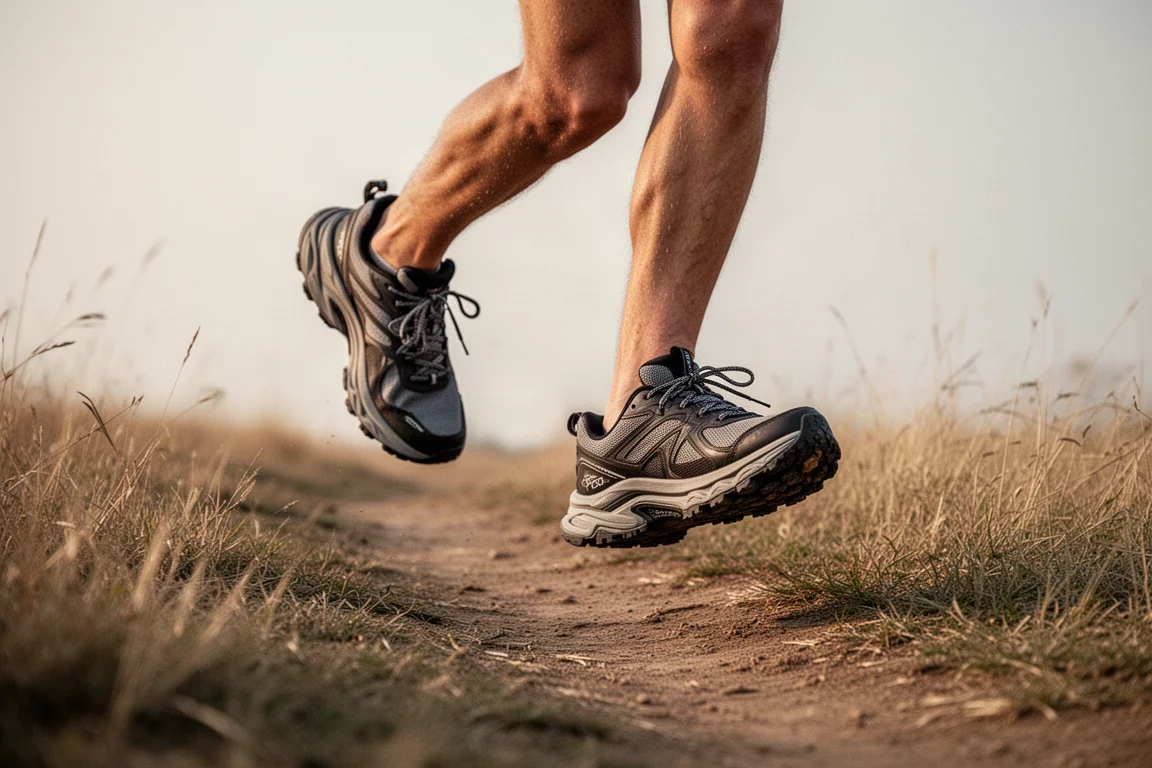
Lockdown was solid with no blisters and no hot spots, though the shoe did run warm. Breathability was not great when pace pushed up toward 3:40 per kilometre on faster sections, although that is not the pace this shoe is built for. One thing to watch long term: there is exposed ZoomX on the underside of the shoe. Whether it holds up against sharp rocks on descents is the key durability question for the longer test.
Which Shoe Should You Buy
The Zegama makes the most sense for long-distance ultra running, 50 miles and beyond, where protecting your legs over the final hours of a race is the priority. The ZoomX cushioning is the reason road racing shoes like the Vaporfly and Alphafly dominate marathons, and the same principle applies here: legs stay fresher, and there is still pop left in the tank.

Against the Speedgoat 5, the choice comes down to fit. Both are similar, high-cushioned options, but the Zegama is wider, a touch more stable, and in this testing the more comfortable of the two. The Speedgoat remains the safer pick for narrow-footed runners or anyone who wants a proven outsole. For everything else, the Zegama is the leading contender, and potentially one of the best trail shoes available right now for this kind of running.
Conclusion
Two excellent high-cushion trail shoes, one clear verdict for this particular runner: the Nike Zegama takes the lead on comfort, width and stability, with grip that held up on dry terrain and a muted but leg-saving ride. The open questions are wet-weather grip and the long-term durability of exposed ZoomX, and those will be answered over the coming months. For ultras of 50 miles and up, it is a strong pick. For narrower feet or muddy winters, the Speedgoat 5 still makes its case.
Product link
View more details for Nike Zegama
This product is mentioned in the review. Check the specifications, options, and compatibility before buying.
View more details for Nike ZegamaFurther reading
Related Reviews
Trail Running Shoes
Adidas Terrex Agravic TT Review: A Technical Trail Shoe Built for Rocky Terrain
The Adidas Terrex Agravic TT combines a full-coverage rock plate with a firmer midsole to deliver protection and stability on technical, rocky trails. A capable choice for runners who prioritize underfoot defense over lightweight cushioning.
Trail Running Shoes
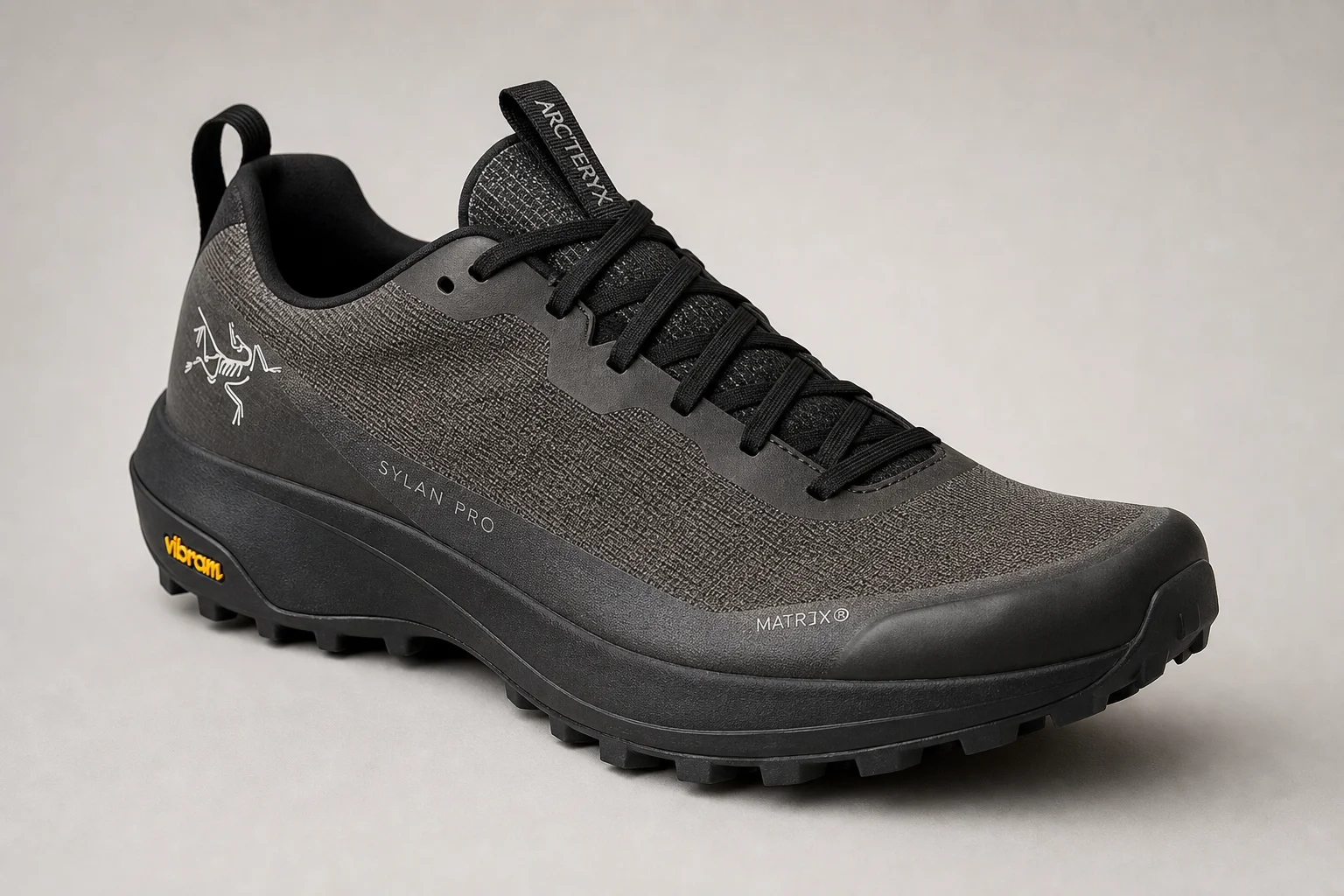
Arc'teryx Sylan Pro Review: A Rocker-Focused Mountain Running Shoe Tested on 20 Miles
The Arc'teryx Sylan Pro brings a pronounced rocker geometry and secure fit to mountain terrain. We tested it on a 20-mile Sawtooth loop to evaluate its climbing efficiency, protection, and handling of technical descents.
Trail Running Shoes
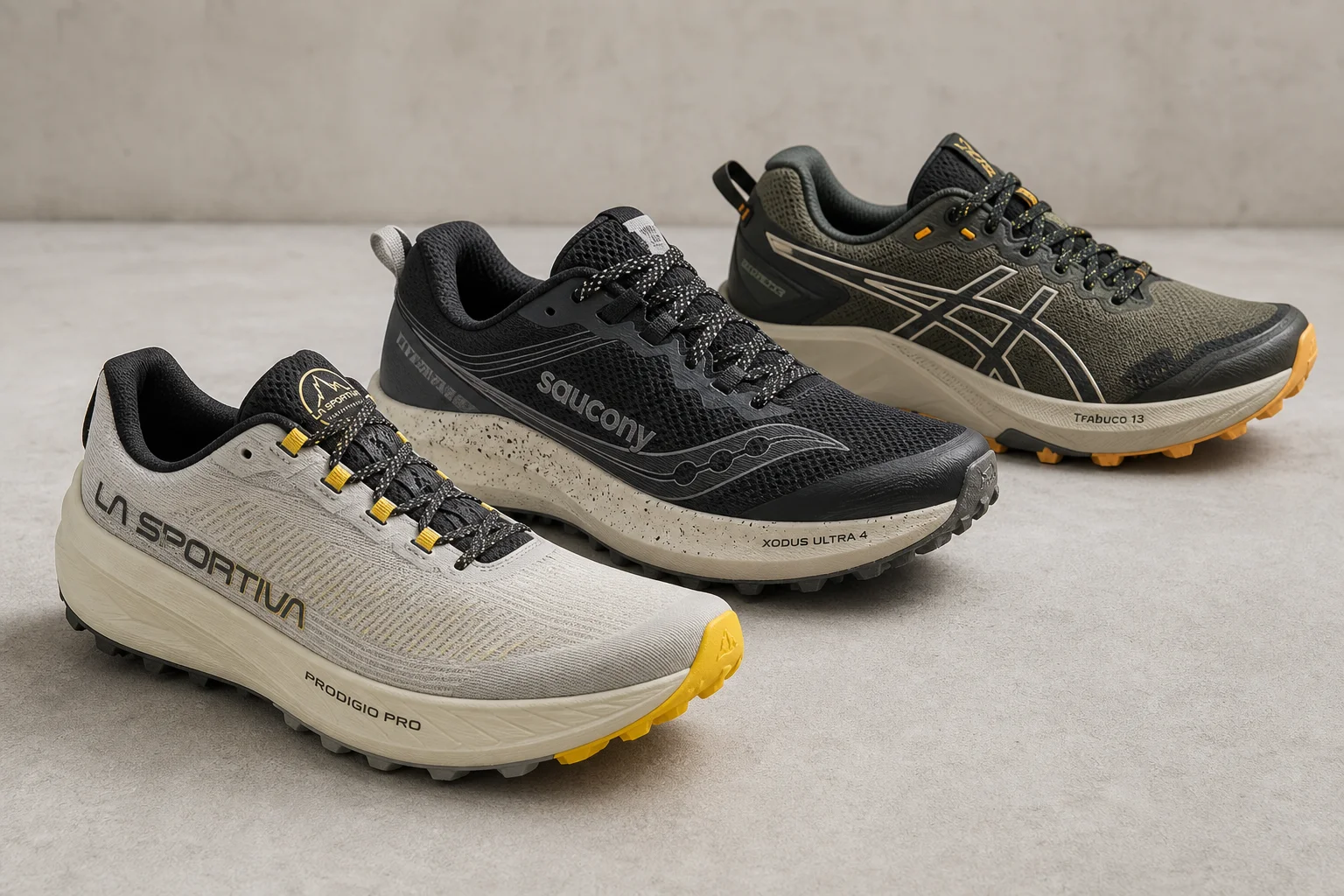
Best All-Mountain Trail Running Shoes: Three Versatile Options for Any Trail
A focused roundup of three all-mountain trail running shoes that handle technical terrain, long distances, and variable conditions with real strengths and practical trade-offs.