Trail Running Shoes
Nike Zegama Review: Comfortable Zoom X Trail Shoe With Real Trade-Offs
Nike's first Zoom X trail shoe is undeniably comfortable for long runs, but a dampened ride and weak wet grip limit its appeal.
Introduction
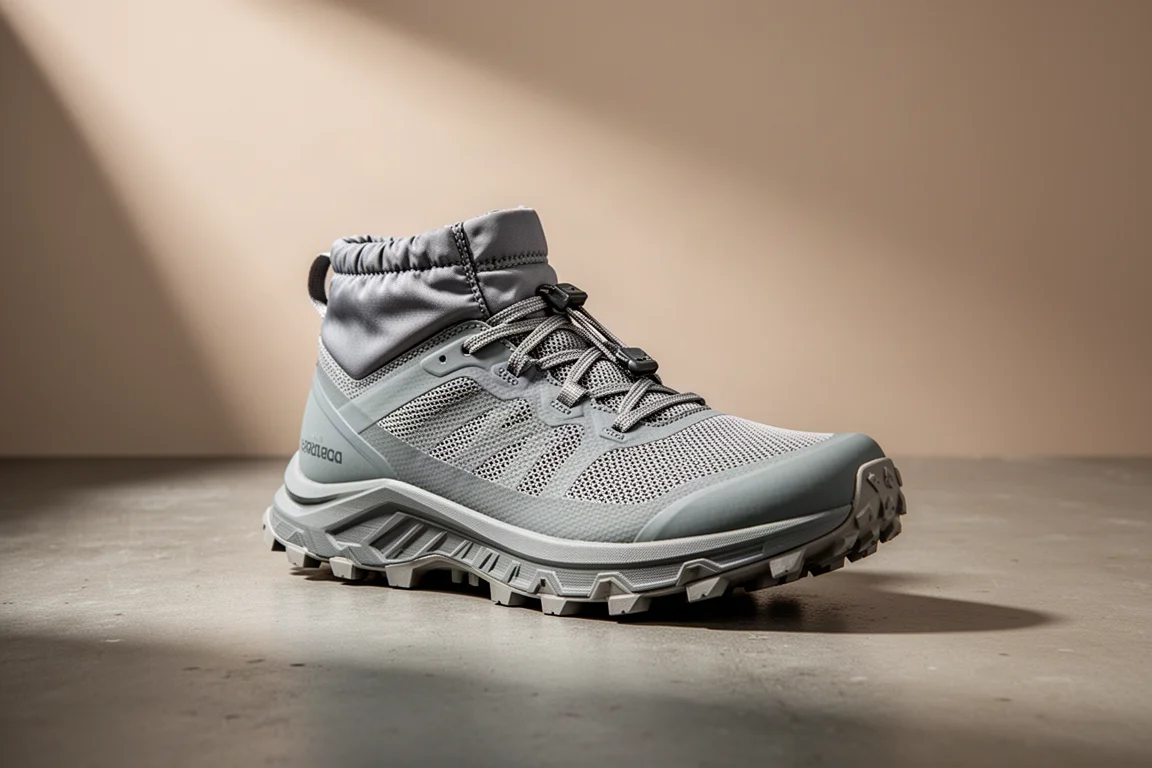
The Nike Zegama is Nike’s first trail shoe to use Zoom X midsole foam, the same material behind the Vaporfly, Alphafly and Invincible on the road. On paper, that combination promises something special for the trails. After extensive testing over forest trails, gravel paths, canal towpaths and stretches of road, the picture is more nuanced: this is a genuinely comfortable long-run shoe, but the Zoom X magic has been tamed, and the wet-weather grip leaves real questions.
At £144.95 in the UK and $160 in the US, it sits at a premium price point, so it is worth understanding exactly what you are getting before buying.
Specs and Design
The Zegama weighs 370 grams in a UK size 9 (295 grams in UK size 8), with a 4mm drop and a stated 37mm stack at the heel and 33mm at the forefoot. The upper uses mesh in the toe area, a thin toe bumper, a padded tongue, and an ankle gaiter to keep trail debris out, plus generous cushioning around the heel collar.
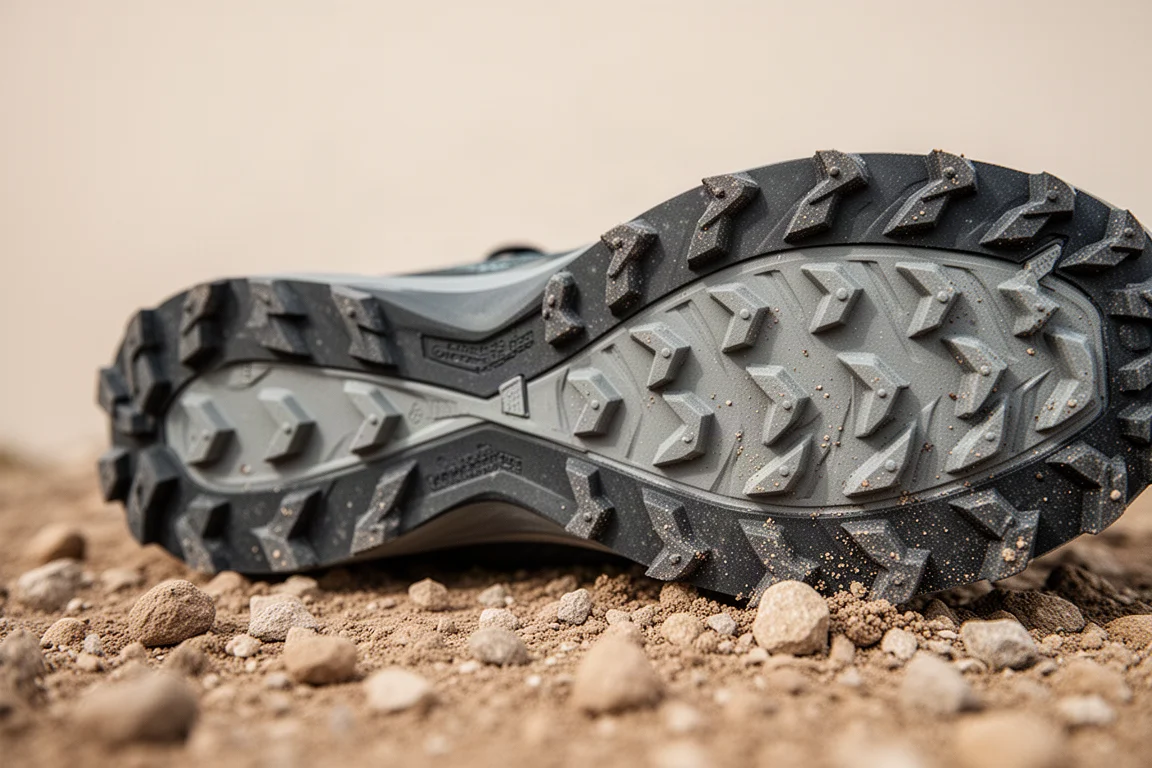
Underfoot, the full-length Zoom X midsole is wrapped in SR-02 foam, the carrier foam also used in the Zoom Fly 5, which surrounds the Zoom X to add stability. The outsole features 4mm lugs in a multi-directional pattern intended to handle a good range of terrain.

Fit and Sizing
Sizing is the first practical decision to get right. One tester ran in a half size down from their usual Nike road size and found the fit excellent, with a big roomy toe box that still left plenty of space even half a size down. If you are between sizes, going half a size down looks like the safer choice, and it removes any worry about toes hitting the front on long descents.
Another tester ran in their normal UK size and, after initial concerns about a snug first-run fit, found the shoe settled in well, with enough room for toes to spread. Both found the ankle area well padded, the sock-like collar hugging the foot to keep debris out, and the padded tongue comfortable under the laces.
The mesh upper sits roughly between the Pegasus Trail and the Terra Kiger in feel. Protection up front is thin, so this is not a shoe for heavily technical terrain.
Ride and Running Experience
The big question is whether Zoom X brings its signature lively bounce to the trail. The honest answer: not quite. The SR-02 carrier foam exists to stabilize the softer Zoom X, and it dampens much of the excitable, bouncy feel you get from the Invincible or Alphafly. The result is a comfortable, reasonably smooth ride rather than an impressive one.
Where the Zegama works best is on runnable trails with a firm-to-soft surface, including non-slushy mud, where it delivers a smooth, comfortable ride that disappears on the foot. On rutted or uneven ground, the high stack and lack of flexibility make it feel slightly unwieldy, and landings at awkward angles can feel jarring. It is not a nimble or forgiving shoe, and the ride overall is fairly dull, drawing comparisons to the Hoka Speedgoat 5, which offers a better rocker and better grip.
Grip and Outsole Performance
Grip is the Zegama’s weakest area. In the dry it grips well on almost everything: gravel, singletrack, forest trails, even road sections. In the wet, it struggles. The hard rubber compound slips on wet roots, wet rocks and slick edges of features, exactly where grip matters most. It is serviceable on soft muddy ground, and the rubber does improve slightly once roughed up with use, but Vibram and Continental-style outsoles hold wet hard surfaces noticeably better.

This is a recurring theme with Nike trail shoes, and anyone expecting regular rain or wet conditions should factor it heavily into the decision.
How It Compares
The uncomfortable truth is that Nike has landed in a segment already better served elsewhere. The Hoka Speedgoat 5 is a similar shoe that is cheaper, more comfortable over both long and short distances, and significantly grippier in all conditions thanks to its well-designed Vibram outsole. The Hoka Torrent and The North Face Flight Vectiv come across as more nimble options, and the Saucony Peregrine handles a wider mix of terrain while staying comfortable.
Within Nike’s own range, the Zegama fills a gap: it has better grip than the Pegasus Trail 4 with more impressive chevron lugs that bite into softer ground, and it is more comfortable than the Pegasus Trail on long, hard trail runs. It is a welcome long-distance cushioned option in the lineup, just not a standout against the wider market.
Who Should Buy the Nike Zegama
The Zegama makes sense for runners who prioritize all-day comfort on long, mostly runnable trails in mostly dry conditions. If you want a smooth cruiser for big mileage days and you rarely run in rain, it delivers that comfortably. If you were hoping for a genuinely bouncy Zoom X trail experience, or you need dependable wet-weather traction, the Speedgoat 5 remains the easier pick.

Conclusion
The Nike Zegama is a comfortable, well-fitting trail shoe that fills a genuine gap in Nike’s range, but the SR-02 carrier foam tames the Zoom X ride to the point where it feels like just another cushioned trail shoe, and the outsole is a clear liability in the wet. Good in places, unremarkable on the whole, and hard to recommend at this price over more complete rivals.
Product link
View more details for Nike Zegama
This product is mentioned in the review. Check the specifications, options, and compatibility before buying.
View more details for Nike ZegamaFurther reading
Related Reviews
Trail Running Shoes
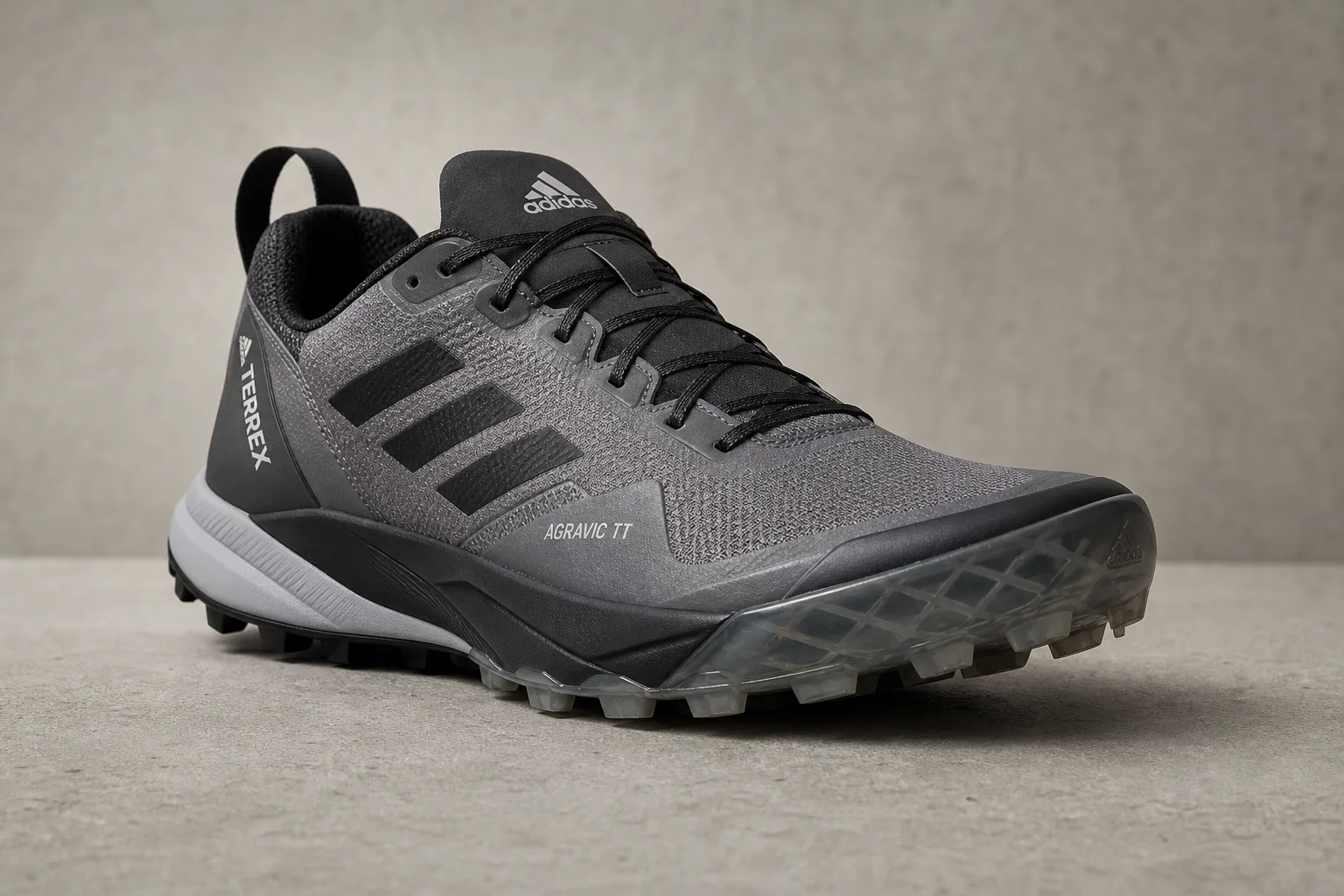
Adidas Terrex Agravic TT Review: A Technical Trail Shoe Built for Rocky Terrain
The Adidas Terrex Agravic TT combines a full-coverage rock plate with a firmer midsole to deliver protection and stability on technical, rocky trails. A capable choice for runners who prioritize underfoot defense over lightweight cushioning.
Trail Running Shoes
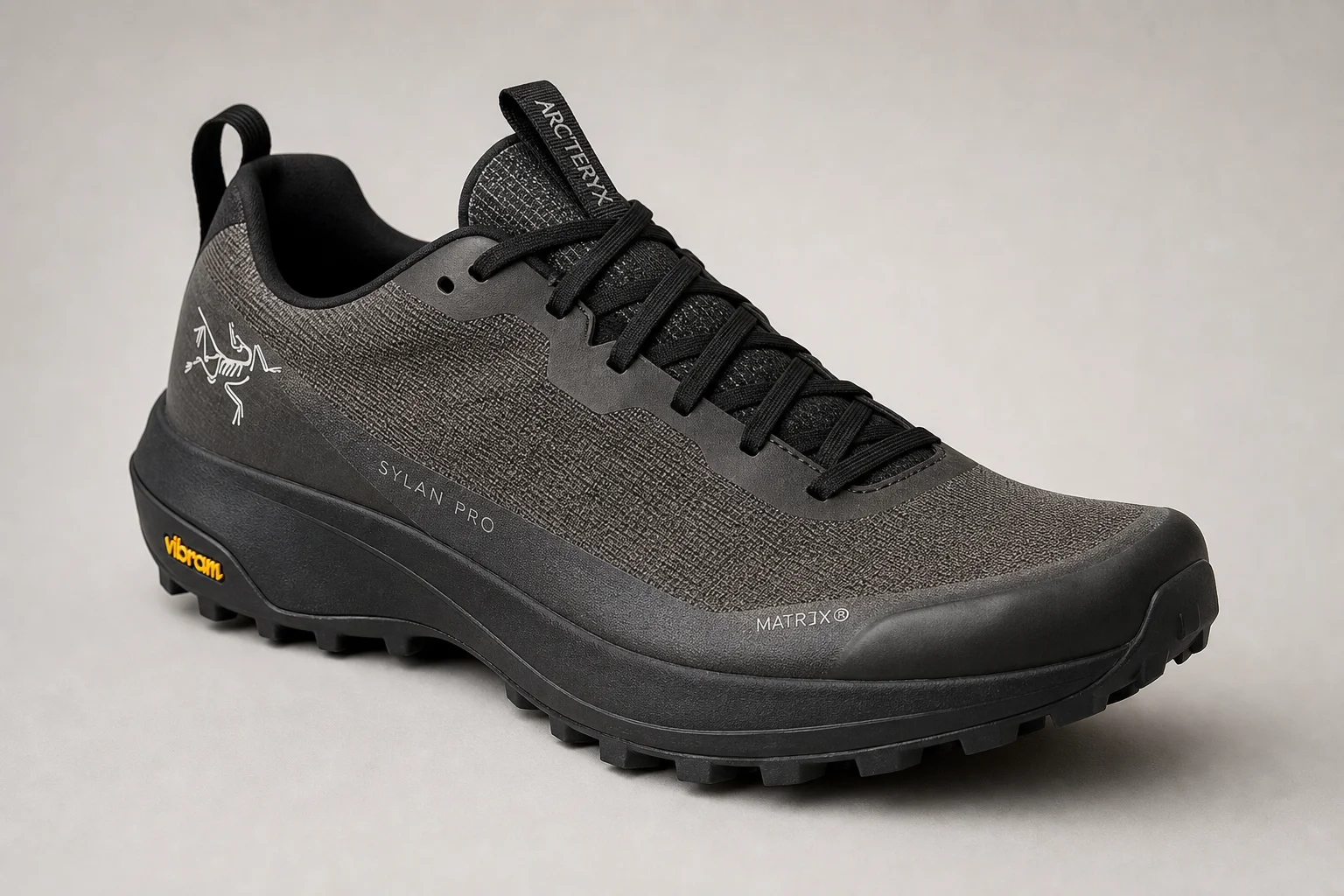
Arc'teryx Sylan Pro Review: A Rocker-Focused Mountain Running Shoe Tested on 20 Miles
The Arc'teryx Sylan Pro brings a pronounced rocker geometry and secure fit to mountain terrain. We tested it on a 20-mile Sawtooth loop to evaluate its climbing efficiency, protection, and handling of technical descents.
Trail Running Shoes
Best All-Mountain Trail Running Shoes: Three Versatile Options for Any Trail
A focused roundup of three all-mountain trail running shoes that handle technical terrain, long distances, and variable conditions with real strengths and practical trade-offs.