Trail Running Shoes
Nike Zegama 2 Review: A Max-Cushion Trail Workhorse Compared Against Three Rivals
The Nike Zegama 2 tested over 12 miles of muddy, technical trail, with comparisons to the Norda 001, Adidas Agravic Speed Ultra, and Nike Pegasus Trail 5 GTX.
Introduction
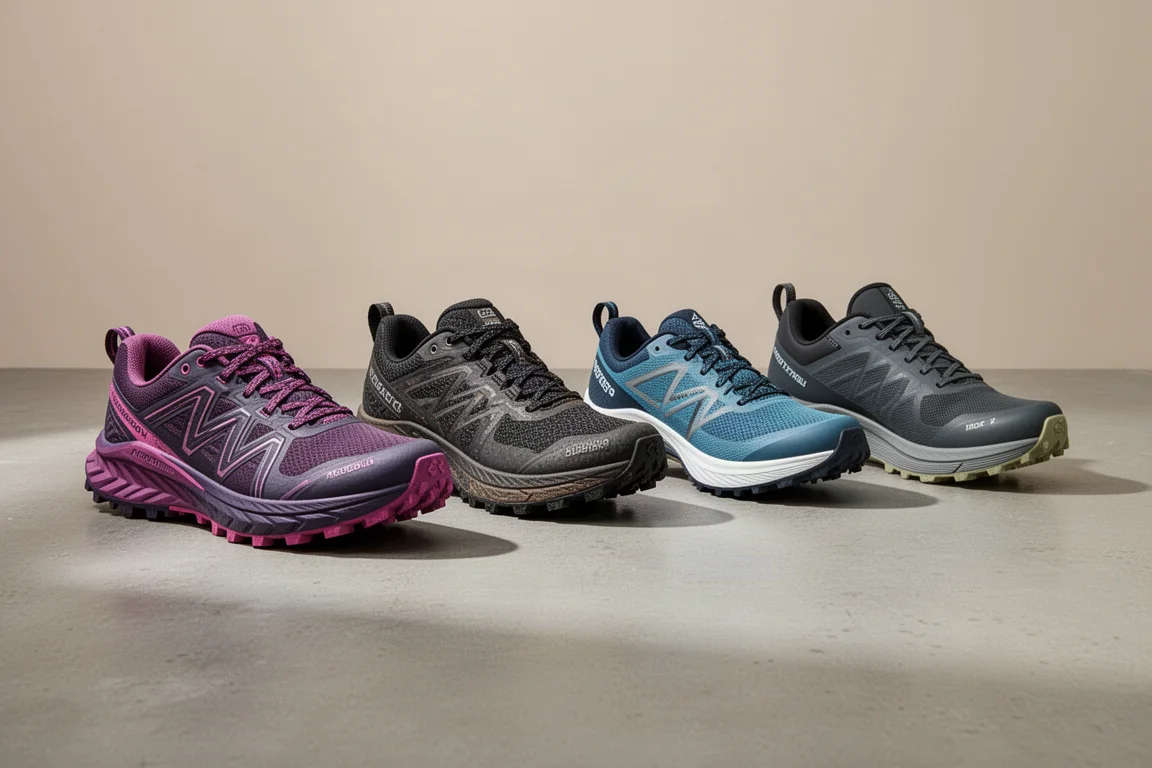
Trail shoes rarely get the attention road shoes do, but the Nike Zegama 2 deserves some. It is Nike’s top non-plated trail shoe, a max-stack platform built around cushion, comfort, and control, and it was put through a 12-mile test on genuinely mixed terrain: grass, mud, rocks, roots, and Carolina red clay. Along the way it went head to head with three very different trail shoes, each of which suits a different kind of runner.

Evaluation Criteria
The test focused on three things: cushion, comfort, and control. How much protection does the platform give over rough ground, how does the upper feel after an hour on foot, and how planted does the shoe stay on climbs, descents, and slick sections.
Testing Conditions: Mud, Roots, and Red Clay
The test route covered just about every terrain type a trail shoe can face except slick rock: frozen gravel, root-heavy technical sections, deep mud, dry climbs, and fast descents. That mix exposed real differences between the shoes quickly.
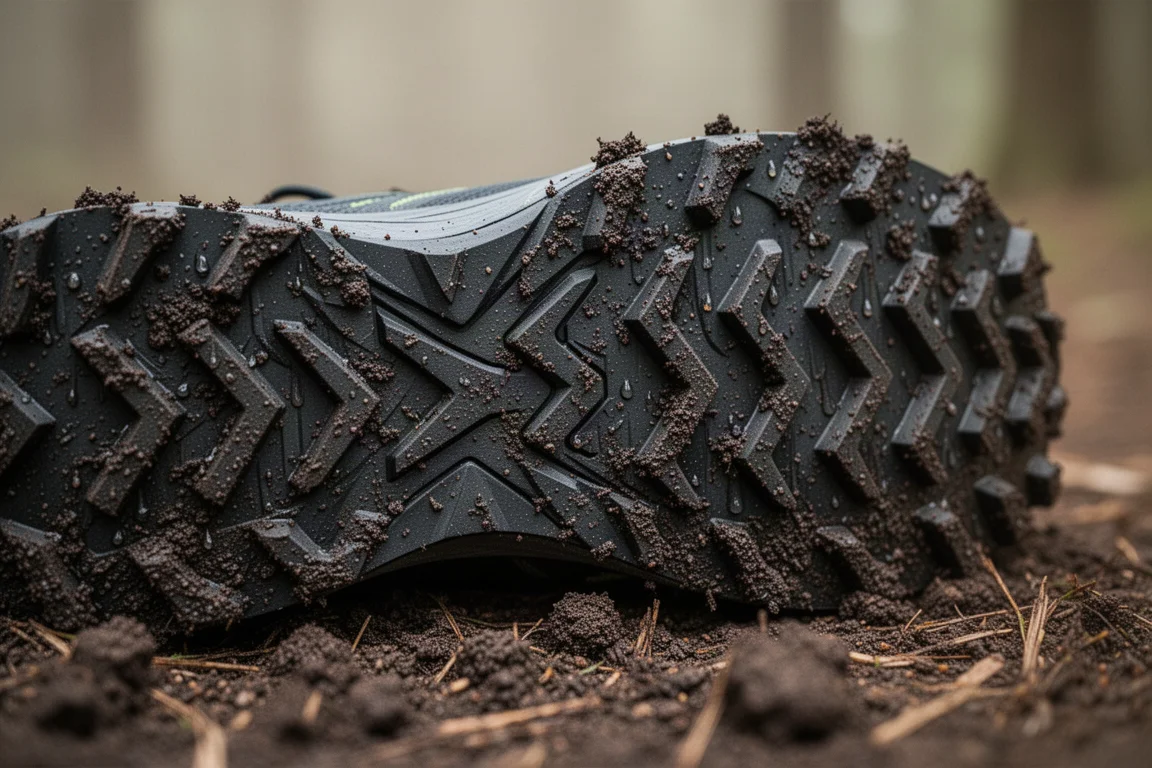
The Zegama 2 handled the variety well. Its 4mm chevron-pattern lugs shed mud nicely and gave solid grip on dry climbs and descents. Deep Carolina red clay was the weak spot, where it slipped and slid like most shoes would, but on everything else it felt planted and stable, never tall or wobbly.
Nike Zegama 2: Cushion, Comfort, and Control
The Zegama 2 measures 39mm in the heel and 35mm in the forefoot for a claimed 4mm drop, which is surprising for Nike and noticeable on foot as a flatter, more grounded platform. The midsole uses ZoomX that feels firmer than the road version, likely a blend or wrapped in a carrier, and the ride lands closer to a trail Vomero than a trail Invincible: cushioned and reliable with a touch of bounce rather than a soft, plush sink.
At 324.5 grams it is heavy for a trail shoe, roughly the weight of a max-cushion road trainer, but the payoff is a wide, stable base that inspires confidence on technical ground and downhill bombing, which turned out to be one of its genuine superpowers. The upper is the best trail upper tested this year: thick, padded, dialed in, and comparable to a basketball shoe in step-in comfort.
Two real downsides: there is no rock plate and the foam is not dense enough to fully deaden sharp rocks, so you feel stones through the forefoot. And while there is some ZoomX pop on runnable flats, the shoe lacks the bite for true racing efforts or uphill repeats.
Norda 001: The Durable Benchmark
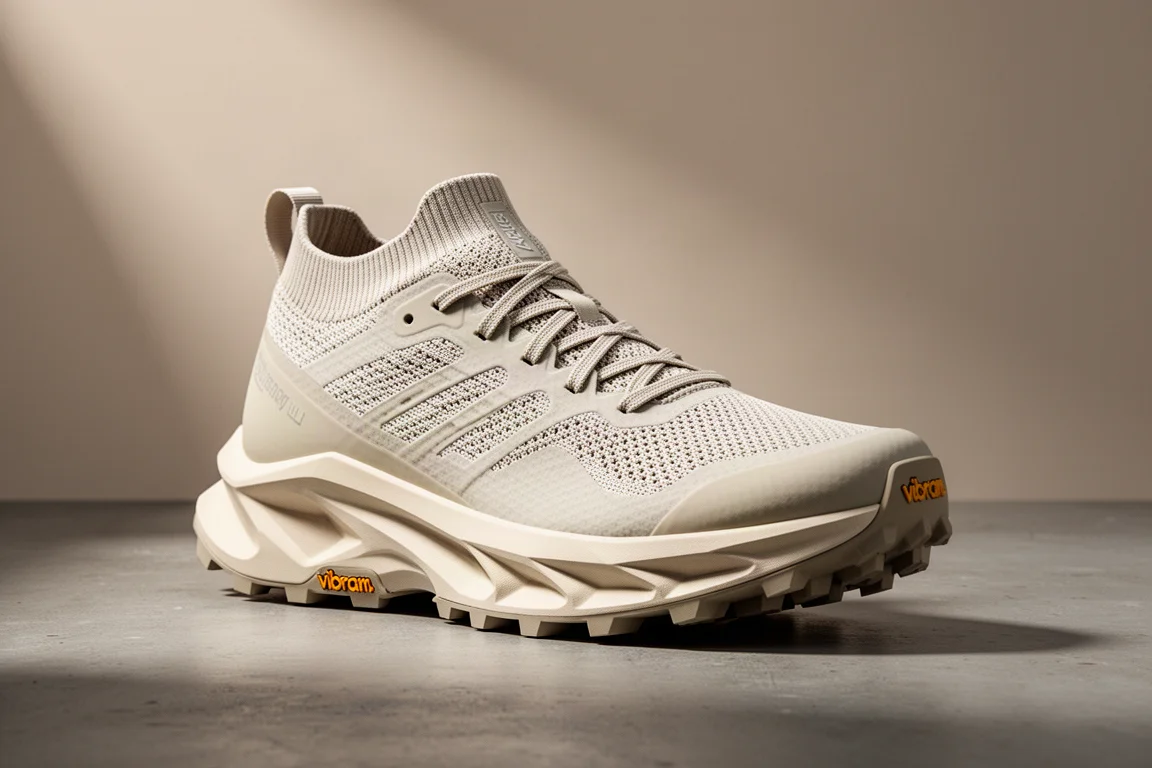
The Norda 001 has been the go-to trail shoe for good reason. It has logged races, podiums, and hikes, with reports of extreme durability and 5mm lugs that grip seriously wet terrain. The midsole is not exciting, more dense cushion than bounce, but it deadens rock and root feel beautifully and stays stable on anything.

At 385 grams it is even heavier than the Zegama on the scale, though it feels lighter in hand because the upper is so minimal. That upper is also its flaw: no padding at the heel means it can poke into the Achilles. At a $300 price it is hard to call any shoe worth that, but it does offer slightly more bounce, slightly more protection, and better deep-mud performance than the Zegama. It remains the more serious trail product.
Adidas Agravic Speed Ultra: Speed for Smooth Terrain
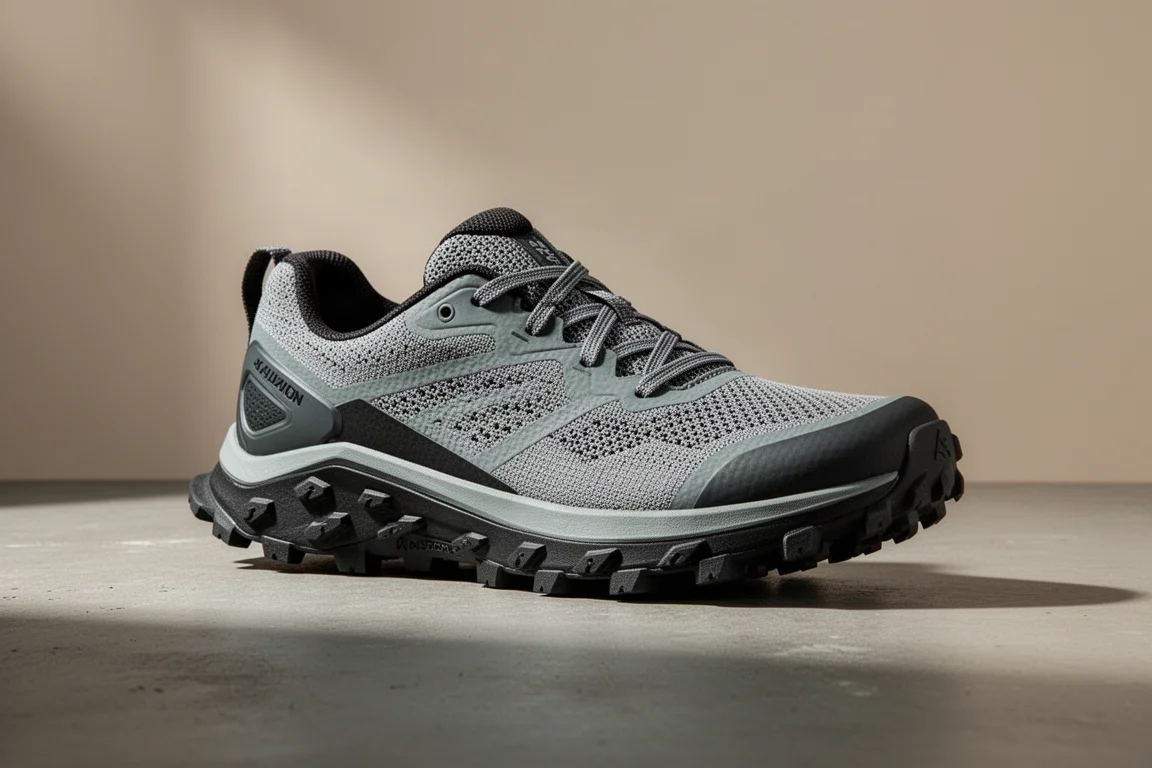
The Adidas Agravic Speed Ultra is one of the few true trail super shoes, pairing real Light Strike Pro foam with energy rods and Continental rubber in a 272.5-gram package, roughly 60 grams lighter than the Zegama. The upper is super minimal with no padding, and the midfoot is narrower than almost any road speed shoe.
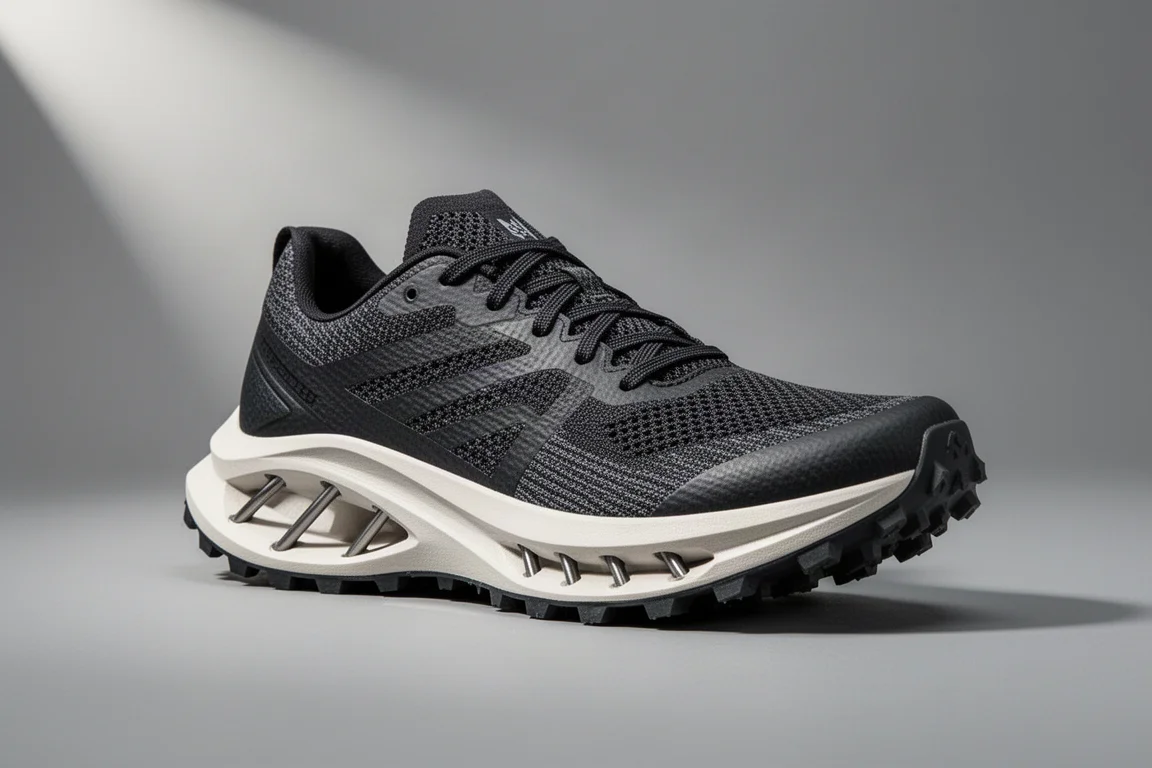
This is the shoe for ripping gravel roads and fire roads, the kind of smooth dirt surface that makes up much of UTMB. It is not the shoe for slick muddy terrain, deep red clay, or rocky ground: the aggressive rocker, narrow base, and minimal protection make it less confidence-inspiring when things get rough.
Nike Pegasus Trail 5 GTX: The Road-Trail Hybrid
The Pegasus Trail 5 GTX is not a serious technical trail shoe, and it does not pretend to be. It uses Nike’s All-Terrain compound rather than Vibram, with shallower 2 to 3mm diamond lugs, and its main appeal is the Gore-Tex upper for waterproofing plus hybrid road-trail versatility.
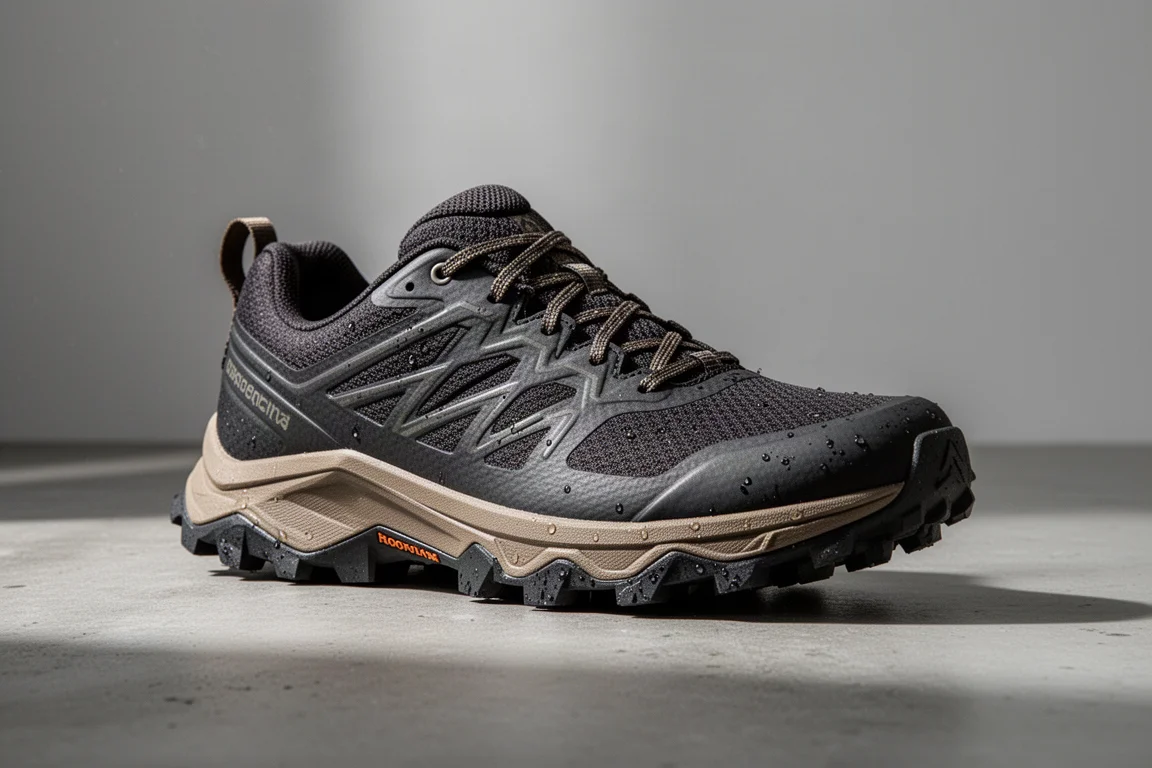
Stepping from it into the Zegama highlights the difference immediately: the Zegama has more forefoot foam, more bounce, more trail protection, and far more aggressive grip, while the Pegasus Trail is the better pick if roads make up most of your running and waterproofing matters.
Buying Advice: Which One Fits Your Trails
If you want one versatile trail workhorse, the Zegama 2 at its $130 sale price is an easy recommendation, especially as a first trail shoe or a winter-friendly option since it lacks a Gore-Tex upper but handles mixed conditions well. If you race or log serious trail miles and want the most capable, durable platform, the Norda 001 delivers what you pay for, Achilles quirks aside.

If your trails are mostly smooth dirt and gravel and you want off-road speed, the Agravic Speed Ultra is the specialist. And if you need waterproofing plus a shoe that splits time between pavement and easy trails, the Pegasus Trail 5 GTX is the sensible hybrid.
Conclusion
The Nike Zegama 2 is a stable, comfortable, genuinely fun max-cushion trail shoe that earned a permanent spot in the rotation. It will not beat the Norda 001 for racing or deep mud, and it is not built for all-out speed, but as an all-around trail companion it gets the three C’s right: cushion, comfort, and control.
Further reading
Related Reviews
Trail Running Shoes
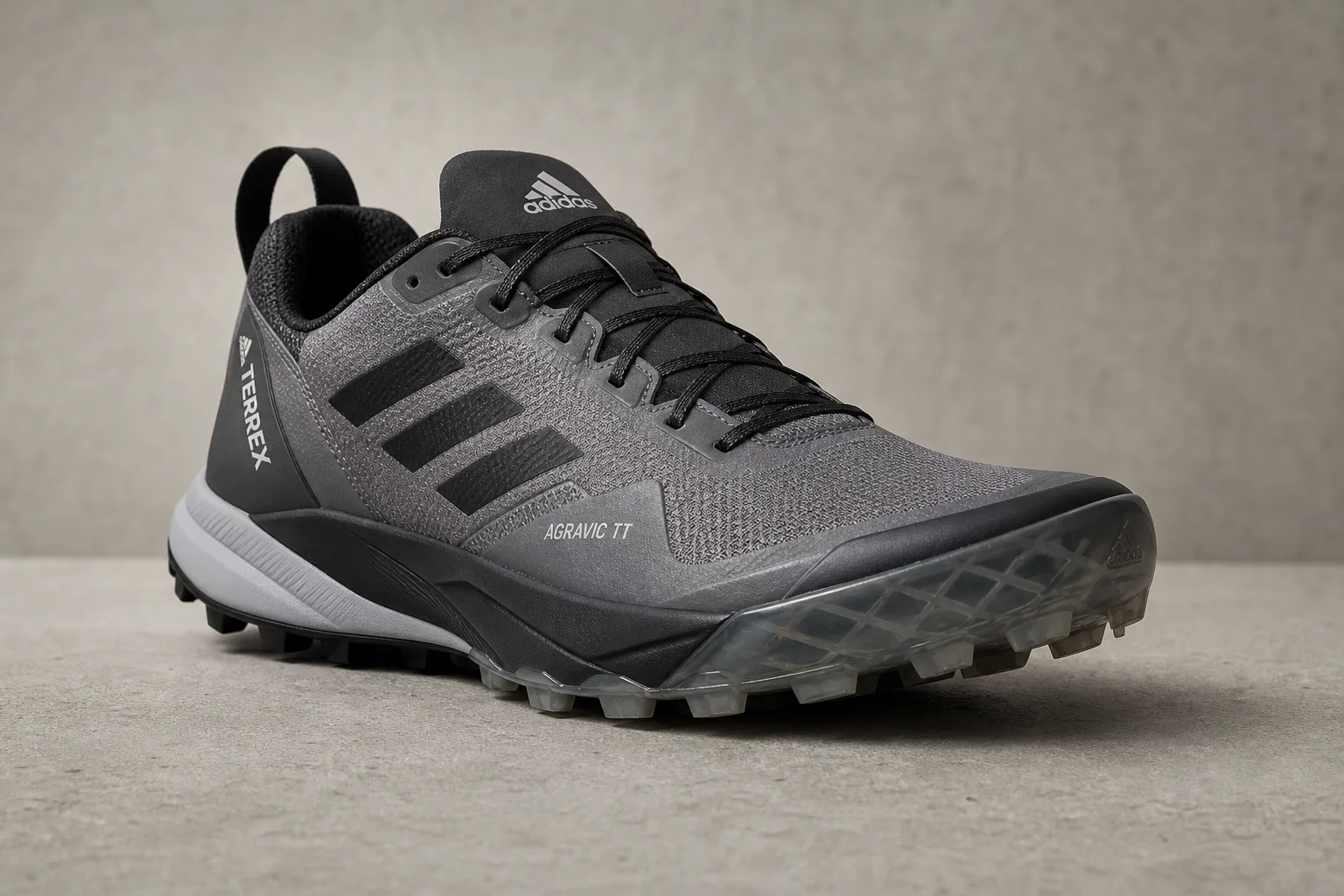
Adidas Terrex Agravic TT Review: A Technical Trail Shoe Built for Rocky Terrain
The Adidas Terrex Agravic TT combines a full-coverage rock plate with a firmer midsole to deliver protection and stability on technical, rocky trails. A capable choice for runners who prioritize underfoot defense over lightweight cushioning.
Trail Running Shoes
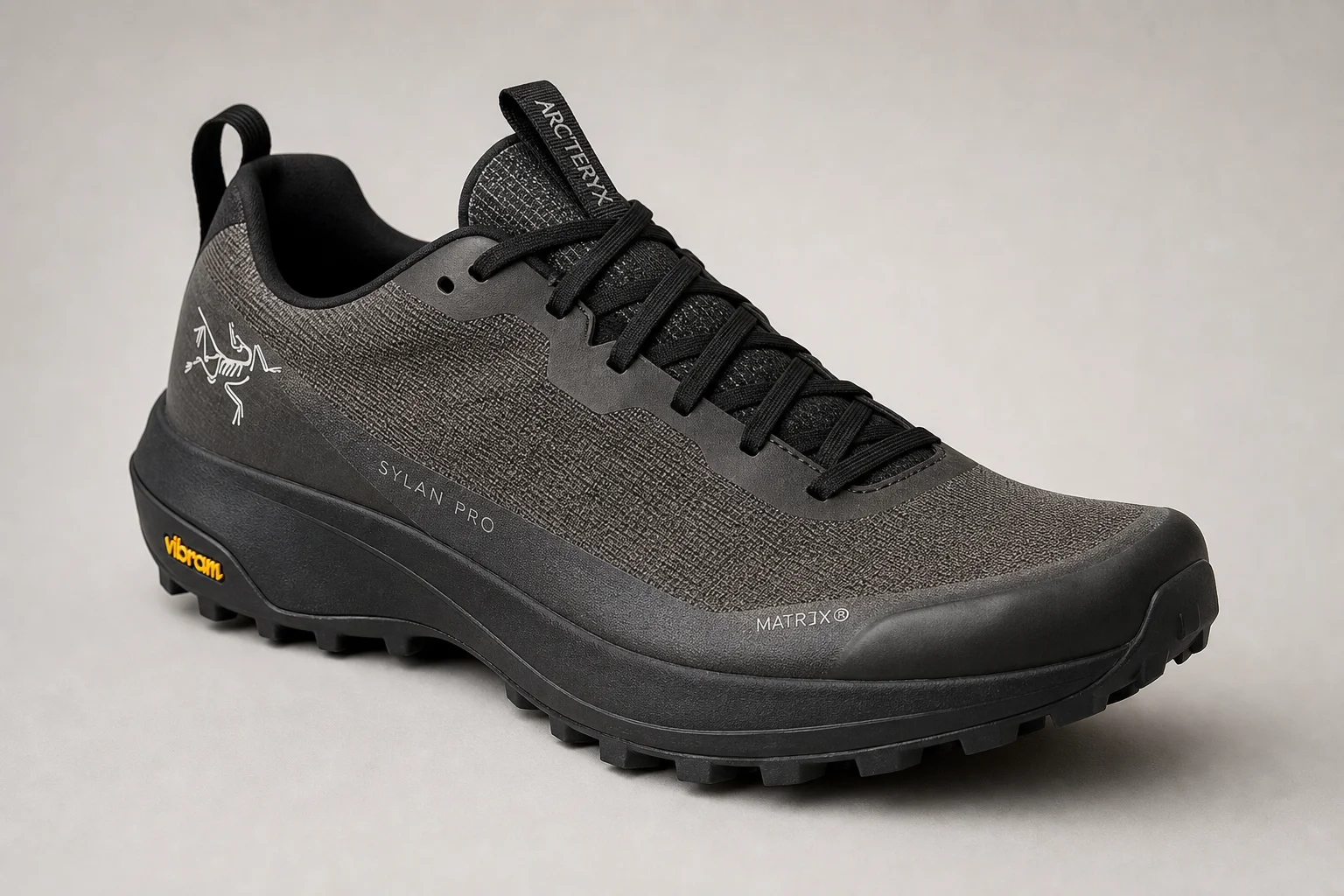
Arc'teryx Sylan Pro Review: A Rocker-Focused Mountain Running Shoe Tested on 20 Miles
The Arc'teryx Sylan Pro brings a pronounced rocker geometry and secure fit to mountain terrain. We tested it on a 20-mile Sawtooth loop to evaluate its climbing efficiency, protection, and handling of technical descents.
Trail Running Shoes
Best All-Mountain Trail Running Shoes: Three Versatile Options for Any Trail
A focused roundup of three all-mountain trail running shoes that handle technical terrain, long distances, and variable conditions with real strengths and practical trade-offs.