Trail Running Shoes
Nike Zegama 2 Review: 100 Miles on Nike's Updated Long-Distance Trail Shoe
The Nike Zegama 2 finally gets the Vibram Megagrip outsole the original deserved, but a narrower upper and a few small regressions are worth checking before you buy.
Introduction
The first Zegama had a lot going for it: big cushioning, all-day comfort, a proper long-distance trail shoe for cruising through miles. It also had one glaring problem, and everyone who ran in wet conditions knew exactly what it was. The outsole grip was genuinely poor, especially in the wet, and it held the whole shoe back.
Nike has now launched the Zegama 2, and the headline change addresses exactly that issue. I have put 100 miles through this pair to find out whether Nike has fixed the grip problem, what else has changed, and whether this shoe earns a place in a regular rotation. This pair was purchased with personal funds, so these are unsponsored, impartial impressions.
Specs and Key Details
The Zegama 2 is very much a long-distance, cruisy trail shoe built around comfort. Pricing came in at £160 in the UK at launch, and it sits around $180 or €180 in other markets.
Nike is not generous with stack figures, but the rear stack is thought to be around 36mm with roughly a 4mm drop. Weight is 389g in a UK size 12, essentially identical to the outgoing model at 387g, so there is no added bulk from the updates.
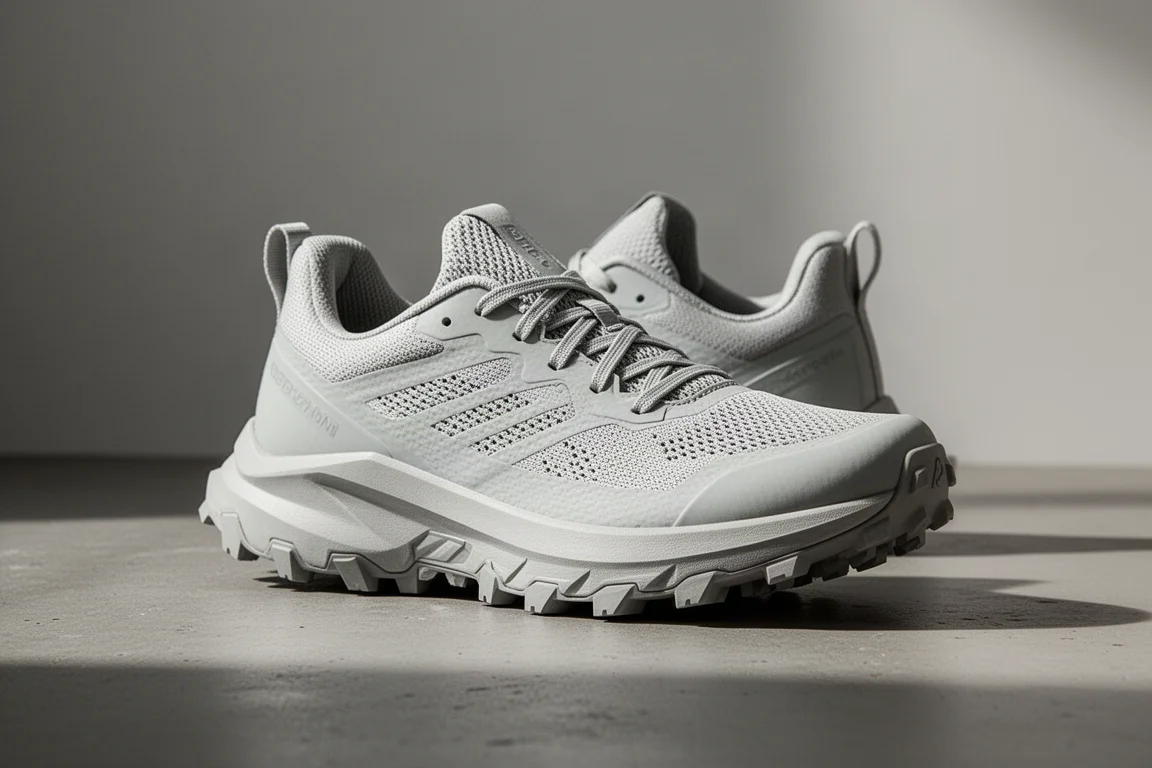
Around the shoe: an engineered mesh upper aimed at breathability, a midsole built on Nike’s flagship ZoomX foam wrapped in a protective carrier foam for trail durability, and a neutral platform with no width options. Two colourways launched in the UK and five in the US, all fairly light shades, which is a slightly odd choice for muddy trails. Sizing runs true to size, matching the outgoing model.
What’s New in the Zegama 2
The big update is the all-new Vibram Megagrip outsole, and it is the change most people have been waiting for. Nike also refined the upper slightly, cleaned up small details, made the shoe a touch more aerodynamic, and added a little more rocker at the front.
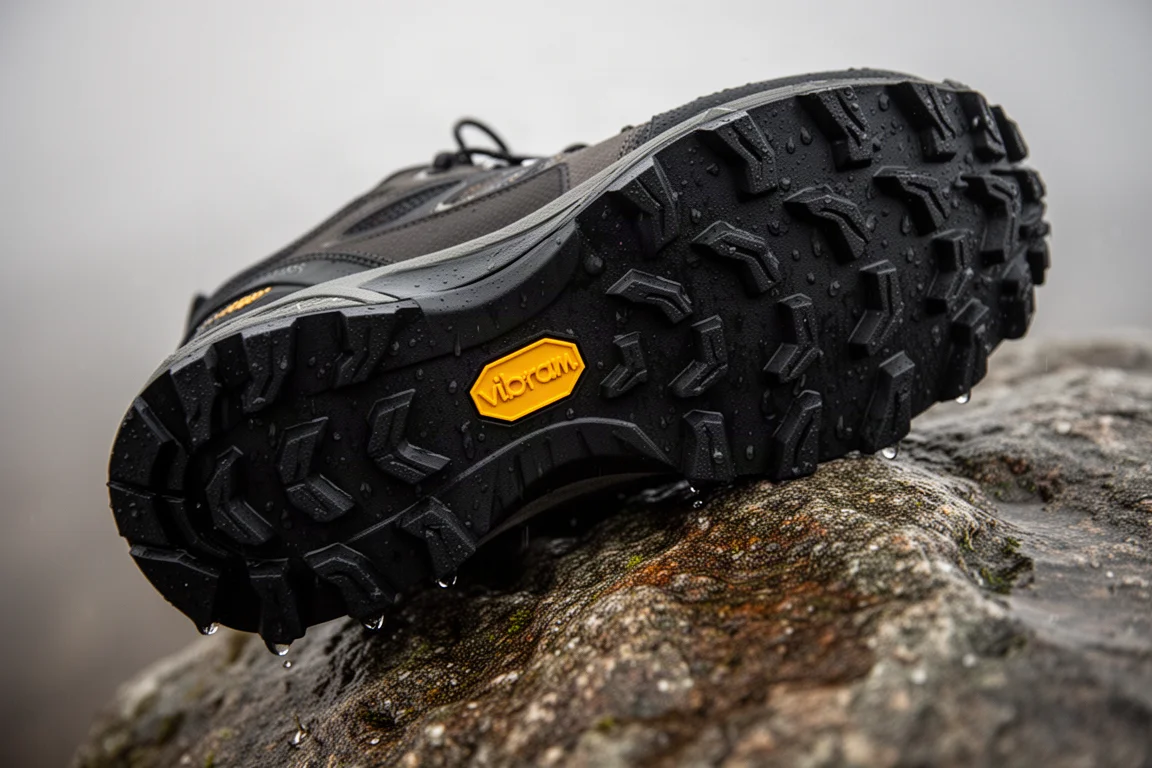
It is also worth noting that the Zegama now joins the Nike Ultrafly, the brand’s flagship carbon-plated trail shoe, in carrying the Megagrip outsole. Notably, the Nike Pegasus Trail 5 did not receive the same treatment.
The Positives: Where It Shines
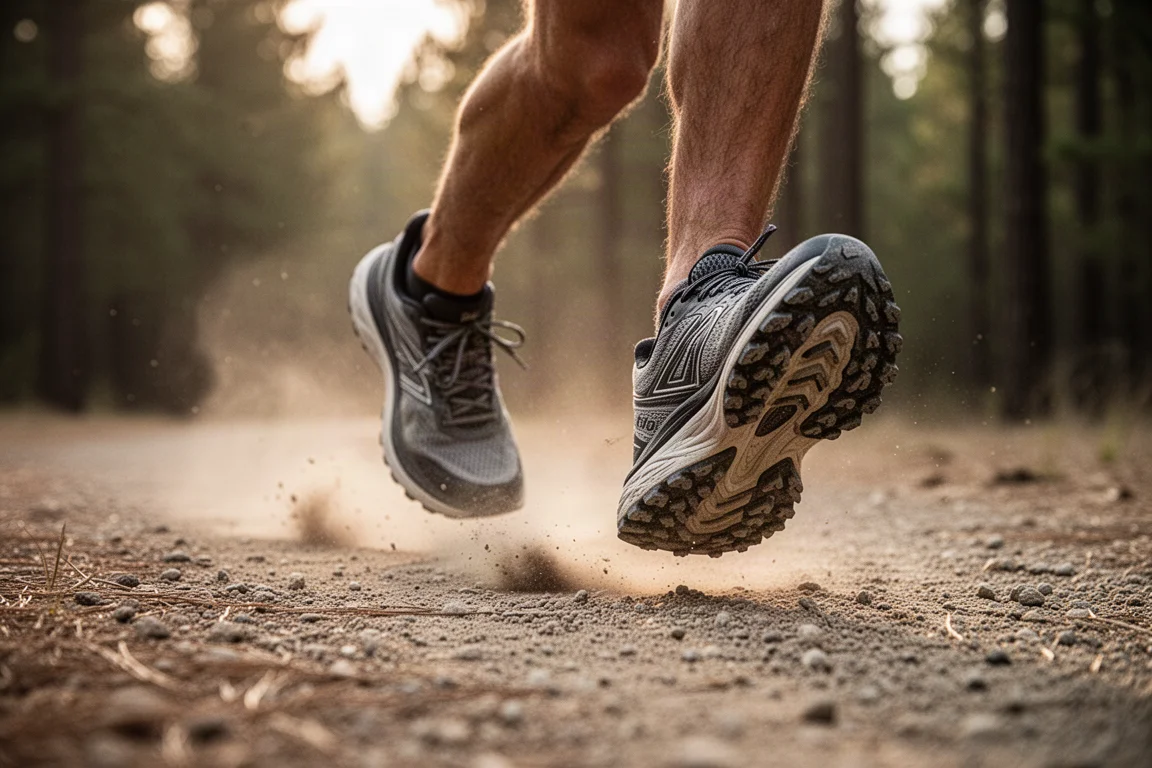
The outsole is the star. Wet grip, dry grip, and all-around traction are night and day better than the original. Across 100 miles over mud, rocks, and wet dirt, there was barely a slip, and every surface passed with flying colors.
Stability has improved too. The ride through footstrike is smooth and planted, with far less of the sideways movement that plagued the outgoing model. The shoe handles corners and direction changes with confidence, and the increased rocker makes it feel natural on tarmac for road-to-trail days.
Comfort remains the core appeal. The high stack of ZoomX foam delivers a super soft, super bouncy ride that rolls over rocks and roots without you really feeling them. After 100 miles, the outsole shows very little wear, so durability looks promising. The ankle gaitor at the back kept debris out, and there were no heel slip issues at all.
The Negatives: What Still Needs Work
This is still a big, somewhat clunky shoe, though at least there is no weight gain. It also runs a little warm; feet got noticeably hot on summer runs, which could matter in particularly hot climates.
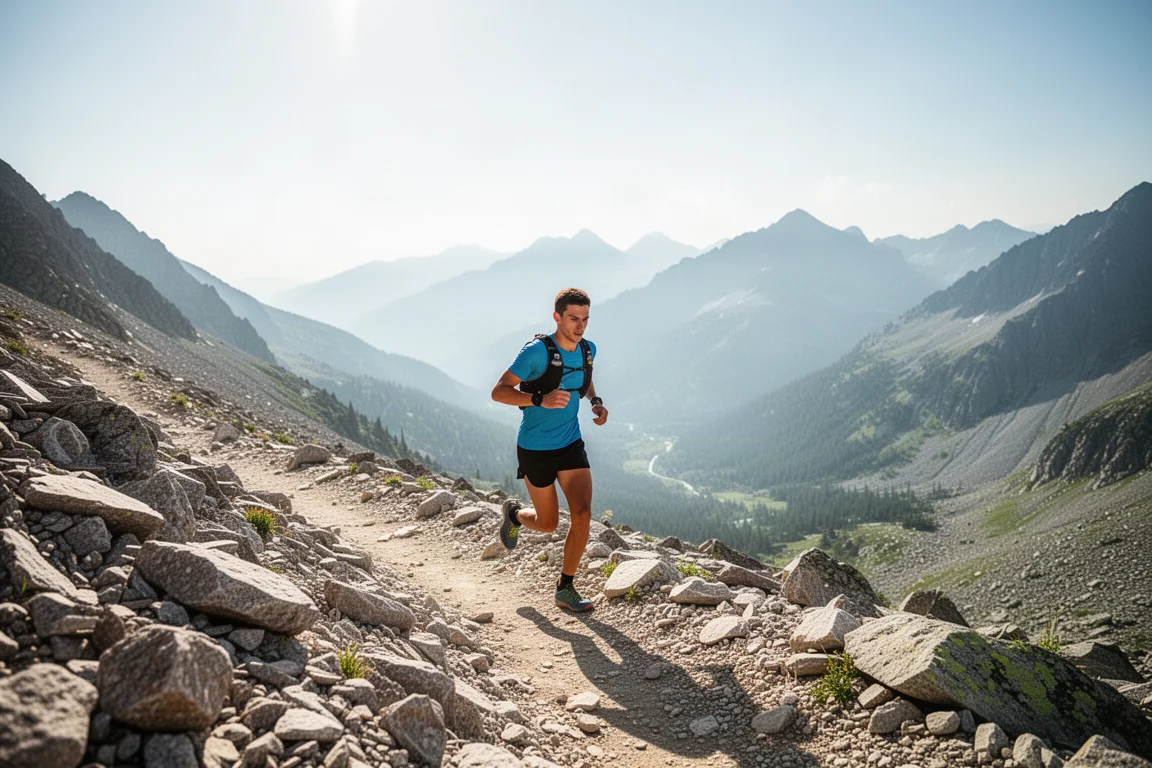
The more surprising issue is the fit. The new upper has noticeably less depth and feels narrow in the toe box. After a long race in the shoe, feet were scrunched up, and a couple of small blisters started to form. On shorter training runs there were no issues, but on a very long day when feet swell, the lack of room shows. There is no wide option, so if you have wider feet, this is one to avoid.
The laces are also oddly short, which makes heel-lock lacing difficult if you have heel slip issues. And while the original had a decent toe bumper, it has disappeared here. Hitting a rock or tree root leaves your toes sore, which matters on technical mountain trails.
Who Should Buy the Zegama 2
If you want a long-distance, cruisy shoe that screams all-day comfort, and your feet are not too wide, this is a strong choice, now backed by the confidence of running in all weathers thanks to the updated outsole. If you want a lightweight, nimble shoe, or you have a wider foot, look elsewhere.
Fans of the Zegama 1 will very likely like this version, mainly for the outsole upgrade. It earns a place in a regular rotation for training miles. For a race tomorrow, the verdict is more cautious: the narrower front end makes the original the safer pick until more miles confirm whether that narrowness is consistent.
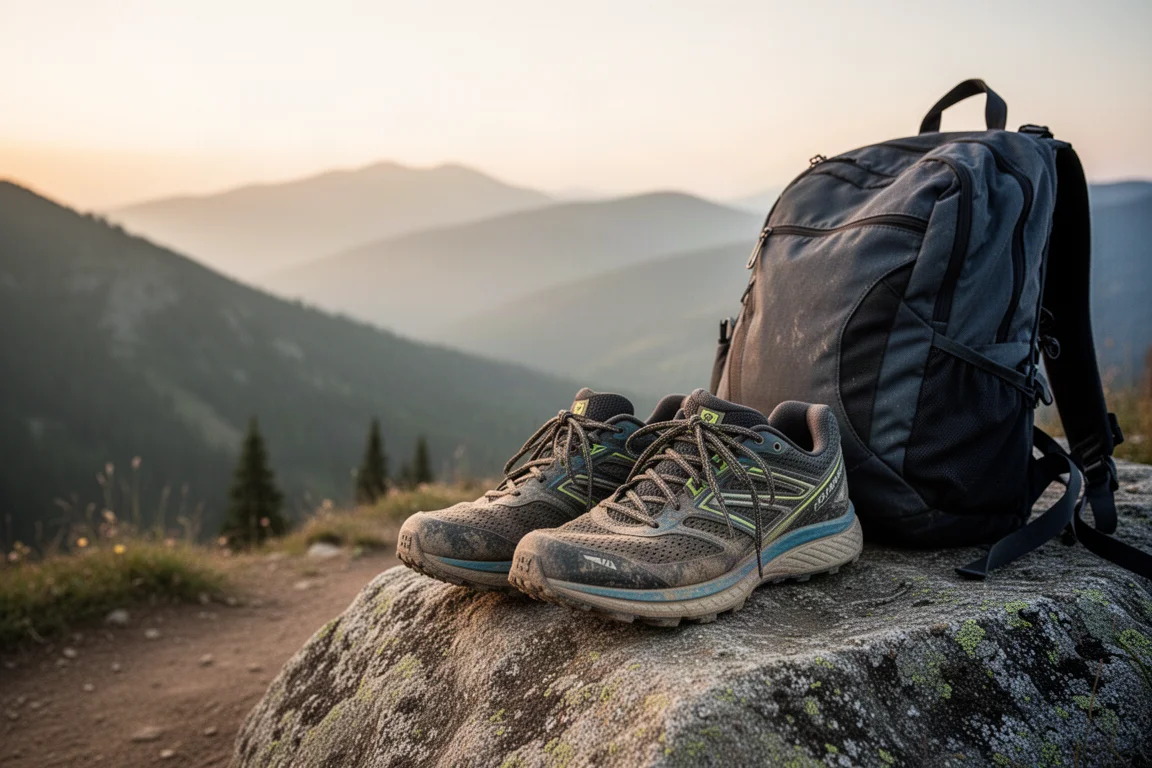
Buying Advice
If you do pick up a pair, test them thoroughly indoors before heading outside. Check lockdown, confirm there is no heel slip, and pay attention to how the front of the shoe feels around your toes. That five-minute check will tell you quickly whether the narrower upper will work for your feet.
Conclusion
The Zegama 2 is a fantastic update where it counts. The Vibram Megagrip outsole transforms grip in both wet and dry conditions, stability and confidence have improved, and the signature plush comfort carries over. The narrower toe box and missing toe bumper are genuine drawbacks, but for long, comfortable trail miles in most conditions, this shoe now makes a much stronger case than its predecessor.
Product link
View more details for Nike Zegama 2
This product is mentioned in the review. Check the specifications, options, and compatibility before buying.
View more details for Nike Zegama 2Further reading
Related Reviews
Trail Running Shoes
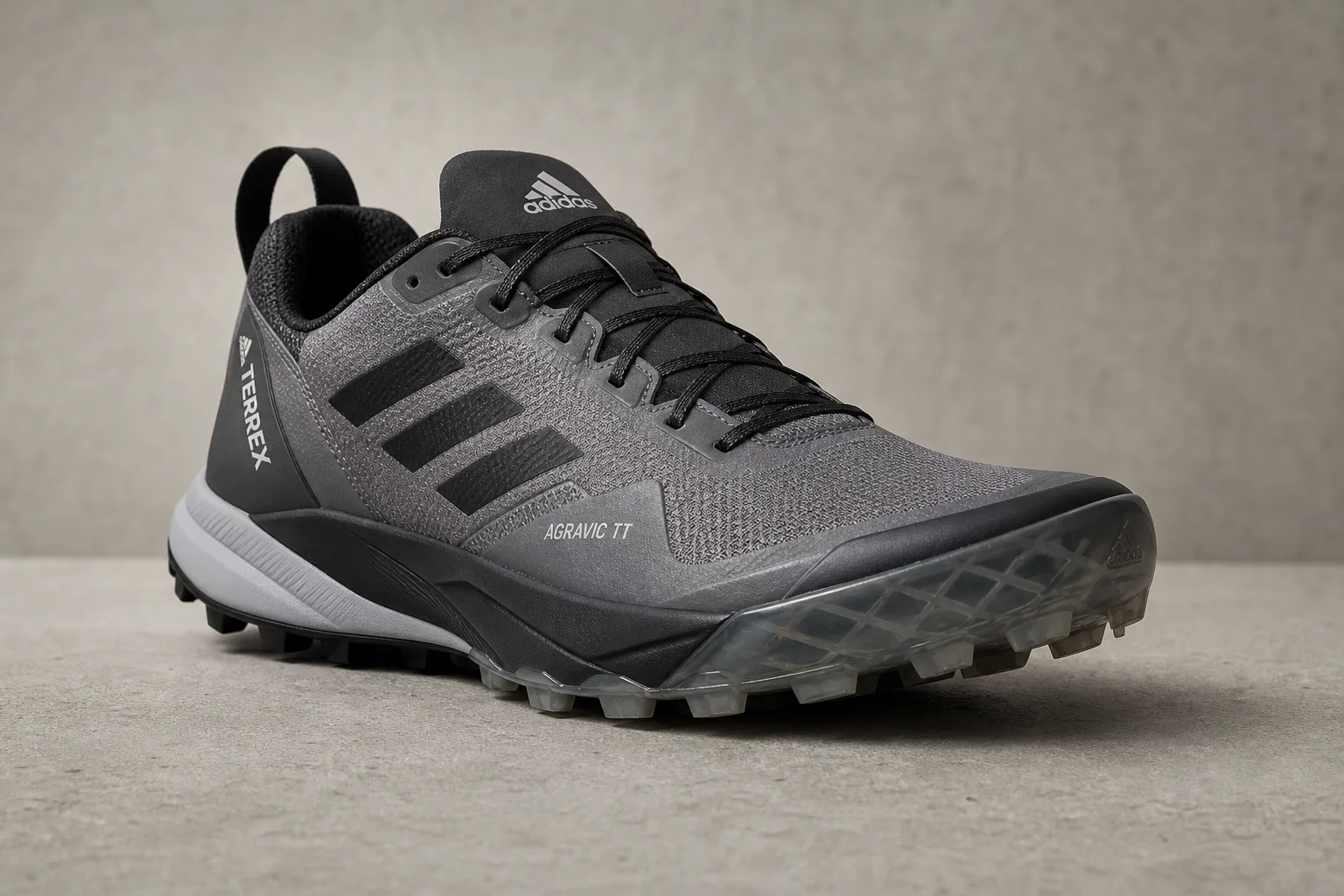
Adidas Terrex Agravic TT Review: A Technical Trail Shoe Built for Rocky Terrain
The Adidas Terrex Agravic TT combines a full-coverage rock plate with a firmer midsole to deliver protection and stability on technical, rocky trails. A capable choice for runners who prioritize underfoot defense over lightweight cushioning.
Trail Running Shoes
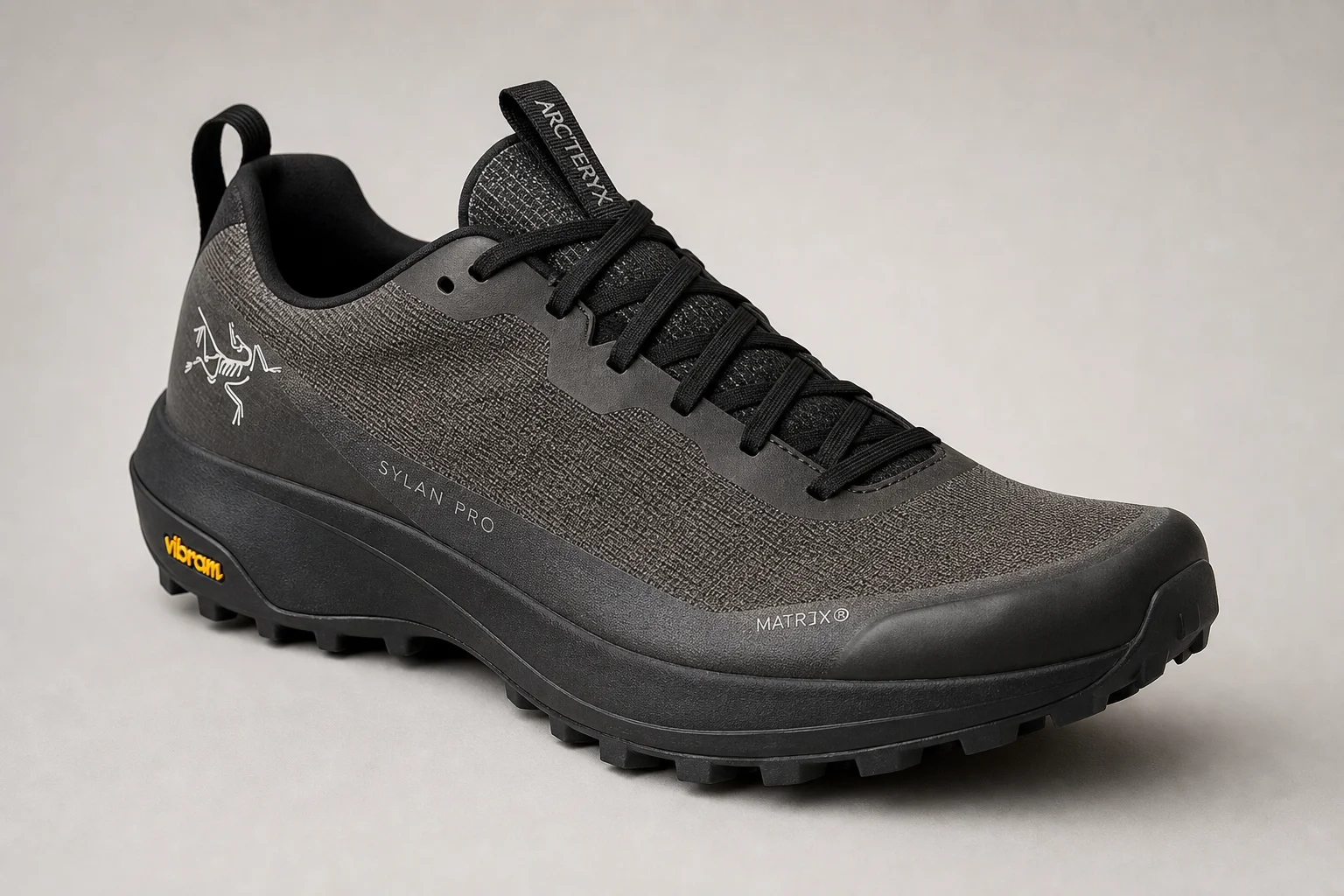
Arc'teryx Sylan Pro Review: A Rocker-Focused Mountain Running Shoe Tested on 20 Miles
The Arc'teryx Sylan Pro brings a pronounced rocker geometry and secure fit to mountain terrain. We tested it on a 20-mile Sawtooth loop to evaluate its climbing efficiency, protection, and handling of technical descents.
Trail Running Shoes
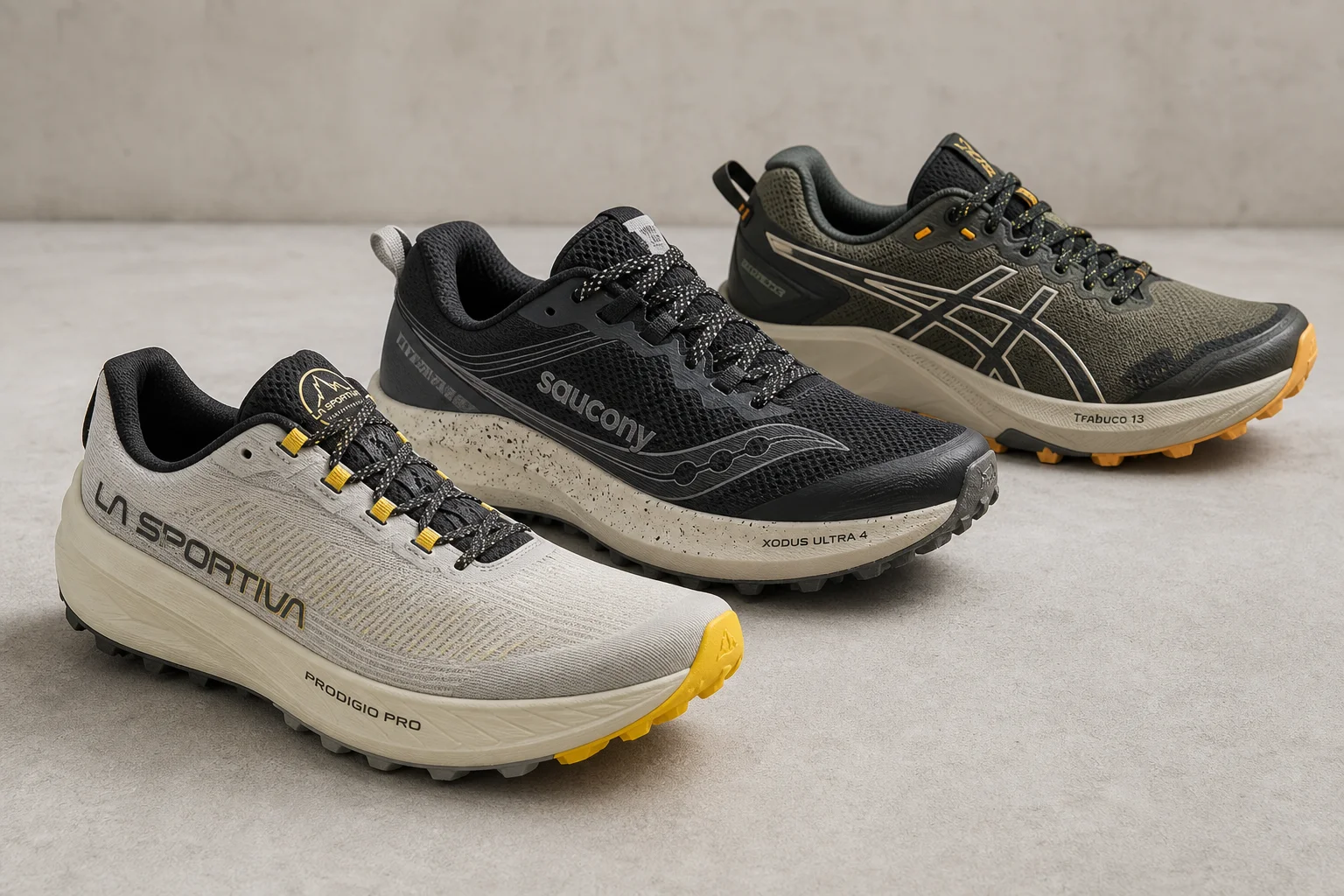
Best All-Mountain Trail Running Shoes: Three Versatile Options for Any Trail
A focused roundup of three all-mountain trail running shoes that handle technical terrain, long distances, and variable conditions with real strengths and practical trade-offs.