Running Shoes
Nike Vomero Premium vs Pegasus Premium: Which Premium Nike Should You Buy?
Nike's two top-of-the-line trainers take very different approaches. We compare stack, weight, ride feel and overall value to help you pick the right one.
Introduction
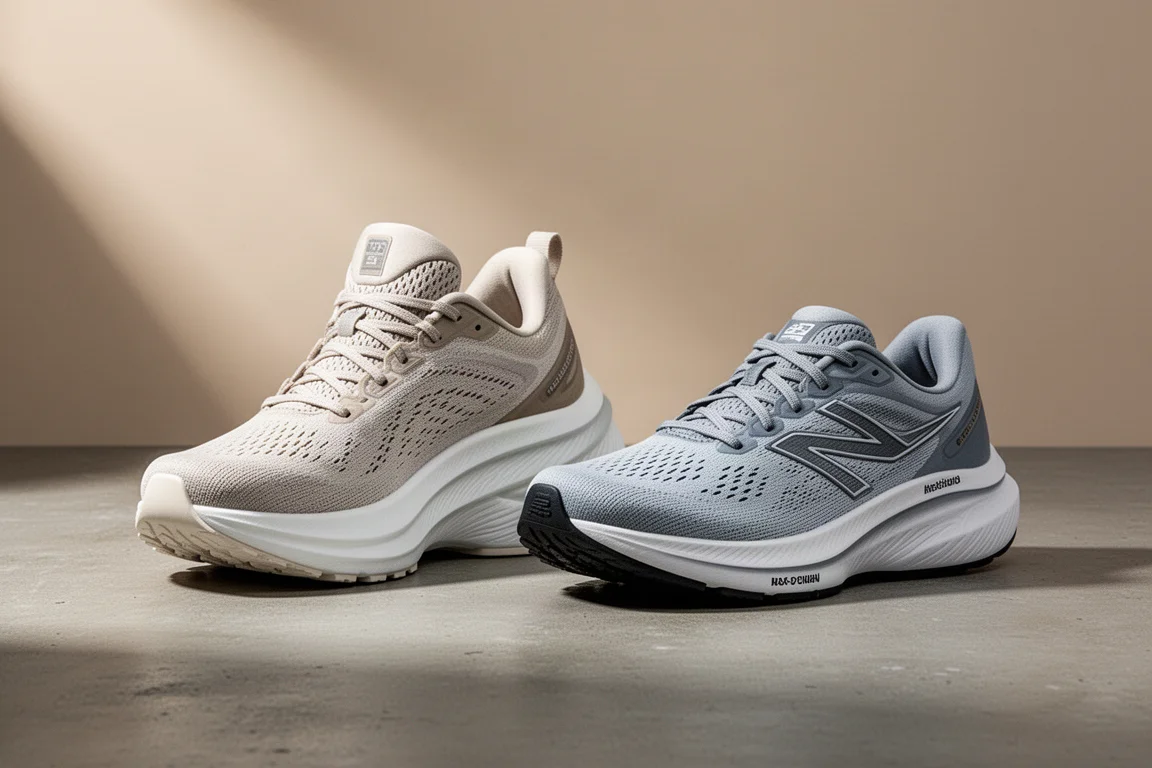
Nike restructured its running range this year around three lines: the Vomero line for cushioning and comfort, the Pegasus line for responsiveness and daily-trainer utility, and the Structure line for support. At the top of the first two sit the Nike Vomero Premium and the Nike Pegasus Premium, both ambitious, expensive, feature-packed shoes. After extensive testing in both, one delivers clearly on its promise and the other falls short. Here is how they compare.
Key Specs at a Glance
Both shoes are heavy, high-stack, 10 mm drop trainers, but the differences matter. The Vomero Premium is the heavier of the two at 355 g (12.5 oz) in a UK 9, versus 328 g (11.6 oz) for the Pegasus Premium in the same size. It is also dramatically taller: 55.5 mm at the heel and 45.5 mm at the forefoot in a men’s shoe, compared to 45 mm and 35 mm for the Pegasus Premium. Pricing reflects their flagship status: the Vomero Premium costs £210 or $230, while the Pegasus Premium comes in at £190 or $220.

Two Very Different Premium Shoes
The Pegasus Premium sits above the Pegasus Plus and the Pegasus 41 in the restructured Pegasus line, which is built around responsiveness and all-round daily-trainer utility. The Vomero Premium is the most cushioned and comfortable shoe in the entire Nike range, designed primarily for easy runs. Understanding that split is the key to this comparison, because these are not two versions of the same shoe. They are built for very different purposes, and each carries a very different ride feel as a result.
Design and Midsole Construction
On the surface the two shoes share a lot. Both use engineered mesh uppers with generous padding around the tongue and collar, and both feature a waffle tread outsole. The midsoles, however, take very different approaches.
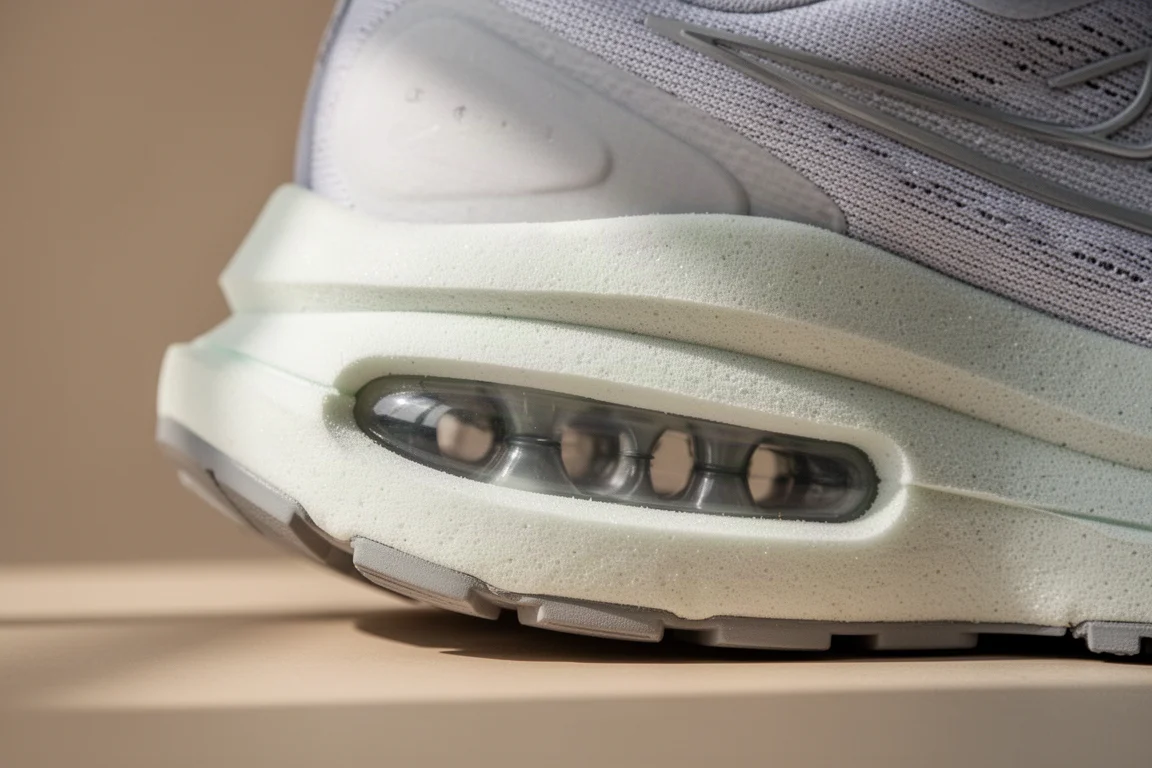
The Pegasus Premium stacks three materials: a top layer of ZoomX foam, a long Air Zoom unit running the length of the shoe, and a bottom layer of ReactX mostly under the heel. The Vomero Premium instead uses a large slab of ZoomX foam making up most of the midsole, paired with two Air Zoom pods, one under the heel and one under the forefoot. The Vomero also gets a slightly more rocker-shaped geometry and a much wider platform, which has real consequences for stability and ride smoothness.
Fit and Sizing
Both shoes fit well in normal running shoe size, and Nike remains one of the more consistent brands for sizing across its range. There is enough room around the toes, and the heavy padding around the collar and heel does not irritate the Achilles or feel oppressive on the run. The padded tongue could make both shoes feel a little warm on top of the foot in hot climates, but in normal conditions it is a non-issue. If you already wear Nike running shoes, staying with your usual size is a safe bet for both models.
Ride Feel: Where the Differences Show
With around 100 km in the Vomero Premium and 60 km in the Pegasus Premium across easy runs, recovery runs, long runs, progression runs and strides, the two shoes feel fundamentally different on the run.
The Vomero Premium is a standout easy-run shoe. Its huge stack and mostly ZoomX midsole make it very soft underfoot, so you sink in and get a genuinely luxurious feeling of comfort and support at the back of the shoe. The crucial part is the bounce-back: the balance of ZoomX foam and the Air Zoom pods is judged well, so the ride does not become laboured. You get a nice pop, especially at easy paces where the shoe really shines. The rocker design and soft heel also make it feel smoother than its 10 mm drop suggests, easing you through your foot strike.
The Pegasus Premium, by contrast, has a firmer and more responsive feel thanks to its Air Zoom unit, but the big Air Zoom creates a firm, flat feel that makes easy paces less enjoyable. And while it offers some response at faster speeds, the shoe is simply too heavy to make that count. It feels bulky and cumbersome when you try to move through the gears. It is also not particularly stable: a very high stack with a narrow pinch point around the midfoot means you risk rolling inwards on uneven pavement, something Nike avoided on the Vomero line by widening the platform.
Performance Across Training Paces
Beyond easy runs, the Vomero Premium held up surprisingly well. On easy-to-steady progression runs it was just as good as the Pegasus Premium, and overall it works as a reasonably versatile daily trainer even though versatility is not its main purpose. Neither shoe is particularly good at flat-out speeds, but for ticking through the gears on everyday training runs, the Vomero was the more enjoyable shoe for every session type.
If you were limited to one of the two shoes for a speed workout or a race, the Pegasus Premium would probably be the better pick thanks to its lighter weight and firmer ride, but it still is not great at those paces. The problem is that other responsive daily trainers on the market, including shoes around 100 grams lighter with livelier foams, outclass it in that role, while other Pegasus models and the Vomero Plus offer better all-round value inside Nike’s own range.
Buying Advice
The verdict here is clear. The Vomero Premium is the winner of this comparison for almost any runner. If you want the last word in comfort for easy and recovery runs, it is about the best shoe on the market. Yes, it is expensive at £210 or $230, but it delivers something genuinely special for that price. If you want one shoe for a mix of runs at mostly relaxed paces, it is also the safer choice: more stable, more fun and more bouncy than the Pegasus Premium. Its one limitation is versatility compared to the Vomero Plus, which remains the better general-purpose shoe in the Vomero line.
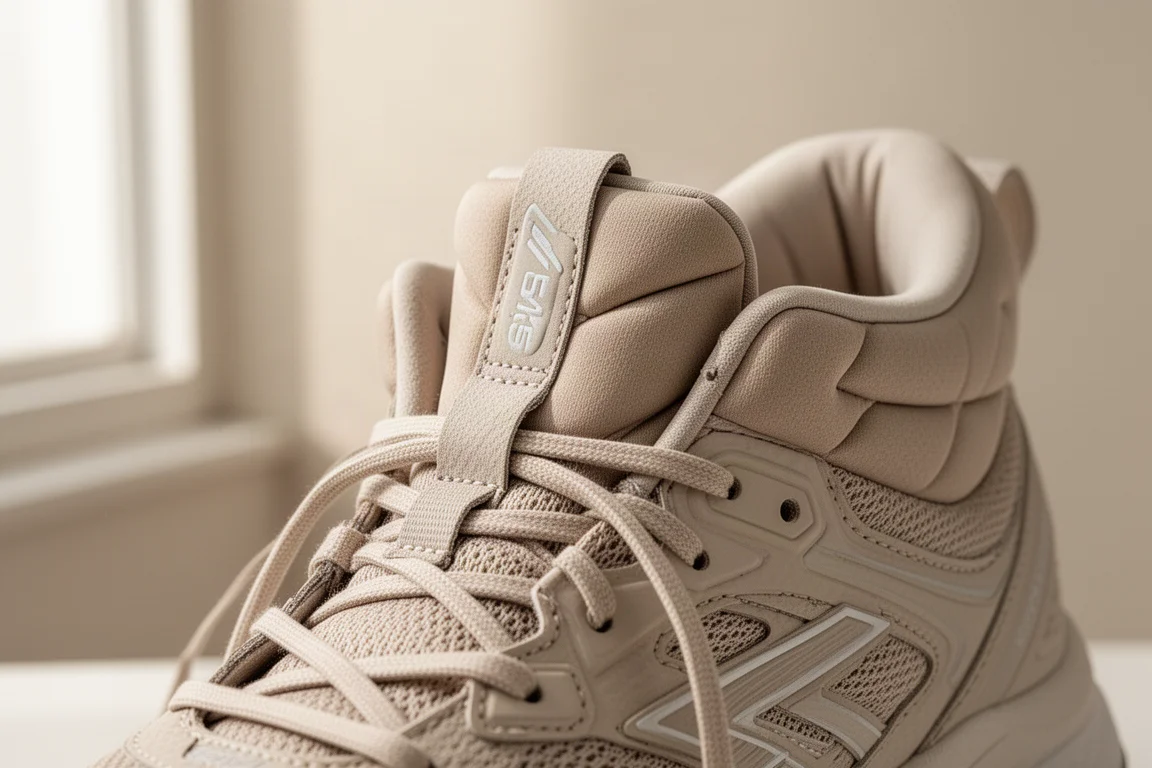
The Pegasus Premium is harder to recommend. If you are picking strictly between these two shoes and need some top-end speed capability, it has a slight edge there. But if you are shopping across the whole market, other shoes, including the Pegasus Plus or the Vomero Plus, make more sense for a responsive daily trainer. The Pegasus Premium feels a bit confused: too heavy and cumbersome for its intended responsive role, too firm and flat to be fun on easy runs, and not stable enough for its stack height. Its weight works against it rather than for it, which is exactly what the Vomero Premium gets right.
Conclusion
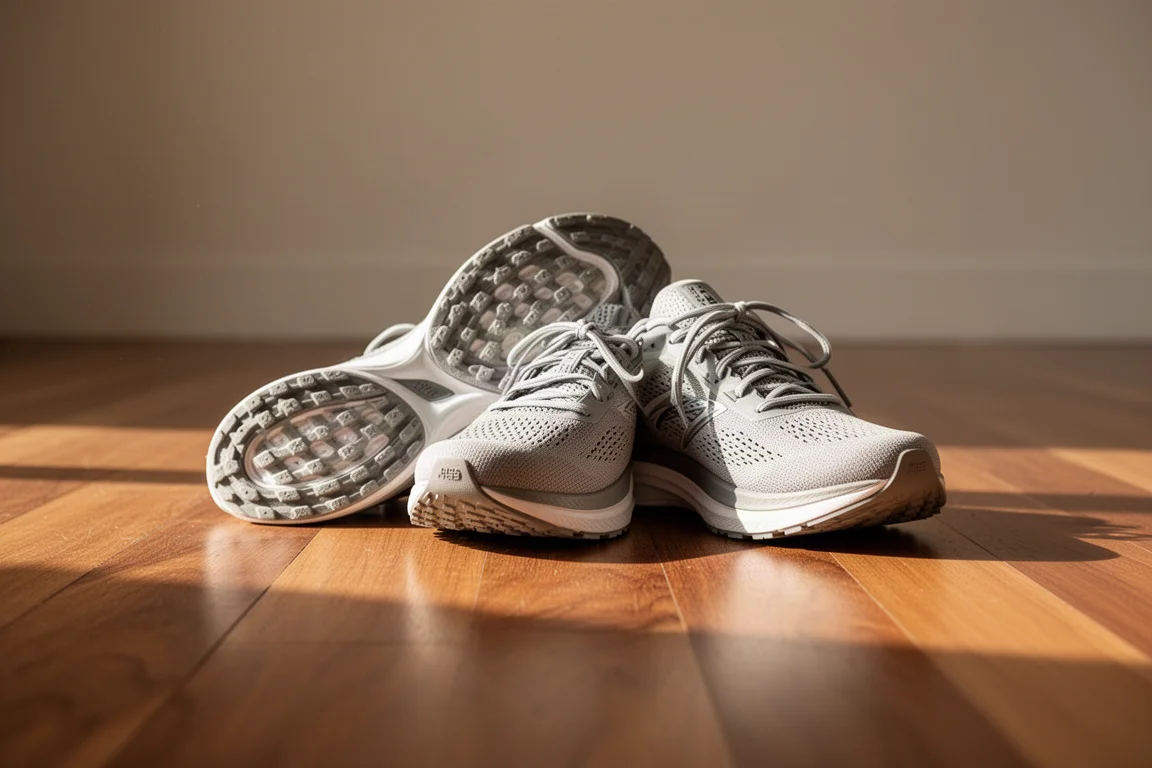
The Nike Vomero Premium and Pegasus Premium are both ambitious flagship trainers, but only one earns its price. The Vomero Premium delivers a unique, luxurious soft ride with well-judged bounce-back and is one of the very best easy-run shoes available. The Pegasus Premium, despite impressive technology in the midsole, does not balance its weight and ride feel convincingly. For most runners, the Vomero Premium is the clear pick, while anyone after a more responsive daily trainer should look at other models in Nike’s range instead.
Product link
View more details for Nike Vomero Premium
This product is mentioned in the review. Check the specifications, options, and compatibility before buying.
View more details for Nike Vomero PremiumFurther reading
Related Reviews

Running Shoes
Best Road-to-Trail Running Shoes: Three Versatile Options for Mixed Terrain
A practical guide to three road-to-trail running shoes that handle both pavement and mild trails, with clear strengths and trade-offs for different runner types.

Running Shoes
Best Running Shoes for Achilles Tendonitis: Three Options Explained
Three running shoes with different heel drops and support features designed to help reduce Achilles tendon pain during walking and running.

Running Shoes
Best Running Shoes for Women: Five Top Choices Ranked
A ranked guide to five women's running shoes, from versatile daily trainers to high-performance racing options, with real strengths and trade-offs for each.