Running Shoes
Nike Vomero Premium, On Cloudboom Max, Adidas Adizero Evo Prime X, Hoka Rocket X3: Yay or Nay
Four big-name running shoe releases, four very different verdicts. One earns a pick-up, three stay on the shelf. Here is why.
Introduction
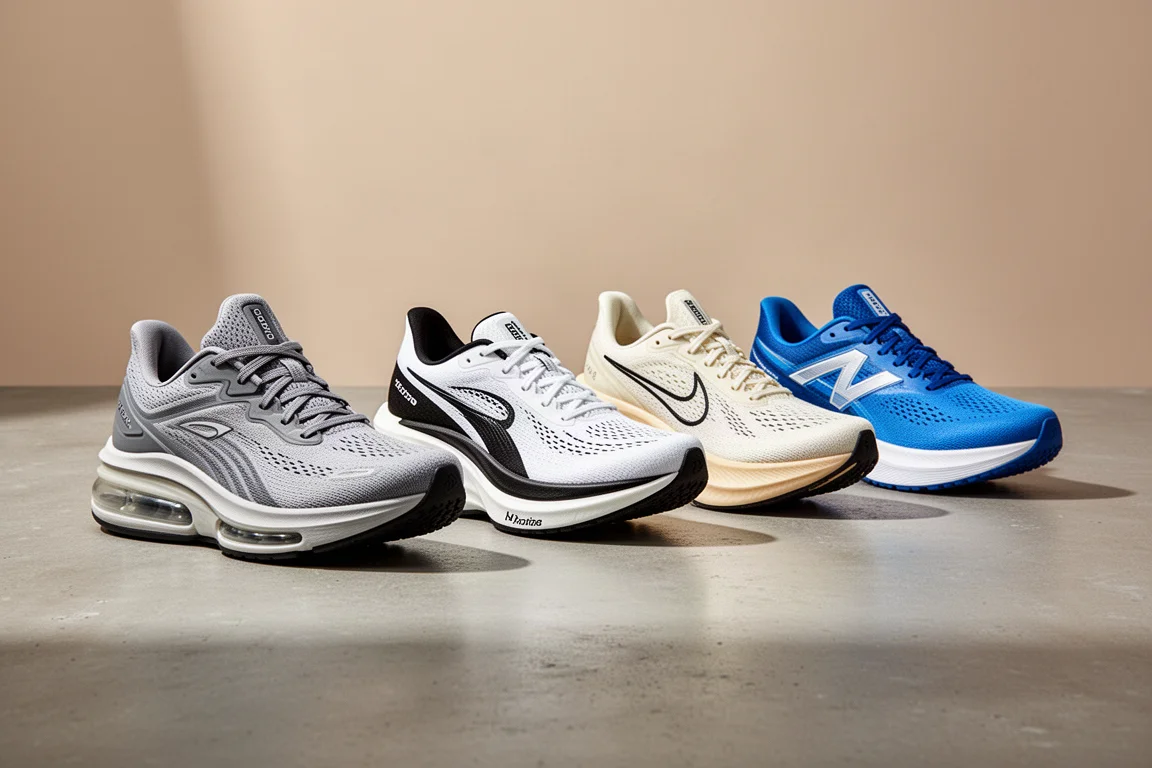
Every few months a wave of big-name releases lands at once, and this batch is a curious one: two enormous-stack trainers, one oddball ultra-distance racer, and one marathon shoe that plays it safe. We looked at the Nike Vomero Premium, the On Cloudboom Max, the Adidas Adizero Evo Prime X, and the Hoka Rocket X3 to work out which ones are actually worth your money. The short version: one is a tentative pick-up, and three stay on the shelf, each for different reasons.
Nike Vomero Premium: Tentative Yay
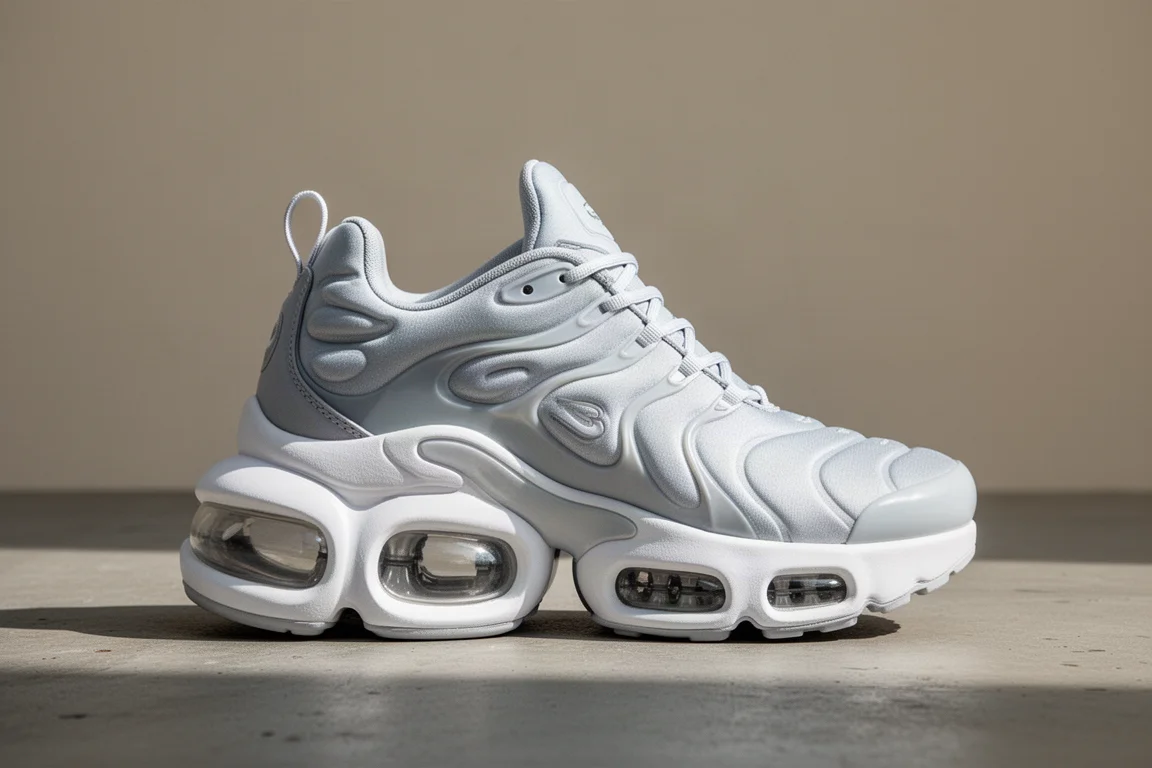
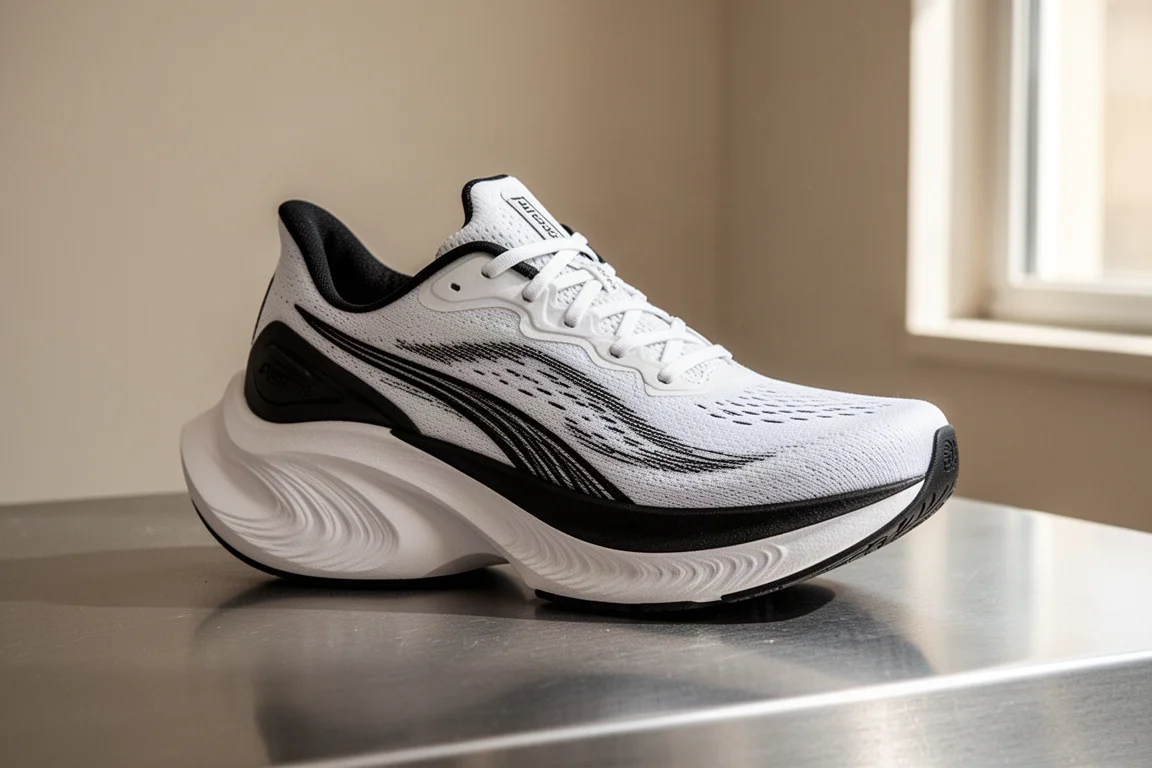
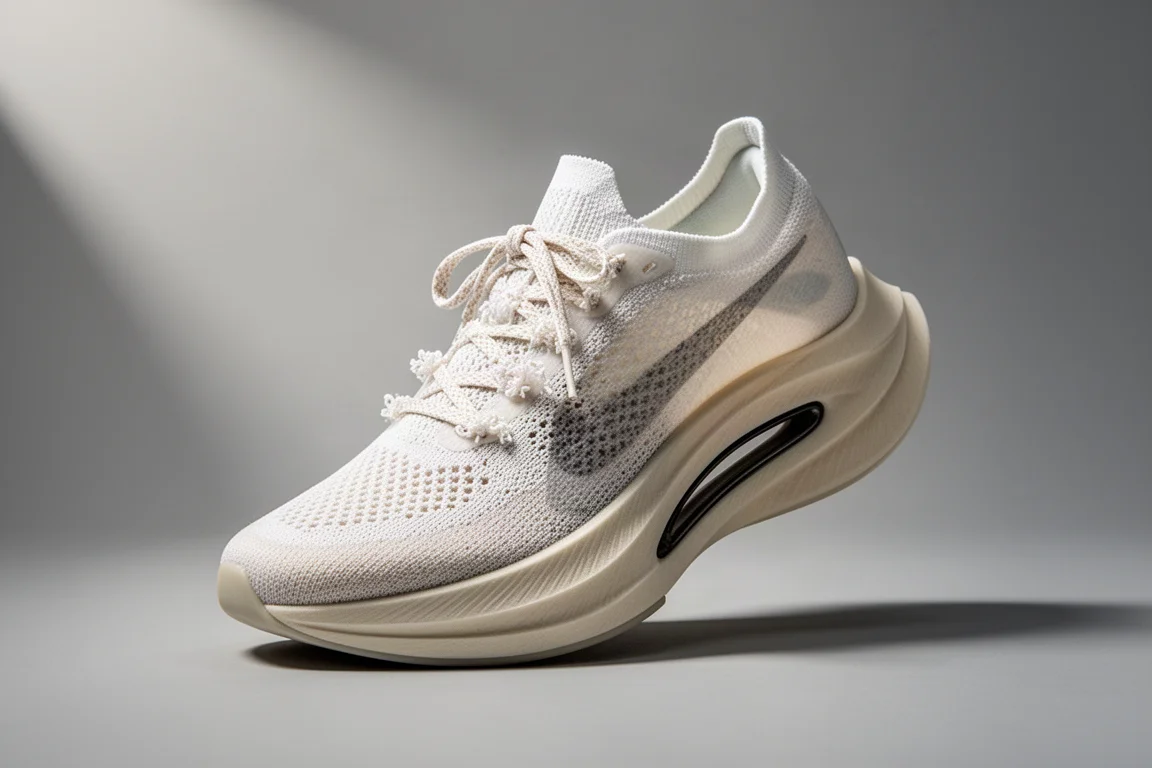
The Vomero Premium is a monster. In the sample size it has a 55 mm stack height, and in a typical UK 11 or US 12 you can expect roughly 3 mm more, pushing the heel toward 58 mm. That is an enormous amount of shoe underfoot, well beyond what most runners are used to, and it immediately raises questions about how a shoe this tall will actually feel in motion.
With ZoomX throughout the midsole and a large visible air unit, the interesting unknown is which flavour of ZoomX is in play. Nike has shipped both a rubbery version, as seen in the Vomero Plus, and a lighter, hollow-feeling version, as in the Vaporfly 4. The outcome matters a lot for a shoe with a claimed 336 g sample weight, which would likely rise to around 370 g in a larger size. That is a lot of mass for a shoe clearly intended as a recovery or easy-day trainer rather than a racer.
The upper looks reasonably plush, which is welcome in dry weather but less so when rain soaks into all that padding. At £210 in the UK, this is a whopper of a price for a trainer, and there is a real question about whether the effort-minimising ride justifies the weight you carry. Still, the sheer level of interest around this shoe, and its potential to help runners make informed purchases, earns it a tentative yay.
On Cloudboom Max: Firm Nay
On markets the Cloudboom Max as the ultimate marathon shoe for runners of all levels, perfect for pushing through long hours and miles in comfort. The reality is less convincing. It comes in at £220 in the UK, with a considerable sidewall at the heel that resembles the Cloudboom Strike, a glass fibre speedboard acting as a plate of sorts, and a double layer of the soft, springy Helion HF foam.
The shock here is the weight: just under 300 g in the sample size, making it one of the heaviest shoes of this type in a long time. It is hard to see why runners would pay a premium price for a heavy race shoe when alternatives are lighter, cheaper, or more easily obtainable. There are simply too many overlapping On shoes, with no clear reason to choose this one over the others. A firm nay.
Adidas Adizero Evo Prime X: Hard Sell
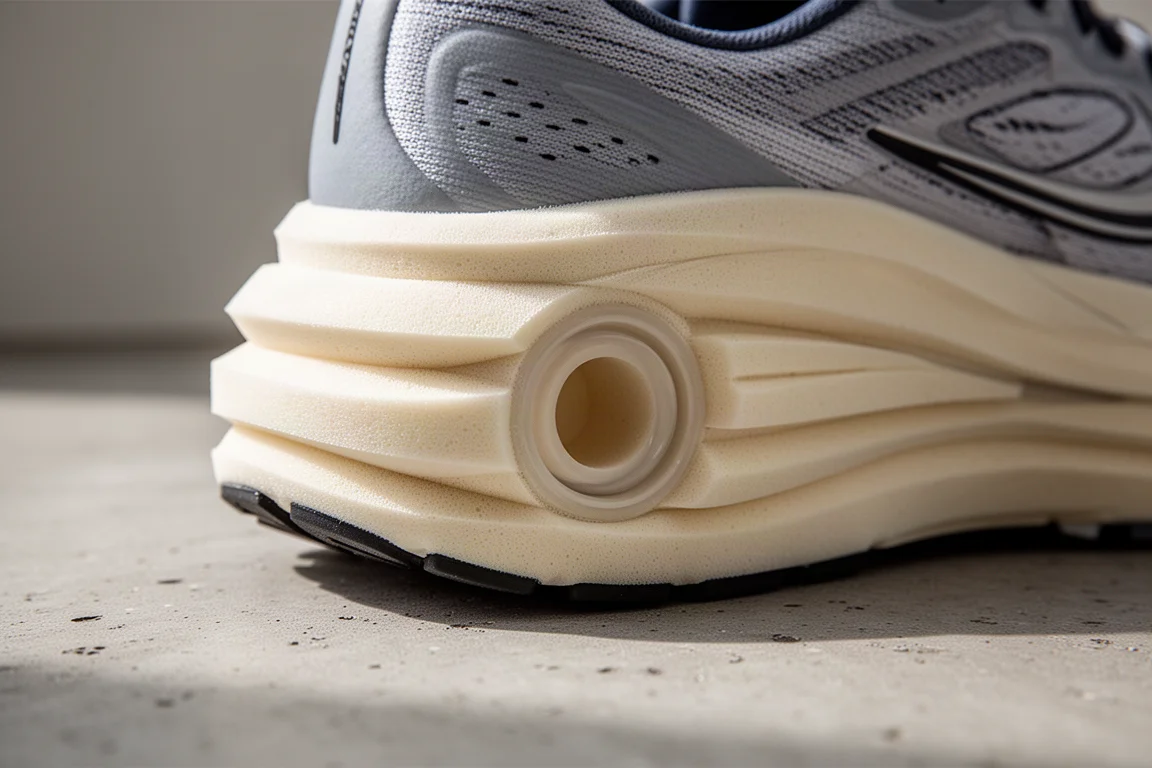
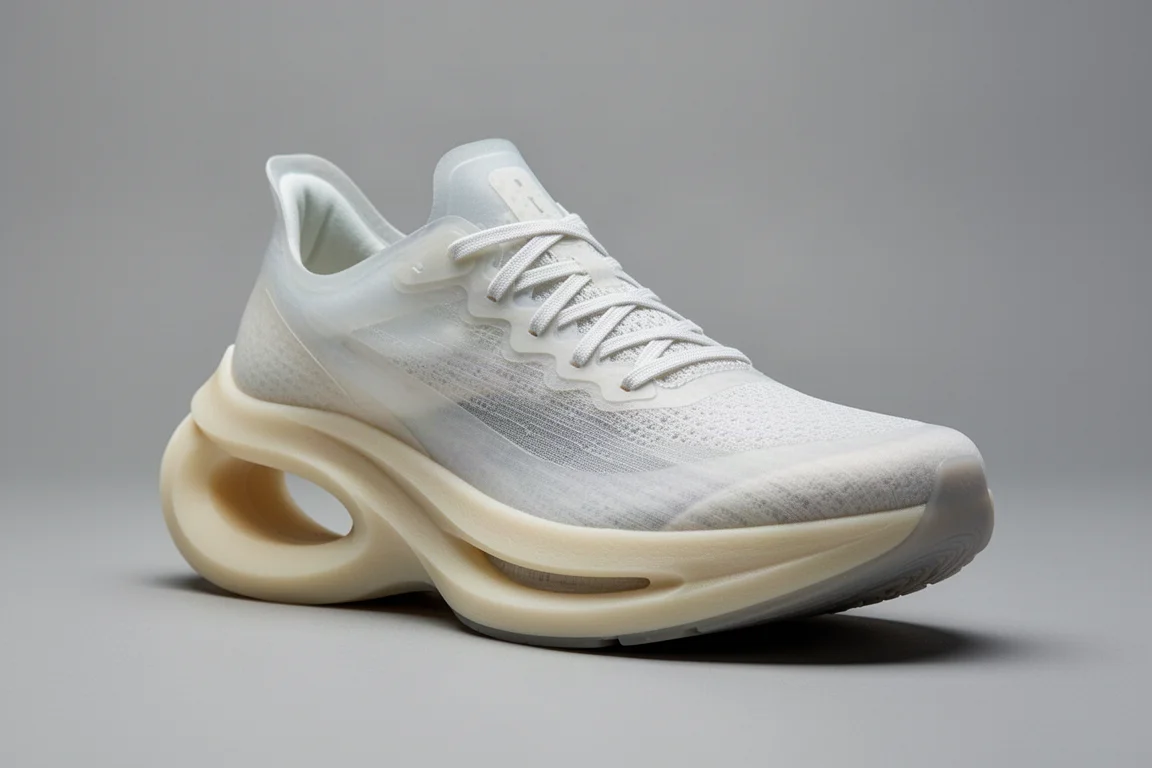
The Adizero Evo Prime X is another absolutely huge stack, with a reported 50 mm in the heel and a bizarre, massively built-up heel area intended as a stabilising element. Despite all that foam, the reported sample weight is a remarkable 137 g, about the same as the Pro Evo 1, which makes the light and hollow-feeling Light Strike Pro Evo midsole sound almost impossibly light for the construction.
Adidas has reportedly stored pairs in a pressurised gas tank to keep the foam super squashy, which tells you something about how experimental this shoe is. There is some sort of ring within the midsole for stability and rigidity, though the exact mechanics remain speculative. The bigger problem is value: with Pro Evo 1 and 2 pairs still hanging around and even discounts on the first version, this niche ultra-distance shoe is a hard sell, especially when affordable workhorse options like the Puma Velocity Nitro 4 are far more practical for everyday running. Most runners are not racing road ultras every weekend, so the realistic audience here is tiny. A nay.
Hoka Rocket X3: Nay For Now
The Rocket X3 is the subtle update of the group. The Rocket X2 was a well-dialled marathon shoe: a light upper that suited slightly narrow feet, a soft yet responsive midsole, a durable outsole, and a wonderfully floppy heel section around the ankle. Many fans of the X2 reported issues with that heel area, which may be why the X3 switches to a more traditional padded heel, alongside changed midsole geometry and a decrease in weight.
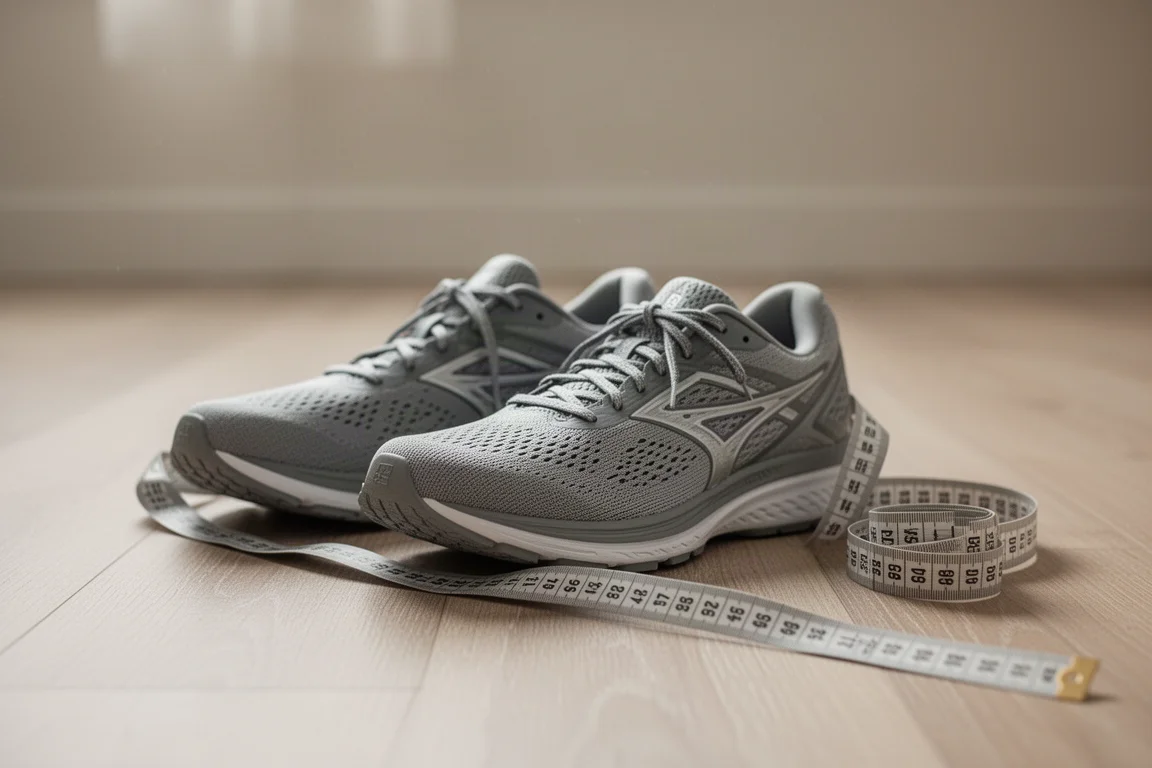
The price stays the same at £220, and the traction pattern and surface area look similar to the X2. But that commanding plate and rocker previously locked you into a heel-to-toe running style, and the hope was for more versatility rather than a padded heel tweak. One practical note if you are shopping any Hoka: sizing runs a little different to other brands, so go by the centimetre foot measurements rather than standard UK or US sizes, and be prepared to size up a half in some models. With only subtle changes over the last version and nothing calling out as a must-have, it is a nay right now.
Overall Buying Advice
If you want tall-stacked comfort and have the budget, the Vomero Premium is the one shoe here with a genuine case, provided you accept the weight and the £210 price. For marathon racing, the Cloudboom Max and Rocket X3 both struggle to justify their £220 pricing against cheaper or lighter rivals. The Evo Prime X remains a fascinating experiment aimed at a very small group of runners. For most people, a good value daily trainer will deliver more smiles per mile than any of the three nays on this list.
Conclusion
Four releases, four honest verdicts. The Nike Vomero Premium is the tentative pick-up, driven by genuine curiosity and enormous runner interest despite its price and weight. The On Cloudboom Max is simply too heavy and too expensive for what it offers, the Adidas Adizero Evo Prime X is too niche and too bizarre for most runners, and the Hoka Rocket X3 changes too little to warrant an upgrade. Sometimes the smartest running shoe purchase is the one you skip.
Further reading
Related Reviews

Running Shoes
Best Road-to-Trail Running Shoes: Three Versatile Options for Mixed Terrain
A practical guide to three road-to-trail running shoes that handle both pavement and mild trails, with clear strengths and trade-offs for different runner types.

Running Shoes
Best Running Shoes for Achilles Tendonitis: Three Options Explained
Three running shoes with different heel drops and support features designed to help reduce Achilles tendon pain during walking and running.

Running Shoes
Best Running Shoes for Women: Five Top Choices Ranked
A ranked guide to five women's running shoes, from versatile daily trainers to high-performance racing options, with real strengths and trade-offs for each.