Running Shoes
Nike Vomero Plus vs New Balance 1080 V15: Which Cushioned Daily Trainer Wins?
Two premium cushioned neutral trainers compared on design, fit, ride feel, and versatility to help you pick the right one.
Introduction
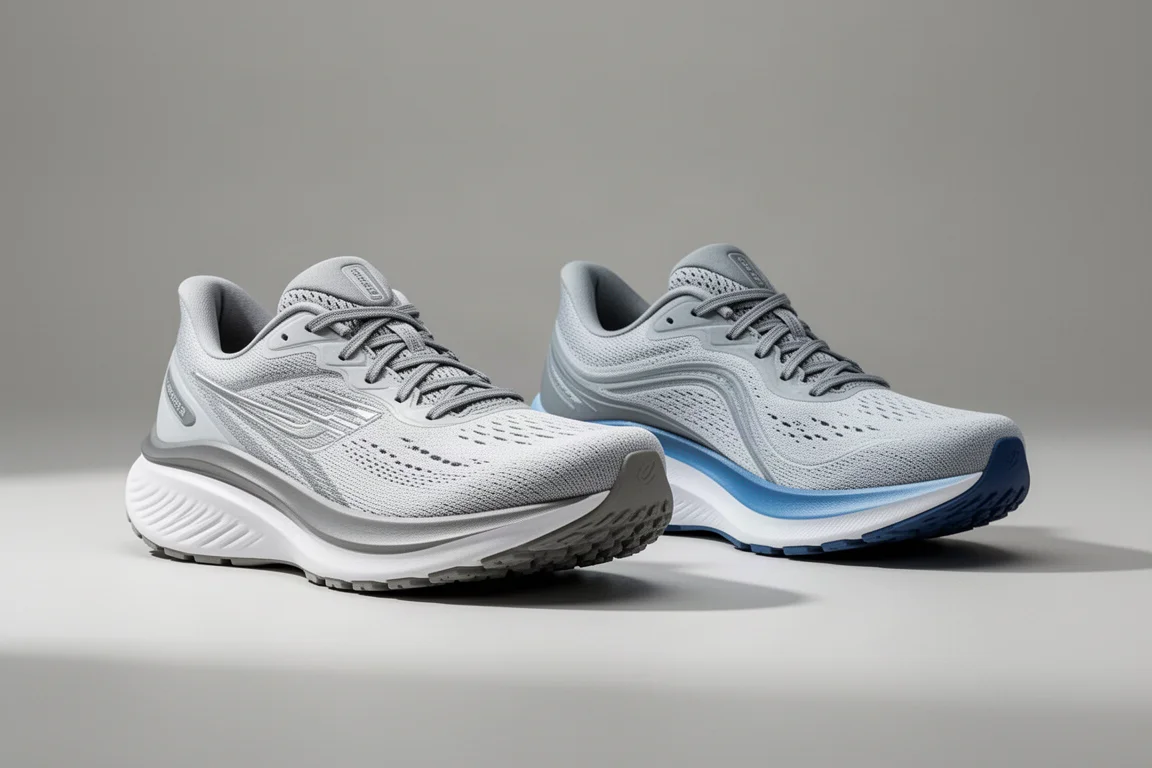
The Nike Vomero Plus and the New Balance 1080 V15 are two cushioned neutral shoes that sit at the top, or very near the top, of their respective brands’ cushioning ranges. Both are designed to be comfortable daily trainers you can use day in and day out, offering plenty of protection and a little versatility on top.
They differ more than you might expect for two shoes in the same category, though. Stack height, weight, and ride character all separate them, and the differences are worth understanding before you pick one. Pricing also flips depending on where you live: the 1080 V15 costs £170 in the UK and $170 in the US, while the Vomero Plus is cheaper in the UK at £155 but more expensive in the US at $180.
Two Cushioned Trainers, Two Philosophies
On paper, the New Balance 1080 V15 is the lighter and lower-profile shoe. It weighs 262 g (9.2 oz) in a UK 9, which corresponds to a US 9.5 in New Balance sizing. It uses a 6 mm drop with a 40 mm heel stack and 34 mm at the forefoot.
The Nike Vomero Plus is the bigger, more cushioned shoe of the pair. It weighs 300 g (10.6 oz) in a UK 9, which is a US 10 in Nike sizing, and it uses a 10 mm drop with a 45 mm heel stack and 35 mm at the forefoot. So while the forefoot stacks are close, the Nike carries noticeably more foam at the heel, making it the more protective shoe overall.
Design and Materials
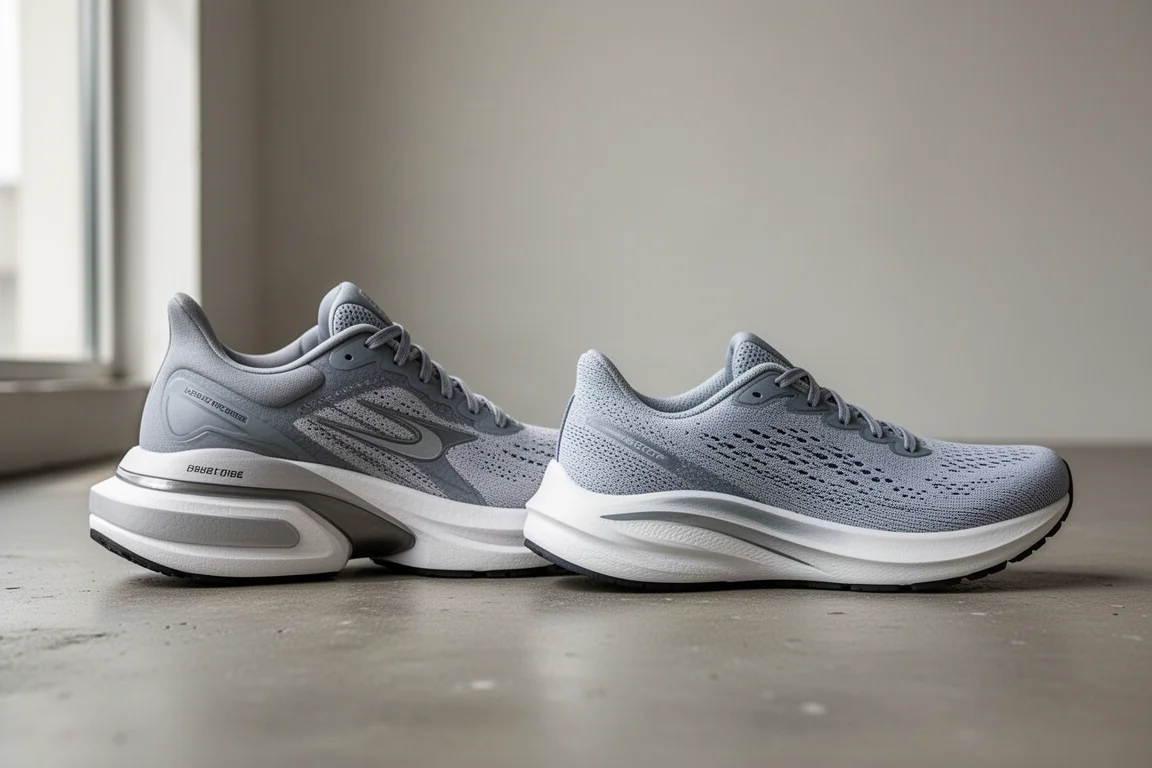
The Vomero Plus features a fairly thick mesh upper that almost feels like a two-layer material around the forefoot, with generous padding on the tongue and collar and a fairly stiff internal heel counter. Underfoot, there is a full ZoomX midsole, a springy and bouncy foam Nike has used for years, sitting in a very large slab given the tall heel stack. The outsole is a full waffle tread covering nearly the entire bottom of the shoe, which helps with grip and durability.
The 1080 V15 takes a different approach. Its contoured upper feels slightly stiff but thinner and more breathable than the Nike’s, with a good amount of padding on the tongue and collar, though slightly less than the Vomero Plus. The midsole uses InfiniOn, a new foam introduced with this version of the 1080, which promises to be lighter, bouncier, and more energy-returning than earlier New Balance foams like Fresh Foam X. The outsole has rubber on the heel and forefoot but more exposed foam than the Nike, which partly explains why it weighs less.
Fit and Sizing
Both shoes fit true to size and you can safely stick with your normal running shoe size in most regions. There is a sizing quirk to note if you buy in the UK: a UK 9 is a US 10 in the Nike but a US 9.5 in the New Balance, so the New Balance is effectively a slightly smaller shoe.
Both uppers are comfortable. The 1080 V15’s upper feels lighter all round, less padded and less oppressive, which is an advantage in warmer conditions. The Vomero Plus has a thicker, plusher upper with a notably padded tongue, which is pleasant in cooler weather but could feel a bit warm if you run somewhere hotter than the UK.
Ride Feel: New Balance 1080 V15
The 1080 V15 feels nimbler and lighter on the foot, partly because it is simply a less built-up shoe with a lower stack, especially at the heel where most runners land. It rolls through the stride nicely and has a smooth, balanced feel.
The InfiniOn foam is comfortable and cushioned, and it rolls you through foot strike nicely, but it is not particularly springy, bouncy, or soft. It is a good all-round daily trainer foam, though it lacks a little pop off the toe, so despite the shoe’s light weight, it is not especially impressive at faster paces. There is also a caveat for longer efforts: beyond roughly 15K, the foam at the forefoot started to lose some of its spark, with a slight bottoming-out feeling, even on easy long runs.

Ride Feel: Nike Vomero Plus
The Vomero Plus is built around its ZoomX midsole, and it shows. The foam is incredibly bouncy and retains its energy return throughout any length of run, with a really cushy feeling at the back of the shoe. The extra stack at the heel is very noticeable compared to the New Balance, and it makes the Nike feel very protective and comfortable.
The trade-off is that the bigger shoe does not feel quite as nimble turning over from the heel, and some runners simply will not like a shoe this large on foot. But the bounce actually increases as you run faster, so the Vomero Plus works surprisingly well at easy-to-steady paces and comes alive in an unexpected way when you push the gears. The extra weight compared to the 1080 V15 is explained by things many runners will welcome in a cushioned trainer: a fuller outsole for grip and durability, a bigger heel stack, a slightly wider platform, and more padding in the upper.
Verdict: Which One Should You Buy?
If you want one shoe to do everything, whether you are a one-shoe runner or a newer runner building your first rotation, the Vomero Plus is the pick. It is the more comfortable, bouncier, and more fun shoe, and it gives up nothing meaningful in versatility. In the UK it is also the cheaper of the two, which makes the decision even easier. In the US you pay a little more for it than the 1080 V15, but the extra cushioning and energy return justify the difference.

If the 1080 V15 sounds more like your shoe, it is still a really solid option. Its lighter, less padded upper and nimble feel suit runners who prefer a less built-up daily trainer, and some runners rate the 1080 range very highly, even naming it a top pick for beginner marathoners in recent round-ups. It just does not deliver as much fun per mile as the Nike in this comparison.
Conclusion
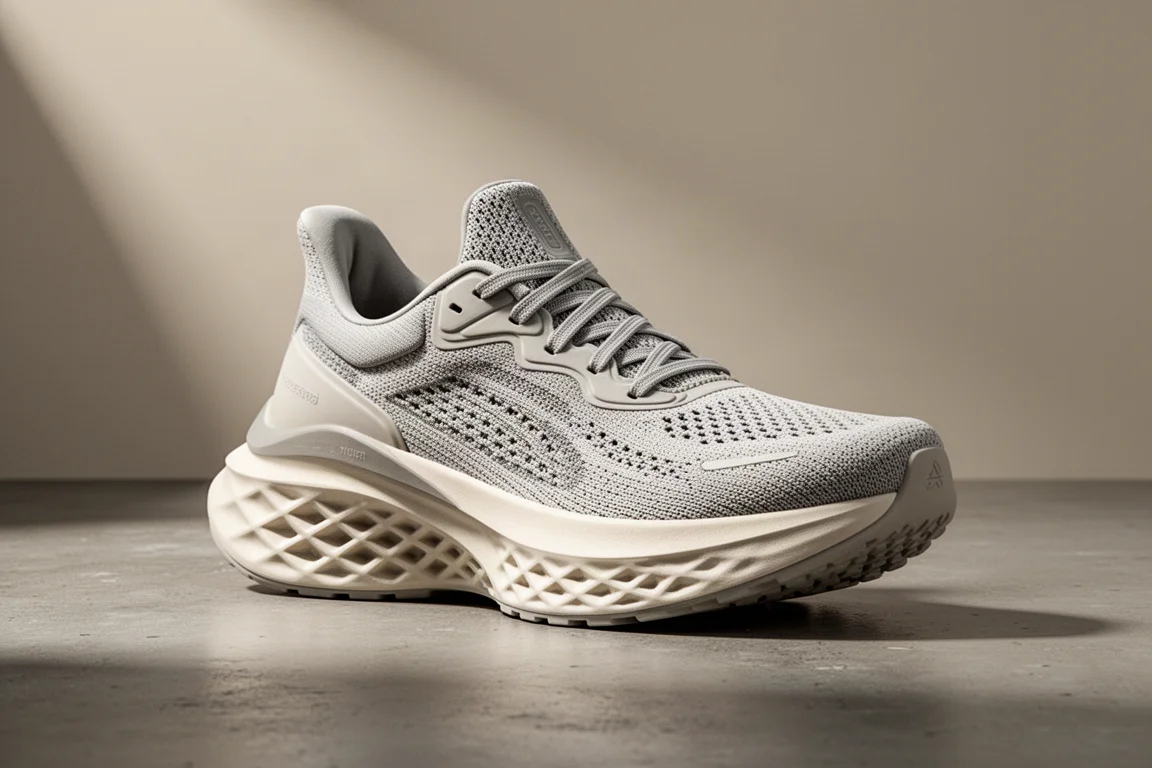
Both shoes do a good job as cushioned daily trainers, but they reward different preferences. The Nike Vomero Plus wins this comparison thanks to its bouncy ZoomX ride, long-run comfort, and surprising versatility at faster paces. The New Balance 1080 V15 remains a well-balanced, lighter alternative for runners who want less shoe underfoot. Choose the Vomero Plus if comfort and bounce are your priority, and the 1080 V15 if you value a lighter, nimbler feel.
Further reading
Related Reviews

Running Shoes
Best Road-to-Trail Running Shoes: Three Versatile Options for Mixed Terrain
A practical guide to three road-to-trail running shoes that handle both pavement and mild trails, with clear strengths and trade-offs for different runner types.

Running Shoes
Best Running Shoes for Achilles Tendonitis: Three Options Explained
Three running shoes with different heel drops and support features designed to help reduce Achilles tendon pain during walking and running.

Running Shoes
Best Running Shoes for Women: Five Top Choices Ranked
A ranked guide to five women's running shoes, from versatile daily trainers to high-performance racing options, with real strengths and trade-offs for each.