Running Shoes
Nike Vomero Plus vs Brooks Glycerin Max: Two Max Cushion Trainers Compared
Two of the best max cushion daily trainers go head to head on foam, ride feel, fit, and value to help you pick the right one.
Introduction
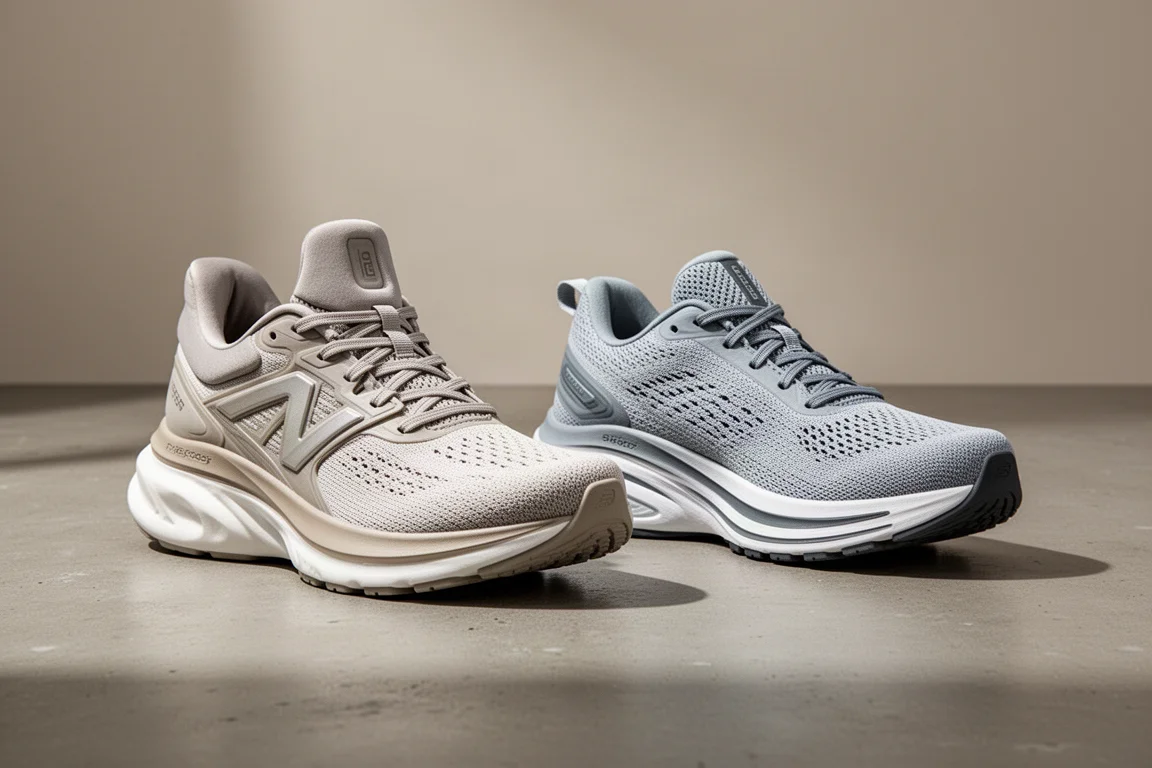
The Nike Vomero Plus and Brooks Glycerin Max are two of the best max cushion shoes on the market. Both put a huge amount of foam underfoot, yet both remain pretty versatile daily trainers for their size, comfortable and fun to run in. The Glycerin Max is the more expensive shoe at £180 or $200, while the Vomero Plus sits at £155 or $180. Nike’s shoe is also a bit lighter: 300g (10.6 oz) in a UK 9 versus 319g (11.2 oz) for the Brooks, both measured in US 10.
Part of the weight difference comes from geometry. The Vomero Plus has a 10mm drop with less foam under the forefoot, while the Glycerin Max uses a 6mm drop. Both stand 45mm high at the heel; the Nike drops to 35mm at the forefoot and the Brooks to 39mm.
Nike Vomero Plus: Soft, Bouncy, and Lighter
The Vomero Plus features a fairly thick upper that is not the most breathable, but it delivers a lot of comfort with generous padding around the tongue and heel. An internal heel counter adds structure, and your foot sits within sidewalls of foam for extra support and stability at the back of the shoe. The midsole is a very high stack of ZoomX foam, a Pebax-based foam used across a range of Nike shoes. Here it is tuned to be very soft and comfortable with plenty of bounce. A high-abrasion rubber outsole covers most of the bottom of the shoe.
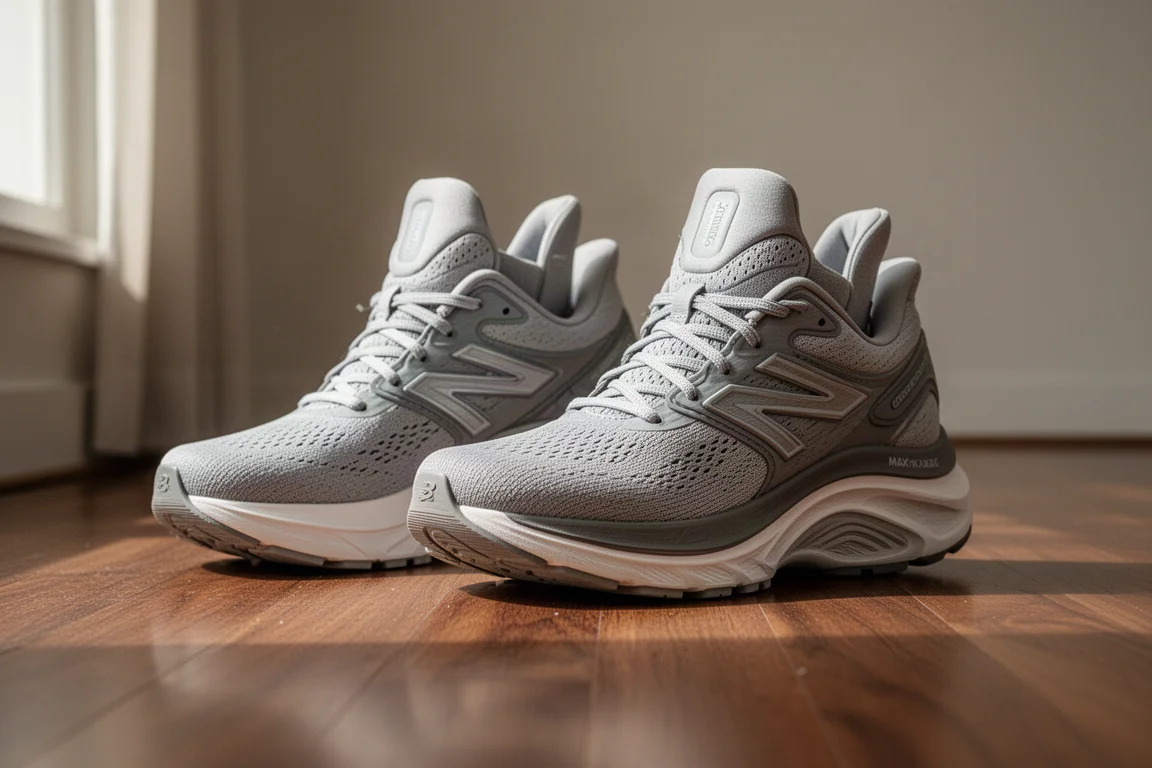
On the run, this is the bouncier shoe of the two. You sink into the foam more, especially at the heel, and the energy comes back quickly. Even on long progression runs where you put more force into the shoe, that force is returned in spades. Long runs have produced no concerns about the midsole bottoming out. The rocker is smooth too, rolling you onto the forefoot where the ZoomX bounce really shows.
View more details for Nike Vomero Plus
Brooks Glycerin Max: Firm, Stable, and Consistent
The Glycerin Max also has a nice mesh upper that is fairly thick, with loads of padding around the tongue and heel, plus foam sidewalls. The midsole uses DNA Tuned, a dual-density design with nitrogen-infused EVA foam. Larger cells at the heel create a softer landing, while smaller cells at the forefoot give a more responsive feel, so you get a bit of pop off the toes. Brooks’ GlideRoll rocker is on board, and a thick layer of rubber protects the outsole, though coverage is not as extensive as on the Nike. Durability should not be an issue, but it is not quite as full an outsole.
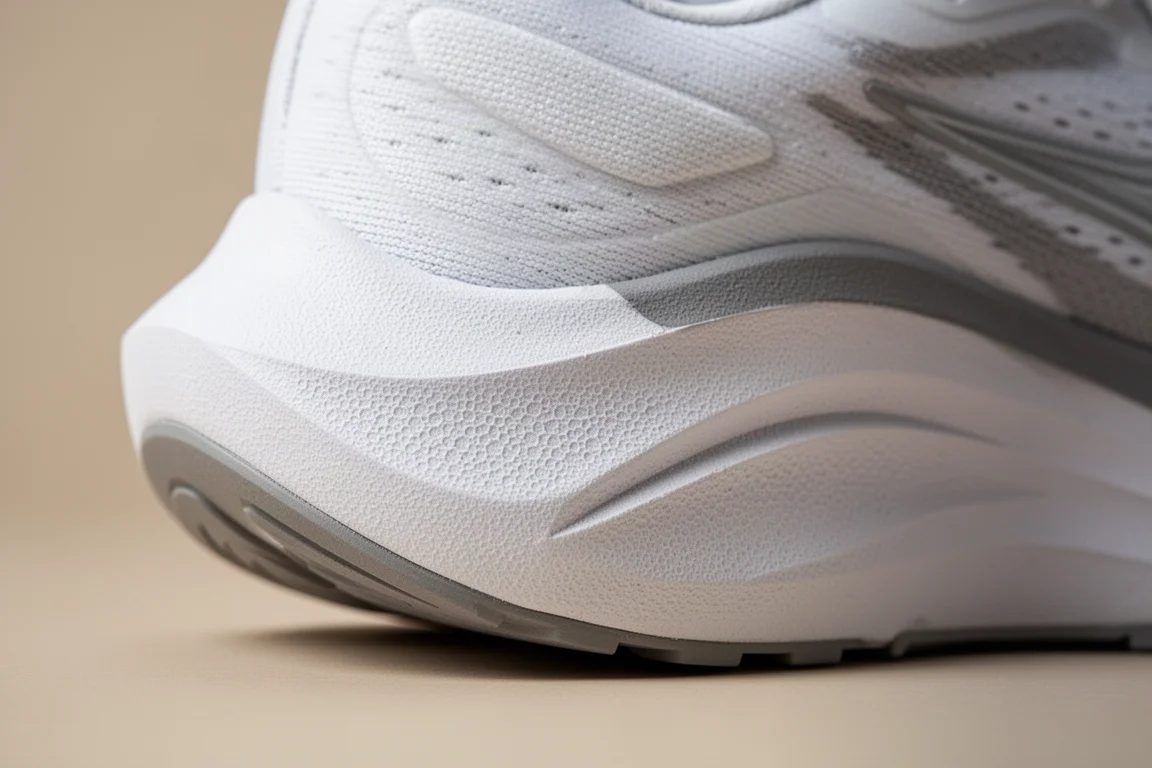
The ride feel is firmer and flatter. It is still soft and cushy, especially at the heel, but you get a reasonably firm platform to push against, which helps you tick over on easy runs and adds natural stability, helped by a slightly wider footprint. The rocker is unusual: condensed into a small section of the forefoot, with a flat base over most of the shoe’s length and a sharp curve at the front. The result is a transition that is not quite as smooth off the toes as the Nike. What the Brooks does brilliantly is consistency: the foam feels exactly the same at the end of a 30k long run as it did at the start, never sinking in or losing bounce.
Fit and Upper Comfort
Both shoes fit well in normal running size, with good toe room even on long runs or downhills, and solid hold around the heel and midfoot. Both uppers run a little thick and padded, which can feel slightly oppressive in very hot conditions, though that has not been a real problem in cooler UK running. The heel design on the Nike is a touch more comfortable, as the Brooks padding protrudes slightly more toward the Achilles, though it never caused actual issues. Stick to your normal running shoe size for length.
Ride Comparison
Ran back to back, the differences are clear. The Nike feels softer and springier, with extra sink and a smoother heel-to-toe transition that suits heel strikers. Despite the 10mm drop figure, it does not feel like a typical high-drop shoe because foam is high at both ends and the smooth rocker, combined with heel softness, evens things out. It also feels lighter and nimbler at faster paces thanks to its narrower design.
The Brooks feels more boat-like, great for cruising at a consistent pace but not agile. You can go through the gears a little, but it is easier in the Nike, which feels more like a traditional trainer despite its big cushioning. For runners with a high-cadence, low-impact style, the firmer DNA Tuned foam can be harder to unlock for bounce, whereas the Nike’s softer foam is easier to compress and rebound from.
Which One Should You Buy?
The verdict here leans toward the Vomero Plus: it feels better on the run and it is the cheaper of the two. It suits easy long runs, daily training, recovery miles, warm-ups and cool-downs, and it is the more versatile option if you want one shoe to do everything, handling faster paces better thanks to its extra bounce and lighter, nimbler feel.

That said, the Glycerin Max has distinct appeal for certain runners: its slightly firmer ride, lower 6mm drop, and more stable platform. If you specifically want that stable, firmer feel and are willing to pay a bit more for it, the Brooks is still a great choice. The Vomero Plus is not a particularly unstable shoe, though, so unless you really need extra support, there is little to worry about there.
Conclusion
Both of these are excellent max cushion daily trainers built for comfort first. The Nike Vomero Plus edges ahead on price, weight, bounce, and versatility, making it the pick for most runners. The Brooks Glycerin Max remains a strong alternative for anyone after a firmer, more stable, lower-drop ride.
Further reading
Related Reviews

Running Shoes
Best Road-to-Trail Running Shoes: Three Versatile Options for Mixed Terrain
A practical guide to three road-to-trail running shoes that handle both pavement and mild trails, with clear strengths and trade-offs for different runner types.

Running Shoes
Best Running Shoes for Achilles Tendonitis: Three Options Explained
Three running shoes with different heel drops and support features designed to help reduce Achilles tendon pain during walking and running.

Running Shoes
Best Running Shoes for Women: Five Top Choices Ranked
A ranked guide to five women's running shoes, from versatile daily trainers to high-performance racing options, with real strengths and trade-offs for each.