Running Shoes
Nike Vomero Plus First Run Review: Fast, Bouncy, and Not What You Expect
Nike's new max cushion flagship is lighter and faster than the hype suggests, but it trades away some stability and relaxed comfort along the way.
Introduction
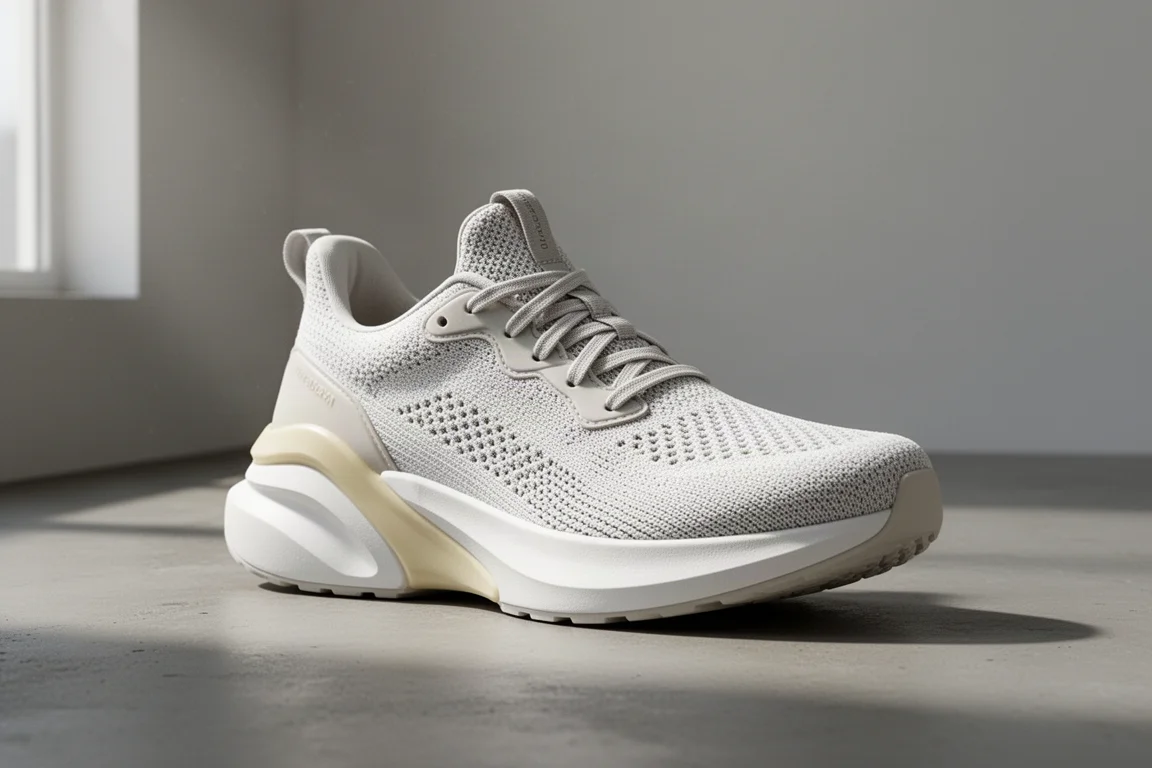
The Nike Vomero Plus might be the most hyped running shoe of the year, and after a solid 18-mile day in it, we can see why. It replaces the Invincible line in Nike’s renamed lineup, bringing a super max stack, full max-cushion ZoomX foam, and a competitive $180 price. The catch: it is not the soft, relaxed cruiser the marketing implies. This shoe is faster and firmer than expected, with a few trade-offs you should know about before buying.
What the Vomero Plus Actually Is
Nike’s new naming system puts Pegasus in the responsiveness slot, Structure in the support slot, and Vomero in the cushion slot. Most people, us included, think this specific model should have carried the Invincible name, because that is what it really is: the successor to the Invincible 3. It uses 100% ZoomX foam, though Nike calls it “tuned for maximum cushioning,” and it is not the same PEA race compound used in the Vaporfly. It is a comfort-oriented TPE-style take on the foam.
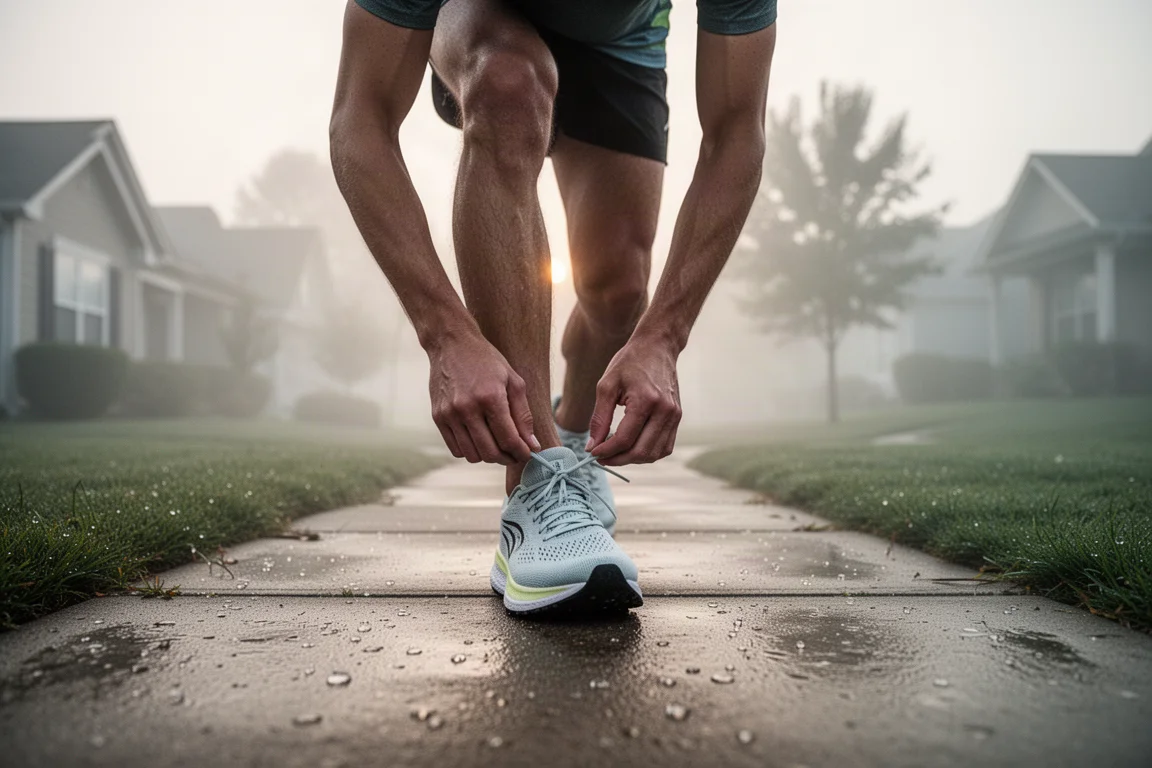
The framing question going into testing was simple: can this be a nice higher-drop alternative to the Puma Mag Max for recovery days and long runs? The answer is more nuanced than the hype suggests.
Specs, Weight, and Stack
Nike priced the Vomero Plus at $180, which undercuts the Super Blast and the Neo Vista 2 and matches the Mag Max. Better still, it is light. On the scale it came in at 313 grams, lighter than the Mag Max at 322, the Nimbus at 318, the standard Vomero 18 at 326, and the Invincible 3 at 302 was actually the outlier here. Only the Neo Vista 2, at 286 grams, is meaningfully lighter.
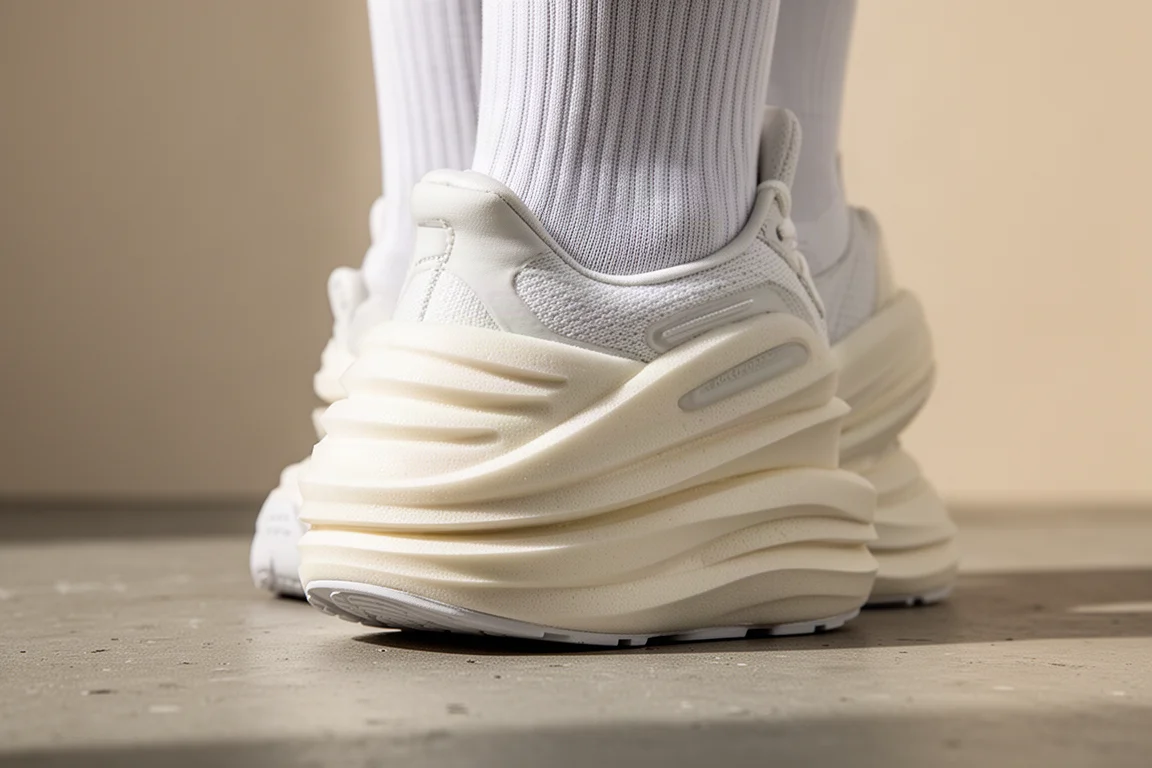
Measured stack came in around 43 mm in the heel, which is respectable super max territory but not the tallest in the category. The heel-to-toe drop sits at 10 mm, and the shoe adds a proper rocker to the geometry, something Nike has skipped on the flat, traditional Pegasus and standard Vomero. The forefoot does not taper aggressively into a paper-thin edge, which should make the front end feel less punishing than older Nike daily trainers.
On-Foot Impressions
The upper is a genuine highlight. The lacing cinches down perfectly, the padding on the tongue is thick, and the toe box is slightly wider up front with a voluminous midfoot, so higher-volume feet should fit fine. It has some old-school Air Max energy in the colorway and shape, and there is no rubbing or hot spots even in heavy humidity.
Where it deviates from expectations is the ride. The step-in feel is not especially soft, and out of the box it feels like you are on the foam rather than in it. It does not sink in the way a More v6 or even the Vomero 18 does. Instead, it wants you up on the midfoot, and it rewards you with real bounce and snap.
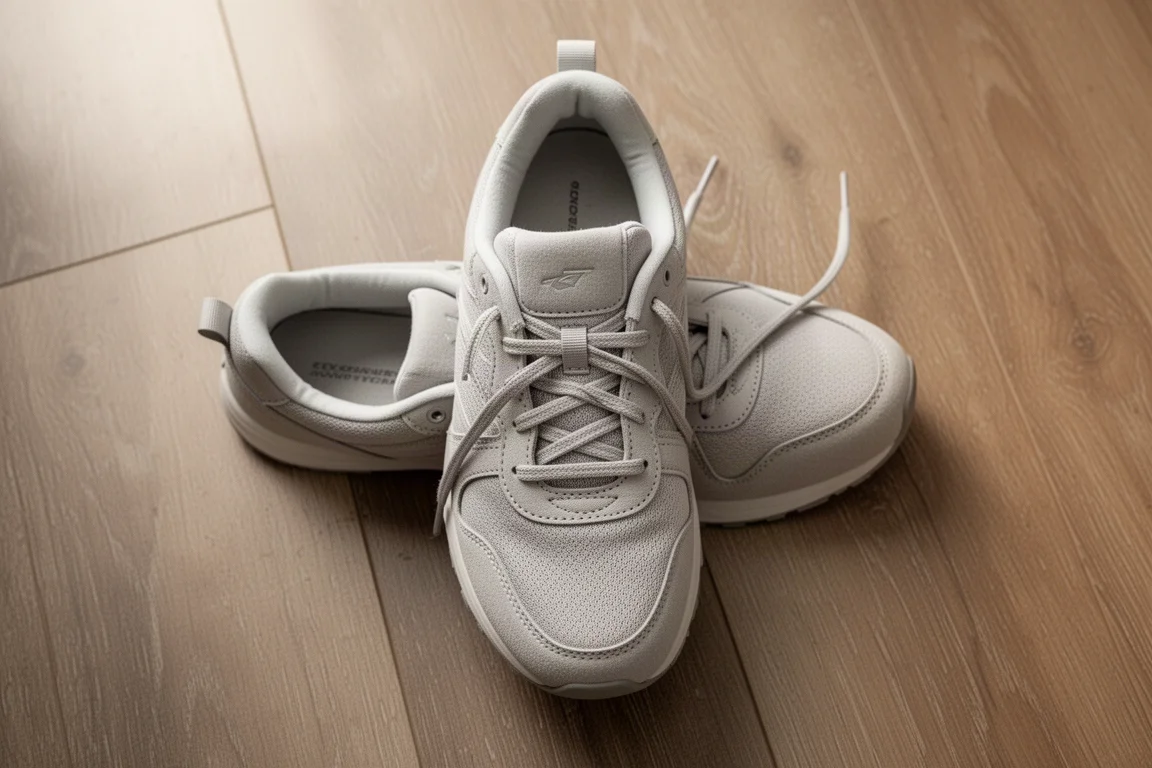
Stability is the notable weakness. The heel feels narrow and does not cradle the way the Mag Max does. At relaxed paces and while walking, there is a visible wobble when the heel touches down. If you want a wide, planted platform, the Super Blast or Mag Max do this better.
How It Handles Long Runs and Faster Paces
This is where the Vomero Plus earns its keep. The protection is top tier: a planned 10-mile run turned into 13 because the legs never begged to stop, and the shoe showed no signs of going mushy. It genuinely feels like you could do a 25-mile long run in it, as one Nike-affiliated athlete reportedly did with a marathon-pace pickup late in the run.
It shines when you add pace. Splits dropped naturally from 7:59 into the 6:30s when the effort went up, and strides in the 4:10 range felt serviceable. It is not a workout shoe of choice, but it comfortably occupies that hybrid zone: more pep than the Nimbus, more comfort than the Nova Blast or Evo SL, and faster feeling than the Mag Max. The trade-off is that slow recovery jogs do not feel great in it; the geometry pushes you onto the forefoot and can feel slightly aggressive at 8-minute-pace and slower.
The outsole grip is merely okay, noticeably below Puma’s rubber and one step behind Asics’ best wet-road compound. It would not stop us from buying the shoe, but keep it in mind for rainy days.
Things to Consider Before Buying
The 10 mm drop and chunky heel create a triangle platform that makes the shoe feel narrow at the back, and that is the root of the stability complaints circulating about this model. A slightly wider, 8 mm-drop version would have solved most of the criticism. It is not dangerously unstable, but it is not a relaxed cruiser either.
If your max cushion priority is sinking into plush comfort at easy paces, look at the Mag Max, Glycerin Max, or Nimbus instead. If you want a fast, fun long run shoe that leaves your legs feeling fresh and can handle a pace pickup, this is one of the best options at the price.
Buying Advice
At $180 the Vomero Plus feels appropriately priced, and Nike’s usual sale cycle means discounts are likely. It works best as part of a small rotation: pair it with a lower, faster shoe for tempo work, or use it as your non-plated long run shoe for marathon training. Go in expecting a peppy, energetic ride rather than a marshmallow, and you will not be disappointed.
Conclusion
The Vomero Plus is a really good shoe that does not quite live up to its “best max cushion shoe of all time” billing, mostly because it was never really built to be that. It is a fast, bouncy, protective long run cruiser with a stellar upper, competitive weight, and a fair price, held back only by narrow rearfoot stability and a ride that demands a little effort at slow paces. With more miles, this could easily become a reliable rotation regular.
Product link
View more details for Nike Vomero Plus
This product is mentioned in the review. Check the specifications, options, and compatibility before buying.
View more details for Nike Vomero PlusFurther reading
Related Reviews

Running Shoes
Best Road-to-Trail Running Shoes: Three Versatile Options for Mixed Terrain
A practical guide to three road-to-trail running shoes that handle both pavement and mild trails, with clear strengths and trade-offs for different runner types.

Running Shoes
Best Running Shoes for Achilles Tendonitis: Three Options Explained
Three running shoes with different heel drops and support features designed to help reduce Achilles tendon pain during walking and running.

Running Shoes
Best Running Shoes for Women: Five Top Choices Ranked
A ranked guide to five women's running shoes, from versatile daily trainers to high-performance racing options, with real strengths and trade-offs for each.