Running Shoes
Nike Vomero 18 vs New Balance Fresh Foam X 1080 v14: Which Daily Trainer Wins?
Two cushioned daily trainers head to head: stack, weight, ride feel, fit and value compared after 50-plus miles in each shoe.
Introduction
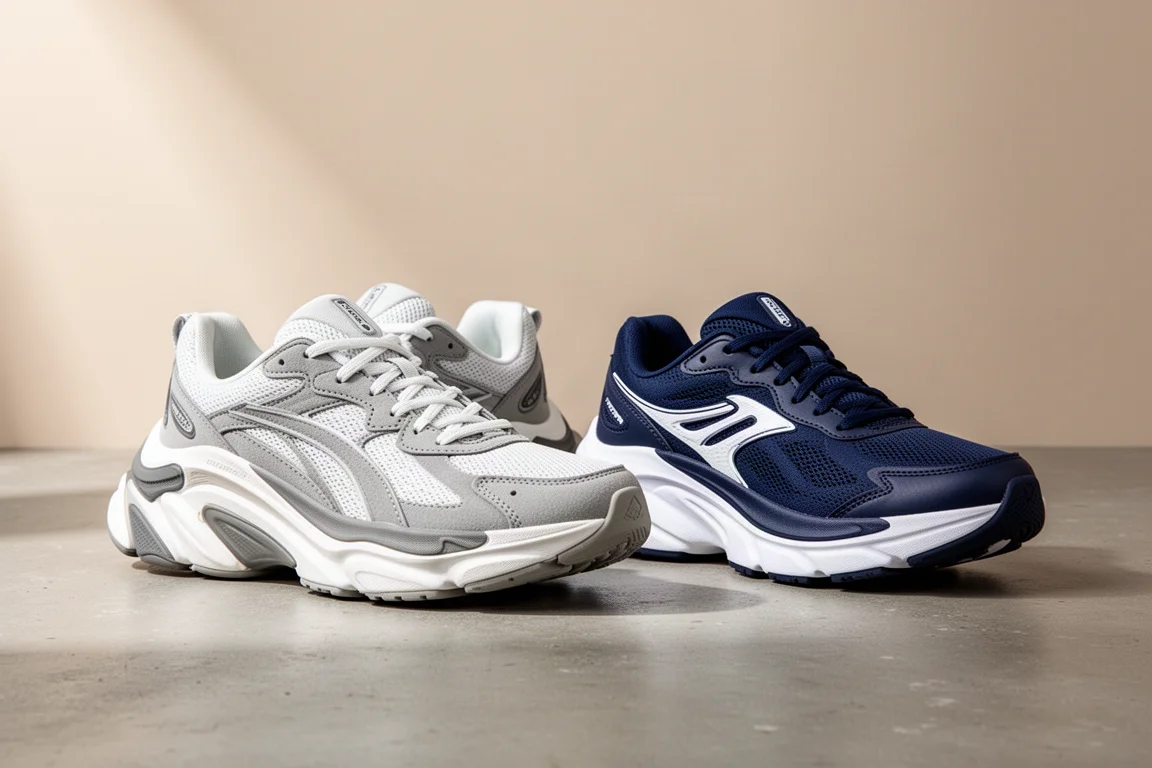
If you want one comfortable, well-cushioned shoe to absorb most of your weekly miles, two names keep coming up: the Nike Vomero 18 and the New Balance Fresh Foam X 1080 v14. Both are cruiser-style daily trainers built for easy miles and long runs rather than fast intervals. After running well over 50 miles in each, this head-to-head breaks down where they differ and which one makes more sense for you.
At a Glance: Stack, Weight and Price
The New Balance 1080 v14 measures 38 mm in the heel and 32 mm in the forefoot for a 6 mm drop. The Vomero 18 goes considerably bigger with 46 mm in the heel and 36 mm in the forefoot for a 10 mm drop.
In a US men’s 9.5, the 1080 v14 weighs 10.1 oz (285 g), having gained a little weight over the previous generation. The Vomero 18 comes in at 11 oz (310 g) in a comparable size.
On price, the 1080 v14 sits firmly in the mid-range bracket for a daily trainer at £165 or $160. The Vomero 18 lands at a notably better value: £135 in the UK or $150 in the US.
Ride and Midsole: Plush vs Firmer
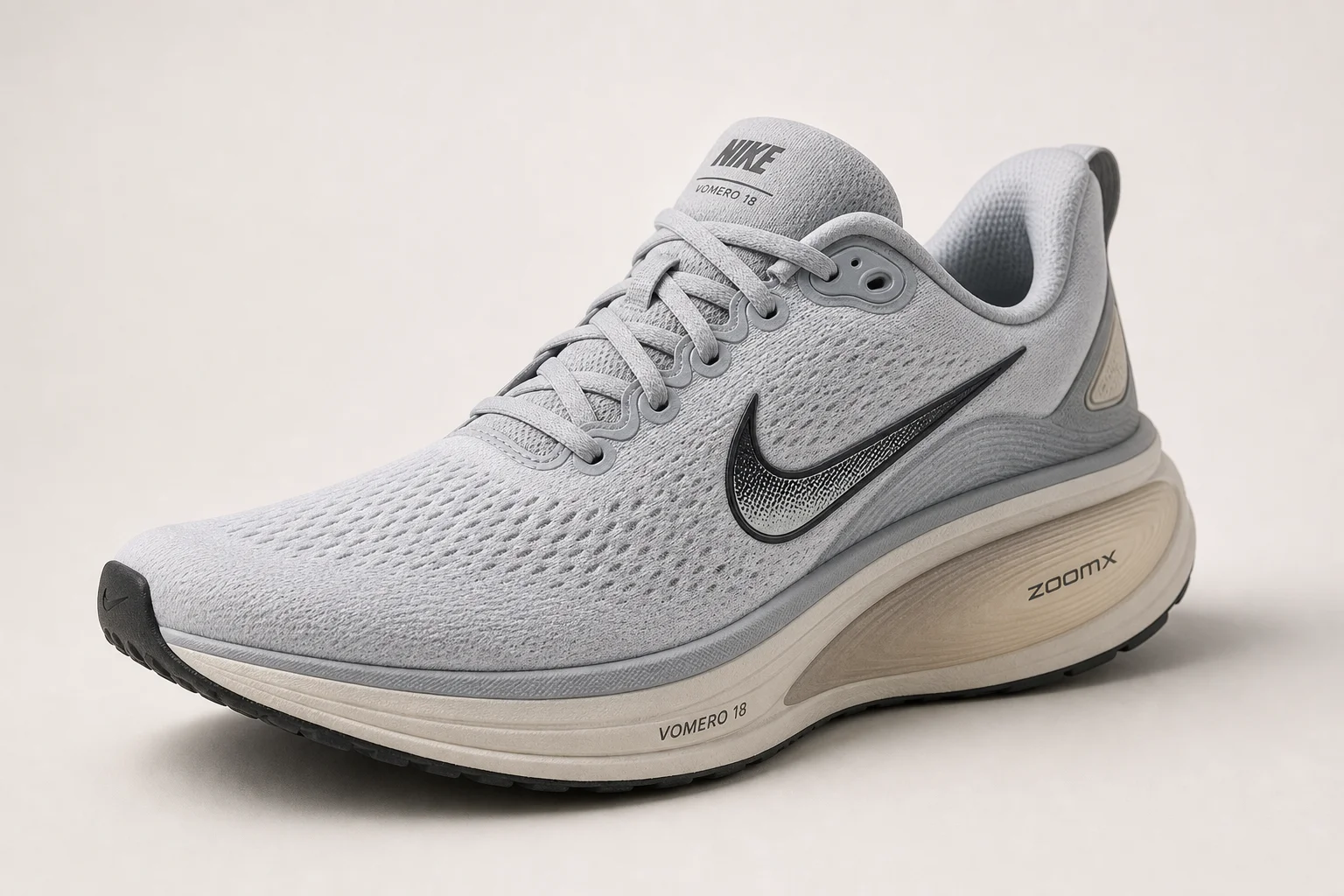
The Vomero 18 ups its stack from 40 mm in the Vomero 17 to a plusher 46 mm, using a dual-foam setup with a foot-length layer of ZoomX foam on top and React X below. A pronounced rocker targets smooth transitions and energetic toe-offs.
The 1080 v14 also reworked its ride. The rocker midsole is cut from Fresh Foam X with increased forefoot stiffness to help with toe-off, and the foam feels tuned slightly firmer than the softer 1080 v13. The result is a quicker response, with the foam returning faster and transitions feeling more immediate. It is still a plush, max-cushion comfort shoe, and it is notably softer than the Vomero 18.
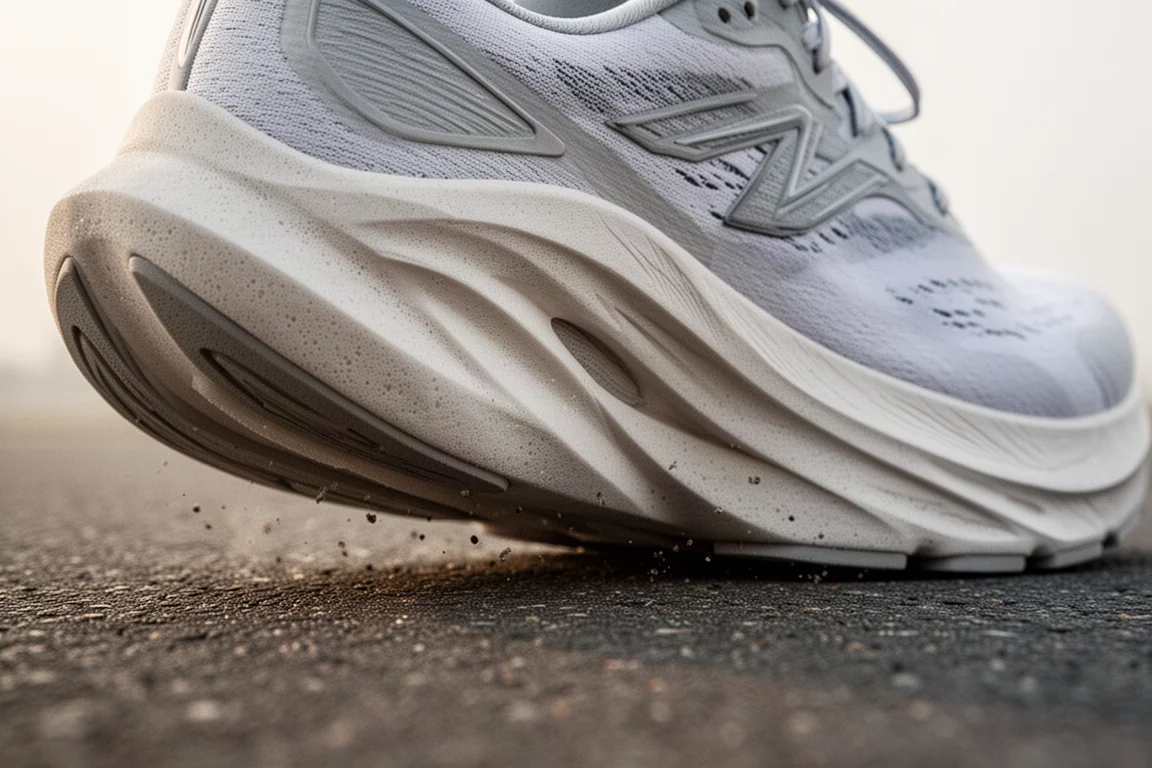
Interestingly, the Vomero 18 does not run as max-stack as its profile suggests. It offers ample cushion, but there is more immediacy and control to the ride, and it feels like a quicker-returning shoe than the 1080 despite weighing more. Both shoes have wide, stable platforms, and both can move up the gears when needed, though the 1080 offers more cushion than spring and the Vomero is the more subtle, somewhat more stable of the two at faster paces.
Fit and Upper Comfort
Both shoes pair soft, flexible, breathable engineered mesh uppers with highly padded heel collars and cushioned gusseted tongues, and the overall plush comfort is on a par between them.
The 1080 v14 comes up short in the toe box for the tester, feeling snugger across the top of the foot and midfoot, which is noticeable if you have high or wide insteps. The Vomero 18 delivers a more balanced comfort and hold without excessive plushness, with more flex in the upper and an easy, roomy, unrestricted feel. Going true to size works in the Vomero, while some may want to consider going half a size up in the 1080 v14.
Wider-footed runners get more options from New Balance: alongside the standard fit there are wide and extra-wide versions. Nike offers just one fit for the Vomero 18, but it is a naturally accommodating, roomy shoe, particularly up front. Lockdown has been reliable in both, with no heel rub or irritation in testing.
Outsole and Durability
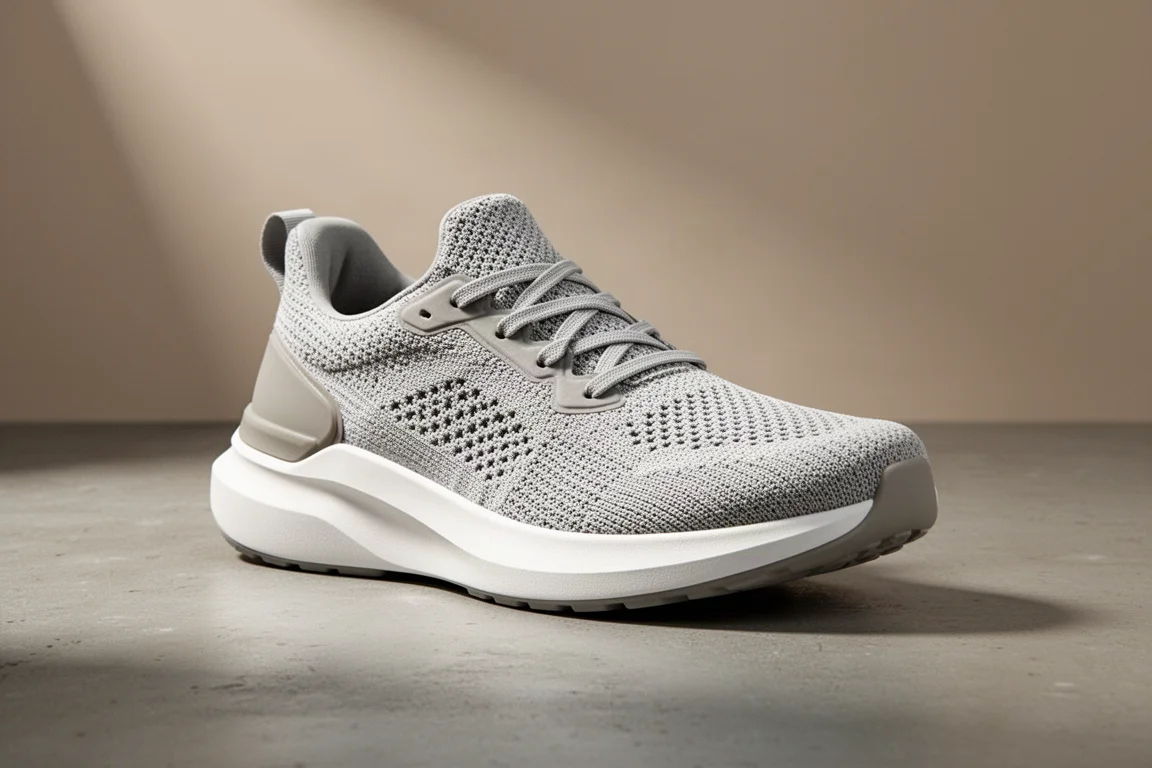
Both shoes carry a healthy covering of outsole rubber for grip and durability. The 1080 v14 uses a two-piece forefoot outsole with a horseshoe-shaped ring, a strip down the middle and rear pads covering the landing zones. After 50-plus miles, its outsole looks to be wearing quite fine so far.
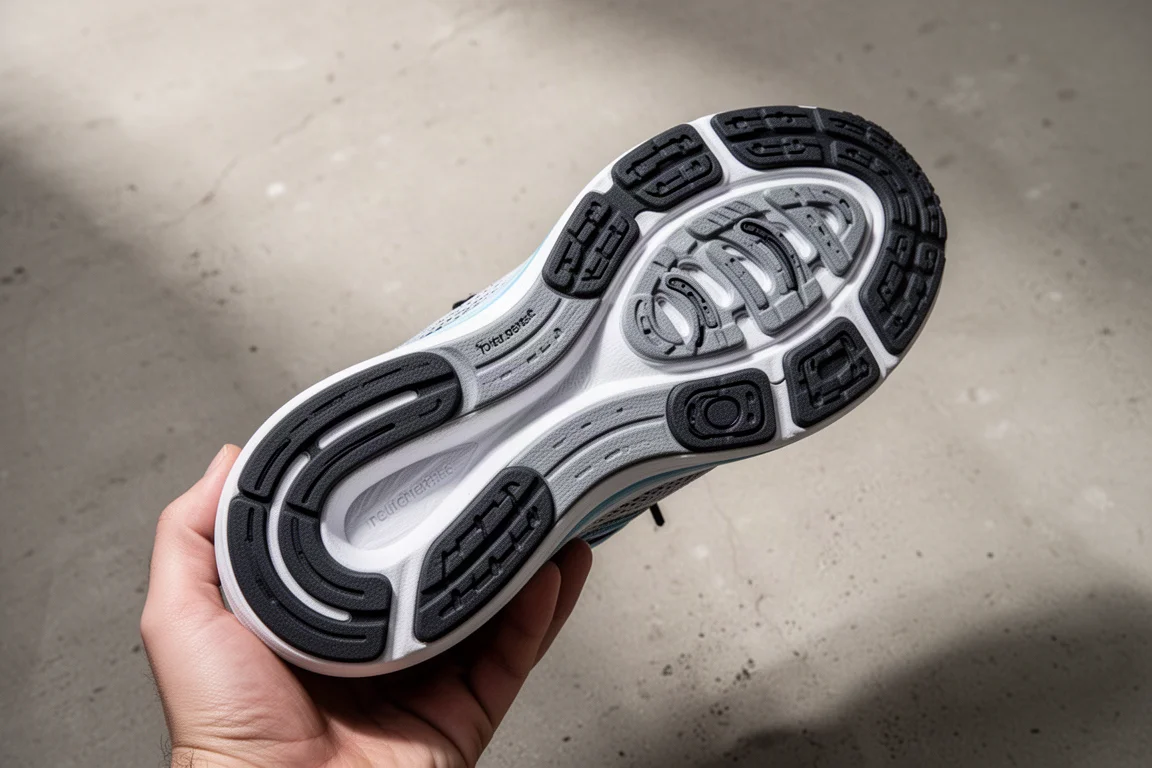
The Vomero 18 breaks up its outsole with a similar horseshoe ring, a midfoot section, a ring of rear pads and studs to boost grip. There is more rubber and more going on in its design, but there is also visible wear in the heel in testing. Still, the Vomero inspires more confidence for the odd detour off the pavement, handling wetter conditions and lighter park trails better than the road-focused 1080 v14.
Which One Should You Buy?
Both are solid, no-nonsense daily trainers, and both work for everything from easy runs up to around marathon pace at a push, though they are at their best at easy to moderate paces and on long runs. Neither feels heavy on the foot, and the weight difference does not have a big bearing on the running experience.
If you prefer a softer, sinky cushioned ride, the 1080 v14 is the one to go for, and its extra width options make it the smart pick if you have wider feet. If you like a less compressive midsole, better easy comfort in the uppers, and a slightly more uptempo-capable feel, the Vomero 18 fits the bill. Given that it covers everything the 1080 v14 does for a chunk less money, the Vomero 18 takes the value verdict in this comparison.
Conclusion
These are two very capable cushioned daily trainers aimed at the same kinds of running. The 1080 v14 wins on softness and fit flexibility, while the Vomero 18 wins on fit comfort, immediacy, off-road margin and above all price. Choose based on whether you value plush underfoot feel or firmer versatility and value for money.
Further reading
Related Reviews

Running Shoes
Best Road-to-Trail Running Shoes: Three Versatile Options for Mixed Terrain
A practical guide to three road-to-trail running shoes that handle both pavement and mild trails, with clear strengths and trade-offs for different runner types.

Running Shoes
Best Running Shoes for Achilles Tendonitis: Three Options Explained
Three running shoes with different heel drops and support features designed to help reduce Achilles tendon pain during walking and running.

Running Shoes
Best Running Shoes for Women: Five Top Choices Ranked
A ranked guide to five women's running shoes, from versatile daily trainers to high-performance racing options, with real strengths and trade-offs for each.