Running Shoes
Nike Vomero 17 vs Pegasus 40: Which Daily Trainer Fits Your Running?
Two well-cushioned Nike daily trainers with plenty of overlap. We break down the stack, the foam, and which shoe suits easy runs versus speed work.
Introduction
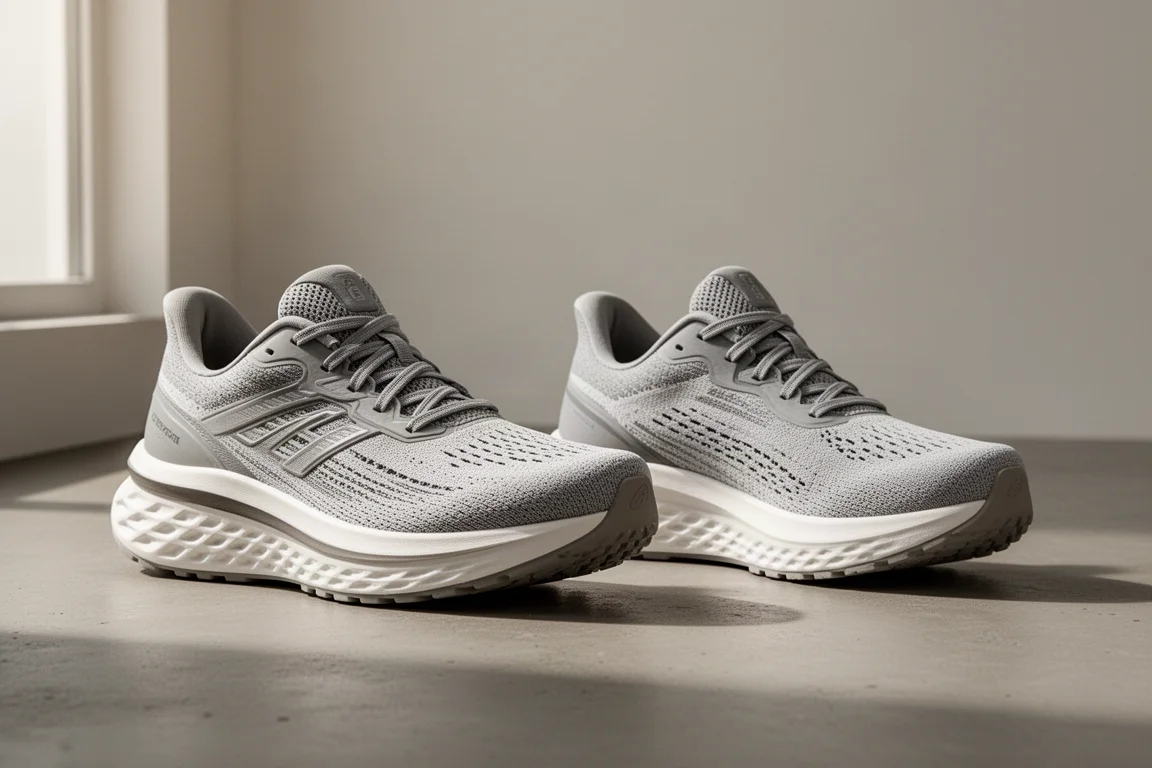
Nike’s Vomero 17 and Pegasus 40 are both well-cushioned daily trainers, and that is exactly why they are worth comparing side by side. There is a lot of overlap between them, and the differences that do exist are subtle enough that picking between them comes down to how and where you run.
The short version: the Vomero is a fair bit more cushioned and geared towards easy running, while the Pegasus is viewed more as an all-rounder. Both share a 10 millimetre drop, similar geometry, and a very similar outsole, so this is one of those comparisons where small details matter.
Two Shoes, One Role
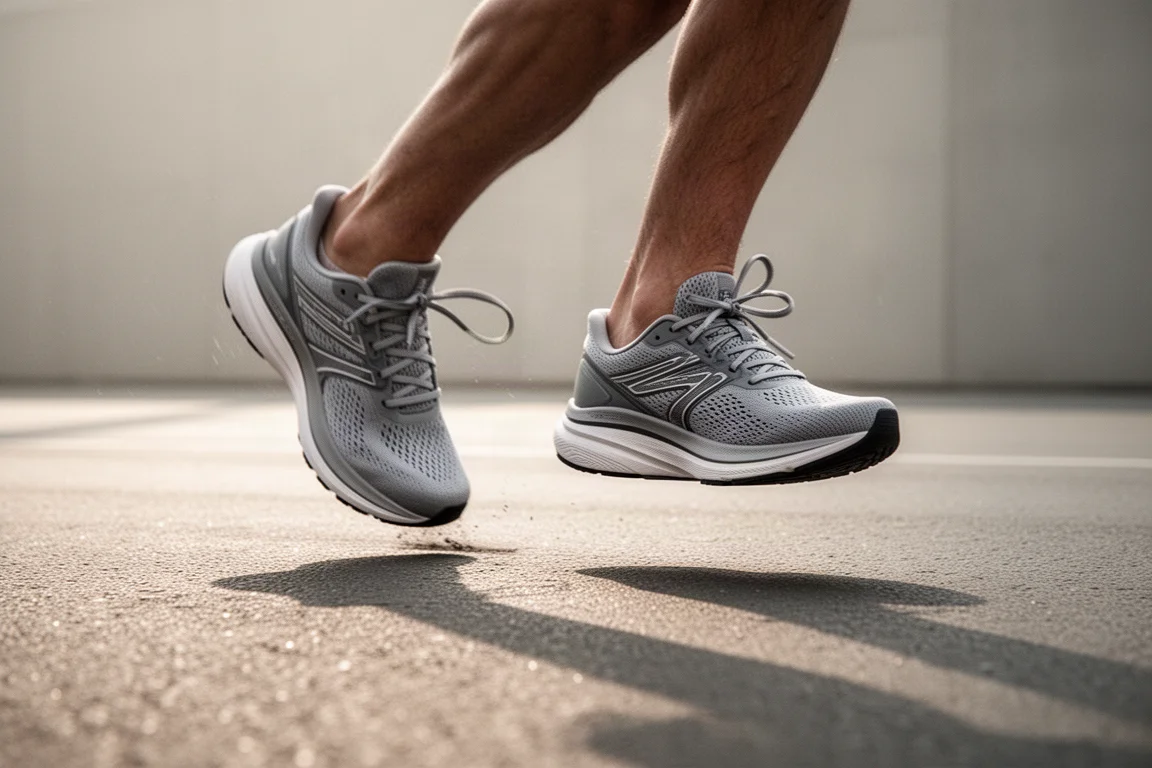
Both sit in the cushioned daily trainer category, but they lean in different directions. The Vomero 17 stacks up to around 40 millimetres at the heel, making it the taller, softer option of the pair. The Pegasus 40 measures 33 millimetres at the heel and 23 millimetres at the forefoot.
Weight and pricing also separate them. The Vomero weighs 303 grams (10.7 ounces) in a UK size 9, versus 292 grams (10.3 ounces) for the Pegasus 40 in the same size. On price, the Pegasus is the cheaper shoe at £115 or $130, while the Vomero sells for $160.
Design and Construction
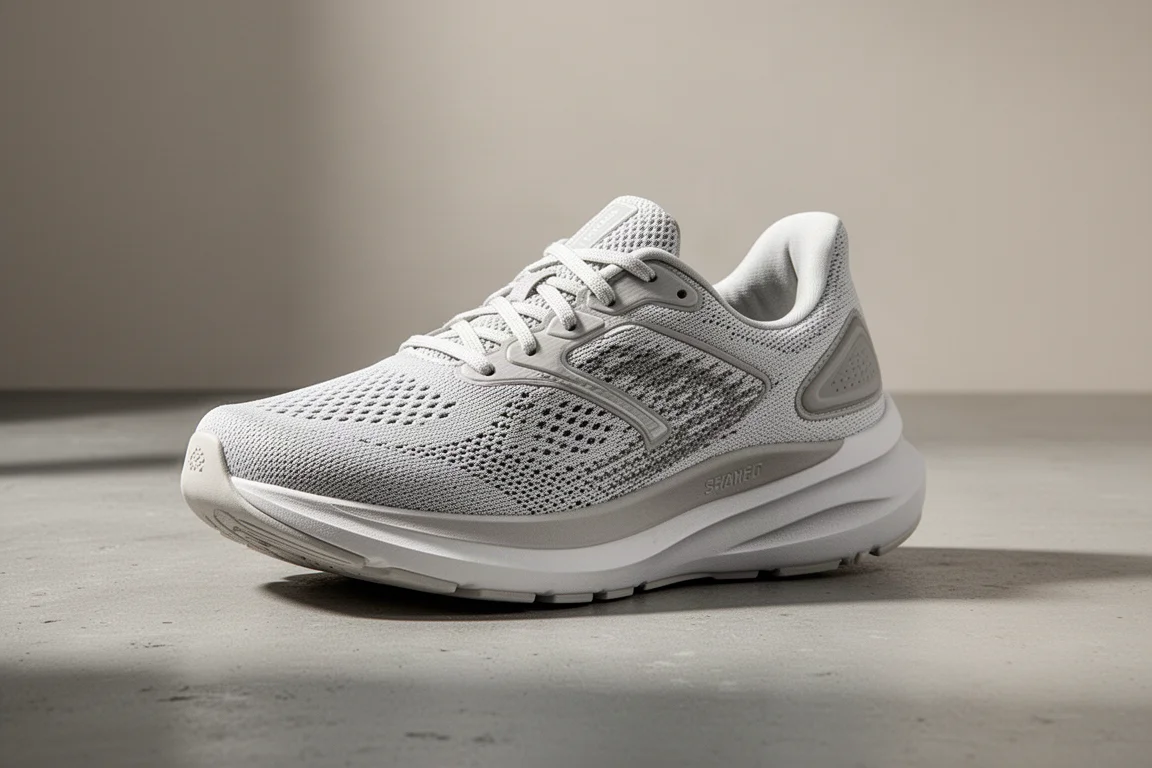
The Vomero 17 uses an engineered mesh upper with generous padding around the heel, a fairly substantial internal heel counter, and foam sidewalls at the rear of the shoe that keep it stable despite the higher stack. Its midsole is dual density: a top layer of ZoomX, the best foam in Nike’s range, over a layer of Cushlon 3.0 underneath. That combination delivers a softer feel on top while keeping the overall midsole durable and stable.
The Pegasus 40 has a similarly padded mesh upper and comparable heel design. Its midsole is Nike’s React foam with two Air Zoom pods, one under the heel and one under the forefoot, which add a little pop and energy return. React is a comfortable, durable workhorse foam rather than an exciting one, and it suits the Pegasus’s do-it-all brief well.
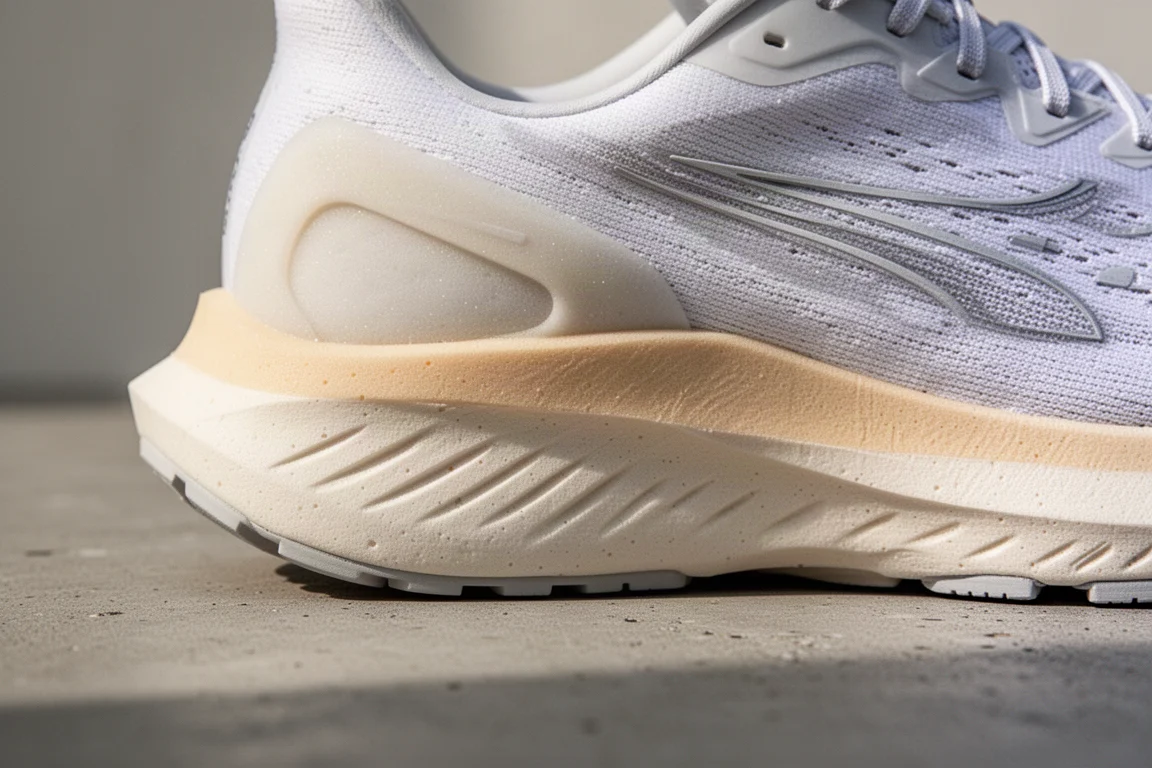
Both shoes use a waffle-pattern outsole with large rubber segments covering most of the underside. Durability and grip are very close between the two; there is not much to choose between them on that front, and both feel like they will hold up to serious mileage.
Fit and Sizing
Both shoes fit true to size, and a normal Nike size works well for each. There is a good amount of room in the forefoot without either feeling especially narrow, and both offer solid hold through the midfoot and heel. Unless your feet have unusual needs, there is no reason to size up or down in either shoe.
Ride and Long-Run Comfort
This is where the two shoes genuinely diverge. The Vomero 17 is softer and more comfortable underfoot thanks to its ZoomX top layer, and the difference is most noticeable under the forefoot on longer runs. Beyond around 20K, the extra stack of foam underfoot makes it a clearly more comfortable choice for marathon training and long easy runs.
The Pegasus 40 is still a genuinely comfortable shoe, particularly at the heel, and it holds its own on relaxed easy runs. The gap is smaller than you might expect given the Vomero’s higher stack and ZoomX layer. The real difference is at the forefoot, where the Pegasus simply has less foam and a slightly firmer feel, so you sense the ground a bit more.

Neither shoe has much of a rocker, and both have a fairly flat, traditional ride. You get a bit of snap through at pace, but neither feels smooth and flowing. On the question of heat, the Vomero runs slightly hotter, and neither is the most breathable option. In very hot and humid climates, the Vomero in particular may start to feel warm. Both feel similarly stable, though: the Vomero stays planted thanks to its wide base and foam sidewalls, while the Pegasus is naturally stable thanks to its React midsole and lower profile.
Speed Work and Versatility
For faster running, the Pegasus has the edge. It is a bit lighter, firms up nicely at higher paces, and turns over quickly, which makes short hard efforts feel easier. The Vomero gives back a little more bounce underfoot thanks to its ZoomX layer, which helps when sustaining a good pace over longer distances, but it is not a lively, responsive shoe. Despite the foam, it is not a reincarnation of the Pegasus Turbo: it is heavier and geared much more towards easy running.
Making the Right Choice
If you want a do-it-all shoe that handles speed work and easy days in one package, the Pegasus 40 is the more versatile option, and it comes in at a notably lower price. If your priority is a comfortable cruiser for easy runs and long-run days, the Vomero 17 is the softer, better choice.
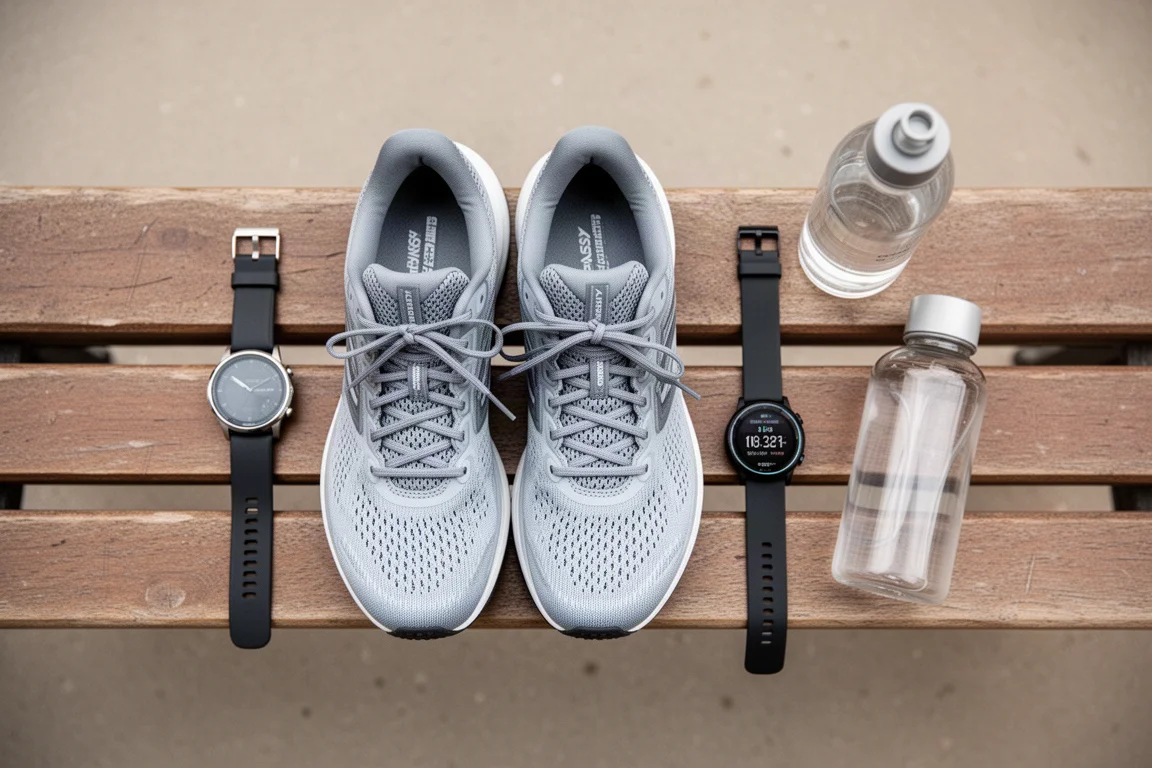
One practical note: these two overlap so much that buying both for the same rotation makes little sense. If you pick the Vomero, pair it with a much lighter, nimbler speed shoe. If you pick the Pegasus, you are likely already covered for easy runs.
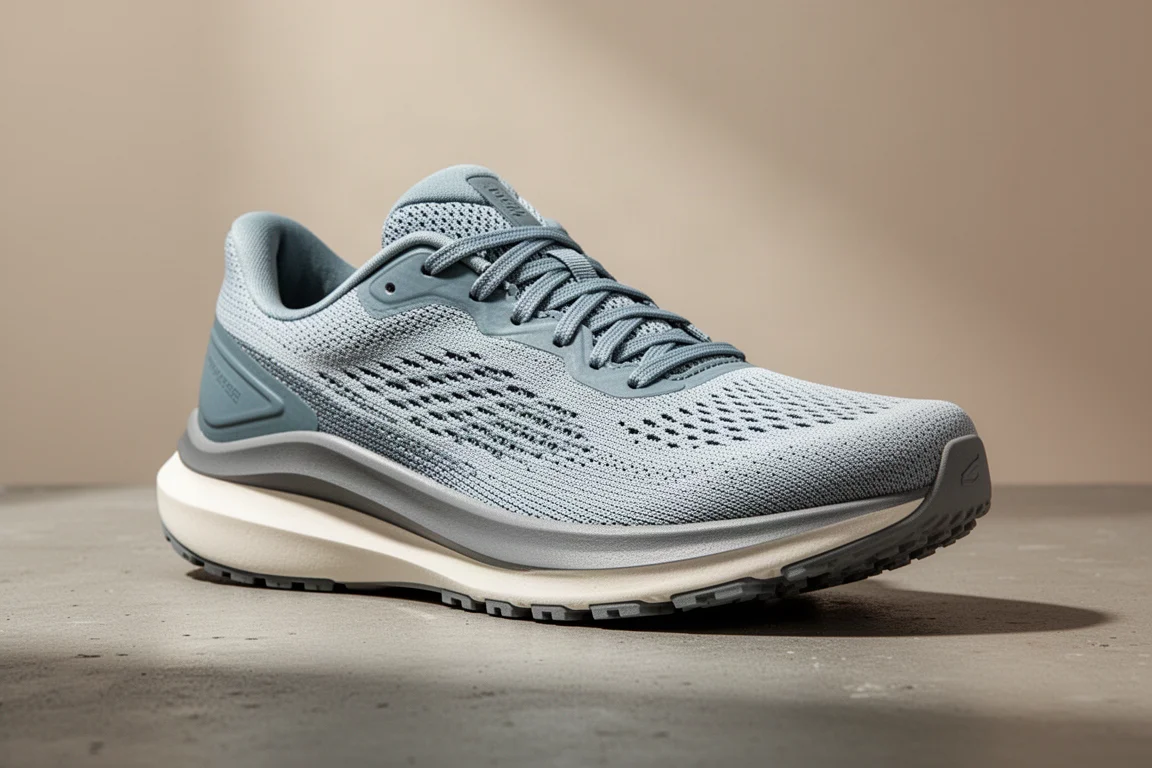
Conclusion
The Pegasus 40 is the versatile, better-value daily trainer for runners who want one shoe to cover everything. The Vomero 17 is the softer, more comfortable pick, especially for long runs and easy mileage, but do not expect a spectacularly plush or bouncy ride from its ZoomX layer. Choose based on how much of your week is easy running versus faster work, and you will not go far wrong with either.
Further reading
Related Reviews

Running Shoes
Best Road-to-Trail Running Shoes: Three Versatile Options for Mixed Terrain
A practical guide to three road-to-trail running shoes that handle both pavement and mild trails, with clear strengths and trade-offs for different runner types.

Running Shoes
Best Running Shoes for Achilles Tendonitis: Three Options Explained
Three running shoes with different heel drops and support features designed to help reduce Achilles tendon pain during walking and running.

Running Shoes
Best Running Shoes for Women: Five Top Choices Ranked
A ranked guide to five women's running shoes, from versatile daily trainers to high-performance racing options, with real strengths and trade-offs for each.