Running Shoes
Nike Vaporfly OG Retro Review: The Original Super Shoe Still Holds Up
A dead-stock pair of the original Nike Vaporfly shows how little the modern race shoe formula has actually changed in five years.
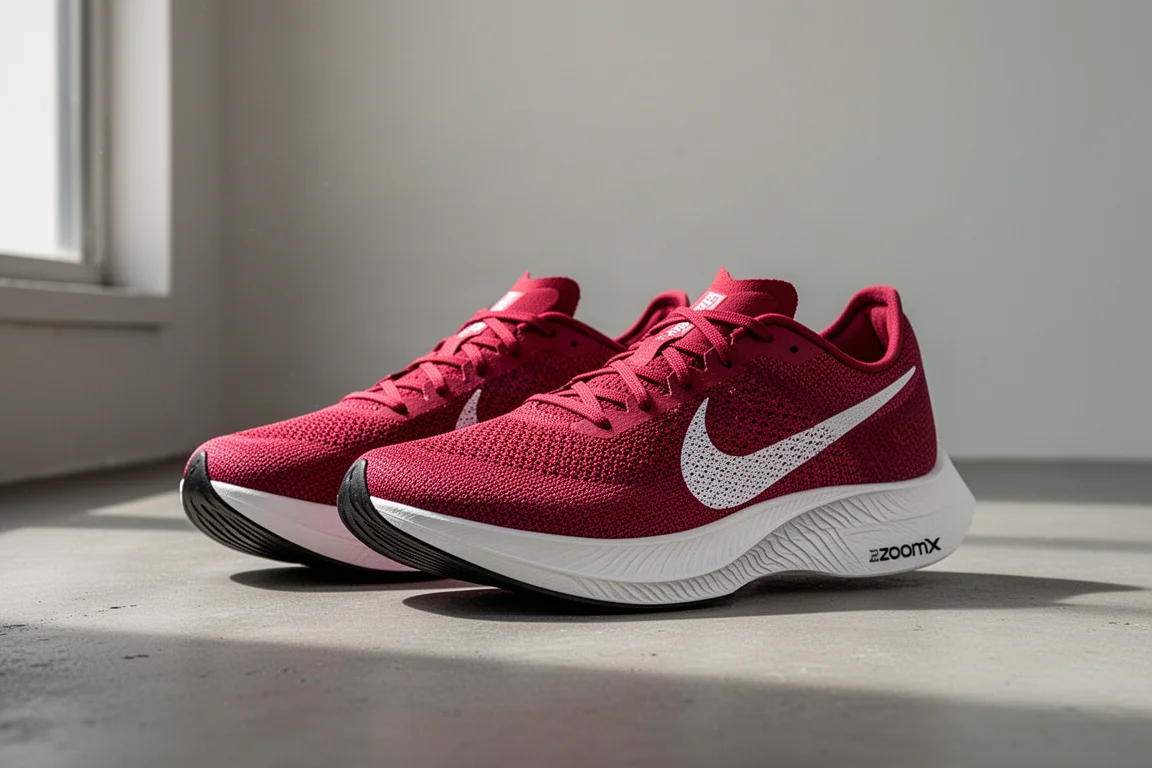
Introduction
The original Nike Vaporfly is the shoe that started the entire modern super shoe era, and getting to run in a brand new, never-worn dead stock pair several years after its release is a rare treat. The big question going in: does the shoe that launched the category still hold up against today’s race shoes?
The short answer is yes, and more convincingly than expected. The core formula, lightweight race foam with a carbon fiber plate in a streamlined package, is still the foundation of nearly every serious marathon shoe on the market. Running the OG today is a reminder that the category’s biggest leap happened once, and almost everything since has been refinement.
First Look and Build Quality
Out of the box, this dead stock pair looks pristine. The foam is clean white with the classic light creasing that comes from years of storage, and the racing tag on the heel gives it a sharp, period-correct finish. Compared side by side with later versions, the OG reads as an elevated racing flat with a carbon plate rather than a modern max-stack marathon shoe. The rocker is modest, the platform is flatter, and the silhouette is distinctly slimmer.
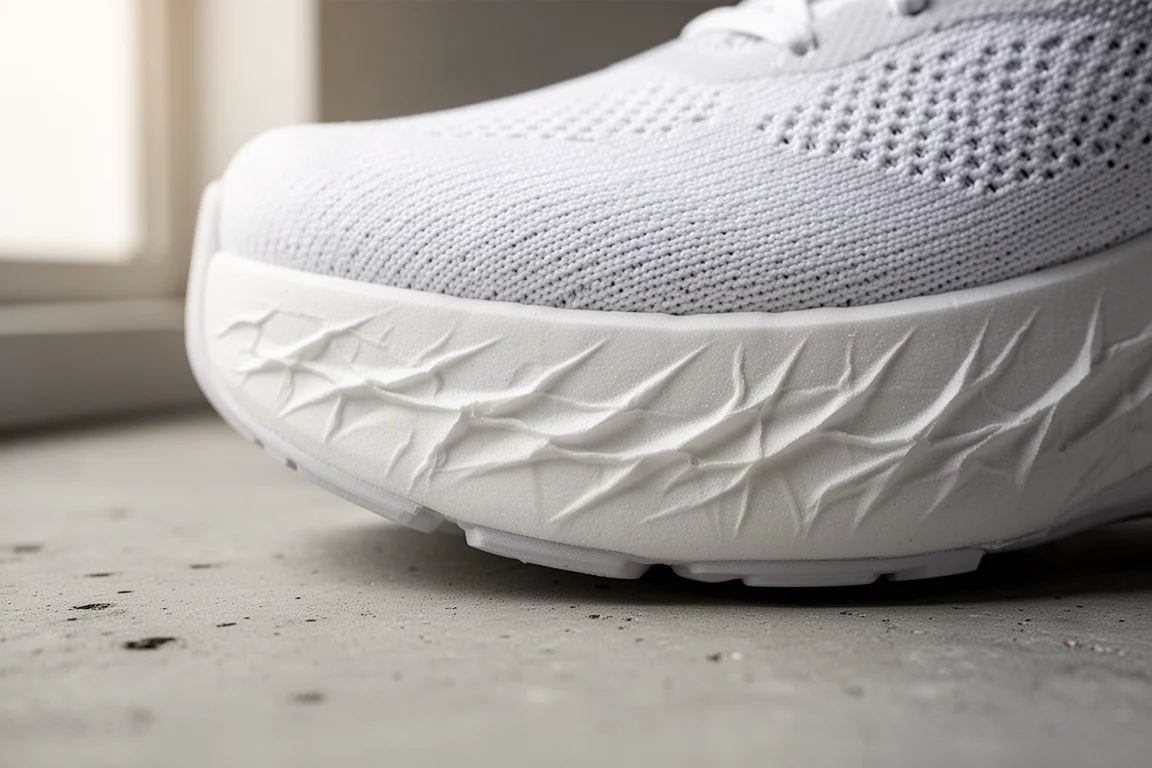
A few quirks stand out immediately. The outsole has full rubber coverage front to back, which is something later Vaporfly generations actually walked back, leaving the heel foam exposed on the Vaporfly 2 and 3. The OG also has the heel foam covered rather than exposed, which makes a lot of practical sense for durability. Fit is snug and sock-like, bracing the foot tightly, closer to the Alphafly upper in feel than anything else in the current lineup.
Specs and Measurements
The numbers show how conservative the category has been. This pair comes in at around 213.5 g, versus roughly 204.5 g for a current Vaporfly 3 and 191 g for the lightest mainstream race shoe available today. That is about a 10 percent spread, which matters for elites chasing every variable, but for most runners on foot it is functionally imperceptible.
Stack height lands at 38.9 mm in the heel on this size 10.5 sample, comfortably under the 40 mm regulation limit that every brand now designs around. Forefoot width measures 78 mm, narrower than current max-cushion race shoes at 89 mm and slightly wider than the most nimble modern options at 75 mm. In other words, the platform geometry has barely moved in five years. The innovation since has come mainly from foam chemistry, midfoot stack workarounds, and geometry tweaks, not a fundamentally different idea.
How It Runs
On the run, the original ZoomX formula still delivers. The cushioning feels surprisingly plush yet firm at step-in, firmer than the current Vaporfly generation, with a flatter, more normal underfoot geometry that feels almost like a daily trainer compared to the extreme shapes of modern racers. Despite the sub-80 mm heel width, the shoe feels stable because the foam does not squish around under load.

At steady and moderate paces, roughly 6:20 to 7:20 per mile, this shoe is exceptional. It is light, bouncy, and explosive when the pace picks up, with no mushiness and no forcing a particular foot strike. Heel, midfoot, and forefoot landings all feel natural. Over a 10-mile run at around 6:50 average pace, the foam stayed lively and did not bottom out.
The one real flaw is softness at the extremes. When driving hard into 5:20 to 5:30 pace, the platform starts to feel too compliant, and the level of protection between forefoot and ground is noticeably less than the firmer-tuned modern race shoes. For faster, more powerful runners, that softness is the limiting factor. Sizing also runs small and narrow; going up a half to full size would be sensible if a pair is ever available.
How It Compares Today
Set against the current market, the OG Vaporfly still feels like a genuine race shoe, not a museum piece. Modern brands have split the category into floaty max-cushion cruisers, aggressive low-to-the-ground speed shoes, and softer high-horsepower options. The OG sits closest in spirit to the light, nimble, streamlined racers that keep the original formula alive, but with more comfort than most of those aggressive shoes offer.
That comfort plus speed combination is the special part. The best implementations of this race foam have always balanced bounce with plushness, and the OG nails it. It even recalls the fun, floating feel of great tempo-day trainers, a middle category that has largely disappeared from today’s lineup between max-stack cruisers and razor-sharp speed shoes.
Long-Term Durability Concerns
Two practical warnings come with any OG pair. First, the light race foam creases and compresses over time, and fresh-out-of-the-box performance does not tell you how much performance a stored pair has lost. Second, this pair showed real fragility after a single wet run, with foam and paint starting to break down at the edges. Light race foams remain less durable than everyday foams, and that was true five years ago just as it is now.

Full rubber coverage on the outsole is a genuine advantage here. Later versions stripped rubber from the heel and paid for it, with exposed foam getting chewed up quickly even in normal racing. The OG’s covered heel is the more sensible design, and it is one area where the original arguably got it more right than its successors.
Buying Advice
If you can find a dead stock pair in good condition, treat it as a collector’s piece first and a runner second. Verify the foam is in good shape, avoid wet-weather runs, and size up. Anyone who simply wants the modern experience should look at the current Vaporfly generation instead, which keeps the same formula in a lighter, more refined package. For runners who want that light, nimble spirit in something new, the aggressive streamlined race shoes from other brands are the closest modern equivalents, though they trade away some of the comfort that makes the OG special.
Conclusion
The original Nike Vaporfly is a genuine legend that lives up to the hype. It started a category, and running it today makes clear how little the fundamental race shoe formula has changed since. Light, bouncy, comfortable, and fast, it can still stand in the same conversation as current race shoes, with softness at very fast paces and fragile foam as its main trade-offs. Some step-change products take years to be surpassed, and this is one of them.
Product link
View more details for Nike Vaporfly OG
This product is mentioned in the review. Check the specifications, options, and compatibility before buying.
View more details for Nike Vaporfly OGFurther reading
Related Reviews

Running Shoes
Best Road-to-Trail Running Shoes: Three Versatile Options for Mixed Terrain
A practical guide to three road-to-trail running shoes that handle both pavement and mild trails, with clear strengths and trade-offs for different runner types.

Running Shoes
Best Running Shoes for Achilles Tendonitis: Three Options Explained
Three running shoes with different heel drops and support features designed to help reduce Achilles tendon pain during walking and running.

Running Shoes
Best Running Shoes for Women: Five Top Choices Ranked
A ranked guide to five women's running shoes, from versatile daily trainers to high-performance racing options, with real strengths and trade-offs for each.