Running Shoes
Nike Vaporfly Next% 4 vs the Best Super Shoes: Which Marathon Racer Should You Buy?
The Vaporfly Next% 4 lines up against the Puma Deviate Nitro Elite 3, Adidas Adios Pro 4 and ASICS Meta Speed Edge Paris to find out which race shoe deserves your money.
Introduction
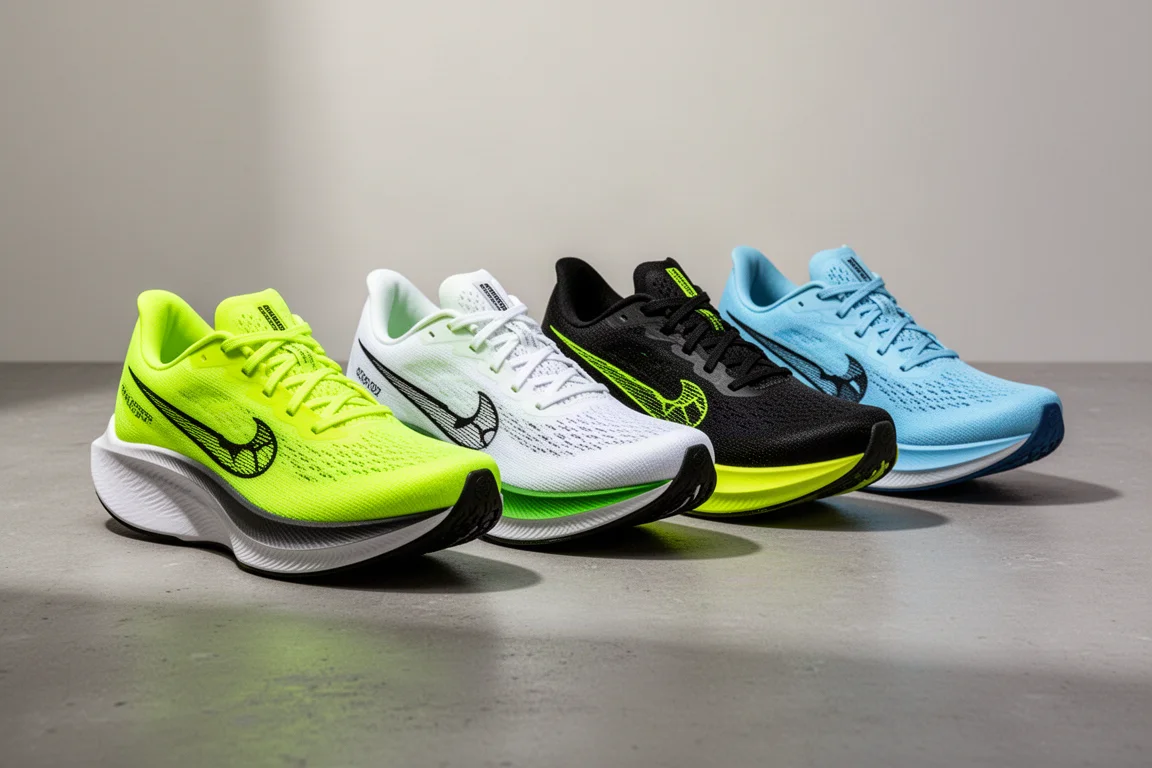
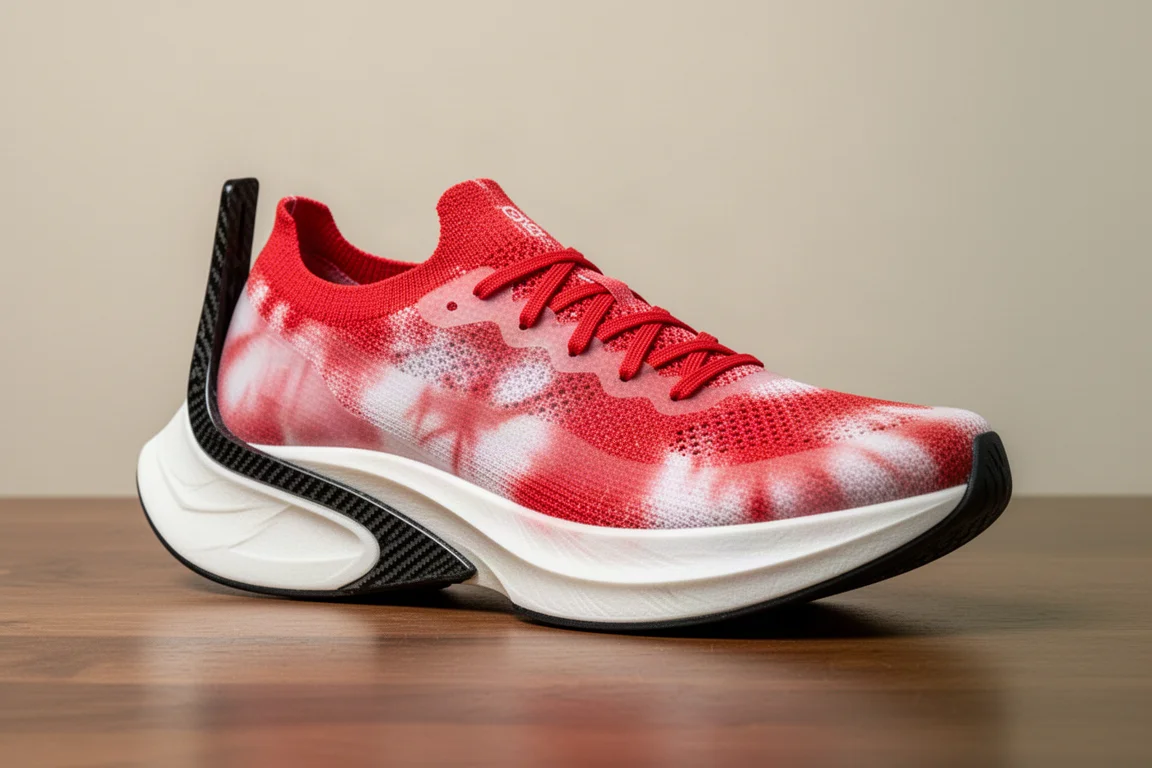
The Nike Vaporfly Next% 4 arrives with a higher price tag and less stack than before, so the obvious question is whether it still earns its place at the front of the super shoe pack. To find out, it goes head to head with three of the strongest alternatives right now: the Puma Deviate Nitro Elite 3, the Adidas Adios Pro 4 and the ASICS Meta Speed Edge Paris.
After plenty of miles in all four, one thing is clear straight away: the Vaporfly 4 is excellent, but it is no longer the automatic pick. Depending on your priorities, the competition often offers more stack, better durability or a lower price.
The Numbers First: Weight, Stack and Fit
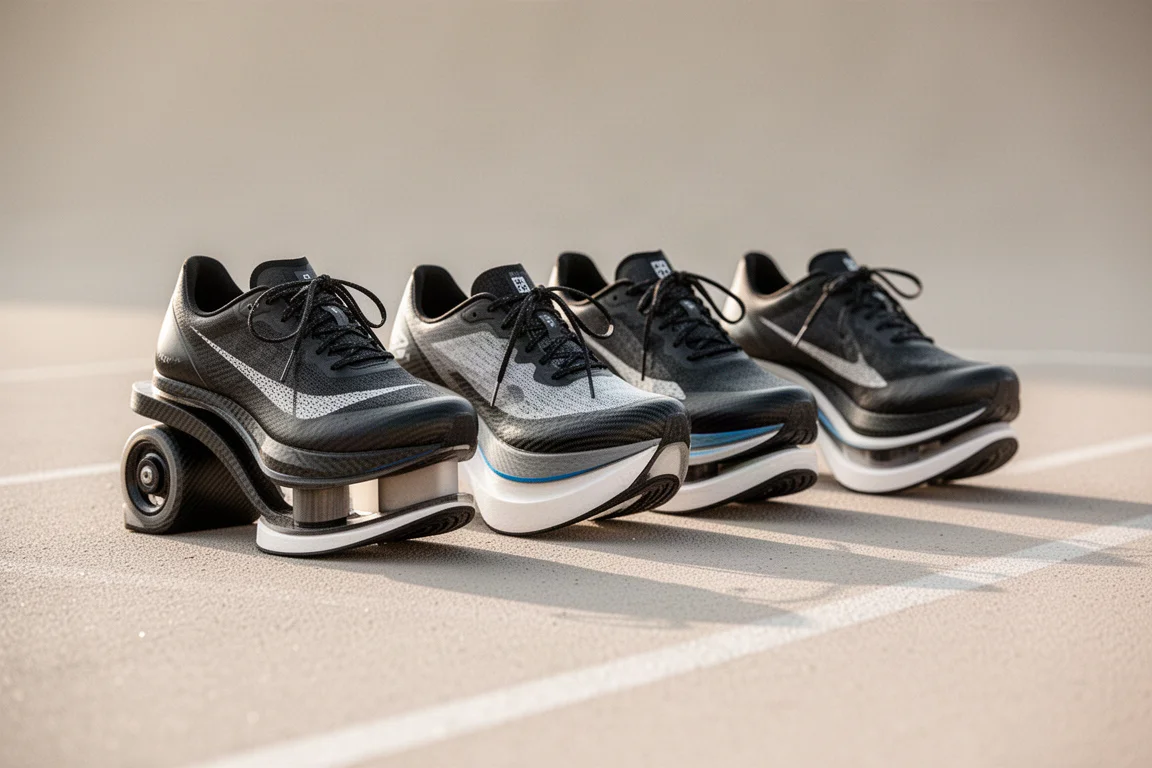
The Vaporfly Next% 4 is easily the lightest shoe of the four, but it also carries the least stack. Despite its low weight, it is not the narrowest at the forefoot; that distinction goes to the ASICS and Puma models. In the heel, the Nike and ASICS options are much narrower than the Adidas and Puma shoes, and the Adidas is the widest of the group at 12.3 cm at its widest point.
On drop, the Nike and ASICS models sit lowest. Then there is price: the Vaporfly is the most expensive at $240, which stings a little given the reduced stack. Whether that extra money buys anything meaningful is the core question of this comparison.
Adidas Adios Pro 4: The True Marathon Shoe
The Adios Pro 4 feels more like a proper marathon race shoe, with noticeably more width in the forefoot and a touch more in the heel. Its new Lightstrike Pro formula is super soft, and for many runners the comfort will come from that cushioning. There may be a bit more return and response in the Vaporfly, but the ZoomX in the Nike can feel comparatively dense and slightly firm, even if it is very forgiving.
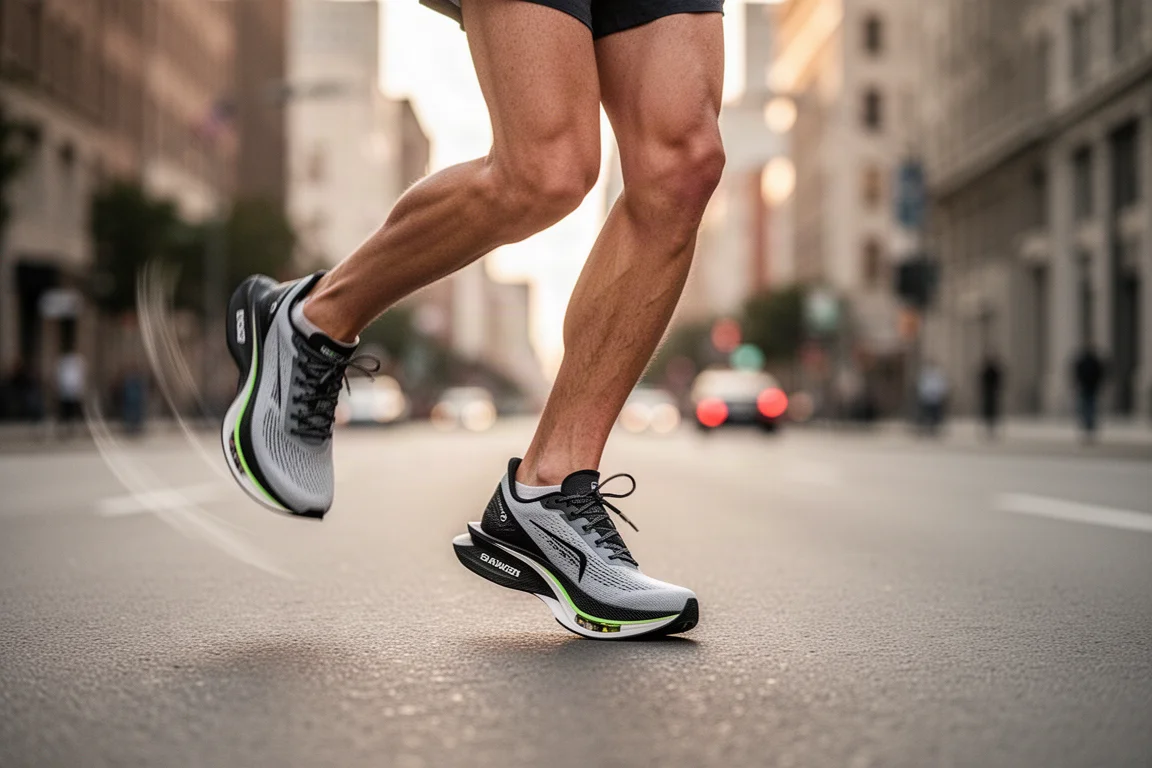
Grip over 100 miles is a genuine highlight: the Light Traction rubber has worn almost not at all, which is sensational. The Nike, by contrast, has picked up creasing, forefoot paint wear and the occasional thorn embedded in the foam. Both uppers fit well, though the laces on both feel a bit cheap. With the Adios Pro 4 also being 20 pounds cheaper, it is a very persuasive marathon pick, especially for heavier runners who want impact protection over 26.2 miles.
ASICS Meta Speed Edge Paris: The Closest Rival
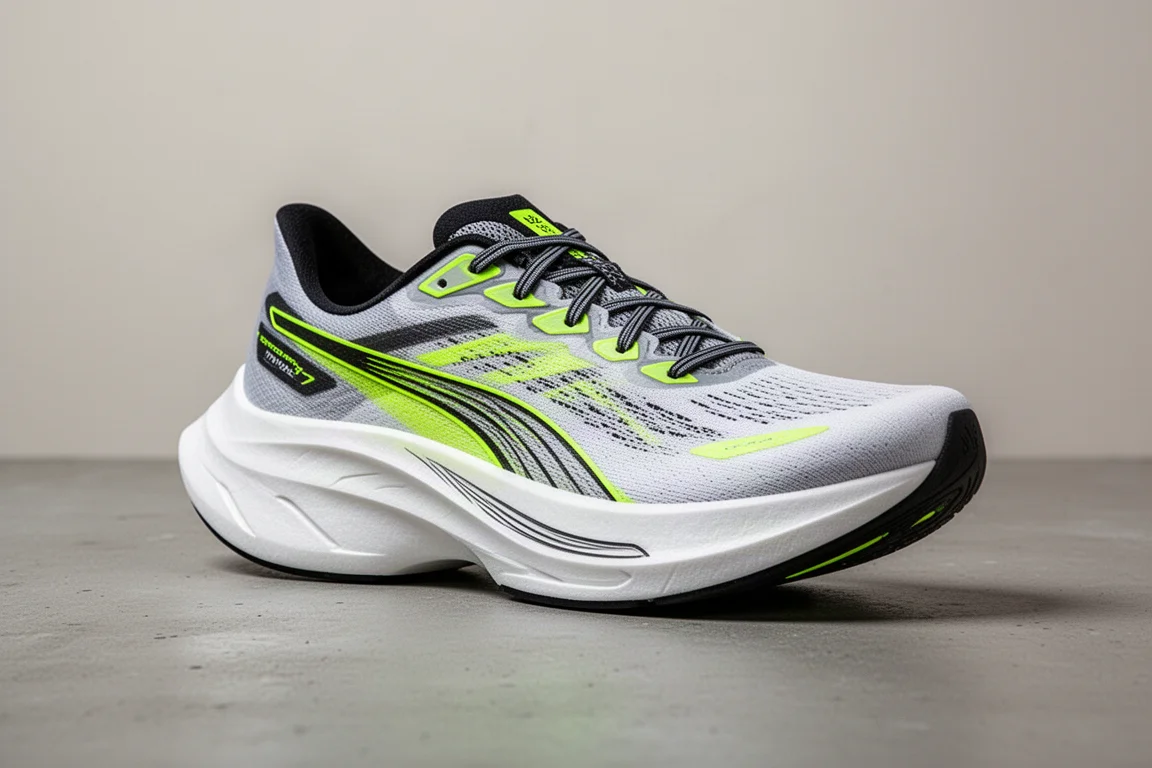
The Meta Speed Edge Paris is the closest competitor to the Vaporfly in design. Plate placement and heel-to-toe drop are very similar, and the weight difference is small. Both shoes reward runners who raise their cadence at faster paces, with a rolling feel through the stride. Both uppers are thin, flexible and lock the foot down well, though the Nike is a touch less generous in the toebox, while the ASICS bunches a bit more there.
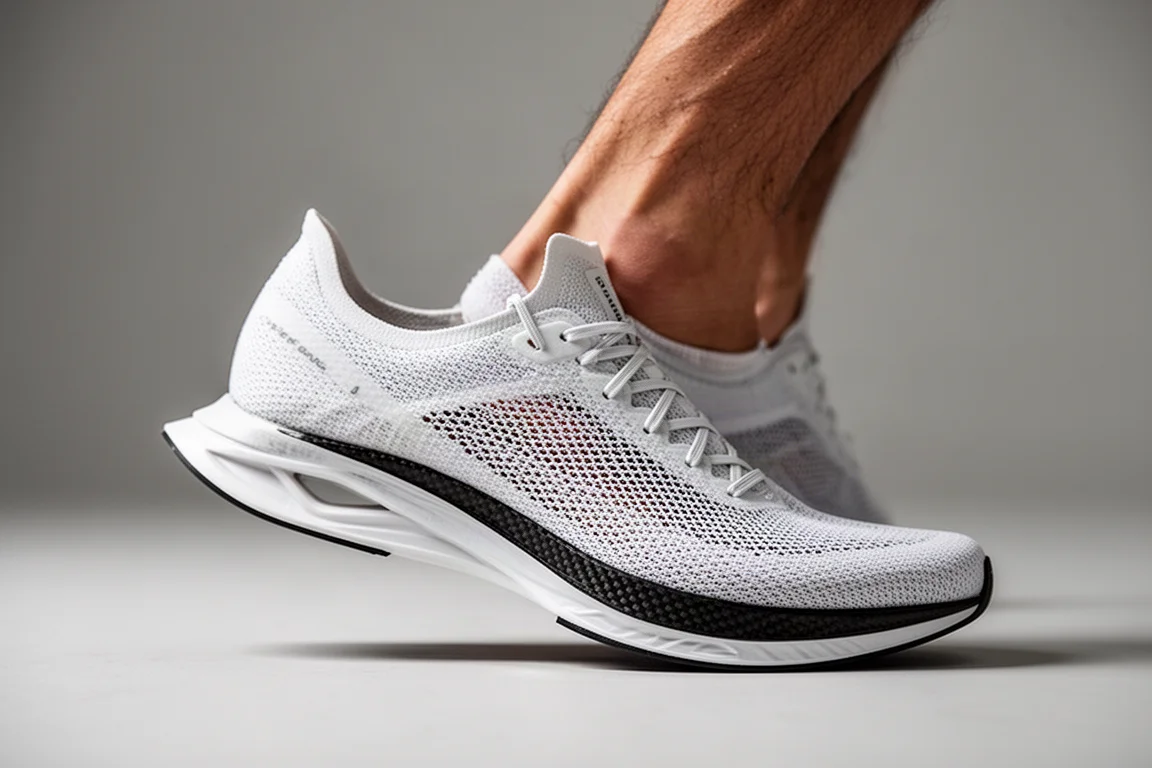
The midsoles are energetic but lack the soft excitement of the Adios Pro 4, and the ZoomX in the Vaporfly no longer feels quite as bouncy as earlier versions, likely a trade for longevity. Durability favors the ASICS: its untreated rubber outsole is sticky and holds up better than the Vaporfly’s rubberized foam. With a 20 pound price difference and more stack on the ASICS side, it is close, but on balance the Vaporfly 4 just edges this round, particularly for shorter-distance racing where weight matters.
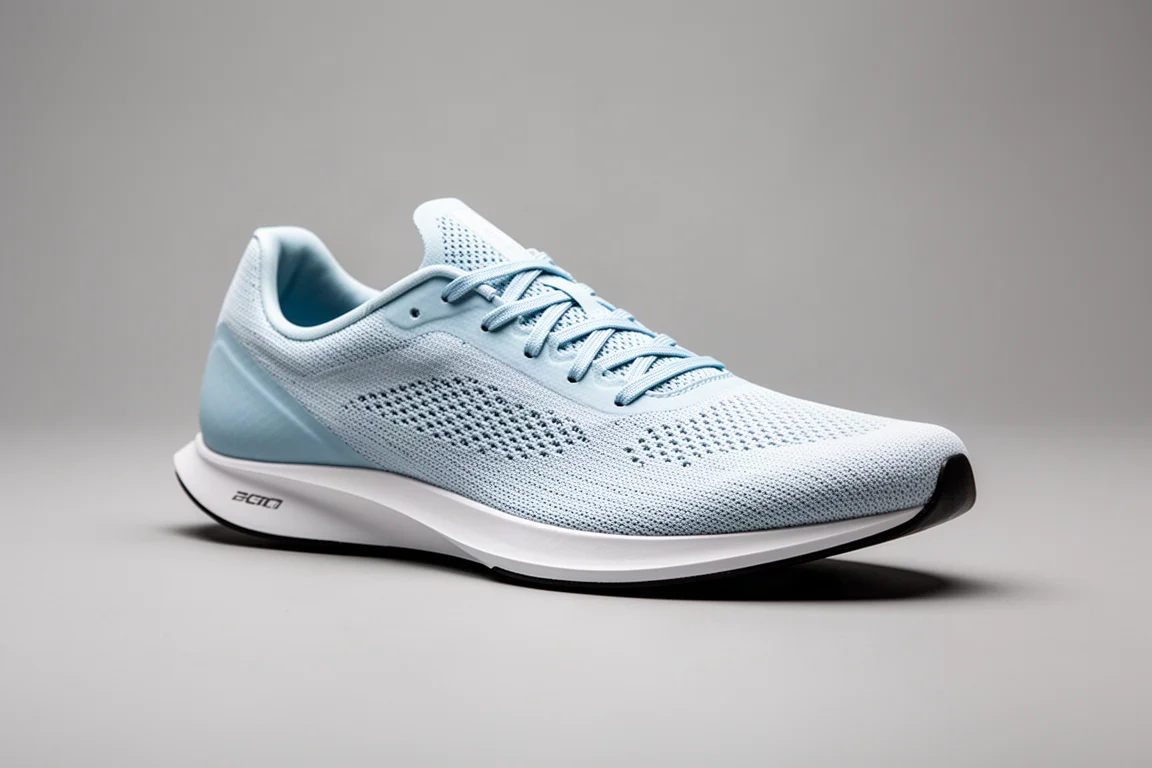
Puma Deviate Nitro Elite 3: Stability and Longevity
The Deviate Nitro Elite 3 has a more aggressive drop and more heel stack, while the other three shoes all sit at a 40 mm heel stack. Oddly, the Puma feels more stable despite being narrower in the forefoot, thanks to extra heel width and a midsole channel cutout positioned further up in the midfoot rather than running all the way from midfoot to heel like the Nike’s, which noticeably affects stability.
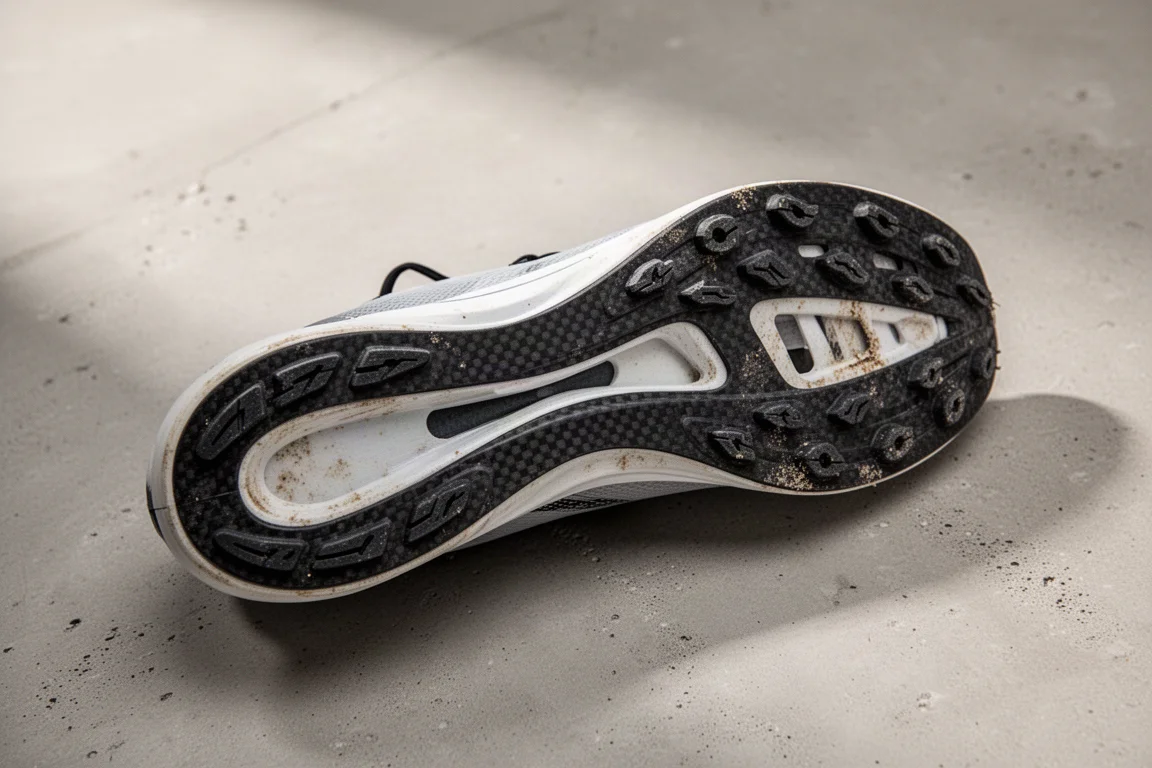
Outsole grip is excellent, and durability is on point across the rest of the outsole after serious mileage. It is also 45 pounds cheaper than the Vaporfly, three millimeters taller at the heel, and arguably a bit more stable and versatile as an all-round racer. Given how quickly ZoomX-based foams tend to lose their magic from day one, the Puma’s likely longevity and usefulness as a trainer after its race days are over make it the pick of this round, and there are often good deals on it too.
Overall Buying Advice
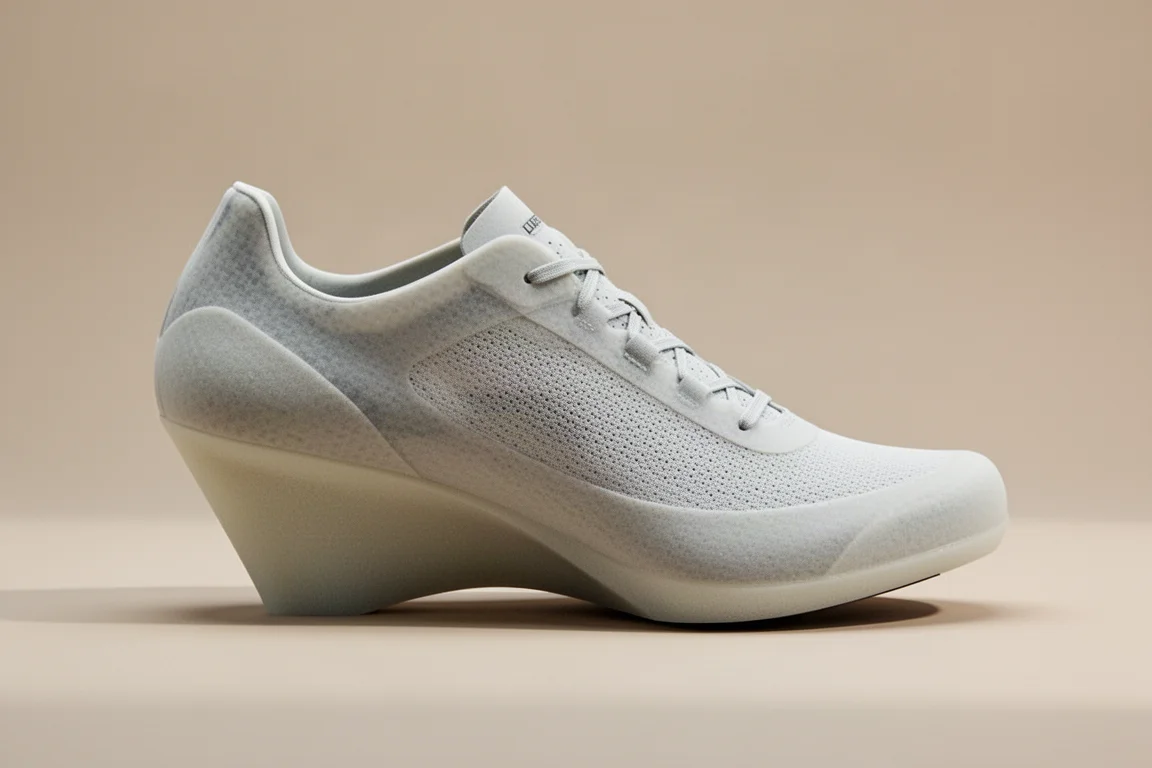
If you want maximum cushioning and grip for the full marathon distance, the Adios Pro 4 is the strongest overall pick and the easiest to justify at its price. If your racing leans toward 10K or half marathon efforts and you value a low weight and a familiar rolling feel, the Vaporfly Next% 4 still works, and it narrowly beat the Meta Speed Edge Paris in this comparison. But if you want the best mix of stability, stack, durability and value, the Puma Deviate Nitro Elite 3 makes the most sense for most runners, particularly if you can find it discounted.
Conclusion
The Vaporfly Next% 4 is no longer the clear-cut king. The Adios Pro 4 wins the marathon round, the Puma takes the value and durability honors, and the ASICS pushes Nike hardest in a like-for-like contest. Pick based on race distance, how much stack you want underfoot, and whether long-term durability matters to you more than shaving a few grams.
Further reading
Related Reviews

Running Shoes
Best Road-to-Trail Running Shoes: Three Versatile Options for Mixed Terrain
A practical guide to three road-to-trail running shoes that handle both pavement and mild trails, with clear strengths and trade-offs for different runner types.

Running Shoes
Best Running Shoes for Achilles Tendonitis: Three Options Explained
Three running shoes with different heel drops and support features designed to help reduce Achilles tendon pain during walking and running.

Running Shoes
Best Running Shoes for Women: Five Top Choices Ranked
A ranked guide to five women's running shoes, from versatile daily trainers to high-performance racing options, with real strengths and trade-offs for each.