Running Shoes
Nike Vaporfly Next% 3 vs Next% 2: Every Change That Matters
A close look at the differences between the Nike Vaporfly Next% 3 and its predecessor, from the reshaped heel to the new open-mesh upper, and what each change means for runners.
Introduction
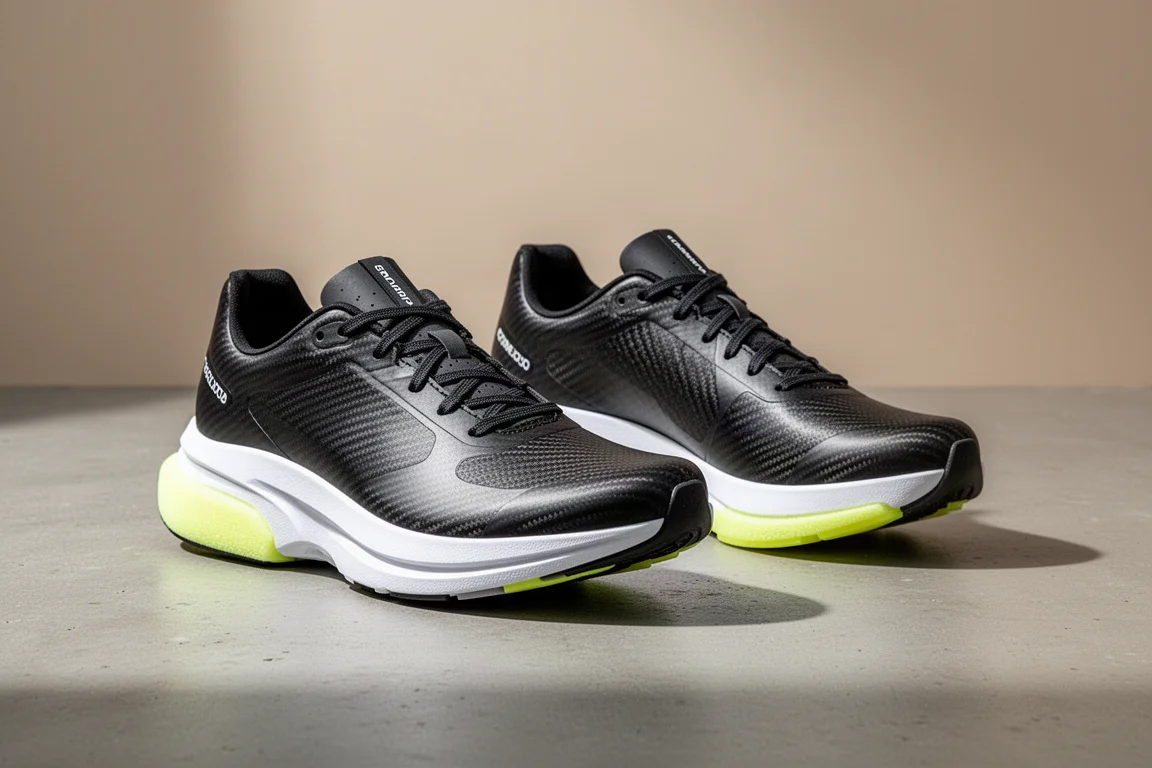
Few shoes carry as much expectation as the Nike Vaporfly Next% line. Every time a follow-up arrives, the same worry appears: is it practically the same shoe, or has it changed so much that it no longer feels like the model runners loved? With the Vaporfly Next% 3, Nike has made a set of visible and less visible changes, and they generally point in one direction: shaving off weight while keeping the ride familiar.
We looked at four areas of difference between the Next% 3 and the Next% 2: the heel shape, the midsole cut-out, the outsole, and the upper. Some changes are clearly performance-driven, others feel more like design choices, and one or two are a genuine mixed bag.
Heel Design: Less Protrusion, Less Weight
The most pointed difference is at the heel. On the Next% 2, a section of foam juts out quite prominently, and plenty of runners have caught it on stairs or other hazards while out running. That area also appeared to be a point of separation for the two layers of foam in the midsole, and in practice it picked up very little wear. The same bulging rear section existed on the Nike Invincible Run, where it seemed equally unnecessary.
With the Next% 3, Nike has chopped off that end section somewhat, leaving a less severe protrusion. If anything, removing the excess foam should make the shoe slightly lighter and nimbler, so this change leans performance rather than pure aesthetics.
Midsole Cut-Out: Style Statement or Stability Change?
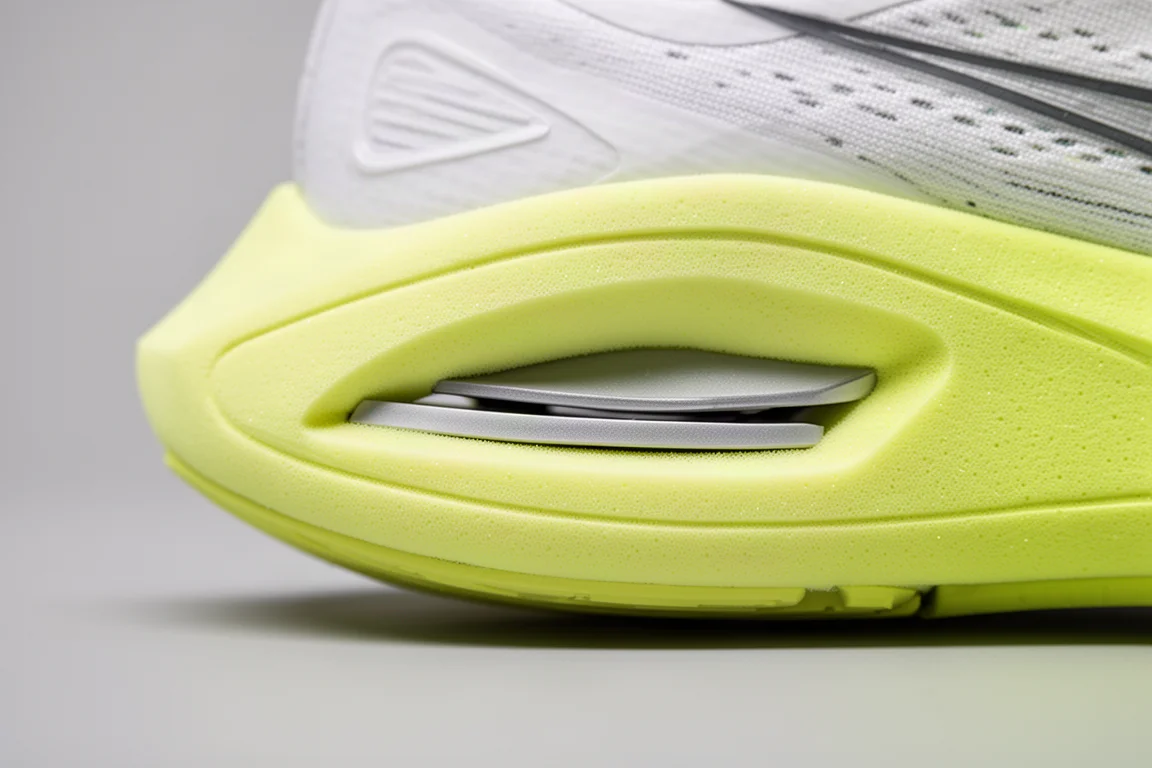
The most interesting midsole change is the lateral side cut-out, where the foam now exposes part of the plate sandwiched between the two layers of ZoomX. Nothing like that exists on the Next% 2, where the plate is completely encapsulated within the foam.
Nike has kept the heightened medial sidewall in the arch for stability, as on the previous versions, but the lateral side now shows the plate through the foam. It reads like the classic Nike trick of exposing hidden technology so buyers can see it, similar to the visible air units of the past. As a result, this change feels primarily visual rather than performance-driven, and if anything it may make the shoe marginally less stable on the lateral side rather than more.
Outsole: More Rubber Where It Counts
On the Next% 2, sharp debris like stones or glass could easily embed in the foam rubber of the forefoot, meeting the plate almost directly beneath it. Coverage there was decent and durability was better than the shoe’s fragile reputation suggested, though the outsole never felt like the best in class compared with Adidas or Asics alternatives.
The Next% 3 reshuffles the layout. The forefoot uses a stretch web of lugs, similar to the Pegasus Turbo Next Nature from 2022, with lugs getting smaller toward the edges. Rubber coverage is clearly weight-relieved, so less foam is protected from debris, trading a little durability for lower weight.
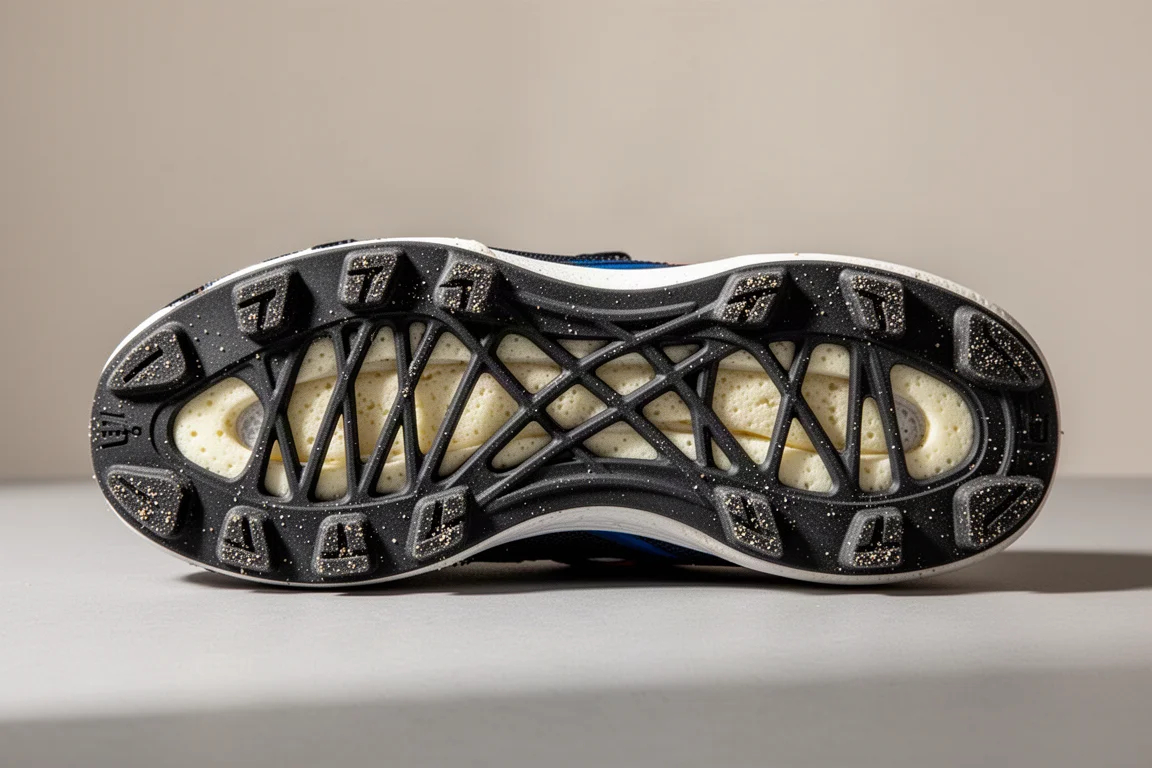
The good news sits at the rear: the rubber now stretches back further than on previous releases, especially welcome on the medial side of the heel where aesthetic wear builds up quickly. Overall, the Next% 3 feels like it has less exposed foam in the midfoot and heel, partly thanks to the way the ZoomX has been contoured.
Upper: From Mesh to Fishing Net
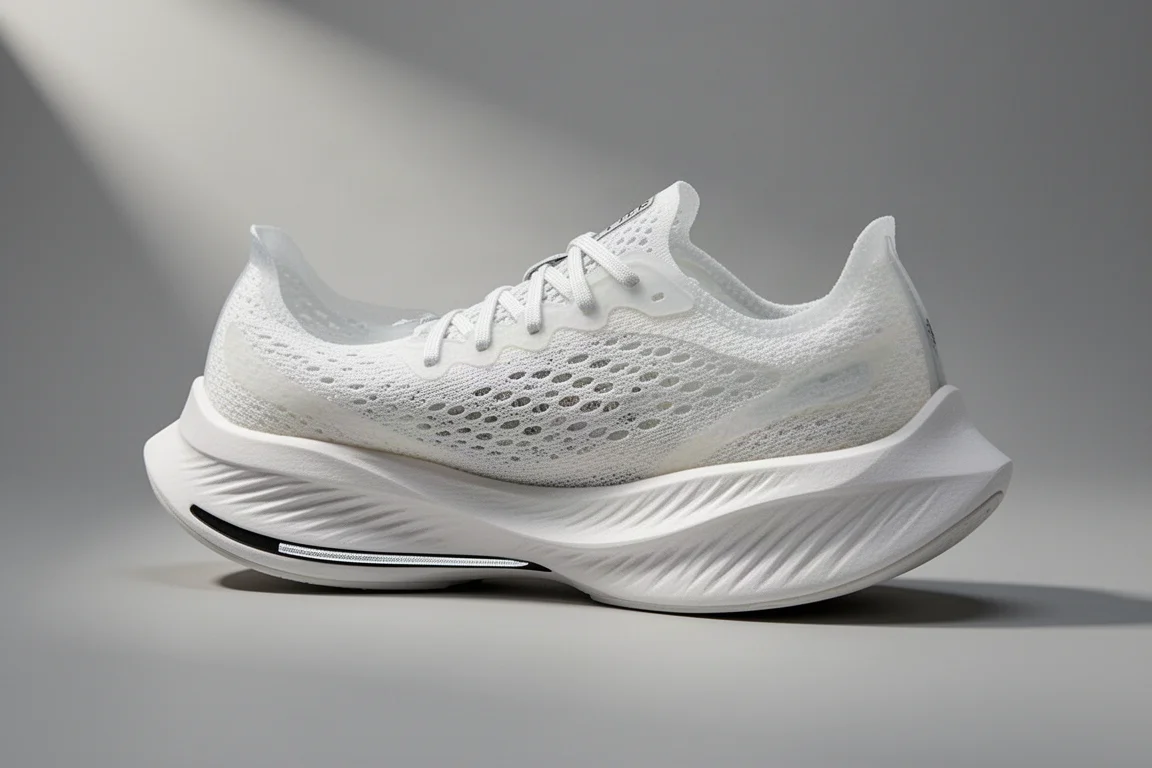
Not everyone loved the upper materials on the earlier versions. Vaporweave on the first shoe was water-repellent but plasticky and took time to get used to, while the mesh on the Next% 2 felt more natural and gave a slightly roomier toe box. Both worked very well in practice.
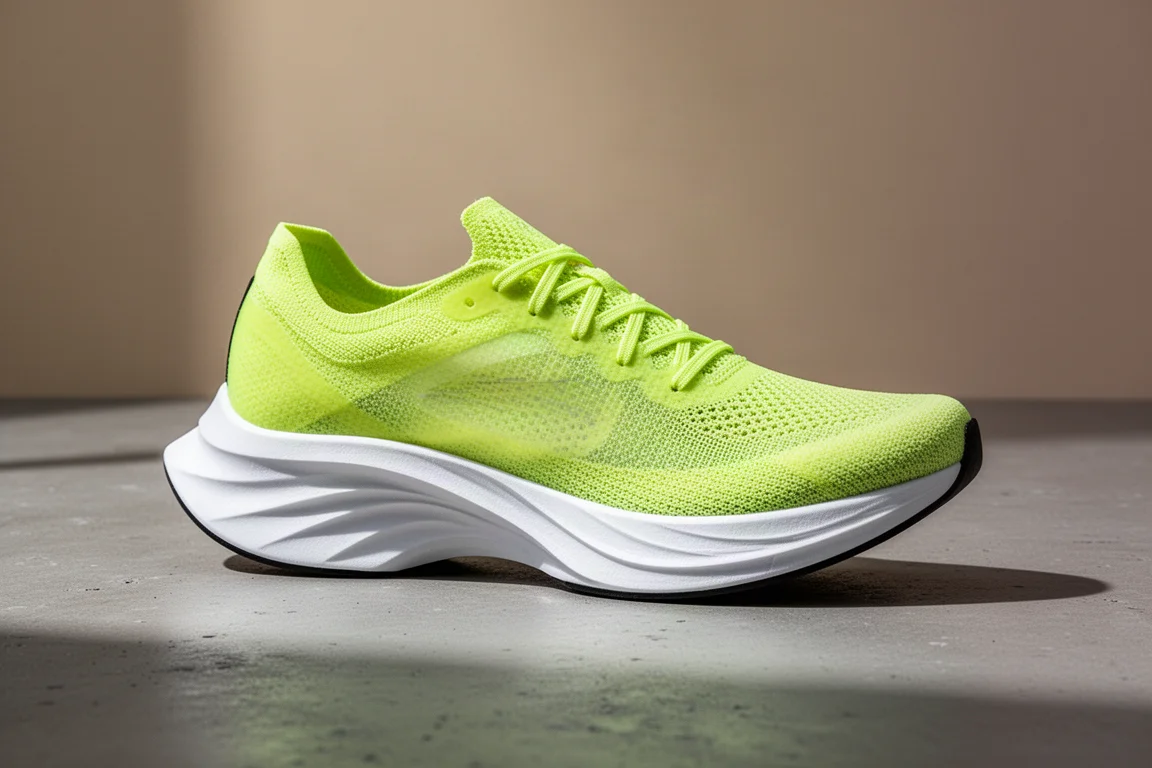
The Next% 3 switches to an open structure that looks more like a fishing net, entirely different from the previous mesh, and closer in spirit to the upper of the Saucony Endorphin Pro 3, arguably the closest competitor to the Vaporfly Next% 2. The likely goal is weight reduction and maximum breathability, which makes sense for road marathons run in fair weather. Given how competitive the racing shoe market has become, with Adidas gaining visibility on marathon podiums and Asics and Saucony closing the gap, this reads as a genuine performance update rather than change for change’s sake.

Overall Buying Advice
If you already own the Next% 2 and love it, the Next% 3 offers refinements rather than a reinvention: a tidier heel, a lighter and more open upper, and slightly reworked outsole coverage. Runners who want the very lowest weight and better breathability will find the case for the new version strongest, while those prioritizing a roomier, more traditional upper feel may prefer the older mesh.
The change-averse lesson from elsewhere in the market applies here too: a follow-up that adds four grams of savings for the same shoe is hard to justify at full price, but a follow-up that trims the shape, the upper, and the weight while keeping the character intact is a more defensible update.
Conclusion
The Vaporfly Next% 3 is less a redesign than a targeted slimming-down. The heel trim and upper overhaul look like genuine performance changes, the lateral cut-out is mostly cosmetic, and the outsole trades some protection for grams. For runners chasing personal bests on warm race days, the new version makes sense; for those happy with the Next% 2, there is no urgent reason to switch unless weight and breathability matter to you.
Further reading
Related Reviews

Running Shoes
Best Road-to-Trail Running Shoes: Three Versatile Options for Mixed Terrain
A practical guide to three road-to-trail running shoes that handle both pavement and mild trails, with clear strengths and trade-offs for different runner types.

Running Shoes
Best Running Shoes for Achilles Tendonitis: Three Options Explained
Three running shoes with different heel drops and support features designed to help reduce Achilles tendon pain during walking and running.

Running Shoes
Best Running Shoes for Women: Five Top Choices Ranked
A ranked guide to five women's running shoes, from versatile daily trainers to high-performance racing options, with real strengths and trade-offs for each.