Running Shoes
Nike Vaporfly Next% 2 vs Saucony Endorphin Pro 3: Which Super Shoe Is the Better Buy?
Two carbon-plated super shoes, two very different rides. Here is how the Vaporfly Next% 2 and Endorphin Pro 3 compare on cushioning, fit, durability, and value.
Introduction
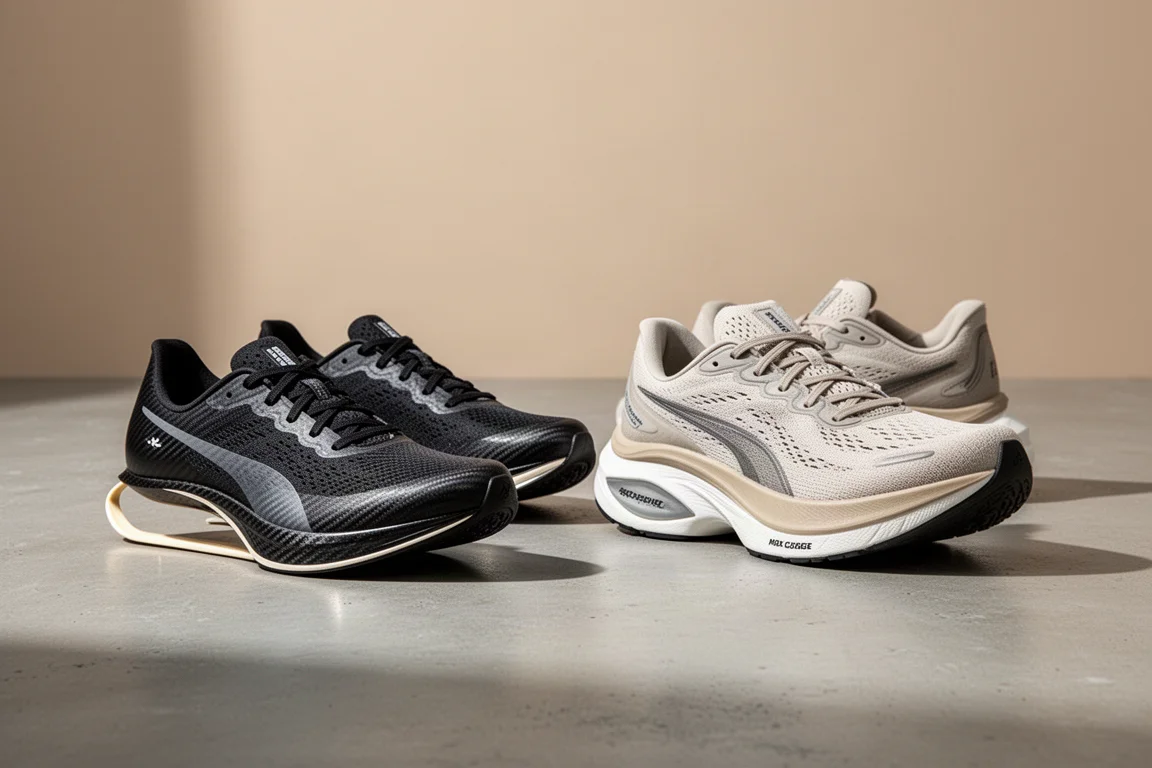
Both of these carbon-plated super shoes started life at the very top of the marathon racing market, and both are now entering their discount window. Nike has already moved the Vaporfly line forward with the Vaporfly 3, so the Next% 2 is being cleared out below the $200 mark. Saucony’s Endorphin Pro 3 is still at its full $225 price for now, but with the Pro 4 expected to arrive this summer or fall, the Pro 3 should drop to around $150 or below.
That makes this a good moment to ask a simple question: which of these two belongs in your rotation? The answer depends heavily on your goals, your running preferences, and your biomechanics, because on the road they feel surprisingly different despite looking similar on a spec sheet.
Stack and Plate: Similar on Paper, Different in Hand
The Saucony Endorphin Pro 3 is a max-cushioned super shoe built around a carbon fiber plate and a 40 millimeter stack of Saucony’s PWRRUN PB midsole foam. The Nike Vaporfly Next% 2 also carries a 40 millimeter stack, using ZoomX foam paired with the carbon fiber Flyplate. Same stack height, same plate material category, and yet the experiences diverge the moment you pick up the pace.
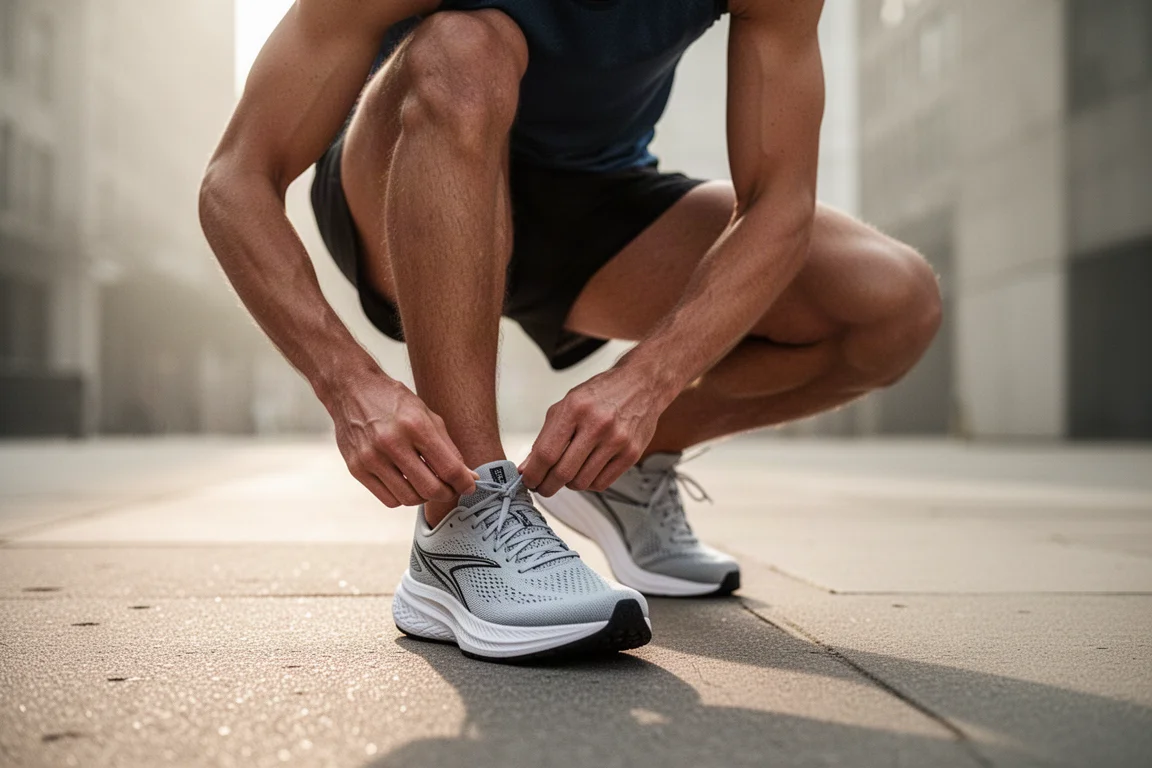
That divergence is worth understanding before you buy either one at a discount, because each shoe clearly rewards a different kind of running.
Ride and Stability
The Endorphin Pro 3 has a bouncier but also firmer ride. Its beaded PWRRUN PB foam is resilient and responsive, creating a platform with more structured cushioning and stability than the Vaporfly. In terms of geometry, the Endorphin Pro 3 is the more stable shoe of the two: the heel on the Vaporfly Next% 2 is noticeably narrower than the heel on the Endorphin Pro 3.
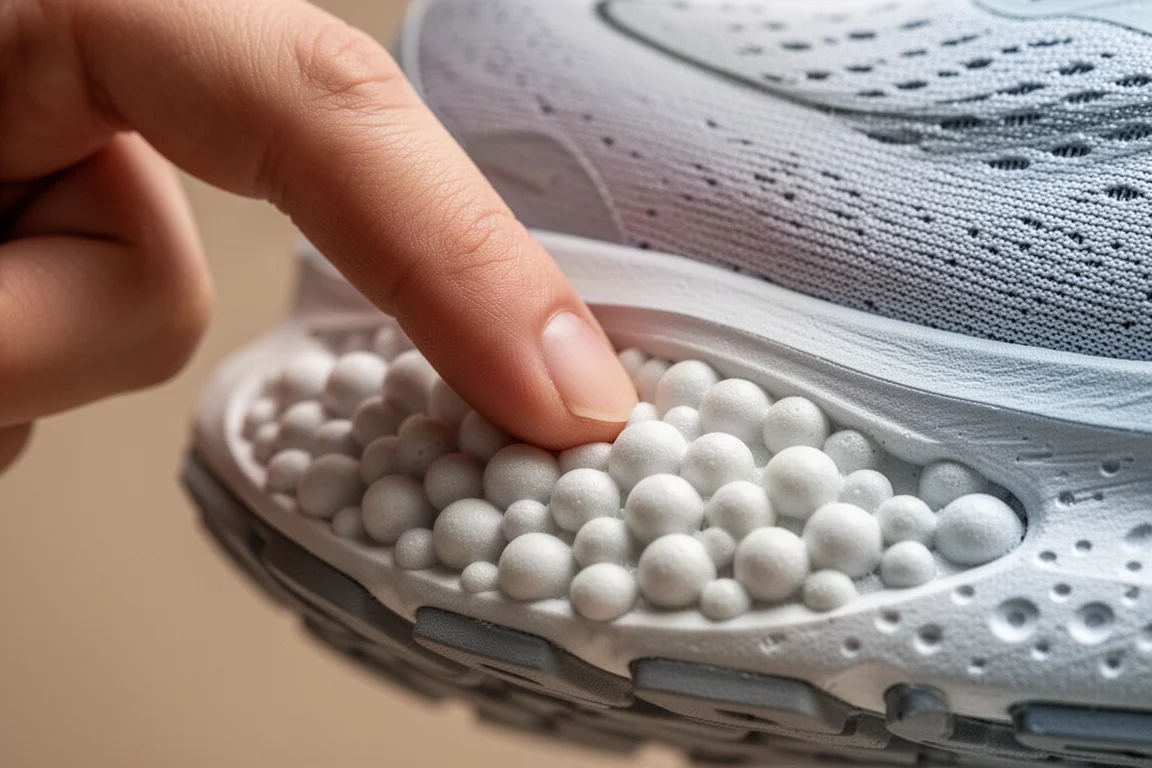
If you need some lateral security underfoot, especially when fatigue sets in, the Saucony’s platform gives you more of it.
Fit and Upper Comfort
The Endorphin Pro 3 wins on everyday-style comfort. The Vaporfly Next% 2 can fit pretty tight and does not fit like a normal shoe, meaning the shoes you lace up to walk around town or run errands. The Pro 3, by contrast, has a more familiar, comfortable feel in how the upper is structured and how the lacing works.
For long efforts where your feet swell and comfort matters, that difference compounds over the miles.
Versatility Across Paces
The forefoot rocker is a bit more aggressive on the Endorphin Pro 3, which pays off in the later stages of long miles. On mile 15 of a 16 mile long run, when your feet are fatigued and your legs feel heavy, the rocker and carbon plate work together beautifully for longer efforts.
The Pro 3 is also the far more versatile shoe. At an easy aerobic base pace in the 7:15 to 7:30 per mile range, it feels normal, almost like a daily trainer. The Vaporfly Next% 2, on the other hand, feels out of place below roughly a seven minute per mile pace, like a shoe you should not be running slow in. It comes alive for shorter, faster efforts and marathons where you are actually racing.

So the split is simple: race day only, maximum speed, the Vaporfly. Adaptable across long runs, easy days, and racing, the Endorphin Pro 3.
Durability and Outsole Coverage
The Endorphin Pro 3 is the more durable option. Its outsole rubber covers far more of the shoe than the Vaporfly’s, especially at the rear. On a slower run where you heel strike in places, that coverage protects the foam. ZoomX foam is known to wear faster than other pebax-based foams, and the Vaporfly’s rear foam is particularly exposed: after one half marathon with lots of downhill sections, the rear foam was chewed up from hard heel strikes with no rubber protecting it.
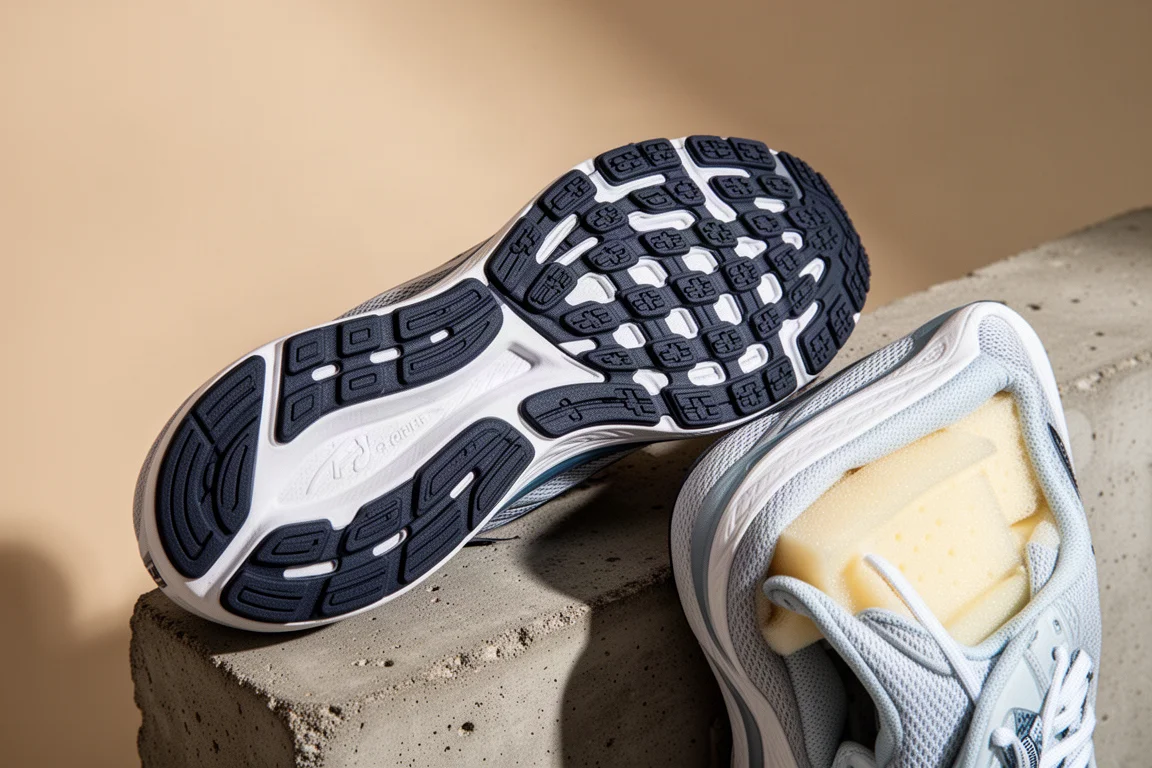
For longevity, beaded PWRRUN PB plus a carbon plate is expected to hold up over the long haul, with the Pro 3 targeted for around 400 miles of use.
Style
The Endorphin Pro 3 has a clean, classic look, while the Vaporfly carries a sportier, modern aesthetic. Both are versatile enough to work with anything in a running wardrobe, so this one comes down to personal taste.
Price and Overall Value
Right now the Endorphin Pro 3 is still priced at $225 because the Pro 4 has not launched yet, but it should fall to around $150 once it does. The Vaporfly Next% 2 is already discounted below $200 and can still be found at retailers like Dick’s Sporting Goods and Nike’s own site, with some size availability remaining.
Assuming these two are priced equally, they are equally good buys. But for bargain hunters, the Pro 3 is the better option: it is more versatile, more comfortable at slower paces, and likely more durable over the long run. If you want a shoe strictly for race day and fast training days, the Vaporfly is still the sharper tool.
Conclusion
These two super shoes share a spec sheet but not a personality. The Nike Vaporfly Next% 2 is a pure racing weapon that rewards speed and punishes slow miles, while the Saucony Endorphin Pro 3 is the adaptable, comfortable, more durable all-rounder. Match the shoe to your running: race day specialists go Nike, everyone building a versatile rotation should lean Saucony.
Product link
View more details for Nike Vaporfly Next% 2
This product is mentioned in the review. Check the specifications, options, and compatibility before buying.
View more details for Nike Vaporfly Next% 2Further reading
Related Reviews

Running Shoes
Best Road-to-Trail Running Shoes: Three Versatile Options for Mixed Terrain
A practical guide to three road-to-trail running shoes that handle both pavement and mild trails, with clear strengths and trade-offs for different runner types.

Running Shoes
Best Running Shoes for Achilles Tendonitis: Three Options Explained
Three running shoes with different heel drops and support features designed to help reduce Achilles tendon pain during walking and running.

Running Shoes
Best Running Shoes for Women: Five Top Choices Ranked
A ranked guide to five women's running shoes, from versatile daily trainers to high-performance racing options, with real strengths and trade-offs for each.