Running Shoes
Nike Vaporfly Next% 2 vs Puma Deviate Nitro Elite: Which Super Shoe Fits You?
Two elite carbon racers with very different personalities. We compare stack heights, ride feel, and which distances each one suits best.
Introduction
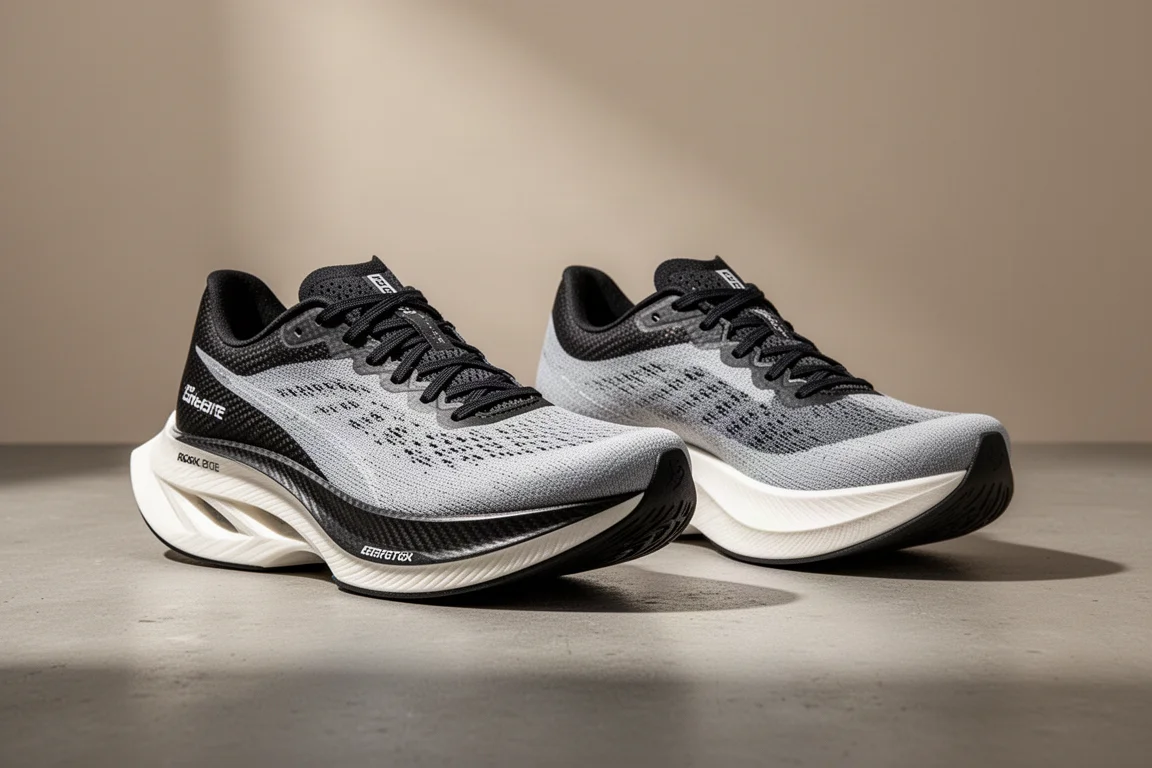
Two of the most talked-about super shoes on the market right now sit in almost the same racing category: the Nike Vaporfly Next% 2 and the Puma Deviate Nitro Elite. Both use a carbon fiber plate, both are built for fast running, and both sit at the top of their game. But under the surface they ride very differently, and that difference decides which one suits you.
Specs Side by Side
The numbers frame the story well. The Puma Deviate Nitro Elite comes in with 36mm of stack in the heel, 28mm in the forefoot, an 8mm drop, and a weight of 6.7 ounces in a men’s size 9. It uses a nitrogen-infused PBA midsole called Nitro Elite plus a carbon fiber plate.
The Nike Vaporfly Next% 2 is basically the gold standard every other company has been shooting for. It carries 40mm of stack in the heel, 32mm in the forefoot, weighs 6.9 ounces in a men’s size 9, and pairs a Pebax midsole with a carbon fiber plate.
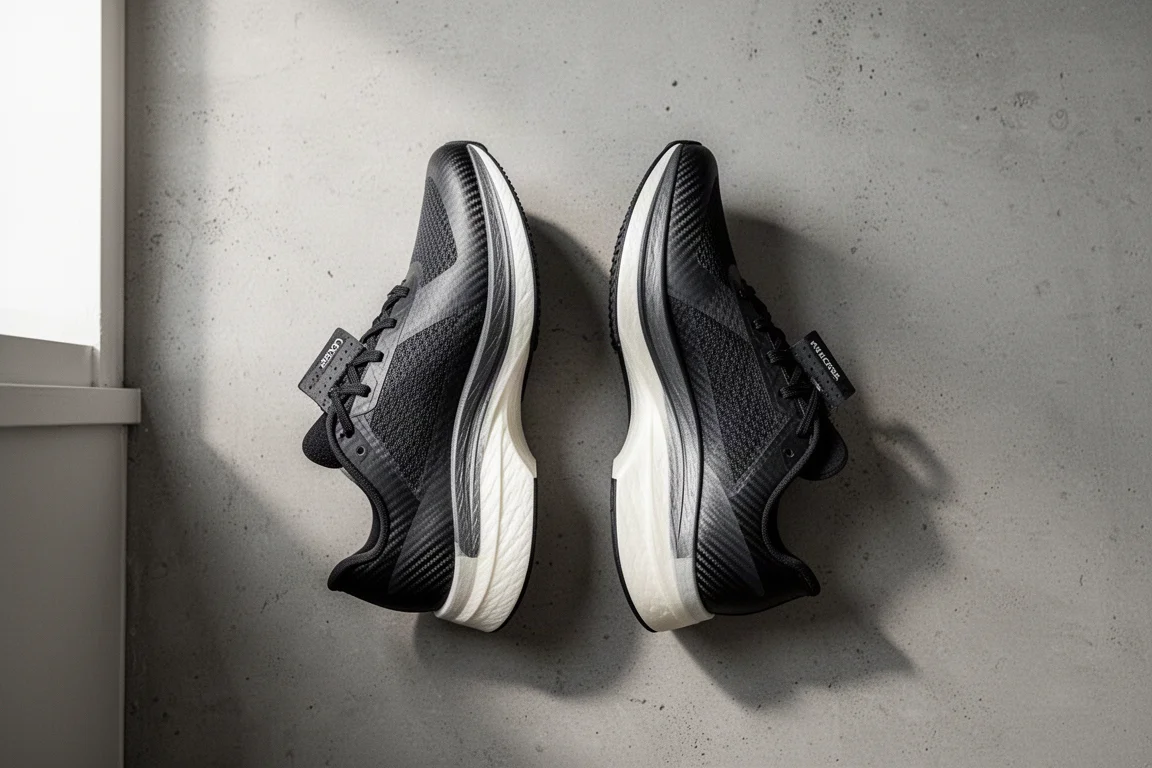
Nike Vaporfly Next% 2
With the Vaporfly Next% 2 you sit a little higher up in the heel, and the ZoomX foam is on the firmer side. There is plenty of cushioning underfoot, but the character of the shoe comes from its geometry: that tall, rockered build rolls you forward and the firm plate up front gives a poppy toe-off.
The last is relatively narrow. Put the two shoes side by side and the Vaporfly is clearly the slimmer of the pair. The forefoot widens out slightly, but the overall profile stays slim through the whole shoe, locking your foot down with an athletic, racing-focused feel. One caveat: heel lockdown could be better, and that is not just one runner’s experience. Heel-lock lacing and other tricks only get you so far.
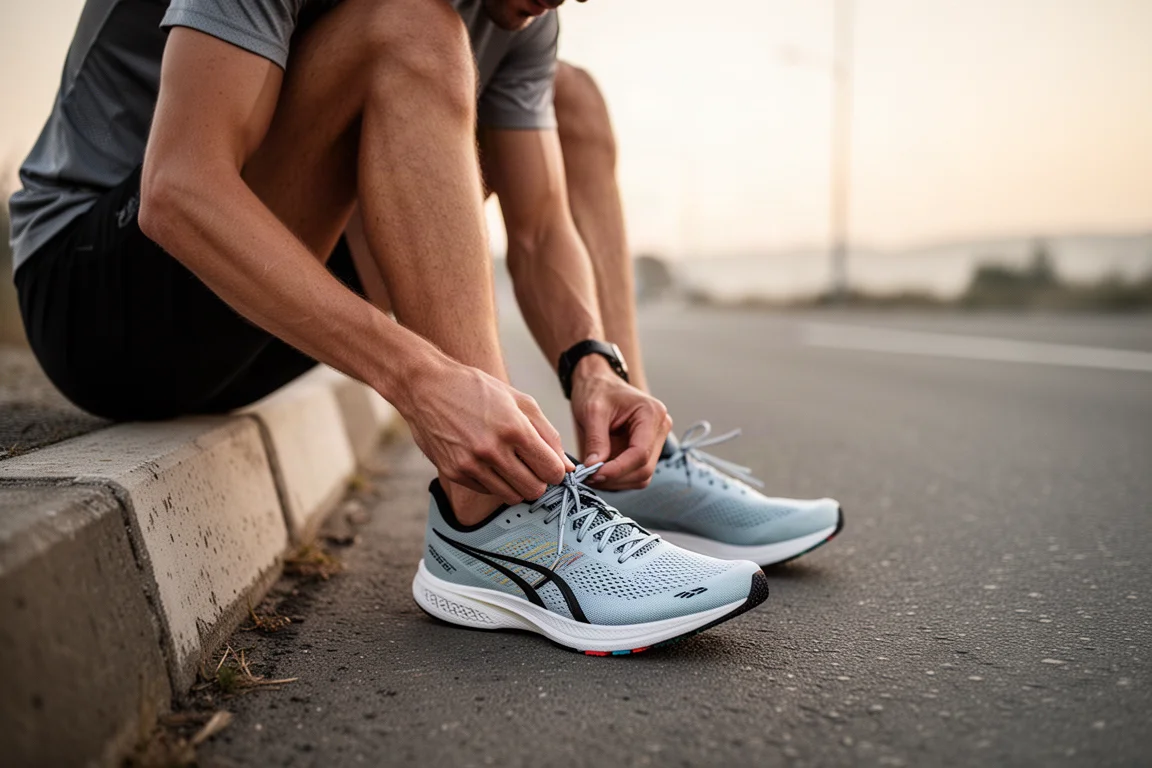
Where the Vaporfly shines is at long distances. You can rely on the geometry to keep working down the stretch, which makes it a strong candidate for the half marathon and marathon. At shorter, faster efforts like a 5K, it can feel less cooperative. Even pacing works fine, but when you try to sprint or push beyond that kind of pace, the shoe tends to fight you a little.
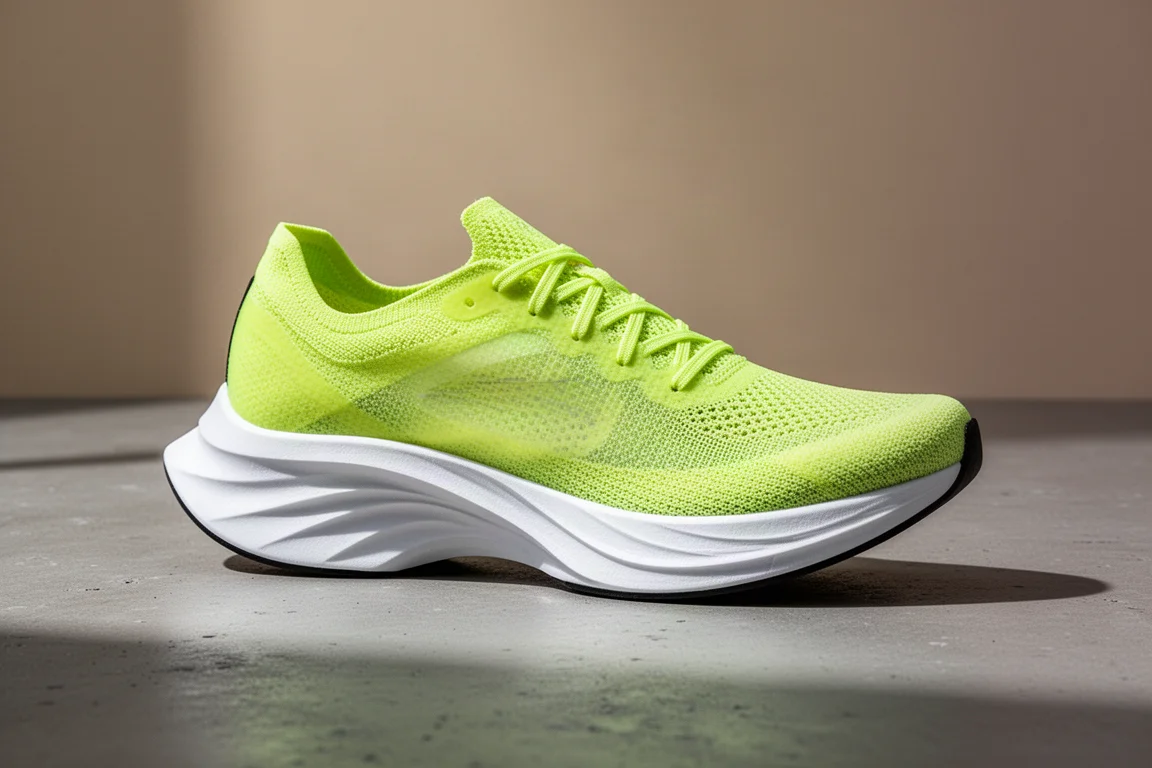
Puma Deviate Nitro Elite
The Deviate Nitro Elite sits naturally a little lower to the ground, and its PBA foam runs a bit softer. You get a relatively full-contact outsole and a slightly more flexible plate, which together give you more ground feel and a more connected sensation underfoot.
Transitions are much more balanced here. They are not quite as poppy as the Vaporfly, but everything feels fluid from heel to toe, and from a pure comfort standpoint it is the nicer ride. The fit also runs a little wider, which matters if a narrow last has ever been a problem for you.
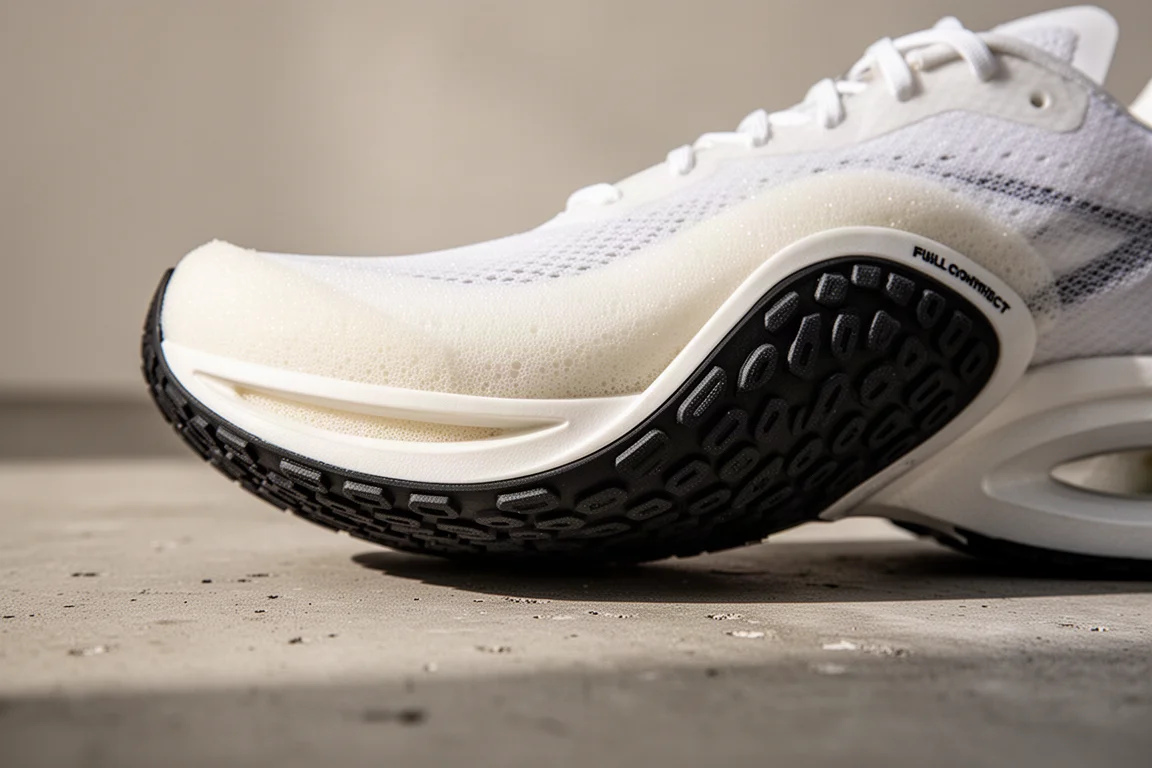
At faster paces the lower, more flexible build has real advantages. Think of it as leaning toward shoes with a more flexible forefoot, which suits shorter distances well. At longer distances the two are closer to a coin flip, though the Deviate’s smoother, more comfortable transition keeps it competitive deep into a race.
Buying Advice: Which One Should You Pick?
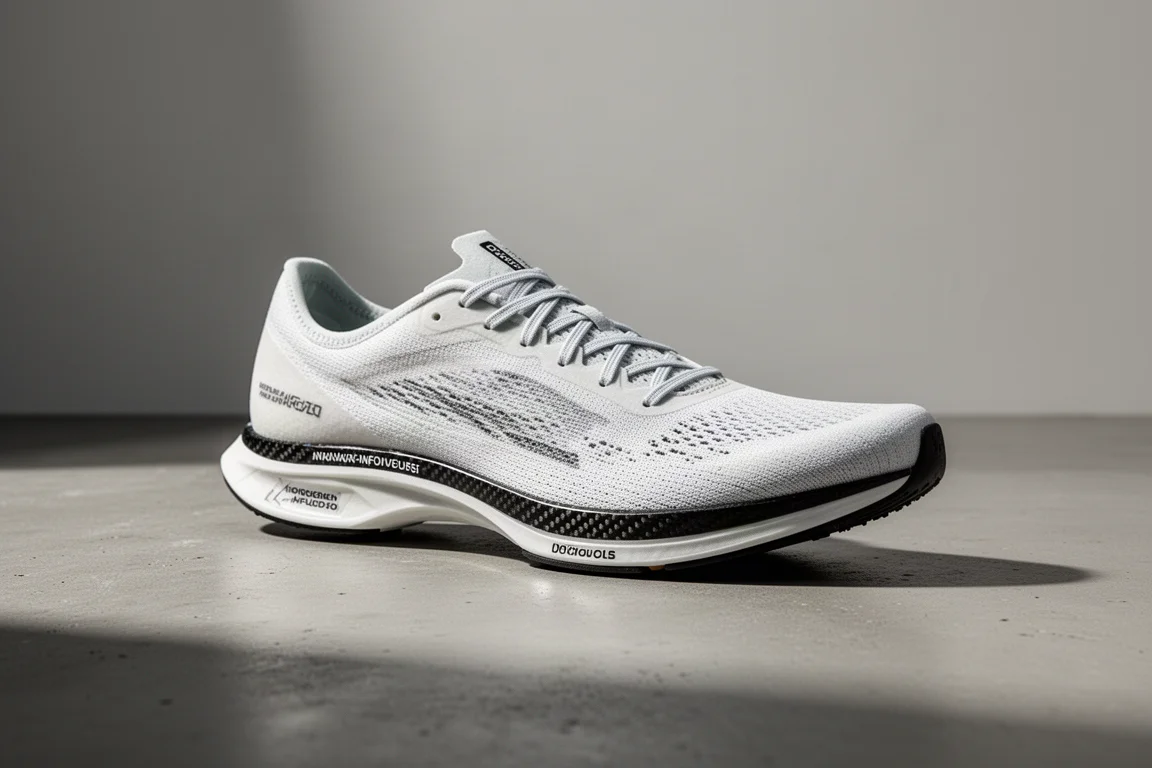
If you want maximum stack and a geometry you can lean on for the marathon and half marathon, the Vaporfly Next% 2 is the safer pick, as long as the narrow last and heel lockdown are not dealbreakers. Runners with any midfoot instability may struggle with that narrow platform.
If you prefer more ground feel, a softer and more balanced ride, and a touch more room in the fit, the Deviate Nitro Elite is the more comfortable choice, and it holds its own at both track paces and long distances. It is closer to a hybrid between a traditional running shoe and an elite racing shoe, while the Vaporfly is geared purely toward racing profiles.

Conclusion
Both shoes are at the top of the market, and elite athletes have raced fast in both. The right answer comes down to fit and feel: the Vaporfly Next% 2 rewards runners who want a tall, poppy, geometry-driven racer, while the Deviate Nitro Elite suits those who want a more connected, comfortable ride with a wider fit. Try both if you can, and let your own biomechanics decide.
Further reading
Related Reviews

Running Shoes
Best Road-to-Trail Running Shoes: Three Versatile Options for Mixed Terrain
A practical guide to three road-to-trail running shoes that handle both pavement and mild trails, with clear strengths and trade-offs for different runner types.

Running Shoes
Best Running Shoes for Achilles Tendonitis: Three Options Explained
Three running shoes with different heel drops and support features designed to help reduce Achilles tendon pain during walking and running.

Running Shoes
Best Running Shoes for Women: Five Top Choices Ranked
A ranked guide to five women's running shoes, from versatile daily trainers to high-performance racing options, with real strengths and trade-offs for each.