Running Shoes
Nike Vaporfly Next% 2 vs Next% 3: Which Racing Shoe Makes More Sense?
A head-to-head look at the Vaporfly Next% 2 and Next% 3, covering stack heights, weight, upper changes, outsole grip, and ride feel to help you pick the right racing shoe.
Introduction
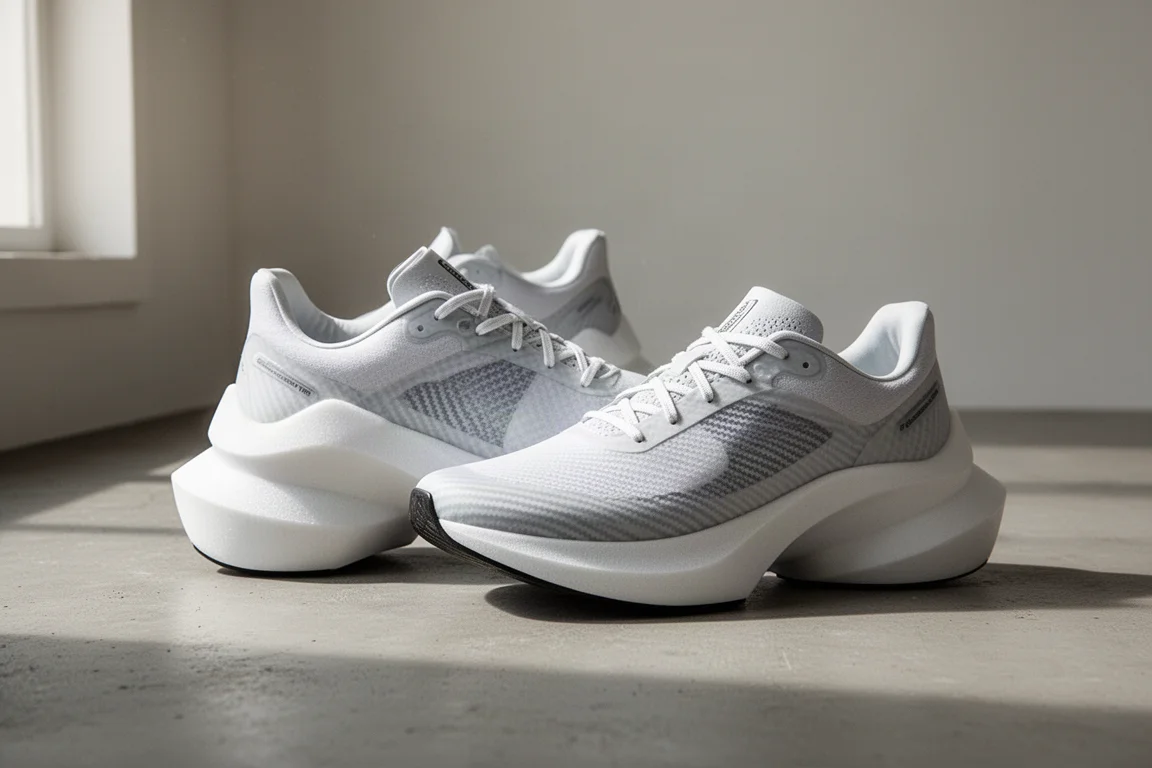
The Nike Vaporfly Next% 3 arrived as an evolution rather than a reinvention. With so much shared DNA between the Next% 2 and the Next% 3, the real question is whether the third version’s tweaks justify the upgrade. After comparing the two side by side, the short answer: the Next% 2 is a proven performer, but the Next% 3 irons out enough of the older shoe’s quirks to feel clearly more refined.
What Stays the Same
The core recipe is unchanged. Both shoes use 38mm of stack in the heel and 30mm in the forefoot, an 8mm drop, a carbon fiber plate, and ZoomX midsole foam. That platform is what defines the Vaporfly ride: highly cushioned, propulsive, and built around a stiff plate with a sharp rocker.
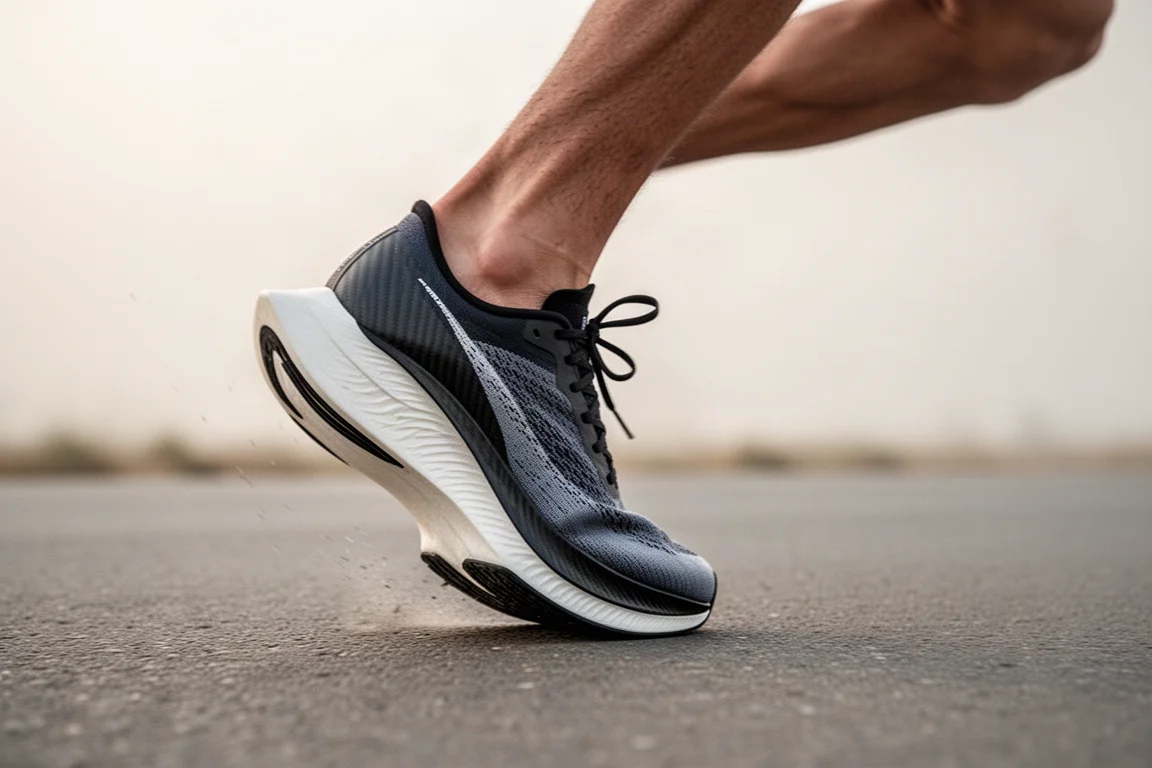
Weight is where the numbers start to separate. In a men’s size 9, the Next% 3 comes in at 6.5 ounces versus 6.9 ounces for the Next% 2, so Nike did shave a small amount of weight off the newer version.
Upper and Fit Changes
The most obvious difference sits on top. The Next% 2 used an engineered mesh upper, while the Next% 3 moves to a new synthetic take on Flyknit. It is less stretchy than previous Flyknit versions but carries more structure, and it feels softer and more sock-like on the foot.
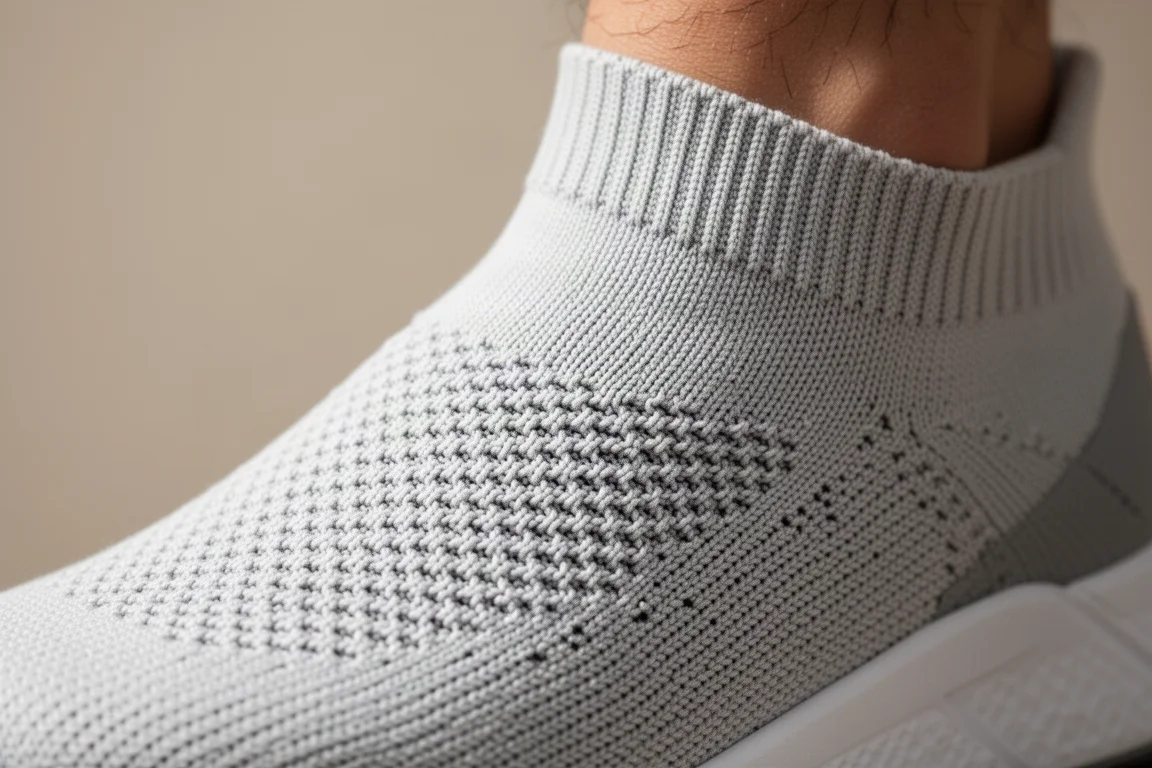
The Next% 3 also adds more volume through the forefoot and midfoot. Lockdown remains strong, but the shoe feels roomier and less congested where the Next% 2 could create pressure or pulling across the midfoot. If the older fit ever felt tight through that zone, this is one of the most meaningful improvements in the update.
Outsole and Traction
Outsoles differ as well. The Next% 2 used a rubber compound with modest traction and small hoof-like grooves. The Next% 3 goes with a more aggressive outsole that feels a bit more grippy, particularly in the forefoot. The heel rubber is thinner on the Next% 3, reportedly to keep weight down and improve traction.
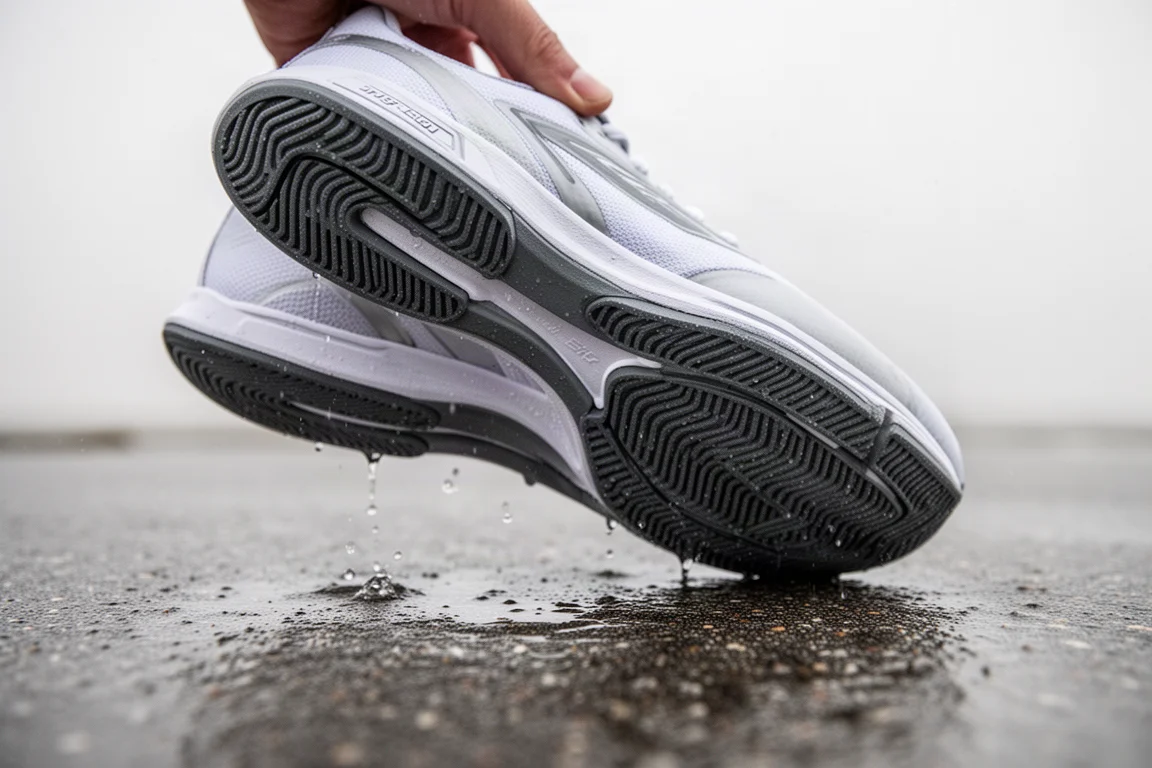
Real-world difference at the heel is modest, and you would be hard-pressed to notice a dramatic change in heel traction right away. The forefoot grip is the area where the newer shoe pulls ahead.
Ride and Transition Differences
The ride is where the Next% 3 pulls decisively ahead. The Next% 2 always felt a little like wearing heels: firmer foam in the back, a slight slap down onto the forefoot, then a sharp toe spring that rocks you forward. The Next% 3 keeps the stiff plate and bouncy ZoomX, but the transition feels noticeably cleaner and more fluid.
Two design changes explain much of it. Nike appears to have used a flyplate design inspired by the original Vaporfly, and the forefoot platform was shifted a few millimeters medially to better control the pronation moment and add stability. The added medial structure in the forefoot was noticeable and welcome, even if the convexity itself was less obvious in practice.
In faster work, the Next% 3 shines. A seven-mile tempo run slightly faster than marathon pace showed smooth transitions, good bounce, and an overall more enjoyable experience than the Next% 2, which could feel clunky by comparison.
Overall Buying Advice
If you like the Vaporfly Next% 2, you will almost certainly like the Next% 3. Nothing here is an overhaul, but the small design tweaks make the newer shoe noticeably more pleasant to run in. For owners of the Next% 2 with plenty of life left in their pair, the upgrade is optional. For anyone choosing fresh, the Next% 3 is the stronger pick.

The Next% 3 sits comfortably at the top of the super shoe market, holding its own against the Saucony Endorphin Elite, the Adidas Adizero Pro 3 style rivals, and upcoming MetaSpeed models. It is a shoe you will see on a lot of feet, and deservedly so.
Conclusion
The Nike Vaporfly Next% 2 and Next% 3 share the same 8mm drop, 38/30mm stack, carbon plate, and ZoomX foam, so the ride character is fundamentally the same. The Next% 3 refines the formula with a lighter build, a softer and roomier Flyknit upper, a more aggressive outsole, and smoother transitions. If you are buying new, the Next% 3 is the one to get.
Product link
View more details for Nike Vaporfly Next% 2
This product is mentioned in the review. Check the specifications, options, and compatibility before buying.
View more details for Nike Vaporfly Next% 2Further reading
Related Reviews

Running Shoes
Best Road-to-Trail Running Shoes: Three Versatile Options for Mixed Terrain
A practical guide to three road-to-trail running shoes that handle both pavement and mild trails, with clear strengths and trade-offs for different runner types.

Running Shoes
Best Running Shoes for Achilles Tendonitis: Three Options Explained
Three running shoes with different heel drops and support features designed to help reduce Achilles tendon pain during walking and running.

Running Shoes
Best Running Shoes for Women: Five Top Choices Ranked
A ranked guide to five women's running shoes, from versatile daily trainers to high-performance racing options, with real strengths and trade-offs for each.